The farm animal aftercare blog: one real question at a time
About 500,000 adult goats and kids[1] died in the US in a single year, and behind many of them was a keeper asking the same practical questions. Each article here answers one, starting with the answer.
By the Farm Animal Cremation Services editorial team · Updated September 24, 2026 · 4 min read · Sources
- The answer first, then the detail
- Written for farm species, not adapted from dogs
- Sourced figures and honest estimates

Start here
What can the blog help you with today?
Every article on this blog starts from a question farm keepers actually ask, often at an awkward hour with an animal lying in the barn. The answer comes in the first few lines, then the detail: costs, rules, practical steps and the parts nobody warns you about, like how the rest of the herd reacts.
The full list of articles is just below. If you'd rather talk to someone about your own animal, send us the details and we'll reply by email with options from providers who serve your area. For longer reads on bigger decisions, see the guides.
Latest articles
Practical, honest articles on costs, choices and remembering.
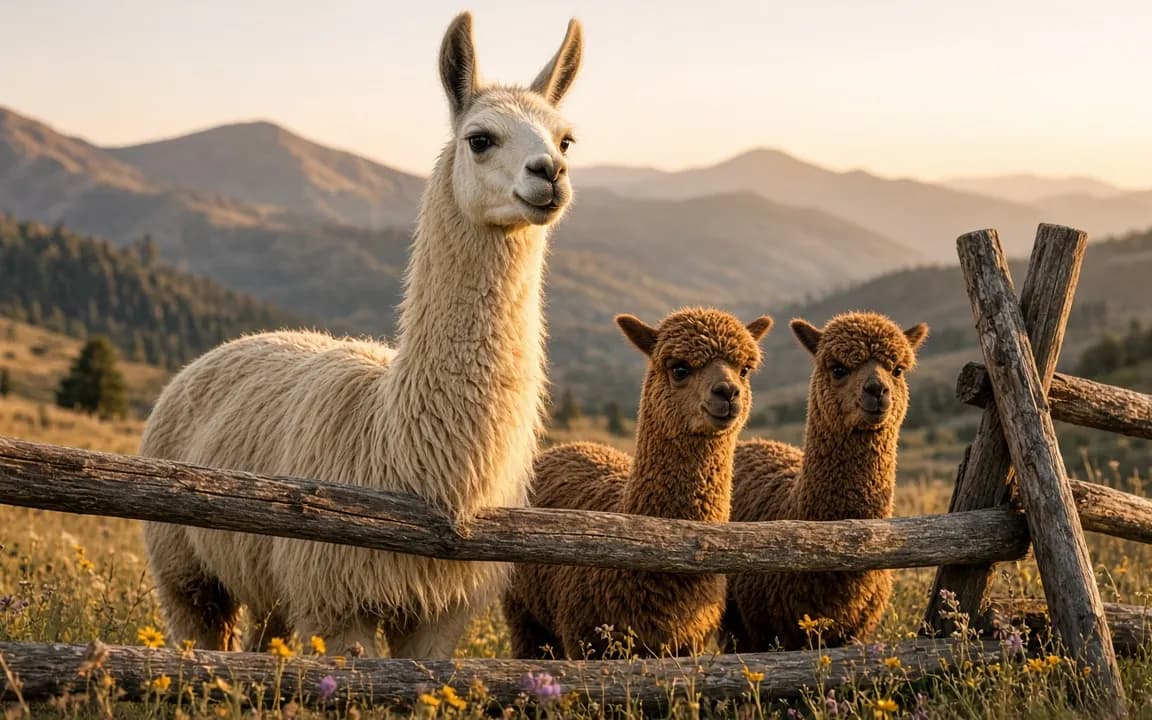
When an alpaca or llama dies: your aftercare options
When an alpaca or llama dies: letting the herd say goodbye, clipping fleece first, cremation for a 120 to 450 lb camelid, necropsy, burial rules and costs.
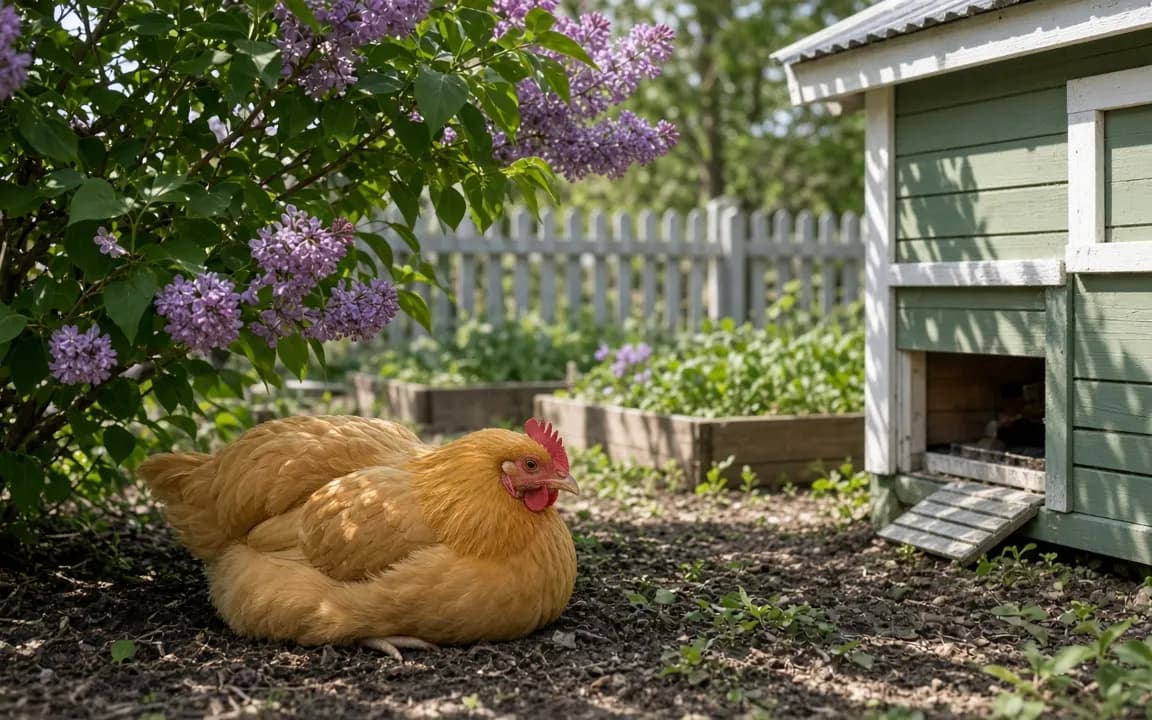
Your backyard chicken died: what to do next
A backyard hen has died. How to rule out bird flu, handle the body safely, bury it deep enough to beat foxes, cremation costs, and helping the flock settle.
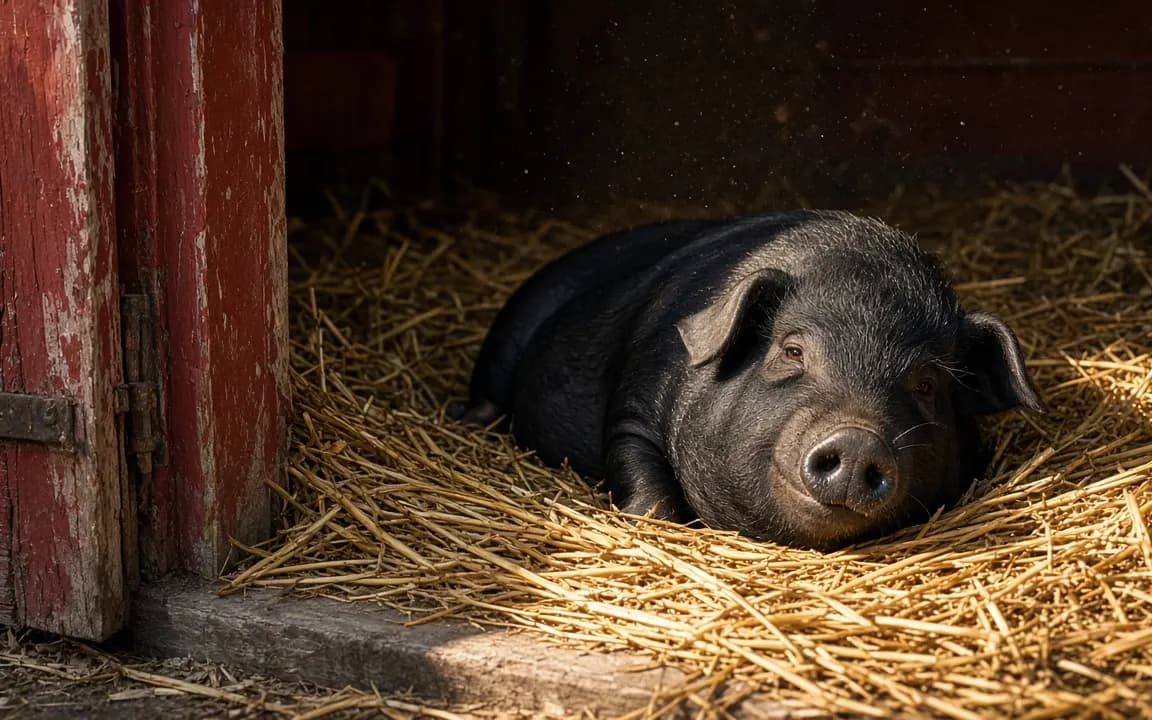
Can you bury a pet pig on your own property?
Burying a pot-bellied or kunekune pig at home: state depth and setback rules, why England says no, euthanasia drug risks, hole size and the alternatives.
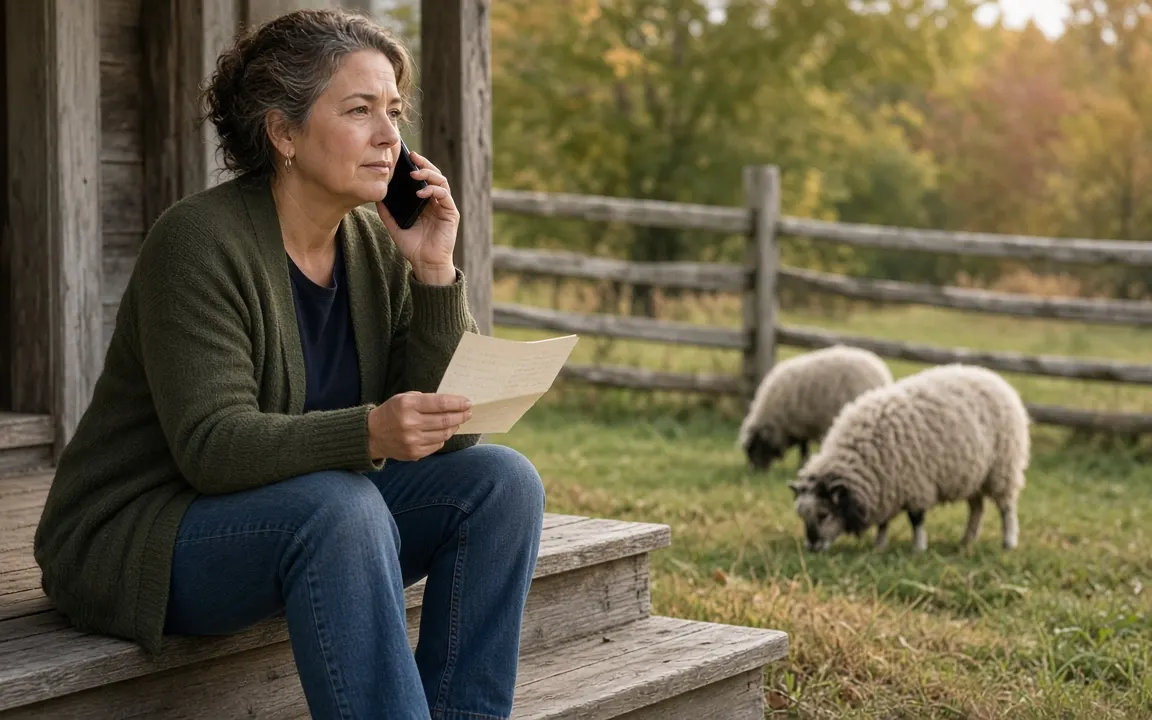
How to compare cremation quotes for a goat, sheep or pig
How to read and compare written cremation quotes for a goat, sheep, pig or alpaca: what each line should say, the extras that surprise people, and red flags.
Which farm animal aftercare is really greener? Weighing the claims
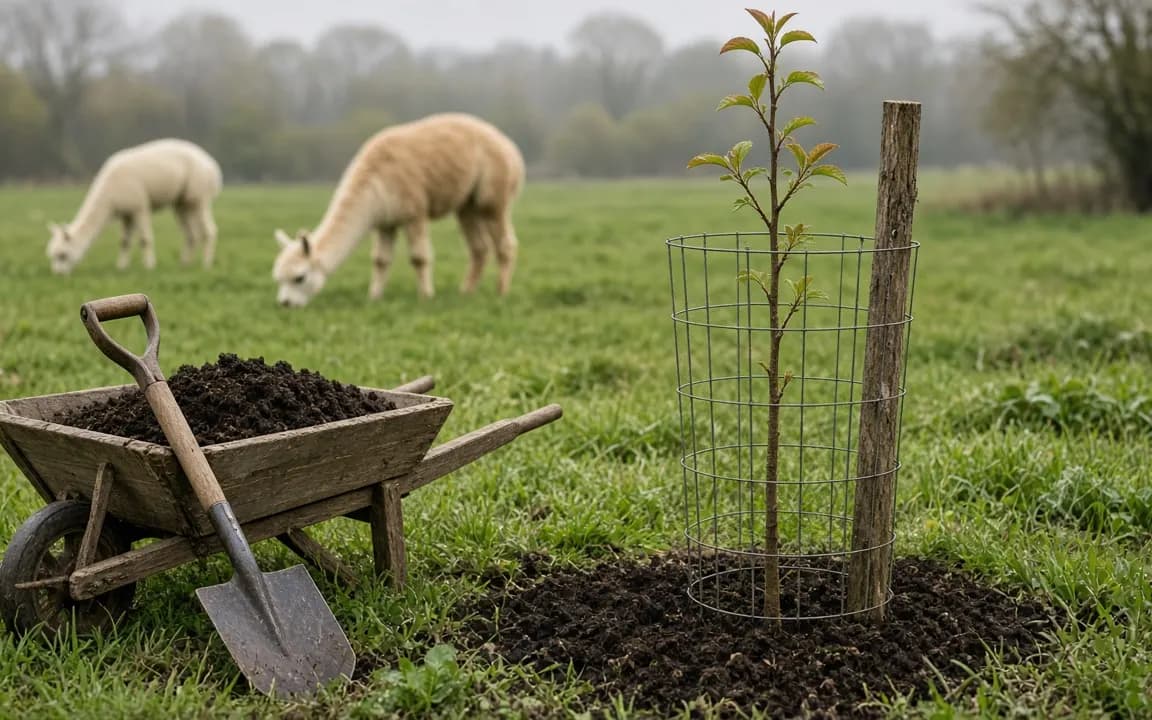
Flame cremation, aquamation, composting, burial or rendering: what the evidence says about each for a goat, pig or alpaca, and how to test a green claim.
Grieving a goat, pig, donkey or hen that was never "just livestock"
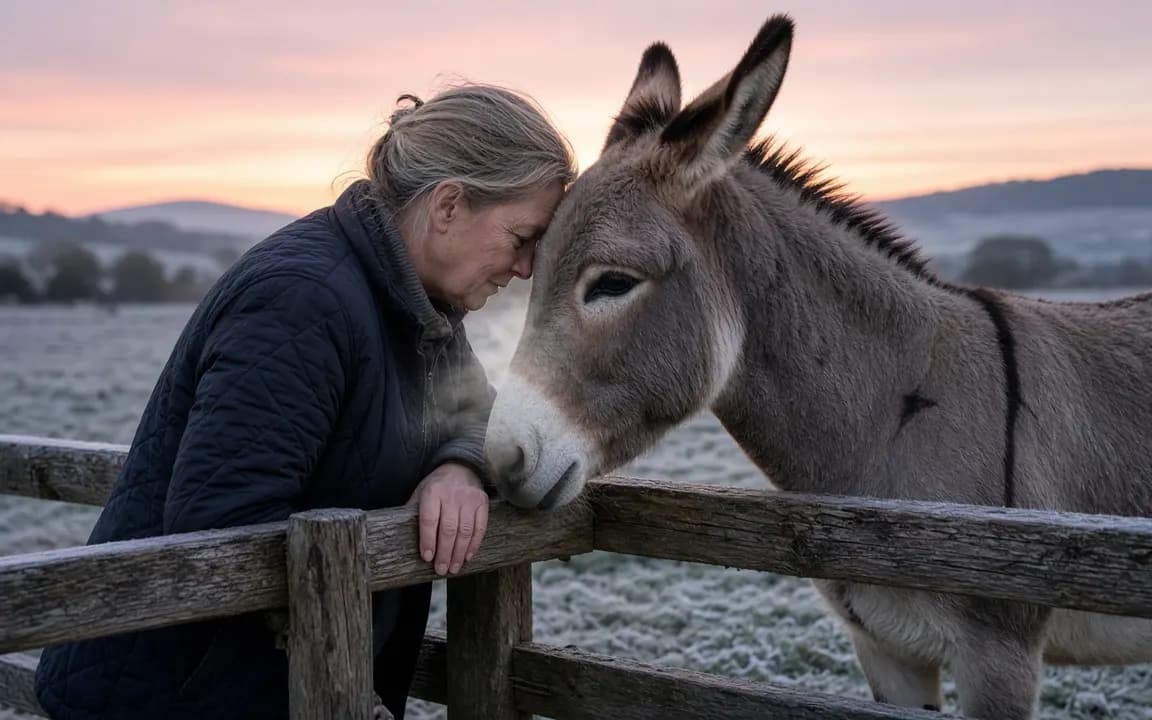
Grieving a named goat, pig, donkey or hen: why chores hurt, how the surviving herd mourns, living with guilt, and when to bring in a new companion.
Make a farm animal aftercare plan now, while everyone's healthy
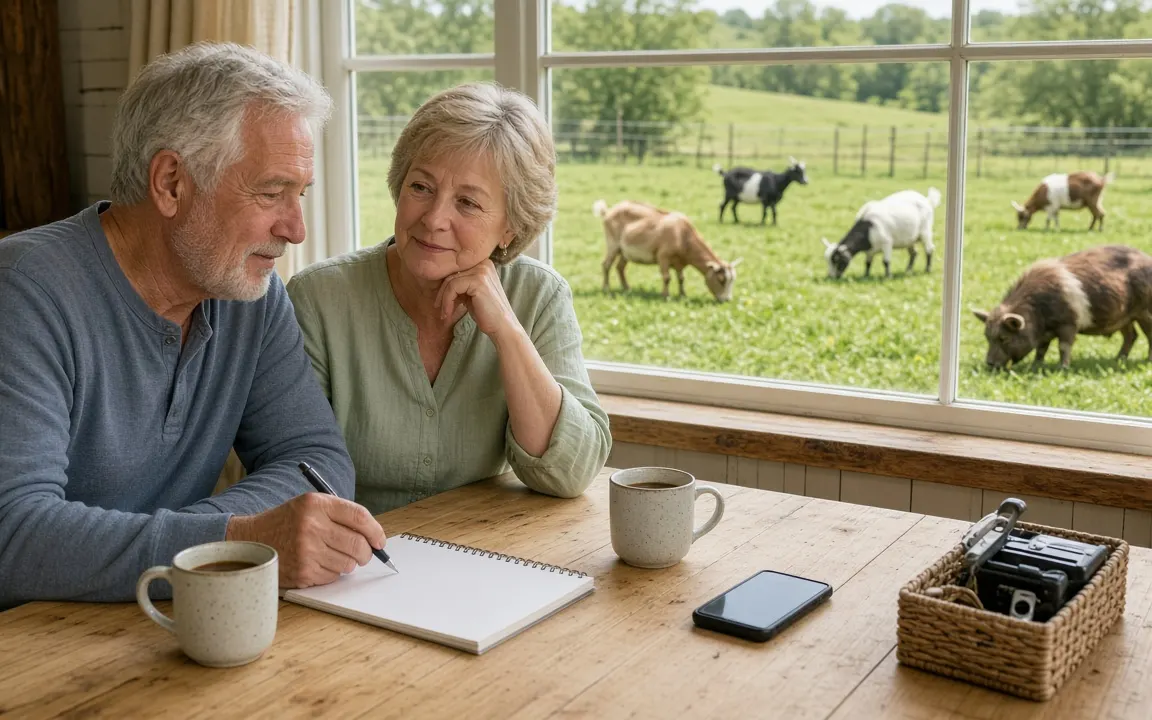
Build an aftercare plan while your goats, pigs, alpacas or donkeys are well: phone list, weight limits, trailer access, hot-weather steps, budget and pre-pay.
Private or communal cremation for your farm animal: which is right?
What private, partitioned and communal cremation mean for a farm animal, how far apart the prices get as weight rises, and how communal differs from rendering.
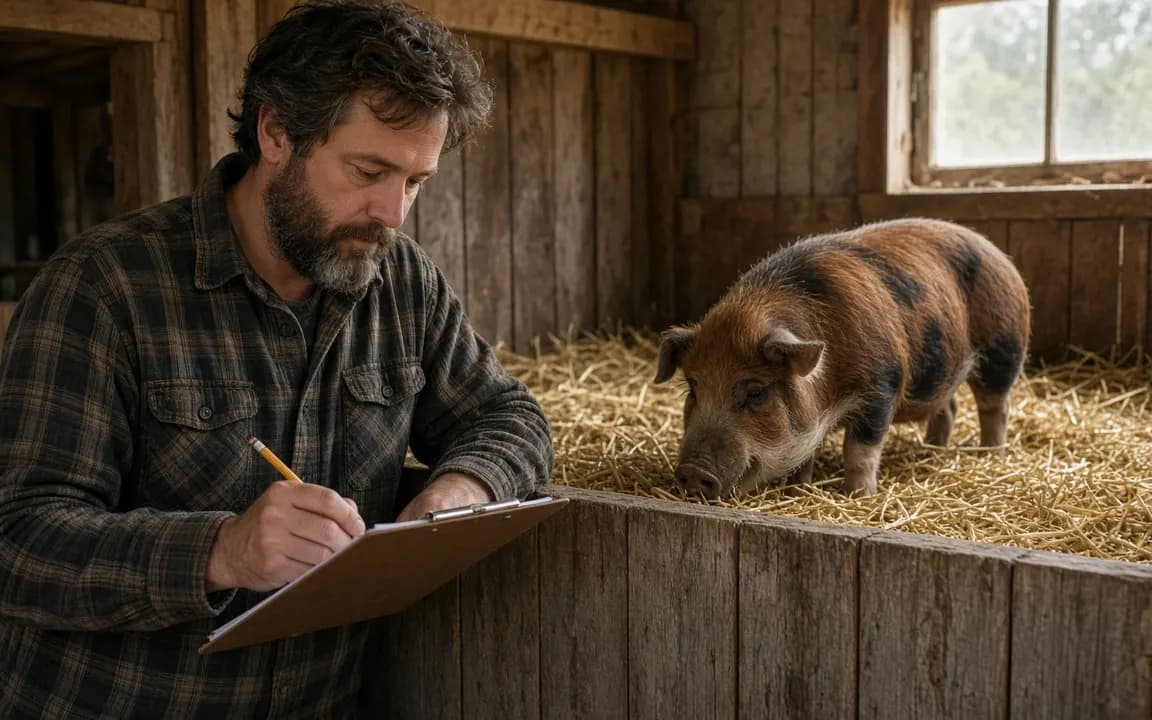
What to ask a cremation provider before they take your farm animal
The questions to ask before a crematory takes your goat, pig, sheep or alpaca, stage by stage, with what a clear, trustworthy answer sounds like.
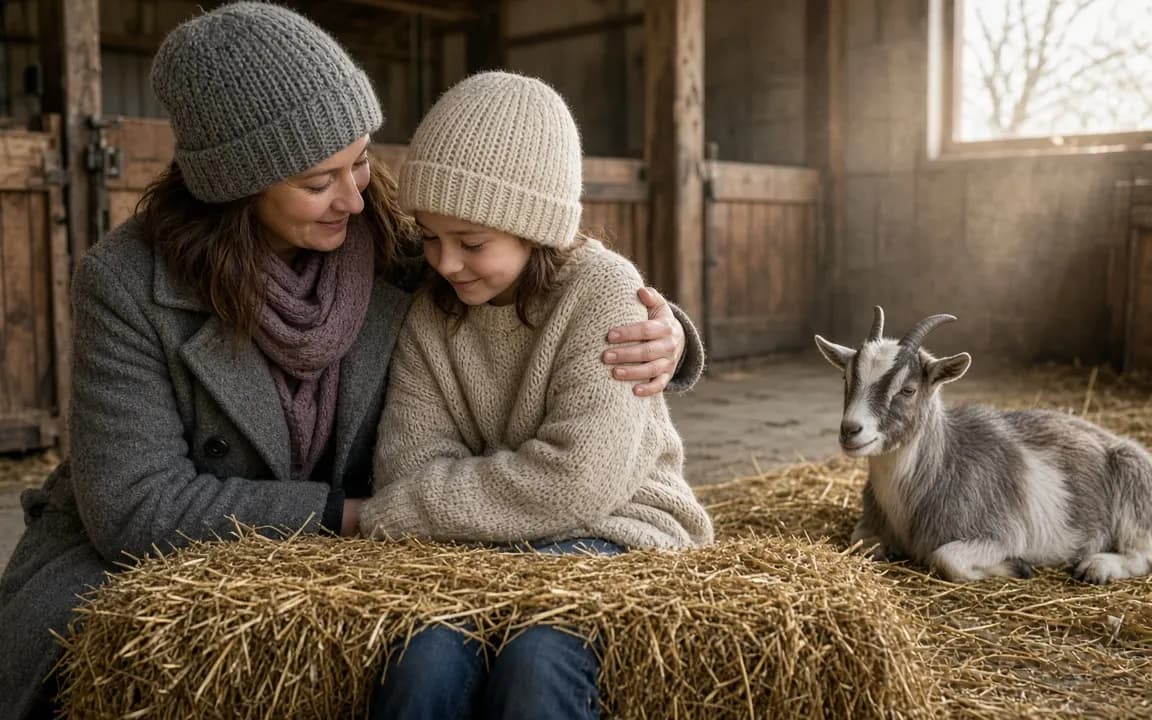
What to say to your child when a farm animal dies
Words to use and avoid by age, plus honest answers to "Will Daisy be eaten?", predator attacks, guilt over an open coop, euthanasia and where the body goes.
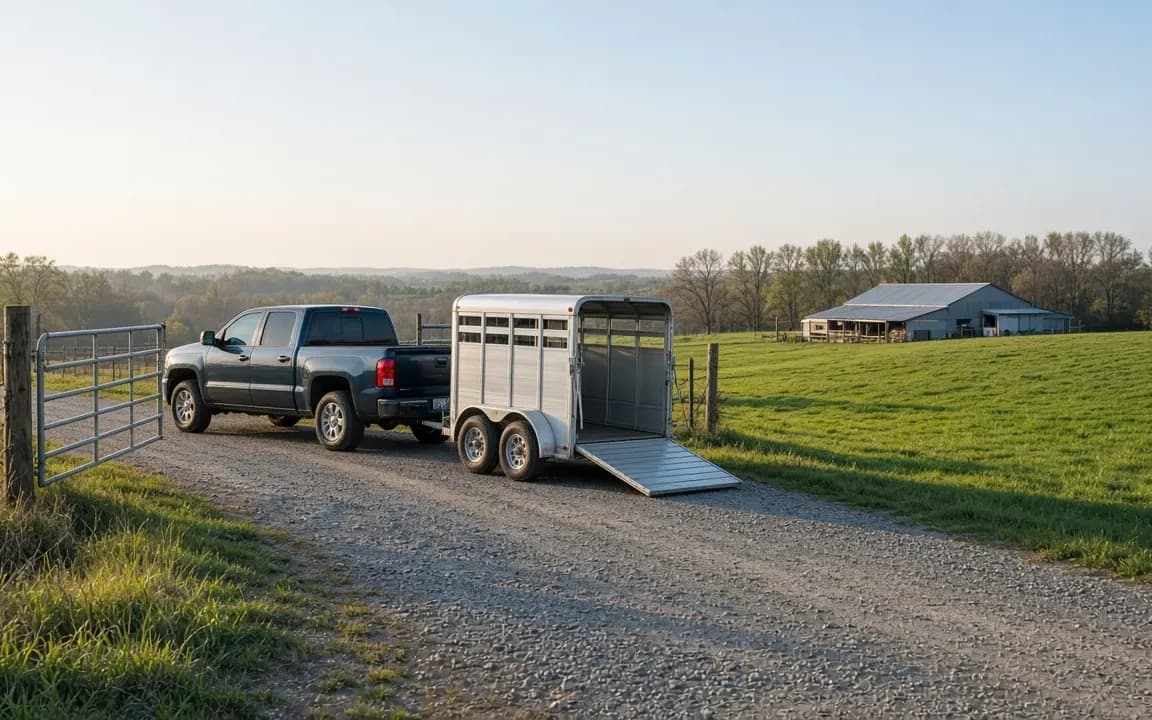
How to move a goat, pig or alpaca that has died, without hurting yourself
How to move a dead goat, sheep, pig, alpaca or donkey safely: how many helpers, tarp and sled drags, tractor buckets, trailers, lifting and truck cleanup.
What happens when your farm animal is cremated, step by step
From the farm gate to the urn: how a goat, sheep, pig or alpaca is collected, identified, cremated and returned, how long each step takes and what comes back.
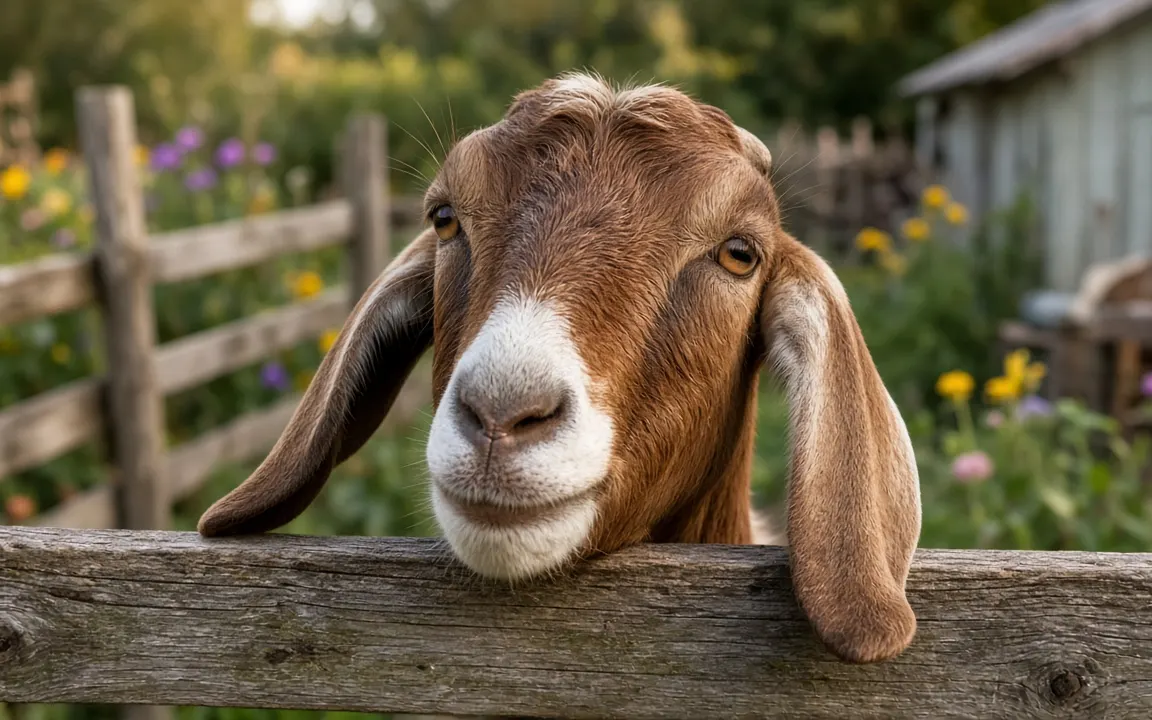
What to do when your pet goat dies
Your goat has died. What to do in the first hour and first day: bloat timing, whether to ask for a necropsy, caring for the herd buddy, and aftercare costs.
If it's happening now
What should you read first if your animal has just died?
Time matters more with farm species than with a dog or cat. Ruminants bloat quickly, and rules are strict: Pennsylvania, for instance, expects a dead domestic animal to be dealt with within 48 hours[2]. Start with the practical basics, then the decisions. Penn State Extension's mortality disposal guide is a good example of what a state expects.
- Moving a heavy animal safely: transport and logistics when a farm animal passes covers tarps, sleds, ramps and how many people you need.
- Species-specific first steps: articles for a pet goat, a pig, an alpaca or llama and backyard chickens are in the list below.
- What happens after collection: what happens during farm animal cremation follows your animal from the gate to the urn.
Costs and choices
How do you choose a provider and a price you're comfortable with?
Very few people shop around for pet cremation: 89%[3] of UK buyers never compared providers. With farm animals, where quotes vary widely, one extra call often changes the answer. Three articles help.
- How to compare farm animal cremation quotes, with a worked three-quote example.
- Private vs communal cremation for farm animals, and why communal isn't the same as rendering.
- Questions to ask a farm animal cremation provider, with what a clear answer sounds like.
Communal cremation is 2x to 5x cheaper[4] than private for the same weight, according to UK regulators, so the choice matters most for big animals. For a figure for your own animal, try the cost calculator. Our services page sets out every route in one place.

Free tool
Cremation cost calculator
Estimate a realistic price range for your pet's size, location and the type of cremation.
The people and the herd
How do you cope, and what do you tell the children?
Grief for a farm animal is often dismissed, even by kind people. In the RSPCA's pet-loss survey, 34.5%[5] of bereaved owners had been told "it's just a pet"; keepers of goats and pigs often hear something harsher. Yet 66.9%[6] were surprised by how strongly they grieved.
Our article on grief after losing a farm animal covers the daily routines that catch you out and how to care for a companion animal who is pining. For families, talking with children about losing a farm animal has words for the hardest questions. The poll results show what other keepers found hardest.
Did you let the rest of the herd or flock see the body before it left?
Tap an answer to vote and see how others answered. Anonymous.
Rules and the environment
Can you bury, compost or choose a greener option?
Rules differ sharply by place and species. In England, pet pigs, sheep and goats can't normally be buried at home. In the US, many states allow burial with depth and distance rules, and composting is widely used: 85%[7] of poultry carcasses in one large bird flu outbreak were composted.
Our article on evaluating environmental claims in aftercare compares flame cremation, aquamation, composting, burial and rendering, and shows how to test a provider's green claim. The livestock mortality planner helps size a compost pile or burial pit where it's legal, and our local pages summarize the rules near you.
Before you need it
Is it worth planning while your animals are still well?
It's the single most useful thing a keeper can do. A written plan with a crematory's number, a weight estimate and a place to keep the body cool turns a panicked weekend into a manageable one. Our article on pre-planning farm animal aftercare walks through it.
Good farms plan for births. The kindest ones plan for goodbyes too.
Do you have a plan for when one of your older animals dies?
Tap an answer to vote and see how others answered. Anonymous.
Our standards
How do we research and check each article?
Figures come from regulators, university extension services, published studies and price lists, each linked to its source. Where farm species haven't been studied, we adapt the closest evidence and label it as our estimate. We don't invent stories, customers or reviews, and we're clear that we're a guide and request service, not a crematory. Read more on our research page. One example: by our estimate, a sheep or lamb lost on a US farm represents about $200 per head[8] in market value, which explains how the industry sees these deaths and why a family's view is so different.

Reader polls
What would you choose?
Vote anonymously and see how other readers answered. The results are live counts from people who visit this site, so they show real opinions, not a scientific sample.
Which of your animals are you thinking about today?
Tap an answer to vote and see how others answered. Anonymous.
What was (or would be) hardest about the practical side?
Tap an answer to vote and see how others answered. Anonymous.
What was the hardest part of losing your pet?
Tap an answer to vote and see how others answered. Anonymous.


Questions people ask
Who writes the articles on this blog?
Our small editorial team researches and writes each article specifically for keepers of farm species. We don't claim that a named vet or counselor wrote them. For medical questions, such as whether an animal is suffering or what caused a sudden death, your own vet is the right person to ask.
Is there an article for my species?
There are articles aimed at pet goats, pigs, alpacas and llamas, and backyard chickens, plus general articles that cover sheep, donkeys, ducks and geese. If your animal isn't covered directly, the general cost, cremation and logistics articles still apply, scaled to its weight.
Are the prices on the blog up to date?
Each article shows the date it was last reviewed. We use published figures where they exist and label our own estimates. Prices change with fuel, distance and local demand, so treat our numbers as a planning range and ask any provider for a current written total.
Can I get help with my own animal's aftercare?
Yes. Use the form on this page to tell us the species, a rough weight and where you are. We'll reply by email with options and prices from providers who take farm animals in your area. We don't collect animals or run crematories ourselves.
Do the articles cover UK rules as well as US ones?
Where they differ in ways that matter, yes. The biggest difference is that England treats pet pigs, sheep and goats as farmed animals for disposal, so home burial generally isn't allowed. Most practical advice about moving animals, comparing quotes and grieving applies wherever you live.


Sources and our estimates
- [1] About 500,000 U.S. adult goats and kids died in 2015, equal to 9.8% of the adult goat inventory and 19.4% of kids born; losses were valued at $69.6 million. USDA APHIS NAHMS - Goat and Kid Predator and Nonpredator Death Loss in the United States, 2015, 2015.
- [2] Pennsylvania requires a dead domestic animal to be properly disposed of within 48 hours of death. Penn State Extension - Livestock and Poultry Mortality Disposal in Pennsylvania (J. Craig Williams, updated Oct 2025), 2025.
- [3] 89% of UK owners who bought a pet cremation did not compare different providers; 9% did. UK Competition and Markets Authority - Veterinary services for household pets, Provisional decision report Part A (Oct 2025), 2025.
- [4] The CMA found communal cremations are two to five times cheaper than the individual equivalent for the same pet weight. UK Competition and Markets Authority - Final report Appendix K: Cremations pricing, mark-ups and costs (24 Mar 2026), 2026.
- [5] 34.5% of bereaved pet owners were told 'it's just a pet'. RSPCA — Pet Loss Survey Results, 2026.
- [6] 66.9% of respondents were surprised by how intense their grief was after losing a pet. RSPCA — Pet Loss Survey Results, 2026.
- [7] Composting was used for 85% of poultry carcasses in the 2014-2015 U.S. HPAI outbreak; EPA lists composting and permitted landfills as the preferred disposal methods. U.S. EPA - Carcass Management During Avian Influenza Outbreaks, 2015.
- [8] The average value lost per dead sheep or lamb in 2019 was about $200; for goats and kids in 2015 it was about $139. Our estimate: $121.6 million / 607,000; $69.6 million / 500,000. How we calculate.
Get farm animal aftercare options by email
Tell us what you need and where you are. We'll reply by email with clear options and prices so you can decide in your own time.