What happens when your farm animal is cremated, step by step
Your animal is collected, tagged, cremated alone or with others, cooled, and the remains processed into ash, usually returned within 5-10 days[1]. Knowing each step makes the hand-over at the gate a little easier.
By the Farm Animal Cremation Services editorial team · Updated September 24, 2026 · 5 min read · Sources
- Every step from collection to return
- How long a goat, pig or llama takes
- What happens to ear tags, fleece and metal
The short answer
What actually happens during farm animal cremation?
Your animal is collected from the farm or your vet, given an identification tag, and placed in a cremation chamber heated by gas or propane. Over a few hours the body is reduced to bone fragments, which are cooled, checked for metal and ground into the fine ash families receive. With private cremation, the ashes come back to you in a container with the ID tag and, often, a certificate.
The process is the same one used for dogs and cats, scaled up. What changes for farm species is the lifting, the chamber size and the time. A hen takes very little; a 350 lb llama may need a large-animal crematory and most of a day. Here's what each stage involves.
Step one
How is a farm animal collected and moved?
For small animals, a driver may come alone with a padded stretcher or carrier. For a goat over about 100 lb, a sheep or a pig, expect two people and equipment: a slide sheet or sled, a ramp, and for the heaviest animals a winch on the vehicle. The crew wraps the body in a blanket or shroud and lifts it into a covered van or trailer.
How the body is handled matters to people. In one US survey, 64%[2] of owners said a trash bag was an unacceptable container for a pet's body, while most found a blanket or shroud acceptable. You're entitled to ask how your animal will be wrapped and covered during the journey.
If you're moving the animal yourself, or getting it to a spot a vehicle can reach, our guide to transport and logistics when a farm animal passes has safe lifting methods.
Step two
How does the crematory keep track of your animal?
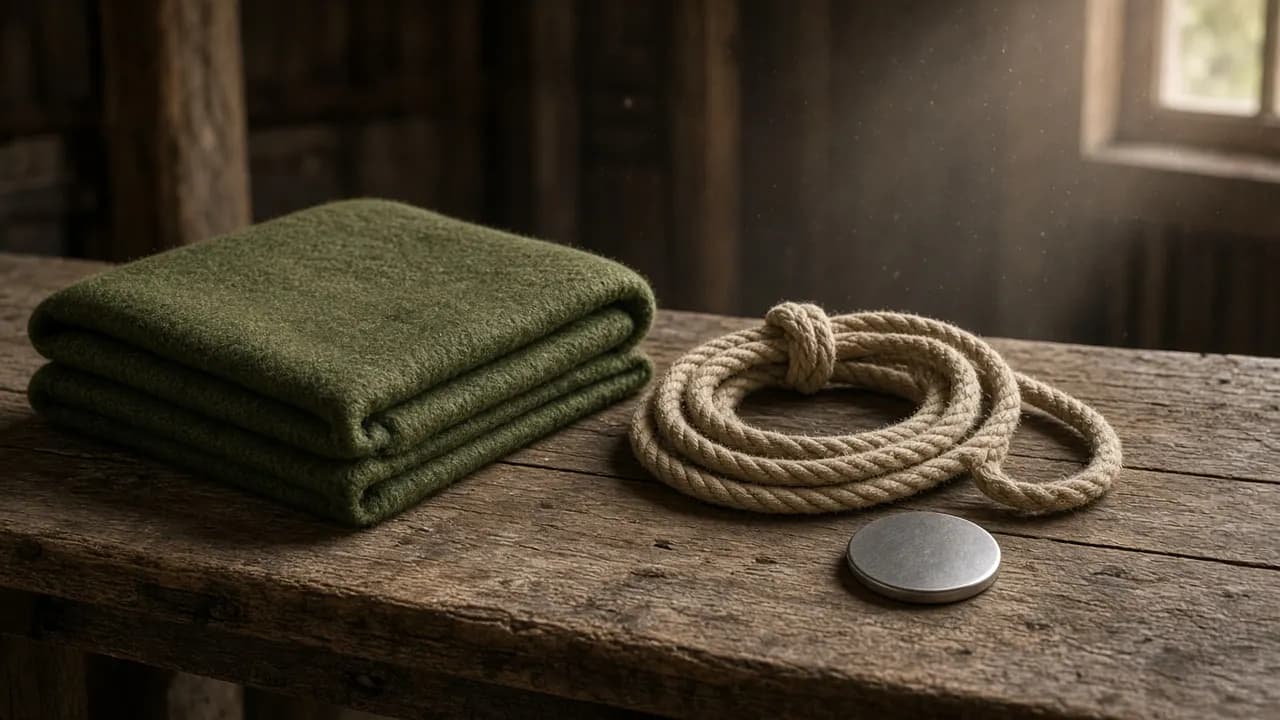
Good providers attach a numbered tag or disc as soon as they take charge of your animal, and log it with your name, the species and the weight. Many use a stainless steel or ceramic disc that goes into the chamber with the body, survives the heat, and comes back to you with the ashes as proof they belong together.
Farm animals may already carry identification: an ear tag, a tattoo or a microchip. Ear tags are usually removed before cremation, and you can ask to have them returned; many keepers keep the tag as a memento. If you'd like proof of identity at each step, ask. Our list of questions to ask a farm animal cremation provider covers what a clear answer sounds like.
Step three
What happens inside the cremation chamber, and how long does it take?
The chamber is a brick-lined oven heated to very high temperatures, and a second chamber burns off smoke and odor. Under GOV.UK's rules for animal incinerators, exhaust gases must be held at 850°C for two seconds[3]. Your animal is placed on the chamber floor, alone for a private cremation, and the burners run until only bone fragments remain.
| Animal | Typical weight | Likely chamber | Rough time including cooling |
|---|---|---|---|
| Hen or duck | 2 to 8 lb | Small pet unit | Under 2 hours |
| Pygmy goat or lamb | 30 to 80 lb | Standard pet unit | 2 to 4 hours |
| Ewe, dairy goat or alpaca | 100 to 200 lb | Large pet unit | 3 to 6 hours |
| Pot-bellied pig | 120 to 250 lb | Large pet unit | 4 to 7 hours |
| Llama, donkey or large pig | 300 to 600 lb | Large-animal or equine unit | Most of a working day |
These are our own rough estimates. A commercial unit rated for large loads averages about 250 lb/hour[4] once hot, and some agricultural models take loads of up to 1,500 lb[5], but heating up, fat content and cooling time all add hours. Pigs, which carry more fat, can take longer than a goat of the same weight.
The details people ask about
What happens to fleece, halters, ear tags and metal?
- Fleece, wool and feathers burn away completely. If you want a lock of fleece or a few feathers, take them before collection; nothing can be recovered afterward.
- Halters and collars are usually removed. Leather and cotton could go into the chamber, but most families prefer to keep them.
- Ear tags and bells are removed before cremation. Ask for them back if you want them.
- Surgical metal, such as pins from an old leg repair, survives cremation and is removed with a magnet during processing. It's usually recycled unless you ask to keep it.
- Items sent with your animal, like a blanket, a letter or a handful of hay, can often be cremated with them. Ask first; plastic and rubber are usually removed.
Which keepsake would mean the most to you?
Tap an answer to vote and see how others answered. Anonymous.
Step four
How are bone fragments turned into ashes, and how much comes back?
Once the chamber cools, the remaining bone fragments are swept out, checked for metal, and put through a processor that reduces them to the soft, pale grey or white powder people think of as ashes. What you receive is almost entirely bone mineral.
The amount depends on weight and bone density. The closest measurement is a study of human cremations, where remains averaged 3.5%[6] of body weight in adults, and one pet insurer's guide gives 3-5% of body weight[7]. So a 70 lb pygmy goat returns two to three and a half pounds, a 180 lb alpaca five to nine pounds, and a very large animal a great deal more: a 1,100 lb horse returns roughly 38.5 lb[8] on our estimate.

Free tool
Ashes weight estimator
See roughly how much ash to expect back, by species and body weight.
Use the ashes weight estimator above for your animal's figure, then the urn size calculator to match it to a container.
Step five
How long until the ashes come home?
Many US providers return private cremation ashes within about 5-10 days[1]. Some are quicker; one London council crematorium lets owners collect after 3 days[9]. Large animals, busy seasons and witnessed cremations can add time, while paying for a rush service can shorten it.
The ashes usually come in a simple box, bag or scatter tube, with the ID disc and often a certificate naming your animal and the date. You can choose a permanent urn later. If you plan to scatter them on the farm, our guide to creating a farm memorial corner explains how to use a large quantity of ash without harming plants. Our local pages show providers near you, and the poll results show where other keepers chose to keep the ashes.
Knowing what happens behind the door doesn't make the goodbye smaller. It just makes it clearer.
Being there
Can you be present for your animal's cremation?
Some providers offer a witnessed cremation, where you can be there as your animal is placed in the chamber, or wait on site and take the ashes home the same day. It usually costs more and must be booked ahead, and not every crematory has a viewing space. For large farm animals it can be harder to arrange, because the cremation takes longer.
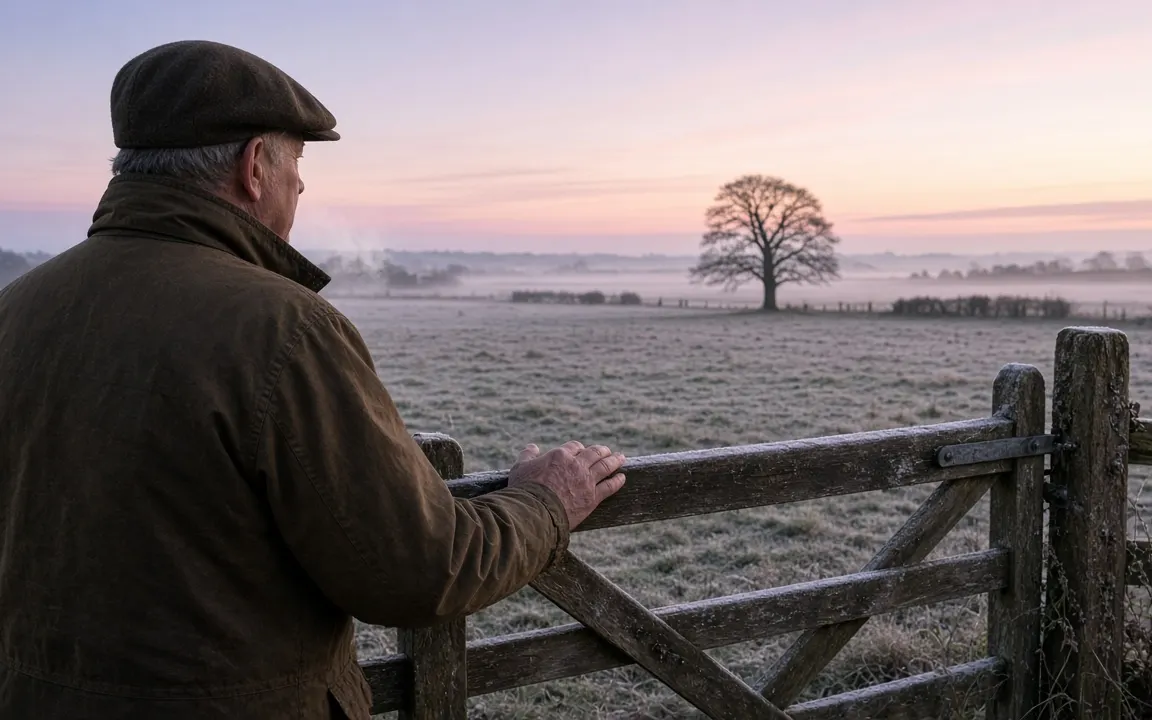
Many families find it comforting; others prefer to say goodbye at the farm gate and remember the animal in the field. Either is right. If you'd like to explore options, tell us about your animal and we'll reply by email with providers near you. Our services page and the guide to private vs communal cremation explain the choices that shape the process.
Did you let the rest of the herd or flock see the body before it left?
Tap an answer to vote and see how others answered. Anonymous.

Reader polls
What would you choose?
Vote anonymously and see how other readers answered. The results are live counts from people who visit this site, so they show real opinions, not a scientific sample.
Did you let the rest of the herd or flock see the body before it left?
Tap an answer to vote and see how others answered. Anonymous.
Which keepsake would mean the most to you?
Tap an answer to vote and see how others answered. Anonymous.
Where would you prefer your pet's final moments to happen?
Tap an answer to vote and see how others answered. Anonymous.


Questions people ask
Is my animal cremated alone?
Only if you choose private cremation and the provider confirms it. In communal cremation several animals share the chamber and no ashes are returned. Partitioned cremation shares the chamber with separation between animals. Ask for the type in writing, and for large farm animals, ask whether the chamber can hold your animal alone.
How long does it take to cremate a goat?
A small goat of 50 to 80 lb usually takes two to four hours in the chamber, including cooling, and a large dairy goat longer. The total time before you get the ashes back is typically a week or two, because providers schedule cremations and process the remains afterward.
Why are farm animal ashes sometimes gritty or uneven?
Processing grinds bone fragments into powder, but the fineness varies by machine and by provider. Larger animals with dense bones can produce coarser ash. It's normal and doesn't indicate anything wrong. If you plan to use the ashes in jewelry or glass, ask whether a finer grind is possible.
Can I get my goat's horns or a hoof back?
Horns and hooves are keratin and burn away during cremation, so they can't be returned afterward. If you'd like to keep them, speak to your vet before collection; some keepers arrange for horns to be removed and cleaned. It's a personal choice and not every provider can help with it.
Do crematories need a license to cremate animals?
Rules vary. Some US states license pet crematories specifically; New York, for example, requires a pet crematorium licence, and all incinerators need environmental permits. In the UK, animal incinerators need government approval. You can ask any provider which permits they hold and whether operators have completed industry training.
What color are farm animal ashes?
Usually pale grey to off-white, sometimes with slightly darker flecks. The shade depends on the animal's bones, diet and the cremation temperature. Ashes from aquamation, the water-based method, tend to be whiter and finer. Neither color tells you anything about the quality of the cremation.


Sources and our estimates
- [1] A US aftercare guide says many families receive private cremation ashes within about one to two weeks, with 5-10 days commonly quoted. Funeral.com - Pet Cremation Timelines: How Long Until Ashes Are Returned, 2026.
- [2] 64% of US owners rated a trash bag as an unacceptable container for a deceased pet; 66.1% rated a blanket/shroud acceptable. Cooney, Kogan, Brooks, Ellis - Pet Owners' Expectations for Pet End-of-Life Support and After-Death Body Care, Topics in Companion Animal Medicine (2020), 2020.
- [3] UK incinerators burning animal carcasses need APHA approval (low capacity under 50 kg/hour) and must hold exhaust gas at 850C for 2 seconds or 1100C for 0.2 seconds. GOV.UK - Animal by-products: how to burn them at an incinerator site, 2025.
- [4] A commercial pet crematory rated for 1,000 lb loads cremates at an average of about 250 lb per hour (manufacturer specification). B&L Cremation Systems (manufacturer) - BLP-1000 Pet Crematory specifications.
- [5] An animal incinerator sized for agricultural and animal-control use holds up to 1,500 lb per load with a maximum burn rate of 250 lb per hour (manufacturer specification). B&L Cremation Systems (manufacturer) - BLI-1500 Animal Incinerator specifications.
- [6] In a study of 100 commercial human cremations, cremated remains averaged about 3.5% of total body weight in adults, 2.5% in children and about 1% in fetuses; this is the benchmark most pet crematories adapt for animals. Warren MW, Maples WR. The anthropometry of contemporary commercial cremation. Journal of Forensic Sciences, 1997 (PMID 9144931), 1997.
- [7] Embrace notes cremated remains typically weigh about 3-5% of the pet's original body weight. Embrace Pet Insurance - Bury or Cremate Your Dog? Costs, Pros & Cons, 2025.
- [8] A 1,100 lb horse would be expected to return roughly 38.5 lb of cremated remains (plausible range 33-55 lb). Our estimate: 1,100 lb x 3.5% (range 3%-5%). How we calculate.
- [9] London's Lambeth Council pet crematorium says owners can pick up their pet's ashes 3 days after the service. Lambeth Council (London) - Arranging your pet's cremation, 2026.
Arrange a cremation you understand
Tell us what you need and where you are. We'll reply by email with clear options and prices so you can decide in your own time.