How big an urn does a goat, sheep or alpaca need?
Cremated remains come to about 3-5% of body weight[1], so a 150 lb alpaca needs an urn several times the size of a cat's. Enter a weight and get the volume, a standard size and keepsake options.
- Volume in cubic inches and milliliters
- Standard urn size suggested
- Keepsakes and sharing worked out
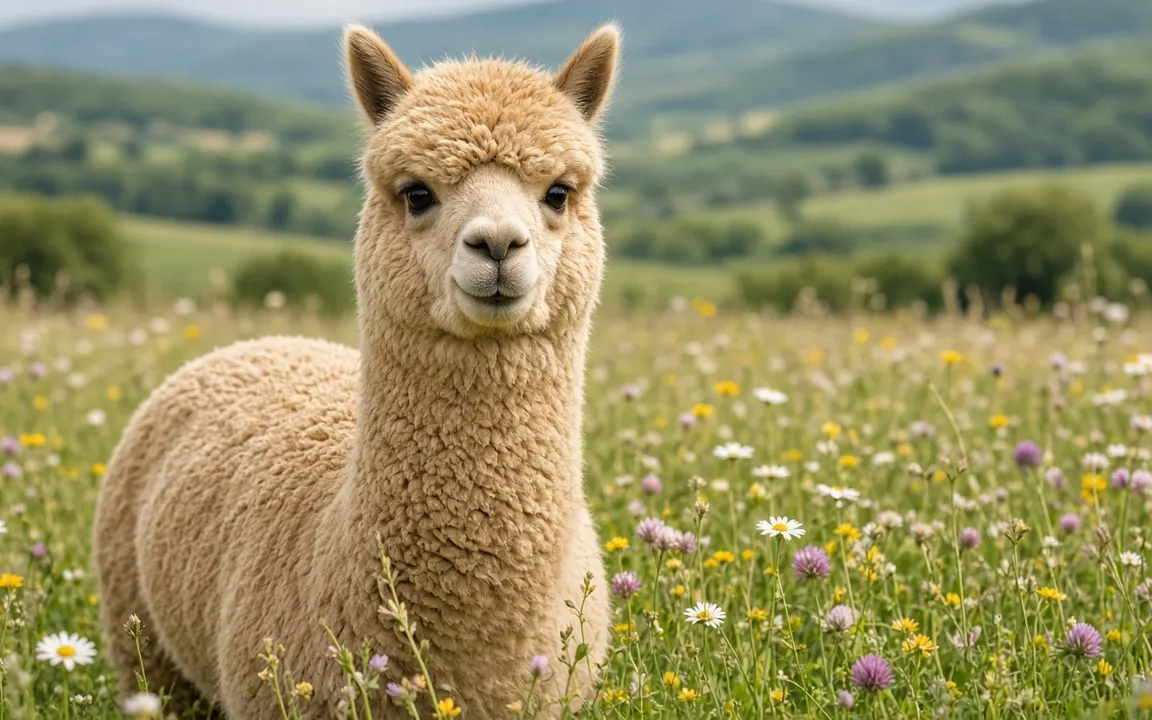
Urn size calculator
Enter your pet's healthy adult weight. We size the urn using the industry rule of 1 cubic inch per pound, plus 10% room to spare.
Recommended urn size
165 cu in (2,704 mL)
Look for: Extra large (200+ cu in)
| Total ashes (by volume) | 150 cu in (2,458 mL) |
|---|---|
| Expected ash weight | 4.5 lb–7.5 lb |
| Urn with 10% margin | 165 cu in (2,704 mL) |
Standard sizes: small up to 20, medium up to 60, large up to 120 and extra large 200+ cubic inches. If you're between sizes, choose the larger one.
Source: Embrace Pet Insurance - Bury or Cremate Your Dog? Costs, Pros & Cons; Our estimate. 1 cu in per lb is an industry rule of thumb
Next step: Find urns and prices near you →
Using the calculator
Three inputs, one clear answer
- Enter your animal's weight in pounds or kilograms. Use their healthy adult weight, not a weight after a long illness, since bone makes up most of the ash.
- Choose how many people will share the ashes, from one household to eight.
- Say whether you want keepsakes, small urns that hold a portion for each person.
The calculator returns a main urn volume in cubic inches and milliliters, a suggested standard size, the expected ash weight, and the volume set aside for keepsake urns if you ticked them.
The rule of thumb
How the urn volume is calculated
Urn makers use a simple rule: one cubic inch of space for every pound of body weight. The calculator adds a 10% margin, because ashes settle unevenly and it's awful to find the urn too small on the day you fill it.
It then matches the result to common urn sizes: small at about 20 cubic inches, medium 60, large 120 and extra-large 200 or more. Those sizes were designed around dogs and cats, which is why many farm animals land in extra-large or beyond.
The rule sits comfortably with published figures. By our estimate, a 1,100 lb horse would return about 38.5 lb[2] of ash, in line with remains weighing a few percent of the body. The volume rule deliberately errs on the generous side. For comparison, a study of 100 commercial cremations found adult human remains averaged about 3.5% of body weight.
Free tool
Ashes weight estimator
See roughly how much ash to expect back, by species and body weight.
Worked examples
Urn sizes for a hen, an alpaca and a llama
| Animal | Weight | Volume needed | Suggested urn |
|---|---|---|---|
| Buff Orpington hen | 7 lb | About 8 cu in (130 mL) | Small urn or keepsake |
| Pygmy goat | 65 lb | About 72 cu in (1.2 L) | Large |
| Huacaya alpaca | 150 lb | About 165 cu in (2.7 L) | Extra-large |
| Kunekune pig | 220 lb | About 242 cu in (4 L) | Large-animal urn, chest or two urns |
| Llama | 350 lb | About 385 cu in (6.3 L) | Custom chest, two urns, or scatter most |
Take the alpaca. At 150 lb she needs about 165 cubic inches. (For the steps before the urn, see aftercare options when an alpaca or llama dies.) If three grown-up children each want a share and a keepsake, set three people and tick keepsakes: the tool sets aside 9 cubic inches, splits the remaining 141 three ways and suggests about 52 cubic inches (847 mL) for each person, a medium. If they'd rather keep one main urn plus three keepsakes, take the 9 off yourself and add 10%, which gives about 155, still an extra-large. If the family plans to scatter most of the ashes on the pasture, a medium urn for a portion plus a scatter tube may be all you need.
Beyond extra-large
When your animal is too big for a standard urn
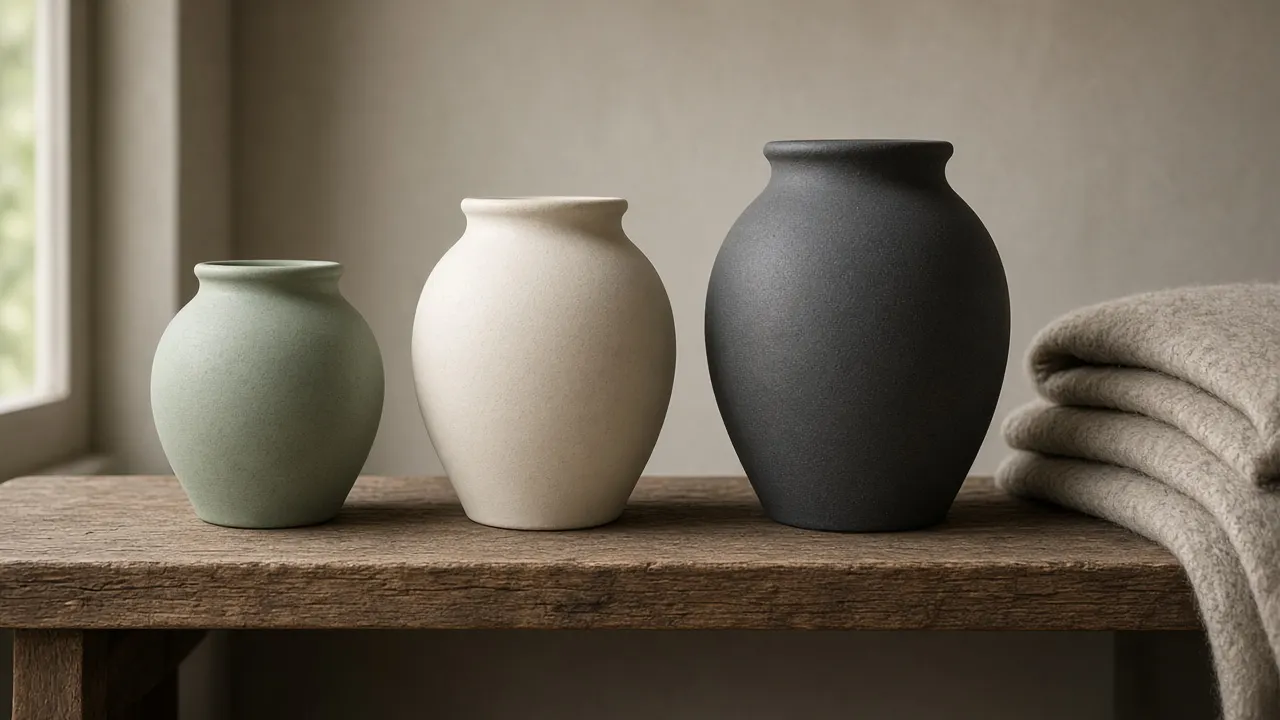
Llamas, donkeys and big pigs often produce more ash than any off-the-shelf pet urn holds. You have a few good options: a wooden memorial chest made to size, two matching urns, a human-size urn (usually around 200 cubic inches), or keeping a portion and scattering the rest.
Scattering is especially common on smallholdings. In England, where burying a pet pig, sheep or goat isn't permitted, scattering on your own land can be a meaningful alternative, since returned ashes aren't treated like a body. GOV.UK's fallen stock guidance sets out the burial ban and the approved routes for the body itself.
ban on livestock burial[3]
For ideas on where and how to place ashes outdoors, see creating a farm memorial corner and outdoor markers for hobby-farm companions.
Poultry
Urns for hens, ducks and small birds
At the other end of the scale, a hen returns very little. The UK alone has around 900,000[4] pet domestic fowl, and for most of them a keepsake urn or a small wooden box is plenty. Some keepers place a few feathers inside with the ashes.
If you've lost several birds over time, a single shared memorial for the flock can work better than a row of tiny urns. The same goes for a pair of bonded goats cremated together.
Which keepsake would mean the most to you?
Tap an answer to vote and see how others answered. Anonymous.
Limits and next steps
What the calculator can't know, and what to do next
Urn capacity labels aren't standardized, and decorative shapes hold less than their outside size suggests. Always check the stated internal volume. The calculator also can't tell you whether your provider returns ashes in a temporary container or a finished urn, so ask.
To see the expected ash weight rather than volume, use the ashes weight estimator. To budget for the urn alongside cremation and collection, try the memorial budget planner. If biodegradable urns for planting interest you, our page on evaluating environmental claims is worth a read. When you're ready, send us your animal's details and we'll find providers offering private cremation near you. Our services page explains private cremation, local pages show who works near you, and the poll results show where other keepers chose to keep ashes.

Reader polls
What would you choose?
Vote anonymously and see how other readers answered. The results are live counts from people who visit this site, so they show real opinions, not a scientific sample.
Would you want your animal's own ashes returned?
Tap an answer to vote and see how others answered. Anonymous.
Which keepsake would mean the most to you?
Tap an answer to vote and see how others answered. Anonymous.
Where are (or will be) your pet's ashes?
Tap an answer to vote and see how others answered. Anonymous.

Free tools to help you plan

Urn size calculator
Find the urn volume you need from your pet's weight, plus keepsake and sharing options.
Ashes weight estimator
See roughly how much ash to expect back, by species and body weight.

Memorial budget planner
Add up cremation, urn, keepsakes and a farewell so the total holds no surprises.
Questions people ask
What size urn do I need for a 100 lb goat?
About 110 cubic inches, using one cubic inch per pound plus a 10% margin. That's just under a standard large urn of 120 cubic inches, which should fit. If you want keepsakes too, a large urn still works for the rest.
Can I use a human urn for my pig or llama?
Yes. A standard adult human urn usually holds around 200 cubic inches, which suits animals up to roughly 180 lb. For bigger animals, you may need two urns, a custom chest, or to scatter part of the ashes.
Should I use my animal's current weight or healthy weight?
Use the healthy adult weight. Ash is mostly bone, and bone mass doesn't drop much when an animal loses condition in a final illness. Using a lower weight risks ordering an urn that's too small.
Is it legal to scatter my goat's ashes on my land?
Generally yes. Cremated remains are not treated like a body, so the burial bans that apply to farm species in England don't cover scattering on your own land. Avoid scattering directly into watercourses, and ask permission before scattering on someone else's land.
How do I move the ashes from the provider's container into my urn?
Ashes usually come back in a sealed plastic bag inside a box or tin. The simplest way is to place the whole bag inside your urn, which avoids spills and keeps the ashes together. If the bag won't fit, pour slowly over a tray on a still day, using a funnel for narrow necks.


Sources and our estimates
- [1] Embrace notes cremated remains typically weigh about 3-5% of the pet's original body weight. Embrace Pet Insurance - Bury or Cremate Your Dog? Costs, Pros & Cons, 2025.
- [2] A 1,100 lb horse would be expected to return roughly 38.5 lb of cremated remains (plausible range 33-55 lb). Our estimate: 1,100 lb x 3.5% (range 3%-5%). How we calculate.
- [3] England bans the burial or open burning of fallen farm stock, but pet animals may be buried, and England (unlike Scotland and Wales) allows burial of both pet and non-pet horses. GOV.UK (Defra/APHA) - Fallen stock guidance, 2024.
- [4] There are about 900,000 domestic fowl (such as backyard chickens) kept as pets in the UK. UK Pet Food (formerly PFMA) Pet Population 2026, 2026.
Find a provider who returns ashes
Tell us what you need and where you are. We'll reply by email with clear options and prices so you can decide in your own time.