When a much-loved farm animal dies, where do you start?
The UK alone has about 900,000[1] domestic fowl kept as pets, and many goats, pigs and sheep are family members too. This quiz helps you treat them that way.
- For companions, not commercial stock
- Covers gates, weight and disease questions
- Nothing is sent unless you choose
Farm Animal Cremation Services · planning preferences
Farm Animal cremation: choose your next question
Use Farm Animal Cremation Services to choose your next farm animal cremation question, wherever you are worldwide. Select one guide topic, one detail to clarify and your current planning stage. The result repeats your choices and links to that guide. It does not estimate a price or confirm an arrangement.
Your choices stay in this page’s memory. They are shared only if you choose to send an email draft. Clear them below or reload to start again.
Prefer to ask our team directly?Question 1 of 3
Which decision would you like to explore first?
Farm Animal Cremation Services organizes this worldwide farm animal cremation selector around four guide topics. Choose the question closest to what you want to understand first. The next two choices identify one detail and your planning stage. You can change the topic later; selecting it does not submit an inquiry or authorize any arrangement.
About the quiz
What the farm animal quiz asks you to choose
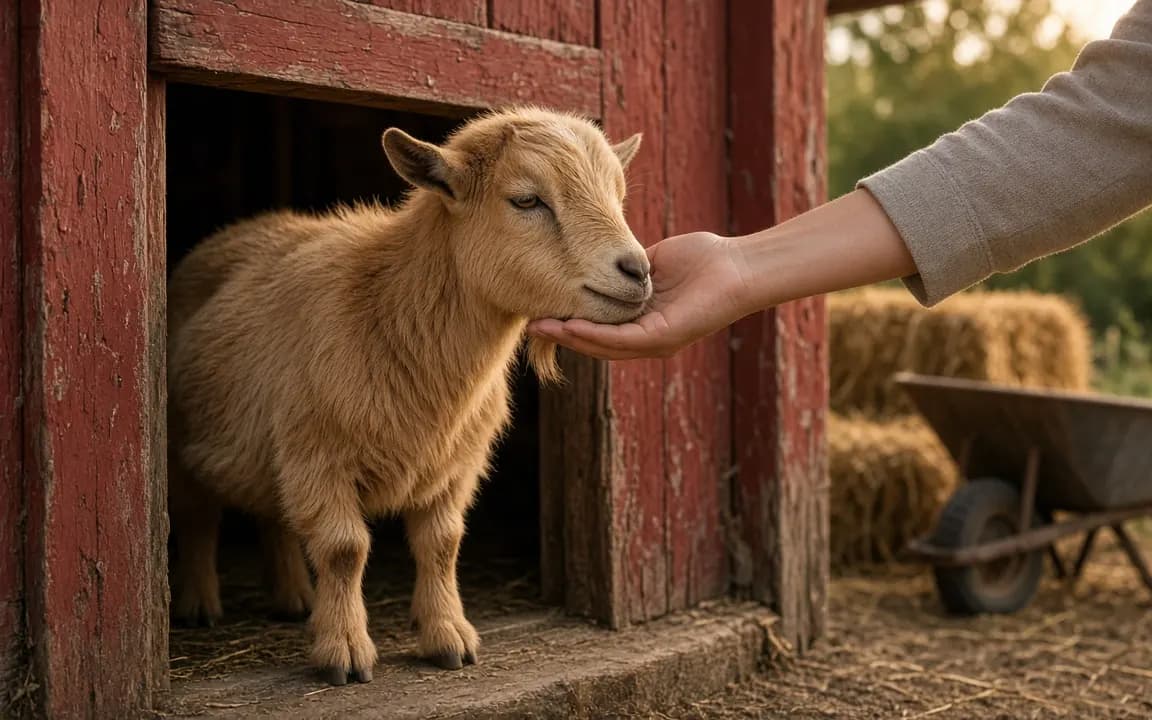
Most advice about dead farm animals is written for commercial producers: rendering contracts, composting piles, disposal deadlines. That's useful, but it doesn't speak to a family whose goat had a name, followed the kids around and slept in the barn doorway. The quiz above starts from that family's point of view.
Its first question offers four topics: outdoor markers for hobby-farm companions, helping children through the loss of a named animal, what aftercare costs for a hobby-farm companion, and creating a memorial corner on your land. The second asks which detail you need to clarify: species and name, weight, vet instructions and disease concerns, gate and collection access, who can approve care, and whether you want the animal's own ashes and any keepsakes.
The third asks where you are, from just reading to holding a written quote. There's no score. Your answers stay in this browser tab and lead to a guide, the farm animal planning worksheet and text you can copy.
After the quiz
Turning your result into something you can do today
Farm results often point to something physical. If the detail was gate access, walk out and look at the gate a collection vehicle would use, and the ground between it and where your animal is likely to be. If it was weight, a livestock weigh tape or an honest guess ("about the size of a large dog" or "heavier than me") is enough to start.
Press Copy my priorities and paste the text into a message to your large-animal vet or a provider. One important thing to say clearly in that message: that you want this animal treated as a companion, with its own ashes returned if that's your wish. A general "farm mortality" inquiry may be answered with rendering or disposal options instead.
The question behind the others
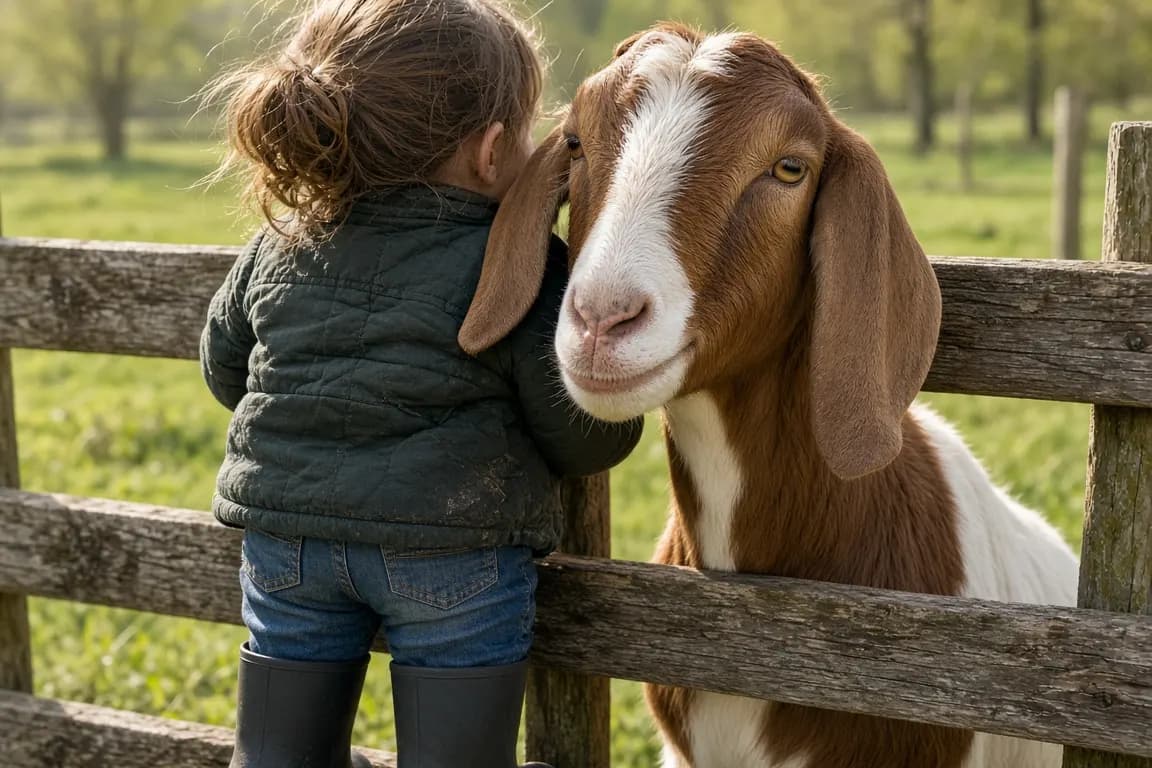
Companion or livestock: why the words you use matter
The same species can be treated very differently depending on how it's described. In England, for example, pet animals may be buried at home, but fallen farm stock may not, and must go through approved routes such as renderers or incinerators[2]. US rules vary by state: Pennsylvania expects a dead domestic animal to be disposed of within 48 hours[3], and several California counties give owners 24-48 hours[4].
You can check the wording yourself in England's fallen stock guidance and in Penn State Extension's summary of livestock mortality disposal. Our local pages collect the equivalent rules for other states and countries.
Those rules exist for good reasons, but they mean you should check your local position before assuming home burial is allowed. Our article on whether you can bury a pig on your property shows what to look for, and the same questions apply to goats and sheep.
How do you think of the animal you've lost, or are about to lose?
Tap an answer to vote and see how others answered. Anonymous.
Health first
When illness might affect the rest of your flock or herd
If the quiz points you to vet instructions, take it seriously, especially with poultry. The bird flu outbreak that began in 2022 has reached all 50 US states and affected about 179 million birds[5], and backyard flocks have been among those infected[6]. If hens die suddenly or several at once, call your vet or state animal health office before moving or burying them.
By our calculation from USDA figures, each infected premises averaged about 102,814 birds per premises[7], a number pulled up by huge egg and turkey farms. The USDA's avian influenza epidemiology report shows how many small backyard flocks were caught up too, which is why one hen's sudden death deserves a phone call.
The same caution applies to goats, sheep and pigs that die unexpectedly. A vet may want to examine the body, and some diseases must be reported. For a hen that died without warning, what to do when a backyard chicken dies walks through the first steps.
Money and size
How size and access shape the cost
A hen can be cremated much like a small pet. A 200 lb pig or a 150 lb goat needs a larger chamber, more handling and often a vehicle that can reach the barn. That's why weight and gate access carry so much weight in the quiz. The hobby-farm cost factors guide explains the main price drivers, and the calculator below gives a rough range by weight.

Free tool
Cremation cost calculator
Estimate a realistic price range for your pet's size, location and the type of cremation.
If you keep several animals and want to plan for more than one loss, the livestock mortality planner helps you think through numbers and options over a year. Our services page lays out every route side by side, and the poll results show which options other keepers leaned toward.
Next steps
Where the farm quiz leads next
Retake the quiz for another topic, or move to the worksheet to record everything. If children are part of the story, the guide to kids and named farm animal loss has gentle, honest wording. When you're ready for options, tell us about your animal and we'll reply by email.
It doesn't matter whether the paperwork calls them livestock. You called them by name.

Reader polls
What would you choose?
Vote anonymously and see how other readers answered. The results are live counts from people who visit this site, so they show real opinions, not a scientific sample.
Which of your animals are you thinking about today?
Tap an answer to vote and see how others answered. Anonymous.
Do you have a plan for when one of your older animals dies?
Tap an answer to vote and see how others answered. Anonymous.
If you had to decide today, which aftercare would you choose for your pet?
Tap an answer to vote and see how others answered. Anonymous.

Free tools to help you plan
Cremation cost calculator
Estimate a realistic price range for your pet's size, location and the type of cremation.

Livestock mortality planner
Plan disposal capacity and costs for farm losses, from one animal to a herd.

Aftercare options compared
Compare private, communal and water cremation with burial on cost, timing and what comes home.
Questions people ask
Can a pet goat, pig or sheep be cremated with its ashes returned?
Often, yes, but not every pet crematory can take larger animals, so ask about weight limits early. Make clear that you want an individual cremation with ashes returned, because a general farm inquiry may be answered with rendering or disposal options where nothing comes back.
Can I bury a farm animal on my own land?
It depends on where you live and how the animal is classed. Some US states allow on-farm burial with setbacks from wells and water, while England bans burying fallen farm stock but allows pet burial. Check with your state or local authority first.
What if my hens died suddenly?
Don't move or bury them until you've spoken to a vet or your state animal health office. Bird flu has affected backyard flocks across the US, and a sudden death, especially of several birds, may need testing. Keep the bodies cool and separate while you wait for advice.
Does the quiz share my answers with anyone?
No. Your answers stay in your browser tab and disappear on reload. You can copy the result or open an email draft, but nothing is sent until you choose to send it from your own email app.
How do I help my children after a farm animal dies?
Use plain words, include them in a small ritual if they want to be, and let them see that you're sad too. Farm children often understand death well, but a named animal can still hit hard. Our guide to kids and farm animal loss has suggestions by age.


Sources and our estimates
- [1] There are about 900,000 domestic fowl (such as backyard chickens) kept as pets in the UK. UK Pet Food (formerly PFMA) Pet Population 2026, 2026.
- [2] England bans the burial or open burning of fallen farm stock, but pet animals may be buried, and England (unlike Scotland and Wales) allows burial of both pet and non-pet horses. GOV.UK (Defra/APHA) - Fallen stock guidance, 2024.
- [3] Pennsylvania requires a dead domestic animal to be properly disposed of within 48 hours of death. Penn State Extension - Livestock and Poultry Mortality Disposal in Pennsylvania (J. Craig Williams, updated Oct 2025), 2025.
- [4] Several California counties give owners 24 or 48 hours to dispose of a dead animal before penalties apply. UC Cooperative Extension (Schohr, Lile, Snell) - Livestock Carcass Management, UC ANR 2021, 2021.
- [5] As of September 30, 2025, the U.S. highly pathogenic avian influenza (HPAI) outbreak that began in February 2022 had hit all 50 states and Puerto Rico, infecting 1,741 premises and affecting over 179 million birds. USDA APHIS CEAH - Status and Epidemiologic Analyses of HPAI-affected Poultry Flocks, September 30, 2025 Interim Report, 2025.
- [6] Of 1,741 HPAI-infected premises through September 2025, 687 were backyard non-poultry flocks, 187 backyard poultry and 866 commercial poultry premises (including 494 turkey and 143 table-egg operations). USDA APHIS CEAH - Status and Epidemiologic Analyses of HPAI-affected Poultry Flocks, September 30, 2025 Interim Report, 2025.
- [7] Each HPAI-infected premises averaged about 102,814 affected birds (Feb 2022-Sep 2025). Our estimate: 179,000,000 / 1,741. How we calculate.
Talk to us about your farm companion
Tell us what you need and where you are. We'll reply by email with clear options and prices so you can decide in your own time.