Farm Animal Cremation in the United States
Whether it's a single backyard hen or a 180 lb alpaca, the questions are the same: is it legal to bury, who can collect, and can I have my own animal's ashes back? Here are the answers.
- Weight limits checked before you load
- Written totals including mileage
- No pressure, just clear local options
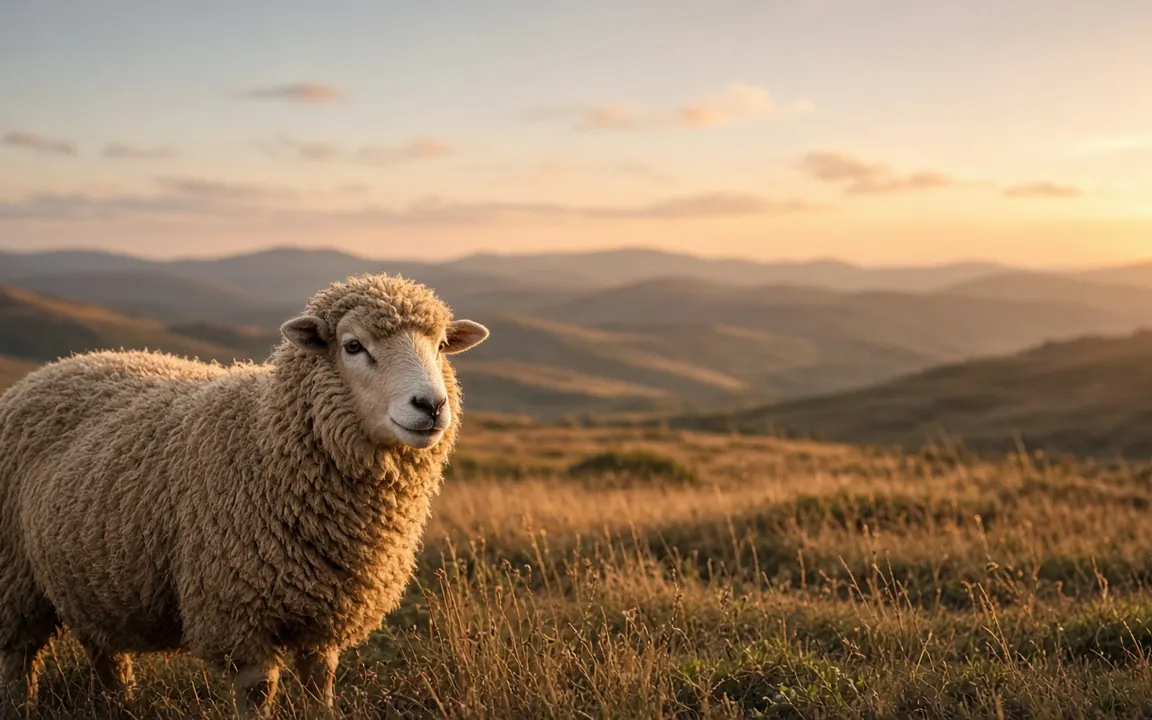
the United States
Farm Animal Cremation in the United States: what to know
Keepers in the United States usually have four options when a named farm animal dies: a private cremation with ashes returned, a communal cremation, fallen-stock collection or rendering, and burial or composting where the rules allow it. Which are open to you depends on species, weight and where you live, and this page and the city pages below explain the local picture.
Throughout the United States, the hardest part of losing a hobby-farm animal is often finding someone who will take it. Pet crematories are built around dogs and cats and many cap weight well below a grown goat or pig. Large-animal and equine crematories take heavier animals but are spread thinly. Below you'll find what that means for prices, rules and timing.
We cover 2458 communities in the United States, from New York City, Los Angeles and Chicago to smaller towns. Conditions vary a lot across the United States: summer highs reach about 107°F in Phoenix, while winter lows average -11°F in Fairbanks. In 51% of the the United States communities we cover, average lows drop below freezing for three months or more, which matters for home burial.

Browse United States by region
Pick your state or region to see every community we cover there, or jump straight to one of the largest cities.
- New York CityNew York
- Los AngelesCalifornia
- ChicagoIllinois
- HoustonTexas
- PhoenixArizona
- PhiladelphiaPennsylvania
- San AntonioTexas
- San DiegoCalifornia
U
Cremation habits in the United States, and what they mean for your animal
Burial and cremation sit side by side in the United States, where cremation is chosen for around 55.7%[1] of people, often within one family. An older farmer may bury stock while a younger keeper wants a named goat cremated. Neither has to win. Some families cremate and then bury the ashes on the land, which honors both habits at once.
NFDA 2024 Cremation & Burial Report state projections (via Occasional Sage) (2024) publishes the the United States rate we quote. Read it as the local custom around cremation rather than as pet data.
Cremation, collection and the alternatives: costs in the United States
Some costs around a farm death in the United States arrive before the crematory's: a farm call for euthanasia, a post-mortem if you want answers, occasionally a disease test. Ask your vet to itemize them. Then use our cremation cost calculator to add cremation, collection and the urn, so the whole bill is in one place before you commit.
By our estimate, private pet cremation in the US gets cheaper per pound as animals get heavier, falling to about $4 a pound at 100 lb[2]. Large-animal cremation drops further, to about $0.80/lb[3] for a horse. A goat or ewe sits between those two, which is why a quote for a farm pet in the United States can look high as a total but fair per pound.
| Animal and typical weight | Communal (no ashes back) | Private (ashes back) |
|---|---|---|
| Hen, duck or bantam, 2 to 10 lb | $45 to $75 | $100 to $175 |
| Pygmy or Nigerian Dwarf goat, 50 to 80 lb | $50 to $100 | $200 to $300 |
| Sheep, dairy goat, alpaca or pot-bellied pig, 90 to 200 lb | $150 to $200 and up | $350 to $450 and up, often quoted individually |
| Llama, donkey or full-size pig, 250 lb and over | Rarely offered | Large-animal crematory; a 1,000 lb horse runs $600-$1,000[4] |
| Renderer or fallen-stock pickup | $75-$200[5] pickup fee | Nothing is returned |
| Source | CareCredit cost guide | Pet weight bands used as the nearest reference; farm collection and mileage extra |

Free tool
Cremation cost calculator
Estimate a realistic price range for your pet's size, location and the type of cremation.
Livestock law and pet rules in the United States
In most places a pet goat or pig is still a goat or pig in the eyes of the law, so the rules written for farms apply to it. Those rules exist for water safety and disease control, and they tend to favor collection, rendering or cremation over burial. The notes below cover the United States in general; ask your vet or animal health office about your species.
Step by step, from the field to the ashes
- Tell your child soon, in plain words. Saying "Your goat died this morning" beats a vaguer phrase that leaves a small child expecting the animal to turn up again.
- Let them choose whether to see the body. For a school-age child, a blanket over everything but the head is generally gentle enough.
- Give them a job: a final brush of the coat, deciding which halter to keep, or gathering flowers to put by the gate.
- Time the collection around them. One child will want to see the crew leave; another is better off at a friend's house or in class while it happens. Tell the crew you'd like a pickup with no rush.
- If the animal was a club or show project, tell the leader. They have helped other young members through this and may suggest a small tribute at the next meeting.
- Plan something for when the ashes come home: planting a tree, scattering them beside the fence line, or a little urn for their bedroom shelf.
Keeping your goat, pig or hen close
Many smallholders scatter ashes where the animal lived: along the fence line it leaned on, under the tree it stripped every spring, in the corner of the paddock where it lay in the sun. Scattering on your own land is generally allowed even where burial isn't. Keep a little back in a keepsake urn if the family would like something in the house.
From here: services and prices, the free tools, what readers voted in the polls, or the map of every location.

Reader polls
What would you choose?
Vote anonymously and see how other readers answered. The results are live counts from people who visit this site, so they show real opinions, not a scientific sample.
Would you want your animal's own ashes returned?
Tap an answer to vote and see how others answered. Anonymous.
Before today, did you know the burial rules for farm species where you live?
Tap an answer to vote and see how others answered. Anonymous.
If you had to decide today, which aftercare would you choose for your pet?
Tap an answer to vote and see how others answered. Anonymous.

Free tools to help you plan
Cremation cost calculator
Estimate a realistic price range for your pet's size, location and the type of cremation.

Livestock mortality planner
Plan disposal capacity and costs for farm losses, from one animal to a herd.

Urn size calculator
Find the urn volume you need from your pet's weight, plus keepsake and sharing options.
Questions people ask
Can I bury a pet goat, sheep or pig on my land in the United States?
It depends on the species and the local rules. Many places allow burial of livestock on your own land with conditions on depth, distance from wells and water, and timing; some ban it for farmed species altogether, and cities often restrict it within their limits. If your animal was euthanized, deep burial or cremation protects wildlife.
Where in the United States is farm animal cremation hardest to arrange?
Usually in the most rural areas, where crematories that accept large animals are furthest away and collection charges climb with every mile. Keepers there often deliver the animal themselves by trailer, or split a pickup with a neighbor. Ask any provider where their collection radius ends before you need them.
Does winter affect farm animal aftercare in the United States?
In colder places, yes. Frozen ground can make burial impossible for months, composting slows down, and snow can block farm tracks. In Fairbanks, one of the coldest places we cover in the United States, average winter lows reach about -11°F. Many keepers cremate in winter and scatter or bury the ashes in spring.
Is farm animal cremation common in the United States?
For people, about 55.7%[1] of deaths in the United States end in cremation. For farm animals, burial and fallen-stock collection are still the traditional routes, but more families choose private cremation for the goats, pigs, sheep and alpacas they've named, especially in towns and on hobby farms near the cities.
Can I get a quote for farm animal cremation in the United States before my animal dies?
Yes, and it's a good idea for older stock. Call a provider with the species, an honest weight and your address, and ask for a written estimate covering cremation, collection and the urn. Most are glad to answer. You can also send us a request and we'll reply by email with options that serve your area.
How quickly does a dead farm animal need to be dealt with in the United States?
Many rules set a time limit, often a day or two after death, and warm weather shortens the practical window further because goats, sheep and alpacas bloat quickly. Keep the body shaded and loosely covered and arrange collection or delivery the same day if you can.

Sources and our estimates
- [1] The NFDA projected New York's cremation rate at 55.7% for 2024. NFDA 2024 Cremation & Burial Report state projections (via Occasional Sage), 2024.
- [2] Private cremation cost per pound falls with size in the US: roughly $9.2/lb for a 15 lb pet, $4.2/lb at 60 lb and about $4.0/lb at 100 lb. Our estimate: band midpoint price / representative weight: 0-30 lb (midpoint $137.50 / 15 lb) = $9.17/lb; 51-70 lb ($250 / 60 lb) = $4.17/lb; over 90 lb ($400 / ~100 lb) = $4.00/lb. How we calculate.
- [3] Midpoint horse cremation cost works out to about $0.80 per pound of body weight, versus about $0.14 per pound for rendering pickup and $0.23 per pound for on-farm composting. Our estimate: cremation $800 / 1,000 lb; rendering $137.50 / 1,000 lb; composting $275 / 1,200 lb. How we calculate.
- [4] Cremating a 1,000-pound horse was reported to cost about $600-$1,000, depending on location and the price of propane. Extension Horses (eXtension national Cooperative Extension) - Horse Disposal Options, 2019, 2019.
- [5] Rendering companies typically charge a pickup fee of $75-$200 to remove a horse carcass, depending on location. Extension Horses (eXtension national Cooperative Extension) - Horse Disposal Options, 2019, 2019.
- [6] About 10,630 U.S. cattle and calves died every day in 2015. Our estimate: 3,880,000 / 365. How we calculate.
Find who takes farm species near you
Tell us what you need and where you are. We'll reply by email with clear options and prices so you can decide in your own time.