Farm Animal Cremation in Iowa
Whether it's a single backyard hen or a 180 lb alpaca, the questions are the same: is it legal to bury, who can collect, and can I have my own animal's ashes back? Here are the answers.
- What to do in the first few hours
- Disease reporting, explained plainly
- Keepsakes: fleece, feathers, halter
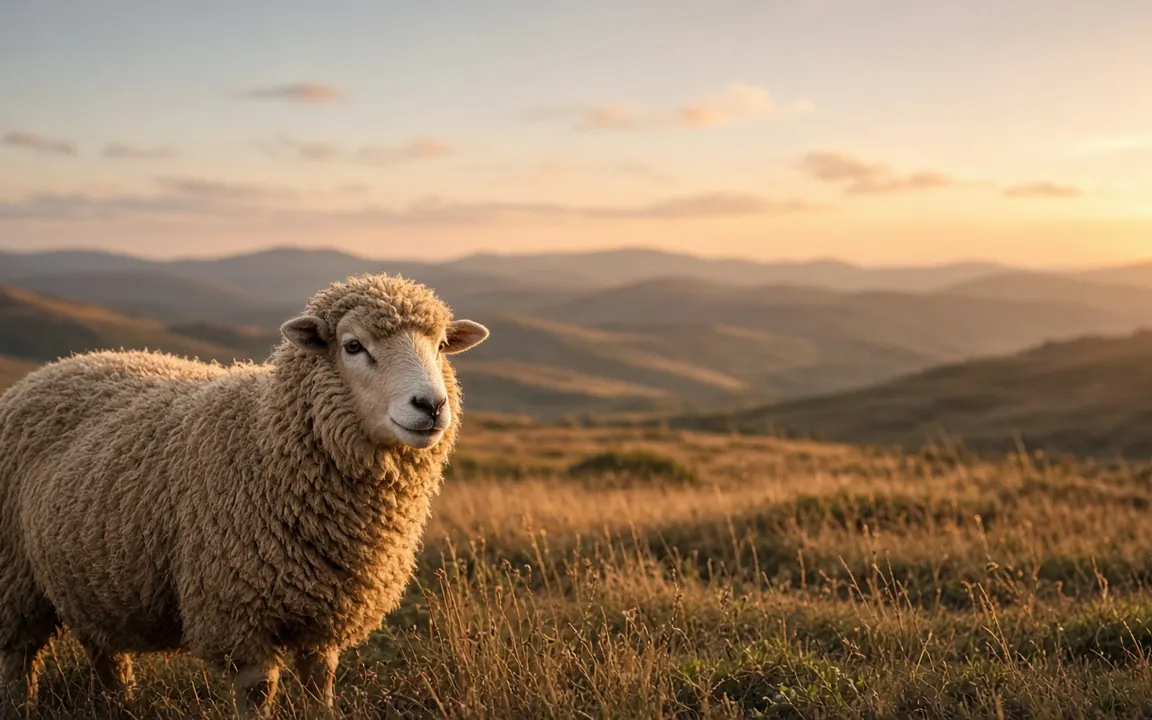
Iowa, the United States
Farm Animal Cremation in Iowa: what to know
We cover 27 communities in Iowa, and for farm animals the city pages differ more than they would for dogs or cats. The deciding factors are local: which crematories accept a goat or pig, how far their crews will drive, and how hot or cold it gets. Pick your nearest community below for the detail, or start with the regional overview here.
For many families in Iowa, the choice after a farm animal dies comes down to four routes: private cremation with ashes back, communal cremation, fallen-stock collection or rendering, and burial or composting where allowed. Only the first brings anything home. The right answer depends on the species, the rules where you live and what feels right for an animal you named.
We cover 27 communities in Iowa, from Des Moines, Cedar Rapids and Davenport to smaller towns. Conditions vary a lot across Iowa: summer highs reach about 88°F in Council Bluffs, while winter lows average 7°F in Mason City. In 100% of the Iowa communities we cover, average lows drop below freezing for three months or more, which matters for home burial.

Every Iowa community we cover
Choose your city or town for local prices, weather and timing, and rules. 27 communities in Iowa, largest first below.
How Iowa thinks about cremation
About 63.6%[1] of people in Iowa are cremated, and the figure has been climbing for years. Farm animal aftercare has followed at its own pace. Burial on the farm is still common for stock, but more families now choose cremation for the animals they named: the pet goat, the old ewe, the pig that followed the children around the yard.
NFDA 2024 Cremation & Burial Report state projections (via Occasional Sage) (2024) publishes the Iowa rate we quote. Read it as the local custom around cremation rather than as pet data.
How much to budget in Iowa
Expect the total in Iowa to depend on four things: your animal's weight, private or communal, how the animal gets to the crematory and what the ashes come back in. Communal cremation, where nothing is returned, usually costs half or less. If you can deliver the animal yourself, the collection line on the quote may disappear altogether.
Very few US providers publish prices for goats, sheep or pigs, so the table uses the closest published pet price bands by weight. For a pygmy goat, that means something like a large dog; for a 150 lb ewe or pot-bellied pig, the top band or an individual quote; for a llama or donkey, horse territory, where a 1,000 lb animal runs about $600-$1,000[2]. Collection and mileage from a farm around Iowa are usually extra.
| Animal and typical weight | Communal (no ashes back) | Private (ashes back) |
|---|---|---|
| Hen, duck or bantam, 2 to 10 lb | $45 to $75 | $100 to $175 |
| Pygmy or Nigerian Dwarf goat, 50 to 80 lb | $50 to $100 | $200 to $300 |
| Sheep, dairy goat, alpaca or pot-bellied pig, 90 to 200 lb | $150 to $200 and up | $350 to $450 and up, often quoted individually |
| Llama, donkey or full-size pig, 250 lb and over | Rarely offered | Large-animal crematory; a 1,000 lb horse runs $600-$1,000[2] |
| Renderer or fallen-stock pickup | $75-$200[3] pickup fee | Nothing is returned |
| Source | CareCredit cost guide | Pet weight bands used as the nearest reference; farm collection and mileage extra |

Free tool
Cremation cost calculator
Estimate a realistic price range for your pet's size, location and the type of cremation.
Livestock law and pet rules in Iowa
If you rent your land or keep animals on someone else's property, the landowner's say matters as much as the law. Many tenancies and grazing agreements forbid burial, and a landlord may not want a compost pile either. Cremation needs nobody's permission. Here's the general picture for pets in Iowa; your lease may add conditions of its own.
- Burial at home: Confirm the rule for the actual parcel and proposed burial with the local authority and property owner.
- Scattering ashes: Ask the exact land manager about scattering before making arrangements; a general gathering permission is a separate matter.
- Who oversees it: the authority responsible for the specific activity and location; this guide does not identify a universal permit or licensing rule
- Worth knowing: Record the service method, release authority, identification and return instructions in writing.
A city's population does not establish which aftercare activities are allowed at an address. Check the actual site and activity before proceeding.
County and city offices set many of the local rules. To find yours, start with the official Iowa local government directory.
If your animal dies today: a plan for Iowa
- Ask the clinic what happens if you give no instructions. The default at a lot of practices is to pass farm animals to a renderer or into a communal cremation.
- Say plainly if the ashes should come home, and ask the staff to write "private cremation" on your animal's record before you leave the building.
- Raise the question of a post-mortem now. Arranging one is much simpler while the body remains at the clinic; once it has left for the crematory, it's a different matter.
- Find out who bills you. Some practices add the cremation to their own invoice; others hand you the crematory's number to pay directly.
- Ask for the halter, collar or tag to be kept for you, plus a fleece clipping or a few feathers if you didn't take one yourself.
- Plan the evening at home. The others may call out for the animal that hasn't returned with you; a familiar routine and a little extra hay go a long way.
Remembering your animal in Iowa
A simple wooden or stone marker by the gate, the animal's name burned into a fence post or a photo on the feed-room wall are all fitting ways to remember a hobby-farm companion. If you'd like something more permanent, a small memorial corner with a bench and a planted tree can hold ashes from more than one animal over the years.
From here: services and prices, the free tools, what readers voted in the polls, or the map of every location.

Reader polls
What would you choose?
Vote anonymously and see how other readers answered. The results are live counts from people who visit this site, so they show real opinions, not a scientific sample.
Before today, did you know the burial rules for farm species where you live?
Tap an answer to vote and see how others answered. Anonymous.
What was (or would be) hardest about the practical side?
Tap an answer to vote and see how others answered. Anonymous.
If you had to decide today, which aftercare would you choose for your pet?
Tap an answer to vote and see how others answered. Anonymous.

Free tools to help you plan
Cremation cost calculator
Estimate a realistic price range for your pet's size, location and the type of cremation.

Livestock mortality planner
Plan disposal capacity and costs for farm losses, from one animal to a herd.

Urn size calculator
Find the urn volume you need from your pet's weight, plus keepsake and sharing options.
Questions people ask
How much does it cost to cremate a goat, sheep or pig in Iowa?
Prices depend mostly on weight and whether you choose private or communal cremation, plus farm collection and mileage. A small goat often costs about the same as a large dog; a heavy pig, llama or donkey may be quoted individually or sent to a large-animal crematory. Ask for an itemized written total before you agree.
How quickly does a dead farm animal need to be dealt with in Iowa?
Many rules set a time limit, often a day or two after death, and warm weather shortens the practical window further because goats, sheep and alpacas bloat quickly. Keep the body shaded and loosely covered and arrange collection or delivery the same day if you can.
Where in Iowa is farm animal cremation hardest to arrange?
Usually in the most rural areas, where crematories that accept large animals are furthest away and collection charges climb with every mile. Keepers there often deliver the animal themselves by trailer, or split a pickup with a neighbor. Ask any provider where their collection radius ends before you need them.
Do the rules in Iowa treat a pet pig differently from a farm pig?
Usually not. Animal-health and disposal rules tend to follow the species rather than the reason you keep it, so a pot-bellied pig that lives in the house is generally covered by the same rules as a commercial one. That can limit burial and composting. Cremation is allowed for both.
What should I keep ready in Iowa if I have older goats or sheep?
A tarp big enough to drag the animal, gloves, a sheet or feed sacks to cover it, contact details for a large-animal crematory that will accept your animals, and a note of your wishes: private or communal, and any keepsake. In a hot spell or a hard freeze, that preparation saves hours.
Is fallen-stock collection an option for a single pet goat or sheep in Iowa?
Often, yes, where a knacker, renderer or deadstock collector still serves your area. It's lawful, quick and usually inexpensive, but nothing is returned. Rendering capacity has shrunk in many places, so the truck may not run for one small animal. Ask your vet who collects locally.

Sources and our estimates
- [1] The NFDA projected Iowa's cremation rate at 63.6% for 2024. NFDA 2024 Cremation & Burial Report state projections (via Occasional Sage), 2024.
- [2] Cremating a 1,000-pound horse was reported to cost about $600-$1,000, depending on location and the price of propane. Extension Horses (eXtension national Cooperative Extension) - Horse Disposal Options, 2019, 2019.
- [3] Rendering companies typically charge a pickup fee of $75-$200 to remove a horse carcass, depending on location. Extension Horses (eXtension national Cooperative Extension) - Horse Disposal Options, 2019, 2019.
- [4] The average value lost per dead cow or calf in 2015 was about $997. Our estimate: $3.87 billion / 3.88 million head. How we calculate.
Get local prices for your animal's weight
Tell us what you need and where you are. We'll reply by email with clear options and prices so you can decide in your own time.