Cremation for goats, sheep and pigs in San Antonio
Farm species give you less time than a dog or cat, and fewer providers take them. Start here for the first few hours, the local rules and honest prices, then ask us for options by email.
- Honest prices by body weight
- Farm collection, winch and trailer tips
- Fallen-stock and communal options too
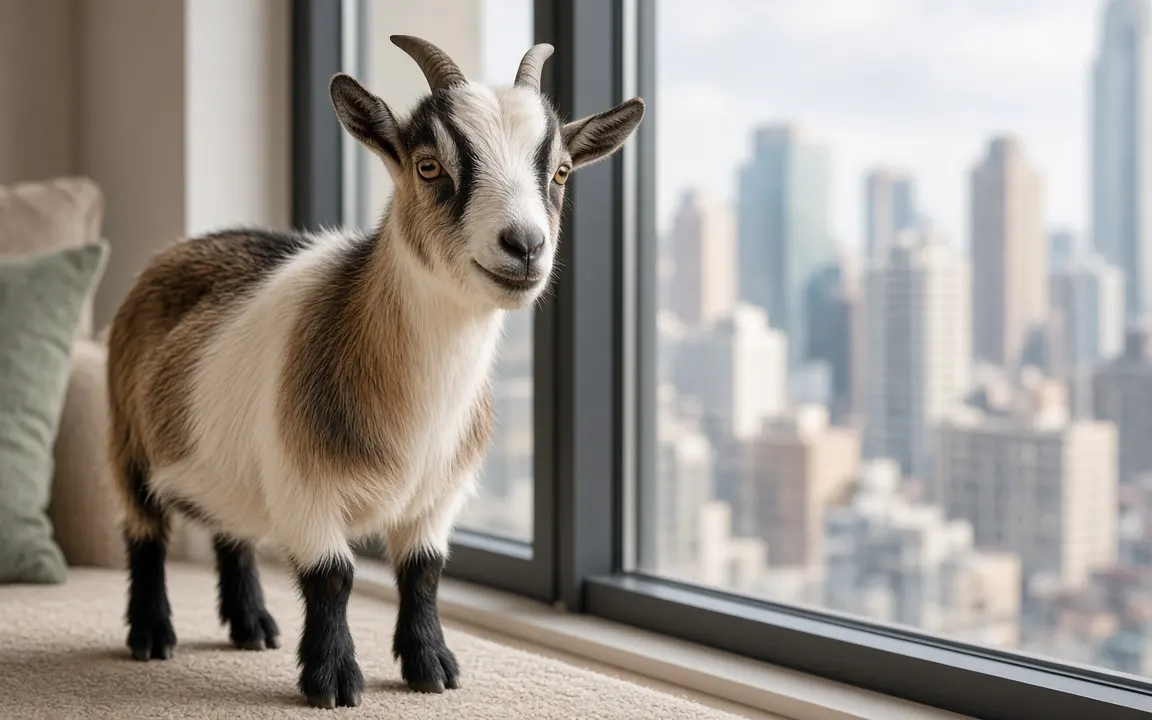
San Antonio, Texas
Goats, pigs and backyard flocks in San Antonio
Many ranch families in the region bury large animals on their own land, keeping well away from wells, creeks and property lines, and others use rendering or communal cremation. Individual cremation for an animal the size of a horse or steer is available in Texas, but only at a limited number of facilities, and the drive can be long. Ask each provider for the options and a written total before you decide.
San Antonio sits at the edge of the Texas Hill Country to the north and west and brush country ranchland to the south. Cattle, goats, sheep and horses are common on small acreages and working ranches within an hour's drive, and the Edwards Plateau to the west is major goat and sheep country. If you keep large animals outside the city, tell each provider about caliche roads, cattle guards and gate widths.
Most of San Antonio is streets and apartments, so it's fair to ask whether farm animals are even part of the picture. They are. Pot-bellied pigs live in suburban houses, hens scratch around backyards, and the edge of the metro is ringed with hobby farms and horse properties. The good news is that a big metro usually has more than one pet crematory. The catch is that many are built for dogs and cats and cap weight well below what a grown goat or pig weighs, so ask about species and weight on the very first call.
San Antonio's population is around 1,548,422, the 2nd-largest of the 325 Texas communities we cover.
If you want to compare providers, look at Olmos Park (3 miles), Terrell Hills (4 miles) and Alamo Heights (5 miles). Distance matters because pickup fees and the time until the ashes come back both grow with the drive.
55.7%[1]
The NFDA projected Texas's cremation rate at 55.7% for 2024.
$600-$1,000[2]
Cremating a 1,000-pound horse was reported to cost about $600-$1,000, depending on location and the price of propane.
3-5% of body weight[3]
Embrace notes cremated remains typically weigh about 3-5% of the pet's original body weight.
None of the figures on this this page are ours alone: they rest on Embrace Pet Insurance and Extension Horses (eXtension national Cooperative Extension).
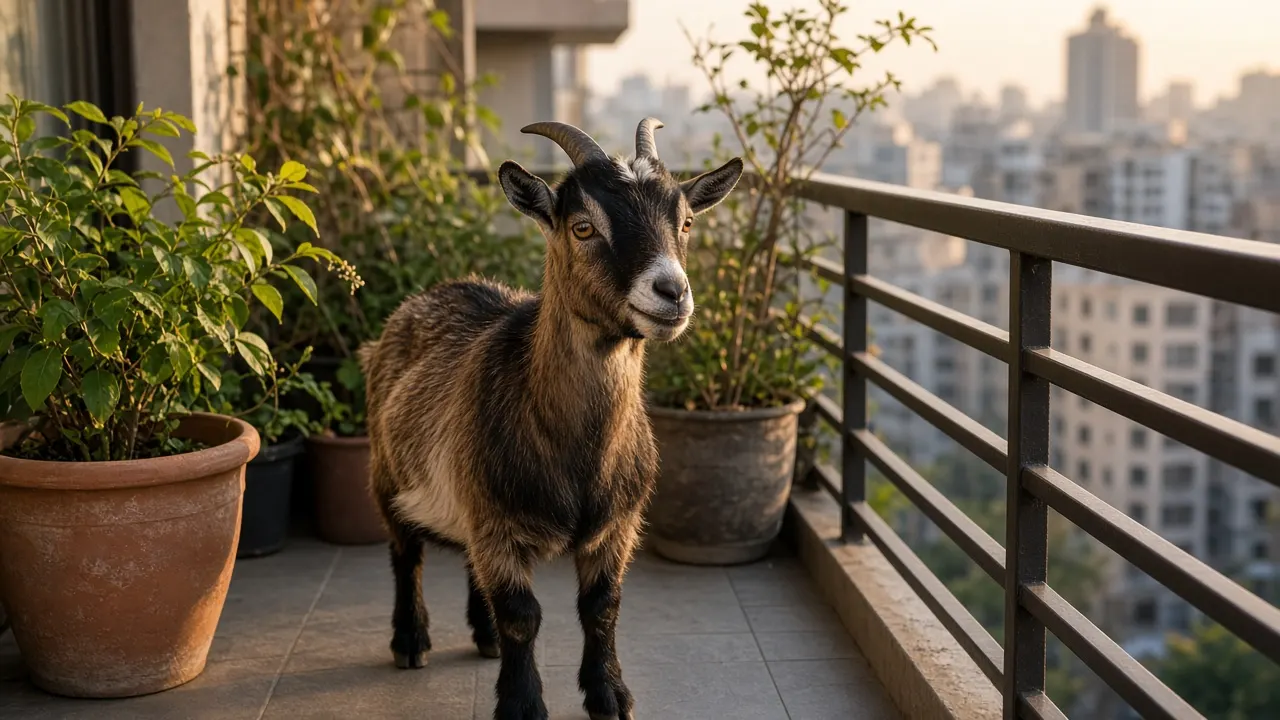
Burial, cremation and farm tradition in Texas
Burial and cremation sit side by side in Texas, where cremation is chosen for around 55.7%[1] of people, often within one family. An older farmer may bury stock while a younger keeper wants a named goat cremated. Neither has to win. Some families cremate and then bury the ashes on the land, which honors both habits at once.
That Texas rate is a human one, published by NFDA 2024 Cremation & Burial Report state projections (via Occasional Sage) (2024). We quote it for San Antonio only as a pointer to how families here already think about cremation.
When the weather sets the timetable in San Antonio
Without local weather figures for San Antonio, trust your own sense of the day. If you're comfortable in a T-shirt, treat it as warm and move quickly; if the troughs are icing over, you have more time but harder access. Farm animals don't die to a forecast, so plan for the week you're in and the one ahead.

How much to budget in San Antonio
Very few US providers publish prices for goats, sheep or pigs, so the table uses the closest published pet price bands by weight. For a pygmy goat, that means something like a large dog; for a 150 lb ewe or pot-bellied pig, the top band or an individual quote; for a llama or donkey, horse territory, where a 1,000 lb animal runs about $600-$1,000[2]. Collection and mileage from a farm around San Antonio are usually extra.
The Texas price table breaks costs down by size; our services page explains what sits behind each line.

Free tool
Cremation cost calculator
Estimate a realistic price range for your pet's size, location and the type of cremation.
Rules worth knowing in Texas
Composting is an approved route for dead stock in many places: in the 2014–2015 US bird flu outbreak it handled 85%[5] of poultry carcasses, according to the EPA. But it isn't allowed for every species everywhere, and a pile needs careful management. The pet-level picture for Texas is below; check the livestock rules before you build one.
San Antonio's own guidance is published by San Antonio Solid Waste Management Department; it covers public collection, which is separate from arranging a private cremation. Texas keeps an official directory of local governments; use it to reach the county or city office that covers San Antonio.
We keep Texas's burial and scattering rules in one place: the Texas rules summary. Before a home burial in San Antonio, also ask the city whether local ordinances add anything.
What to do first, second and third
- Pick the spot before the vet arrives. Choose flat ground with vehicle access, like the aisle of the barn or the paddock nearest the gate, so there's little distance to move your animal once it's over.
- Book the crematory or collector first, then the vet. With the pickup time fixed, schedule the euthanasia one or two hours ahead of it, instead of the night before and a long wait in between.
- Ask the vet about sedation first. When the animal is relaxed and picking at browse or grain as the sedative takes hold, the final moment is easier on everyone around it.
- Decide who will be there. For some households, everyone stays; in others, the children go off to feed the rest of the stock and return afterwards for their own goodbye.
- Keep a companion in the next pen, close enough to hear you but not underfoot. Let it in afterwards to see and smell the body if you think it will help.
- Hand your instructions to the crew yourself: private or communal, the urn you chose, and anything you want returned, such as a clipped lock of hair.
Keeping your goat, pig or hen close
South Texas heat shortens the timeline for large animals. A cow, horse or goat that dies in a pasture in summer should be collected the same day if possible; in the meantime, a tarp tented for shade helps, and moving the rest of the herd to another pasture avoids distress. The Hill Country's low-water crossings can flood fast after heavy rain, so tell the provider about any creek crossings on the route.
Our services overview lays out every option side by side, try the free planning tools, or compare your instinct with the poll results, go deeper with the guides or catch up on recent articles. More local pages: Arlington, Fort Worth, Houston and Austin, the Texas overview and every city in the United States.

Reader polls
What would you choose?
Vote anonymously and see how other readers answered. The results are live counts from people who visit this site, so they show real opinions, not a scientific sample.
Would you want your animal's own ashes returned?
Tap an answer to vote and see how others answered. Anonymous.
How do you think of the animal you've lost, or are about to lose?
Tap an answer to vote and see how others answered. Anonymous.
If you had to decide today, which aftercare would you choose for your pet?
Tap an answer to vote and see how others answered. Anonymous.

Free tools to help you plan
Cremation cost calculator
Estimate a realistic price range for your pet's size, location and the type of cremation.

Livestock mortality planner
Plan disposal capacity and costs for farm losses, from one animal to a herd.

Urn size calculator
Find the urn volume you need from your pet's weight, plus keepsake and sharing options.
Questions people ask
Is cremation common in Texas?
For people, yes: about 55.7%[1] of Texas deaths end in cremation, according to NFDA 2024 Cremation & Burial Report state projections (via Occasional Sage) (2024). Nobody publishes the same figure for pets, but in our experience pet choices in San Antonio follow the human pattern closely, so cremation is the default most families here start from.
Which nearby towns can I compare with San Antonio?
The closest communities we cover are Olmos Park (about 3 miles), Terrell Hills (about 4 miles) and Alamo Heights (about 5 miles). Providers based in those places often serve San Antonio too. Ask each one for a written total that includes collection, so the distance is priced in.
Can I compost a dead goat or sheep instead?
Sometimes, depending on the species and where you live. Composting works well for poultry and is allowed for many livestock in the US, but a pile has to reach 135-140 F[6] and hold it for weeks, which needs a lot of dry bedding. California bans composting whole sheep and goats. For one named animal, most keepers find cremation simpler.
Can I bury my pet goat or sheep on my land in Texas?
Often yes, with conditions such as a time limit, a minimum depth and distances from wells, streams and property lines. Livestock rules usually apply to a pet goat or sheep just as they do to a herd, and cities can ban burial inside their limits. If your animal was euthanized, bury it deep or choose cremation.
How much does it cost to cremate a pet pig in San Antonio?
It depends mostly on weight. A young pot-bellied pig may fit the largest pet band, about $350 to $450 for private cremation in the US, but a mature kunekune or farm pig is usually quoted individually and may need an equine or large-animal crematory. Collection is extra, and some providers need a trailer delivery for heavy pigs.
Should I ask for a post-mortem before cremation?
If the death was sudden and you have other animals, it's often worth it. A post-mortem can show whether parasites, poisoning or an infectious disease is putting the remaining animals at risk, and it has to happen before cremation. Ask your vet quickly, because a body that has spent a day in the heat is much harder to examine usefully.


Sources and our estimates
- [1] The NFDA projected Texas's cremation rate at 55.7% for 2024. NFDA 2024 Cremation & Burial Report state projections (via Occasional Sage), 2024.
- [2] Cremating a 1,000-pound horse was reported to cost about $600-$1,000, depending on location and the price of propane. Extension Horses (eXtension national Cooperative Extension) - Horse Disposal Options, 2019, 2019.
- [3] Embrace notes cremated remains typically weigh about 3-5% of the pet's original body weight. Embrace Pet Insurance - Bury or Cremate Your Dog? Costs, Pros & Cons, 2025.
- [4] Each HPAI-infected premises averaged about 102,814 affected birds (Feb 2022-Sep 2025). Our estimate: 179,000,000 / 1,741. How we calculate.
- [5] Composting was used for 85% of poultry carcasses in the 2014-2015 U.S. HPAI outbreak; EPA lists composting and permitted landfills as the preferred disposal methods. U.S. EPA - Carcass Management During Avian Influenza Outbreaks, 2015.
- [6] A carcass compost pile should reach 135-140 F within 15 days and be held at temperature for 3-12 weeks. USDA APHIS / Center for Food Security and Public Health (Iowa State) - Disposal: Composting, Rendering & Burial handout, based on NAHEMS Disposal Guidelines (2012), 2012.
Find who takes farm species near you
Tell us what you need and where you are. We'll reply by email with clear options and prices so you can decide in your own time.