When a hobby-farm animal dies in Philadelphia
Your goat, sheep or pig is family, but the law usually files it under livestock. Here's what that means locally, who will take an animal this size and what it costs to bring the ashes home.
- Help for backyard flocks and pet pigs
- Heat, bloat and timing advice
- Options that keep your animal's ashes
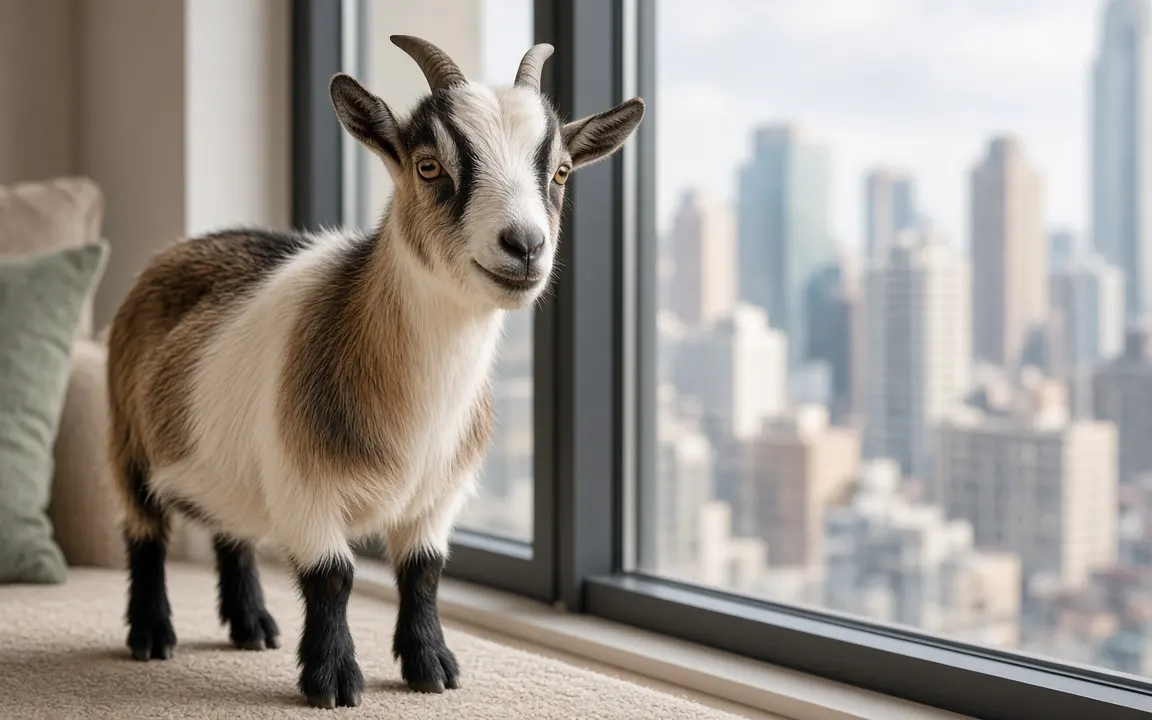
Philadelphia, Pennsylvania
Finding a crematory that takes farm species near Philadelphia
Philadelphia's city limits hold few large animals, but farm country begins in the suburbs. Chester County is well known for horse farms and mushroom growing, Bucks County has small farms, alpacas and sheep, and Lancaster County's dairy and livestock farms are within a couple of hours' drive. When you request quotes for a large animal, give the farm address and mention long lanes, covered bridges or low barn doors that might affect a truck.
Winter in southeastern Pennsylvania can freeze the ground solid, which makes burial of a horse, cow or pig on your land difficult until spring. Snow and ice can also slow collection vehicles on rural lanes. In humid summers, a large animal that dies in a field needs to be collected or covered quickly. Discussing arrangements with your vet ahead of time is especially helpful for older animals.
Most of Philadelphia is streets and apartments, so it's fair to ask whether farm animals are even part of the picture. They are. Pot-bellied pigs live in suburban houses, hens scratch around backyards, and the edge of the metro is ringed with hobby farms and horse properties. The good news is that a big metro usually has more than one pet crematory. The catch is that many are built for dogs and cats and cap weight well below what a grown goat or pig weighs, so ask about species and weight on the very first call.
Philadelphia's population is around 1,574,281, the largest of the 36 Pennsylvania communities we cover.
If you want to compare providers, look at Camden (3 miles), Villanova (11 miles) and Lindenwold (13 miles). Distance matters because pickup fees and the time until the ashes come back both grow with the drive.
61.3%[1]
The NFDA projected Pennsylvania's cremation rate at 61.3% for 2024.
$600-$1,000[2]
Cremating a 1,000-pound horse was reported to cost about $600-$1,000, depending on location and the price of propane.
3-5% of body weight[3]
Embrace notes cremated remains typically weigh about 3-5% of the pet's original body weight.
The numbers above come from Embrace Pet Insurance and Extension Horses (eXtension national Cooperative Extension), if you'd like to read the original sources.
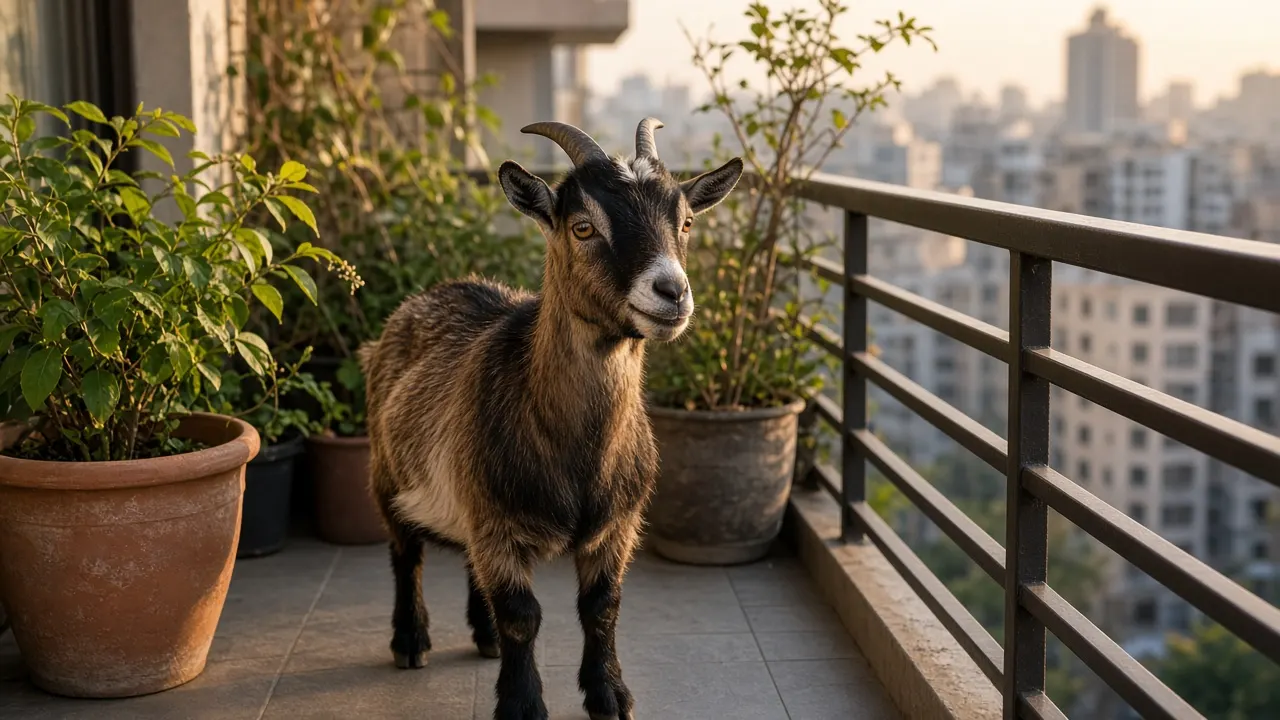
Burial, cremation and farm tradition in Pennsylvania
In Pennsylvania, about 61.3%[1] of people are cremated, a figure somewhere in the middle. Farming communities here often have a long habit of dealing with dead stock on the farm, through burial, composting or the renderer. That habit can make it feel unusual to ask for a private cremation for a goat. It isn't unusual any more, and any good provider will take the request seriously.
The Pennsylvania percentage above is from NFDA 2024 Cremation & Burial Report state projections (via Occasional Sage) (2024) and refers to human funerals. Treat it as context for Philadelphia, not as a count of pets.
Heat, cold and timing in Philadelphia
A body left out overnight in a Philadelphia January, when lows average around 26°F, can freeze stiff in whatever position it fell. That makes it hard to lift onto a trailer or fit through a chamber door. If you can, lay a dying or newly dead animal on its side with the legs folded, on a tarp, before the cold sets in.
With 3 months of freezing lows in a typical Philadelphia year, winter losses are part of keeping stock here. Older goats and sheep, young kids and lambs, and hens with large combs all struggle in hard cold. If an animal dies in a snowbound paddock, the difficult part is often access: can a van reach it, or will you need to sled the body to a plowed drive first?

Budgeting in Philadelphia for a pig, ewe or goat
Cremation isn't the only option, and it's worth knowing what the alternatives cost. A renderer's pickup fee typically runs about $75-$200[4] for a large animal where the service still exists, but only about 50%[5] of US states still have a rendering plant. Renting a backhoe for a deep burial costs roughly $250-$500[6]. Neither returns anything, which is why many people choose cremation for a named animal.
The Pennsylvania price table breaks costs down by size; our services page explains what sits behind each line.

Free tool
Cremation cost calculator
Estimate a realistic price range for your pet's size, location and the type of cremation.
What Pennsylvania allows for goats, sheep, pigs and poultry
The rules for a dead goat, sheep, pig or backyard bird usually come from livestock and animal-health law, not from the pet rules most people have heard of. That can close options a dog owner takes for granted. The general pet notes for Pennsylvania below are a starting point; for farm species, also check your state or national guidance on dead livestock before you bury or compost.
Philadelphia's own guidance is published by City of Philadelphia Department of Sanitation; it covers public collection, which is separate from arranging a private cremation. The official Pennsylvania local government directory lists every county and city office, which is the quickest way to find who to ask in Philadelphia.
Home burial and scattering are governed at the Pennsylvania level first; our Pennsylvania rules summary has the detail. Then check whether Philadelphia or your HOA adds anything.
What to do first, second and third
- Ask the clinic what happens if you give no instructions. The default at a lot of practices is to pass farm animals to a renderer or into a communal cremation.
- Say plainly if the ashes should come home, then have the staff note "private cremation" on the record while you're still there.
- Raise the question of a post-mortem now. It's far easier to arrange while the body is still at the clinic than once it has gone to the crematory.
- Find out who bills you. Some practices add the cremation to their own invoice; others hand you the crematory's number to pay directly.
- Ask for the halter, collar or tag to be kept for you, and a few feathers or a snip of fleece too if you haven't already taken one.
- Plan the evening at home. Herd mates may call for the missing animal when you come back without it; extra hay and a familiar routine help.
Ashes, fleece and memories on the farm
Only a limited number of facilities in the mid-Atlantic can individually cremate an animal the size of a full-grown horse or steer, and the drive from a Chester County or Bucks County farm can be significant. Check the maximum weight each one accepts, whether pickup is included in the price, and whether you can have all or part of the ashes back. Commercial herds usually use rendering instead.
use the free tools before you ring anyone, look through our guides and the blog, The services page is the place to compare what is included, or see how other readers answered in our polls. If you live between Philadelphia and Bethlehem, Erie, Reading and Scranton, either page applies. Every other community in Pennsylvania, and all of the United States, is listed too.

Reader polls
What would you choose?
Vote anonymously and see how other readers answered. The results are live counts from people who visit this site, so they show real opinions, not a scientific sample.
How do you think of the animal you've lost, or are about to lose?
Tap an answer to vote and see how others answered. Anonymous.
Would you want your animal's own ashes returned?
Tap an answer to vote and see how others answered. Anonymous.
If you had to decide today, which aftercare would you choose for your pet?
Tap an answer to vote and see how others answered. Anonymous.

Free tools to help you plan
Cremation cost calculator
Estimate a realistic price range for your pet's size, location and the type of cremation.

Livestock mortality planner
Plan disposal capacity and costs for farm losses, from one animal to a herd.

Urn size calculator
Find the urn volume you need from your pet's weight, plus keepsake and sharing options.
Questions people ask
Can a provider from a neighbouring town collect from Philadelphia?
Usually yes. Camden is about 3 miles away, Villanova is about 11 miles away and Lindenwold is about 13 miles away, all inside a normal collection radius. Get the mileage written into the quote so there is no surprise on the day.
When is the hardest time of year to arrange a burial in Philadelphia?
January, February and December: average lows are below freezing then, and frozen ground makes a home grave slow or impossible until it thaws. The other pressure point is July, when highs around 88°F mean a body needs cooling and collecting quickly.
Why does the Philadelphia page quote a human cremation rate?
Because it is the best local signal we have. NFDA 2024 Cremation & Burial Report state projections (via Occasional Sage) (2024) reports about 61.3%[1] of Pennsylvania residents are cremated. There is no official pet equivalent, and inventing one would be worse than quoting a real, clearly labelled number.
Should the rest of the herd see the body?
Many keepers find it helps. Goats, alpacas and donkeys in particular often settle better if a bonded companion is allowed a few minutes to see and sniff the body. Stay with them, then move the body out of sight before collection. Expect calling or pacing for a few days afterwards; steady routines help.
Is it normal to lose goats or sheep every year?
Sadly, yes. The USDA counted about 500,000 head[8] of adult goats and kids dying in the US in 2015, and sheep producers lost 6.8% of their flocks in 2019[9]. Losses come with keeping stock, which is why many smallholders plan aftercare early. Our livestock mortality planner helps you think it through.
What's the difference between private, partitioned and communal cremation?
Private means your animal is cremated alone and every bit of ash returned is theirs. Partitioned means several animals share the chamber but are kept apart, so the ashes are mostly, not certainly, your animal's. Communal means animals are cremated together and nothing is returned. For a named goat or pig, ask for private in writing if the ashes matter.


Sources and our estimates
- [1] The NFDA projected Pennsylvania's cremation rate at 61.3% for 2024. NFDA 2024 Cremation & Burial Report state projections (via Occasional Sage), 2024.
- [2] Cremating a 1,000-pound horse was reported to cost about $600-$1,000, depending on location and the price of propane. Extension Horses (eXtension national Cooperative Extension) - Horse Disposal Options, 2019, 2019.
- [3] Embrace notes cremated remains typically weigh about 3-5% of the pet's original body weight. Embrace Pet Insurance - Bury or Cremate Your Dog? Costs, Pros & Cons, 2025.
- [4] Rendering companies typically charge a pickup fee of $75-$200 to remove a horse carcass, depending on location. Extension Horses (eXtension national Cooperative Extension) - Horse Disposal Options, 2019, 2019.
- [5] Only about 50% of U.S. states have rendering plants, most of them concentrated in the Midwest. Extension Horses (eXtension national Cooperative Extension) - Horse Disposal Options, 2019, 2019.
- [6] Renting a backhoe to bury a horse costs roughly $250-$500, and horse disposal in a landfill (where accepted) costs about $80-$150. Extension Horses (eXtension national Cooperative Extension) - Horse Disposal Options, 2019, 2019.
- [7] Composting a 1,400 lb dairy cow would need roughly 14-16.8 cubic yards of cover material. Our estimate: 1.4 x (10 to 12 cu yd per 1,000 lb). How we calculate.
- [8] About 500,000 U.S. adult goats and kids died in 2015, equal to 9.8% of the adult goat inventory and 19.4% of kids born; losses were valued at $69.6 million. USDA APHIS NAHMS - Goat and Kid Predator and Nonpredator Death Loss in the United States, 2015, 2015.
- [9] In 2019, 6.8% of U.S. sheep inventory and 12.0% of the lamb crop were lost to death; predators caused 32.6% of sheep losses and 40.1% of lamb losses. USDA APHIS NAHMS - Death Loss Trends in the U.S. Sheep Industry: 1994-2019 (Sheep Death Loss 2020, published June 2022), 2019.
Find who takes farm species near you
Tell us what you need and where you are. We'll reply by email with clear options and prices so you can decide in your own time.