Farm Animal Cremation in Vermont
Losing a named goat, ewe or kunekune hurts, and the paperwork of livestock rules on top of that can feel cold. We explain the options in plain English and can email you local choices.
- Honest prices by body weight
- Farm collection, winch and trailer tips
- Fallen-stock and communal options too
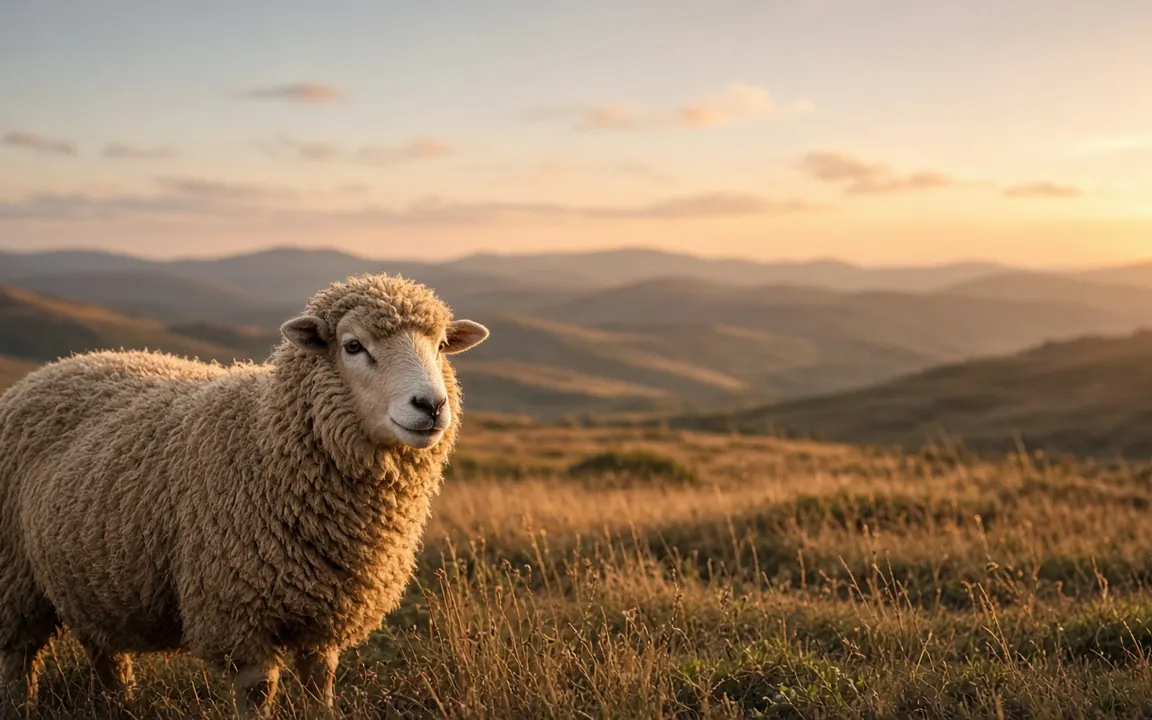
Vermont, the United States
Farm Animal Cremation in Vermont: what to know
In Vermont, a summer afternoon in Burlington and a winter night in Newport call for very different first steps after a death on the farm. Heat means shade, ice and same-day collection; cold means more time but frozen ground and harder access. The rules and the way prices are built stay the same across both, and that's what this page covers.
Farm animal aftercare throughout Vermont depends on three things more than anything else: the species, its weight and how far you are from a crematory that will take it. A pet crematory in one of the larger cities may accept a pygmy goat or a few hens without fuss, while a 200 lb kunekune or a llama may need an equine or large-animal facility some distance away. Livestock rules apply to pet goats, sheep and pigs as well as herds.
We cover 12 communities in Vermont, from Burlington, South Burlington and Rutland to smaller towns. Conditions vary a lot across Vermont: summer highs reach about 82°F in Burlington, while winter lows average 3°F in Newport. In 100% of the Vermont communities we cover, average lows drop below freezing for three months or more, which matters for home burial.

Every Vermont community we cover
Choose your city or town for local prices, weather and timing, and rules. 12 communities in Vermont, largest first below.
Burial, cremation and farm tradition in Vermont
With cremation chosen for about 78.1%[1] of people in Vermont, local families tend to expect it for their animals too. On a smallholding, that expectation meets livestock law: the options for a goat, sheep or pig are set by rules written for farms, not for pets. Cremation fits comfortably inside those rules almost everywhere, which is one more reason it's the common choice here.
The cremation figure for Vermont comes from NFDA 2024 Cremation & Burial Report state projections (via Occasional Sage) (2024). It counts people, not pets, so treat it as a guide to local attitudes rather than a pet statistic.
What farm animal cremation costs in Vermont
Some costs around a farm death in Vermont arrive before the crematory's: a farm call for euthanasia, a post-mortem if you want answers, occasionally a disease test. Ask your vet to itemize them. Then use our cremation cost calculator to add cremation, collection and the urn, so the whole bill is in one place before you commit.
Expect the total in Vermont to depend on four things: your animal's weight, private or communal, how the animal gets to the crematory and what the ashes come back in. Communal cremation, where nothing is returned, usually costs half or less. If you can deliver the animal yourself, the collection line on the quote may disappear altogether.
| Animal and typical weight | Communal (no ashes back) | Private (ashes back) |
|---|---|---|
| Hen, duck or bantam, 2 to 10 lb | $45 to $75 | $100 to $175 |
| Pygmy or Nigerian Dwarf goat, 50 to 80 lb | $50 to $100 | $200 to $300 |
| Sheep, dairy goat, alpaca or pot-bellied pig, 90 to 200 lb | $150 to $200 and up | $350 to $450 and up, often quoted individually |
| Llama, donkey or full-size pig, 250 lb and over | Rarely offered | Large-animal crematory; a 1,000 lb horse runs $600-$1,000[2] |
| Renderer or fallen-stock pickup | $75-$200[3] pickup fee | Nothing is returned |
| Source | CareCredit cost guide | Pet weight bands used as the nearest reference; farm collection and mileage extra |

Free tool
Cremation cost calculator
Estimate a realistic price range for your pet's size, location and the type of cremation.
Burial, composting and reporting rules in Vermont
In most places a pet goat or pig is still a goat or pig in the eyes of the law, so the rules written for farms apply to it. Those rules exist for water safety and disease control, and they tend to favor collection, rendering or cremation over burial. The notes below cover Vermont in general; ask your vet or animal health office about your species.
- Burial at home: Confirm the rule for the actual parcel and proposed burial with the local authority and property owner.
- Scattering ashes: Ask the exact land manager about scattering before making arrangements; a general gathering permission is a separate matter.
- Who oversees it: the authority responsible for the specific activity and location; this guide does not identify a universal permit or licensing rule
- Worth knowing: Record the service method, release authority, identification and return instructions in writing.
A city's population does not establish which aftercare activities are allowed at an address. Check the actual site and activity before proceeding.
County and city offices set many of the local rules. To find yours, start with the official Vermont local government directory.
Step by step, from the field to the ashes
- Cover the body loosely, then shift it somewhere shaded or into a cool shed, if that can be done safely.
- Let the herd or flock settle. One keeper will give a close companion a little time beside the body; another takes it away at once. Neither is wrong.
- Talk to your vet about why it died, whether anything must be reported and, for a sheep or goat, what testing is available.
- Compare two providers if you can. For farm animals, quotes differ far more on weight caps and pickup fees than on the cremation itself.
- Confirm whether it's private, partitioned or communal, and get it on paper, since the three terms get muddled.
- Choose what the ashes come home in. A hen needs only a small container; a goat or sheep needs a full-size urn or scatter tube.
A lasting place for your animal near Vermont
Children often take the loss of a named farm animal hard, especially if they helped raise it from a kid or lamb. Letting them choose the scattering spot, paint a stone marker or write the animal's name on the barn wall gives them something to do with the feeling. The rest of the herd may call for a few days too; that's normal.
Compare every option on our services page, try the free planning tools or see how other readers answered in our polls. You can also go back to all locations.

Reader polls
What would you choose?
Vote anonymously and see how other readers answered. The results are live counts from people who visit this site, so they show real opinions, not a scientific sample.
Would you want your animal's own ashes returned?
Tap an answer to vote and see how others answered. Anonymous.
What was (or would be) hardest about the practical side?
Tap an answer to vote and see how others answered. Anonymous.
If you had to decide today, which aftercare would you choose for your pet?
Tap an answer to vote and see how others answered. Anonymous.

Free tools to help you plan
Cremation cost calculator
Estimate a realistic price range for your pet's size, location and the type of cremation.

Livestock mortality planner
Plan disposal capacity and costs for farm losses, from one animal to a herd.

Urn size calculator
Find the urn volume you need from your pet's weight, plus keepsake and sharing options.
Questions people ask
Is fallen-stock collection an option for a single pet goat or sheep in Vermont?
Often, yes, where a knacker, renderer or deadstock collector still serves your area. It's lawful, quick and usually inexpensive, but nothing is returned. Rendering capacity has shrunk in many places, so the truck may not run for one small animal. Ask your vet who collects locally.
How quickly does a dead farm animal need to be dealt with in Vermont?
Many rules set a time limit, often a day or two after death, and warm weather shortens the practical window further because goats, sheep and alpacas bloat quickly. Keep the body shaded and loosely covered and arrange collection or delivery the same day if you can.
How many communities do you cover in Vermont?
We currently have local farm animal aftercare guides for 12 communities in Vermont, including Burlington, South Burlington and Rutland. Each page covers local weather and timing, prices by weight, the rules for burial and composting, and how collection usually works there.
Why won't the pet crematory take my animal?
Usually because of weight or species. Many pet crematories are built for dogs and cats and cap weight at around 100 to 150 lb, or don't take pigs or ruminants at all. Equine and large-animal crematories take heavier animals. Ask the first provider who they'd recommend; they usually know.
Do the rules in Vermont treat a pet pig differently from a farm pig?
Usually not. Animal-health and disposal rules tend to follow the species rather than the reason you keep it, so a pot-bellied pig that lives in the house is generally covered by the same rules as a commercial one. That can limit burial and composting. Cremation is allowed for both.
What should I do if a farm animal dies in the heat?
Move the body into deep shade or a cool barn, lay it on straw or a tarp and cover it loosely. Put ice along the belly if collection is delayed. In hot parts of Vermont, such as Burlington where summer highs average about 82°F, same-day collection or delivery is the safest plan.

Sources and our estimates
- [1] The NFDA projected Vermont's cremation rate at 78.1% for 2024. NFDA 2024 Cremation & Burial Report state projections (via Occasional Sage), 2024.
- [2] Cremating a 1,000-pound horse was reported to cost about $600-$1,000, depending on location and the price of propane. Extension Horses (eXtension national Cooperative Extension) - Horse Disposal Options, 2019, 2019.
- [3] Rendering companies typically charge a pickup fee of $75-$200 to remove a horse carcass, depending on location. Extension Horses (eXtension national Cooperative Extension) - Horse Disposal Options, 2019, 2019.
- [4] Each HPAI-infected premises averaged about 102,814 affected birds (Feb 2022-Sep 2025). Our estimate: 179,000,000 / 1,741. How we calculate.
Get farm animal cremation options near Vermont
Tell us what you need and where you are. We'll reply by email with clear options and prices so you can decide in your own time.