Farm animal cremation in Springfield
Losing a named goat, ewe or kunekune hurts, and the paperwork of livestock rules on top of that can feel cold. We explain the options in plain English and can email you local choices.
- Help for backyard flocks and pet pigs
- Heat, bloat and timing advice
- Options that keep your animal's ashes
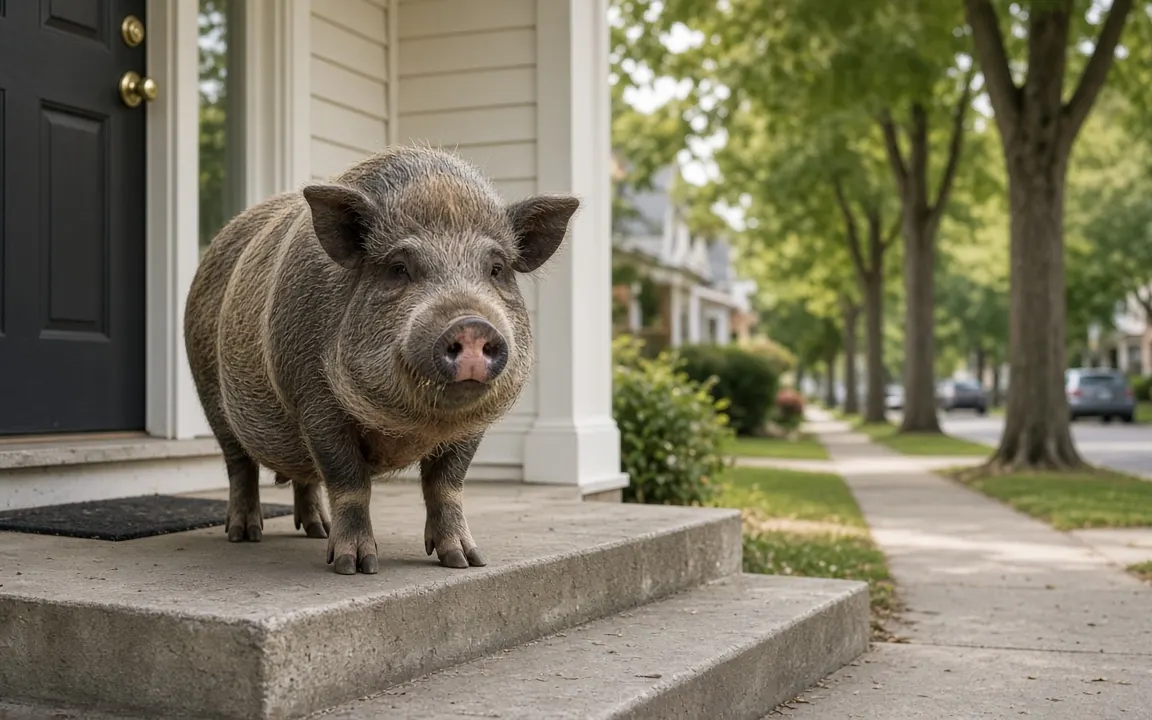
Springfield, Massachusetts
Hobby-farm aftercare in Springfield: the local picture
Springfield itself has few large animals, but the Pioneer Valley and the hill towns around it are farm country, with dairy farms, horse barns, sheep, goats and hobby farms along the Connecticut River and up into the Berkshire foothills. The big agricultural fair held each September in West Springfield shows how strong that farming culture remains. When a large animal dies, give clear directions and gate details.
New England weather makes large-animal aftercare harder in some seasons. Deep snow and ice can block farm lanes and paddocks in winter, and spring mud season can make fields impassable for a heavy truck. Summer humidity means a large body needs collecting quickly. If you keep an older horse or livestock animal, plan the access route before winter arrives, while the ground is still firm.
Some vets in Springfield may be willing to hold a small animal such as a hen or a young kid in a cold room for a day while you decide. For anything larger that's rarely possible. Know before you call whether you're asking for storage, collection or simply advice, and the conversation will go quicker.
Springfield's population is around 154,702, the 3rd-largest of the 61 Massachusetts communities we cover. Worcester, roughly 42 miles off, is the closest larger centre, and a share of the providers who cover Springfield run from there.
Nearby, we also have local pages for West Springfield Town (3 miles), Agawam Town (4 miles) and Chicopee (5 miles), which can help if your vet or the provider you prefer is based there.
55.9%[1]
The NFDA projected Massachusetts's cremation rate at 55.9% for 2024.
$600-$1,000[2]
Cremating a 1,000-pound horse was reported to cost about $600-$1,000, depending on location and the price of propane.
3-5% of body weight[3]
Embrace notes cremated remains typically weigh about 3-5% of the pet's original body weight.
The numbers above come from Extension Horses (eXtension national Cooperative Extension) and Embrace Pet Insurance, if you'd like to read the original sources.
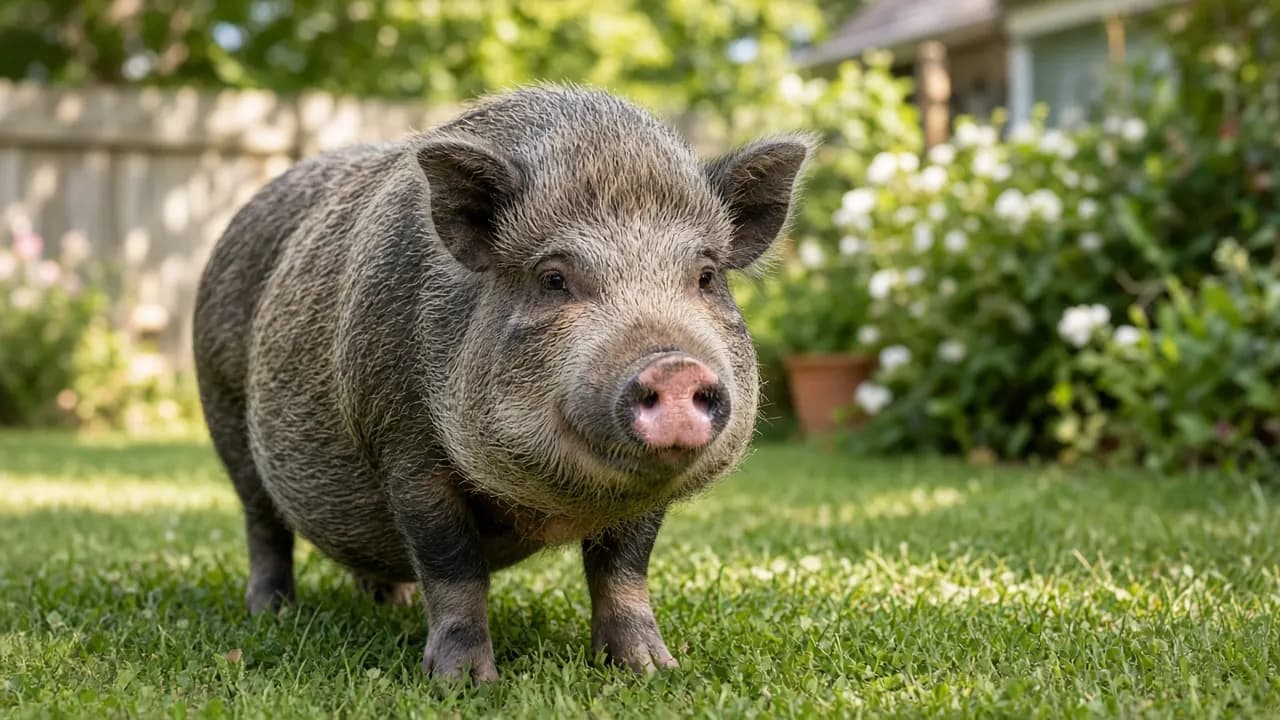
Cremation rates in Massachusetts and your animal
Roughly 55.9%[1] of people in Massachusetts are cremated today, a big shift from a generation ago. The same shift is showing up on hobby farms: people who once would have buried an old wether in the corner of the field now ask for his ashes back. Providers who take farm species are still fewer than those who take dogs, so the question is usually where, not whether.
The Massachusetts percentage above is from NFDA 2024 Cremation & Burial Report state projections (via Occasional Sage) (2024) and refers to human funerals. Treat it as context for Springfield, not as a count of pets.
Planning around the seasons in Springfield
With 4 months of freezing lows in a typical Springfield year, winter losses are part of keeping stock here. Older goats and sheep, young kids and lambs, and hens with large combs all struggle in hard cold. If an animal dies in a snowbound paddock, the difficult part is often access: can a van reach it, or will you need to sled the body to a plowed drive first?
Composting, which many farms use for dead stock, slows right down in cold weather. Extension guidance says a carcass pile needs to reach 135-140 F[4] to work properly, and a pile started in the middle of a Springfield winter may struggle to heat up without plenty of dry bedding. For a single named animal, most people find cremation simpler than managing a pile through the freeze.

Cremation, collection and the alternatives: costs in Springfield
US pet cremation price lists run from about $30 for a small communal cremation to $500 and more for a large private one[5], and farm species usually land at the top end or beyond. Ask any provider serving Springfield for a written quote that separates the cremation, collection, mileage, after-hours fees and the urn, and give an honest weight estimate up front.
The full price table by size is on our Massachusetts page, and the services page explains what each option includes.

Free tool
Cremation cost calculator
Estimate a realistic price range for your pet's size, location and the type of cremation.
Burial, composting and reporting rules in Massachusetts
If your animal was euthanized, the drugs remain in the body and can poison scavenging wildlife, and US drug labels have warned since 2003[7] that such animals need deep burial, incineration or another approved route. That alone rules out a shallow grave. The notes below cover the general rules in Massachusetts; cremation meets all of them.
Not sure which office covers Springfield? The Massachusetts local government directory is the official list.
The Massachusetts page sets out who oversees pet cremation and what the state says about burial and scattering. Springfield's own bylaws can sit on top of that, so ask before you dig.
A practical checklist for smallholders in Springfield
- Stop and count. Two or more birds or animals dying within a day or two, with no obvious cause such as a predator, is a reason to pause before you move anything.
- Put on gloves and keep the bodies away from the living stock. Birds go in two bags; bigger animals get covered where they've fallen.
- Ring the vet, or your national animal health agency, and describe exactly what you've seen. Bird flu, swine fevers and several sheep and goat diseases are notifiable in many countries.
- Wait for the all-clear before you cremate, bury or compost anything. You may be offered testing, and one of the bodies might have to go off to a lab first.
- Keep visitors and borrowed equipment off the property while you wait for answers, and clean boots and feeders whenever you move between pens.
- Once you're cleared, decide animal by animal. It's common to choose communal cremation for the bulk of a flock while giving one special bird a private cremation of its own.
Ashes, fleece and memories on the farm
Massachusetts farm families have traditionally buried livestock on their own land or used rendering, and both remain options where rules allow, though frozen ground rules out burial for months each year. For a family horse, a 4-H animal or a pet goat, individual cremation with ashes returned is also possible, though it costs more because of size and transport. Get a written quote that covers pickup from the farm.
run the numbers with the free planning tools, look through our guides and the blog, Compare every option on our services page, or see what other families chose in the poll results. You can also browse every city in the United States. Nearby, we also cover Cambridge, Worcester, Brockton and Boston, and every city in Massachusetts.

Reader polls
What would you choose?
Vote anonymously and see how other readers answered. The results are live counts from people who visit this site, so they show real opinions, not a scientific sample.
Before today, did you know the burial rules for farm species where you live?
Tap an answer to vote and see how others answered. Anonymous.
Would you want your animal's own ashes returned?
Tap an answer to vote and see how others answered. Anonymous.
If you had to decide today, which aftercare would you choose for your pet?
Tap an answer to vote and see how others answered. Anonymous.

Free tools to help you plan
Cremation cost calculator
Estimate a realistic price range for your pet's size, location and the type of cremation.

Livestock mortality planner
Plan disposal capacity and costs for farm losses, from one animal to a herd.

Urn size calculator
Find the urn volume you need from your pet's weight, plus keepsake and sharing options.
Questions people ask
Can a provider from a neighbouring town collect from Springfield?
Usually yes. West Springfield Town is about 3 miles away, Agawam Town is about 4 miles away and Chicopee is about 5 miles away, all inside a normal collection radius. Get the mileage written into the quote so there is no surprise on the day.
Will I have to travel to Worcester to arrange things?
Not usually. Providers based in Worcester (roughly 42 miles from Springfield) collect from here as a matter of routine, and the paperwork is done by email or phone. If you want to be present for a witnessed cremation, that is when the drive matters.
When is the hardest time of year to arrange a burial in Springfield?
January, February, March and December: average lows are below freezing then, and frozen ground makes a home grave slow or impossible until it thaws. The other pressure point is July, when highs around 85°F mean a body needs cooling and collecting quickly.
Why does the Springfield page quote a human cremation rate?
Because it is the best local signal we have. NFDA 2024 Cremation & Burial Report state projections (via Occasional Sage) (2024) reports about 55.9%[1] of Massachusetts residents are cremated. There is no official pet equivalent, and inventing one would be worse than quoting a real, clearly labelled number.
Is a donkey treated like a horse or like livestock for burial?
It varies. Many rules group donkeys with horses, and in England equines are the notable exception to the ban on burying farm animals. Elsewhere, donkeys may fall under general livestock rules with depth and distance requirements. A standard donkey is also heavy enough to need an equine crematory. Check the rules for your area before deciding.
Can I get my animal's ashes back through fallen-stock collection?
No. Knackers, fallen-stock collectors and renderers process animals in bulk and nothing is returned. It's a respectful, lawful and inexpensive route, and some owners are comfortable with it. If you want your own animal's ashes, you need a private cremation, confirmed in writing, from a crematory that takes farm species.


Sources and our estimates
- [1] The NFDA projected Massachusetts's cremation rate at 55.9% for 2024. NFDA 2024 Cremation & Burial Report state projections (via Occasional Sage), 2024.
- [2] Cremating a 1,000-pound horse was reported to cost about $600-$1,000, depending on location and the price of propane. Extension Horses (eXtension national Cooperative Extension) - Horse Disposal Options, 2019, 2019.
- [3] Embrace notes cremated remains typically weigh about 3-5% of the pet's original body weight. Embrace Pet Insurance - Bury or Cremate Your Dog? Costs, Pros & Cons, 2025.
- [4] A carcass compost pile should reach 135-140 F within 15 days and be held at temperature for 3-12 weeks. USDA APHIS / Center for Food Security and Public Health (Iowa State) - Disposal: Composting, Rendering & Burial handout, based on NAHEMS Disposal Guidelines (2012), 2012.
- [5] Embrace Pet Insurance lists US communal cremation at $30-$200, partitioned at $50-$250, private at $100-$500+ and aquamation at $80-$450. Embrace Pet Insurance - Bury or Cremate Your Dog? Costs, Pros & Cons, 2025.
- [6] The average value lost per dead cow or calf in 2015 was about $997. Our estimate: $3.87 billion / 3.88 million head. How we calculate.
- [7] Since 2003 the FDA has required euthanasia drug labels to warn that euthanized animals must be disposed of by deep burial, incineration or another approved method to keep scavenging wildlife from eating the carcass. Cornell Waste Management Institute & Penn State - Horse Mortality: Carcass Disposal Alternatives (2012), 2003.
Tell us about your goat, sheep, pig or bird
Tell us what you need and where you are. We'll reply by email with clear options and prices so you can decide in your own time.