When a hobby-farm animal dies in Boston
Losing a named goat, ewe or kunekune hurts, and the paperwork of livestock rules on top of that can feel cold. We explain the options in plain English and can email you local choices.
- Honest prices by body weight
- Farm collection, winch and trailer tips
- Fallen-stock and communal options too
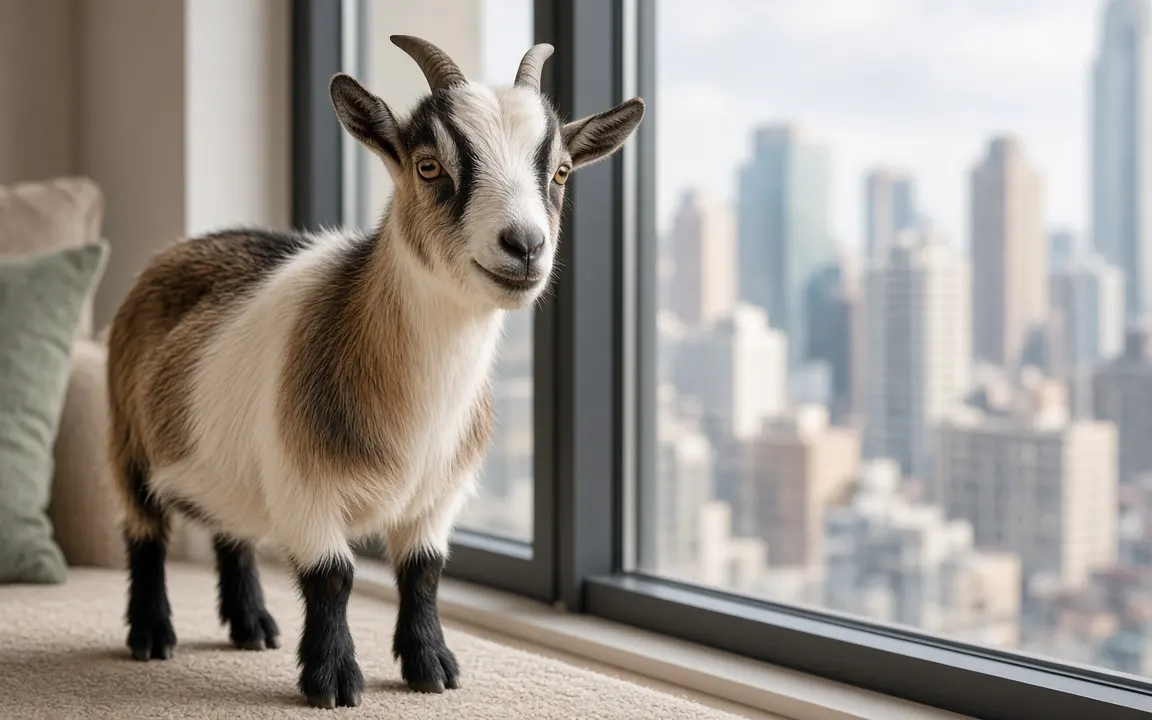
Boston, Massachusetts
What arranging farm animal cremation in Boston is like
On small New England farms, the same families often keep horses, sheep and a milk goat for many years, and 4-H and county fairs are a big part of rural Massachusetts life. When cremation isn't realistic, keeping a length of tail, a fleece, a bell or a fair ribbon gives the family something to hold. Some farms set a fieldstone at the edge of the pasture.
New England mud season, the weeks of thaw in March and April, can make pastures nearly impassable for a heavy truck, and deep snow in February is no easier. When you call about collection, describe the ground, the gate width and whether the barn has a concrete apron. A cow, horse or llama that dies in an icy paddock may need a tractor to drag it somewhere a winch can reach.
In a metro the size of Boston, the provider that answers the phone fastest isn't always the one that can help. A pet crematory in the city may take a 60 lb pygmy goat without a second thought, then turn down a 200 lb kunekune because the chamber door is too narrow. Large-animal crematories tend to sit on the rural fringe, near horse country, because they need space and permits. Budget for a drive, or for a collection fee that reflects one.
Boston's population is around 672,973, the largest of the 61 Massachusetts communities we cover.
If you want to compare providers, look at Cambridge (3 miles), Chelsea (3 miles) and Somerville (3 miles). Distance matters because pickup fees and the time until the ashes come back both grow with the drive.
55.9%[1]
The NFDA projected Massachusetts's cremation rate at 55.9% for 2024.
$600-$1,000[2]
Cremating a 1,000-pound horse was reported to cost about $600-$1,000, depending on location and the price of propane.
3-5% of body weight[3]
Embrace notes cremated remains typically weigh about 3-5% of the pet's original body weight.
Sources for the statistics above: Extension Horses (eXtension national Cooperative Extension) and Embrace Pet Insurance.
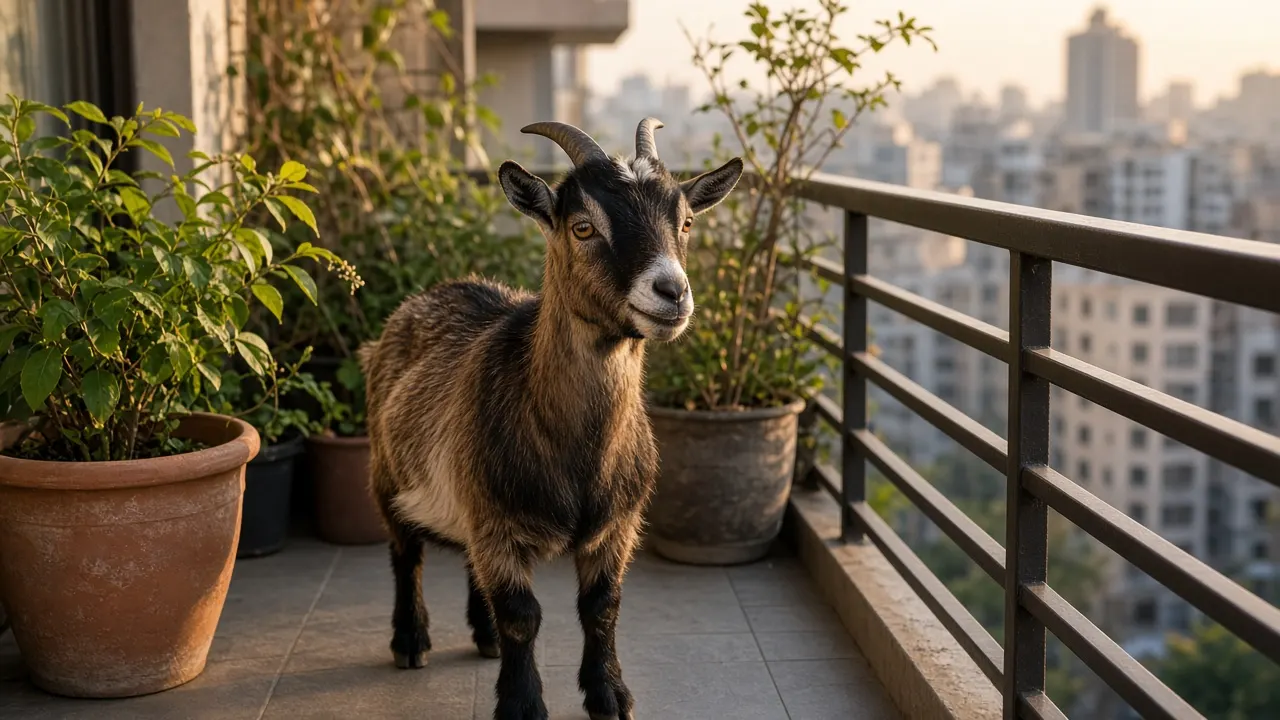
How Massachusetts thinks about cremation
In Massachusetts, about 55.9%[1] of people are cremated, a figure somewhere in the middle. Farming communities here often have a long habit of dealing with dead stock on the farm, through burial, composting or the renderer. That habit can make it feel unusual to ask for a private cremation for a goat. It isn't unusual any more, and any good provider will take the request seriously.
Source for the Massachusetts number: NFDA 2024 Cremation & Burial Report state projections (via Occasional Sage) (2024). Nobody publishes a pet cremation rate for Boston, so the human figure is the best local signal available.
When the weather sets the timetable in Boston
Winter in Boston is also when a frozen water trough or a hard night can take a vulnerable animal suddenly. If you find a goat or sheep dead in the morning after a cold snap and the cause isn't obvious, it's still worth a call to your vet. Some losses in cold weather are simply age and exposure; others are illnesses the rest of the herd might share.
Snow and ice can delay collection, especially from farm tracks. If a winter storm is forecast and one of your animals is very old or unwell, ask your vet now what the plan would be. A body kept in an unheated shed stays in good condition for longer in the cold, but it can freeze to the ground or to bedding, so lay it on a tarp you can drag.

What farm animal cremation costs in Boston
Weight drives the price, and farm species cover an enormous range: a bantam hen weighs a couple of pounds, a mature kunekune can top 200. Private cremation for pets over 90 lb is listed at about $350 to $450[4], and heavier animals are usually quoted individually. As a yardstick for anything very large, horse cremation works out to roughly $0.80/lb[5].
Rather than repeat the price table on every city page, we keep one for Massachusetts: Massachusetts costs. What each service includes is on the services page.

Free tool
Cremation cost calculator
Estimate a realistic price range for your pet's size, location and the type of cremation.
Rules worth knowing in Massachusetts
If you rent your land or keep animals on someone else's property, the landowner's say matters as much as the law. Many tenancies and grazing agreements forbid burial, and a landlord may not want a compost pile either. Cremation needs nobody's permission. Here's the general picture for pets in Massachusetts; your lease may add conditions of its own.
For what Boston itself says, see City of Boston Animal Care and Control. Its pages cover municipal collection; a private cremation is arranged separately. To find your county or city office in Massachusetts, start with the official Massachusetts local government directory.
The Massachusetts page sets out who oversees pet cremation and what the state says about burial and scattering. Boston's own bylaws can sit on top of that, so ask before you dig.
Step by step, from the field to the ashes
- Stop and count. Two or more birds or animals dying within a day or two, with no obvious cause such as a predator, is a reason to pause before you move anything.
- Put on gloves and keep the bodies away from the living stock. Birds go in two bags; bigger animals get covered where they've fallen.
- Ring the vet, or your national animal health agency, then give a precise account of what you found. In many countries, bird flu, swine fevers and a number of sheep and goat diseases have to be reported.
- Wait for the all-clear before you cremate, bury or compost anything. You may be offered testing, and one of the bodies might have to go off to a lab first.
- Keep visitors and borrowed equipment off the property until you know more, and scrub boots and feeders between pens.
- Once you're cleared, decide animal by animal. Plenty of keepers opt for a communal cremation for most of a flock and a private one for a single favorite bird.
A lasting place for your animal near Boston
Boston proper has almost no livestock, but within an hour you reach the horse farms and hunt country of the North Shore around Hamilton and Ipswich, the dairy and beef farms of Worcester County, and hobby farms with goats, sheep and alpacas across MetroWest. Sanctuaries for rescued farm animals operate in the state too. After a death, the farm's vet is usually the starting point, and individual cremation at this size may mean a long drive.
Every option Boston families choose between is on the services page, or look at how readers voted in our polls, run the numbers with the free planning tools, read our guides and latest articles. If you live between Boston and Lynn, Worcester, Lowell and Cambridge, either page applies. Every other community in Massachusetts, and all of the United States, is listed too.

Reader polls
What would you choose?
Vote anonymously and see how other readers answered. The results are live counts from people who visit this site, so they show real opinions, not a scientific sample.
Before today, did you know the burial rules for farm species where you live?
Tap an answer to vote and see how others answered. Anonymous.
Would you want your animal's own ashes returned?
Tap an answer to vote and see how others answered. Anonymous.
If you had to decide today, which aftercare would you choose for your pet?
Tap an answer to vote and see how others answered. Anonymous.

Free tools to help you plan
Cremation cost calculator
Estimate a realistic price range for your pet's size, location and the type of cremation.

Livestock mortality planner
Plan disposal capacity and costs for farm losses, from one animal to a herd.

Urn size calculator
Find the urn volume you need from your pet's weight, plus keepsake and sharing options.
Questions people ask
Why does the Boston page quote a human cremation rate?
Because it is the best local signal we have. NFDA 2024 Cremation & Burial Report state projections (via Occasional Sage) (2024) reports about 55.9%[1] of Massachusetts residents are cremated. There is no official pet equivalent, and inventing one would be worse than quoting a real, clearly labelled number.
Which nearby towns can I compare with Boston?
The closest communities we cover are Cambridge (about 3 miles), Chelsea (about 3 miles) and Somerville (about 3 miles). Providers based in those places often serve Boston too. Ask each one for a written total that includes collection, so the distance is priced in.
When is the hardest time of year to arrange a burial in Boston?
January, February, March and December: average lows are below freezing then, and frozen ground makes a home grave slow or impossible until it thaws. The other pressure point is July, when highs around 82°F mean a body needs cooling and collecting quickly.
Is there anywhere in Boston that takes a 200 lb pig or a llama?
In a metro like Boston, the pet crematories inside the city may stop well short of 200 lb, but equine and large-animal crematories on the rural fringe often take big pigs, llamas and donkeys. Ask your farm vet which one they use. Some charge by the pound, and delivering the animal yourself by trailer can lower the price.
Do sheep and goats need testing before cremation?
Not usually for a pet crematory. But if a sheep or goat dies unexpectedly, your vet may suggest a post-mortem, and in the US older sheep and goats can often be sampled for scrapie surveillance. Ask before the body leaves, because testing can't be done after cremation. A few crematories won't accept an animal suspected of a notifiable disease.
How much does it cost to cremate a pet pig in Boston?
It depends mostly on weight. A young pot-bellied pig may fit the largest pet band, about $350 to $450 for private cremation in the US, but a mature kunekune or farm pig is usually quoted individually and may need an equine or large-animal crematory. Collection is extra, and some providers need a trailer delivery for heavy pigs.


Sources and our estimates
- [1] The NFDA projected Massachusetts's cremation rate at 55.9% for 2024. NFDA 2024 Cremation & Burial Report state projections (via Occasional Sage), 2024.
- [2] Cremating a 1,000-pound horse was reported to cost about $600-$1,000, depending on location and the price of propane. Extension Horses (eXtension national Cooperative Extension) - Horse Disposal Options, 2019, 2019.
- [3] Embrace notes cremated remains typically weigh about 3-5% of the pet's original body weight. Embrace Pet Insurance - Bury or Cremate Your Dog? Costs, Pros & Cons, 2025.
- [4] CareCredit lists US communal cremation at $150-$200 and private at $350-$450 for pets over 90 lb. CareCredit (Synchrony) - How Much Does Pet Cremation Cost? (Sept 2023), 2023.
- [5] Midpoint horse cremation cost works out to about $0.80 per pound of body weight, versus about $0.14 per pound for rendering pickup and $0.23 per pound for on-farm composting. Our estimate: cremation $800 / 1,000 lb; rendering $137.50 / 1,000 lb; composting $275 / 1,200 lb. How we calculate.
- [6] The average value lost per dead cow or calf in 2015 was about $997. Our estimate: $3.87 billion / 3.88 million head. How we calculate.
Tell us about your goat, sheep, pig or bird
Tell us what you need and where you are. We'll reply by email with clear options and prices so you can decide in your own time.