Goat, pig and alpaca aftercare in Cambridge, Massachusetts
Whether it's a single backyard hen or a 180 lb alpaca, the questions are the same: is it legal to bury, who can collect, and can I have my own animal's ashes back? Here are the answers.
- What to do in the first few hours
- Disease reporting, explained plainly
- Keepsakes: fleece, feathers, halter
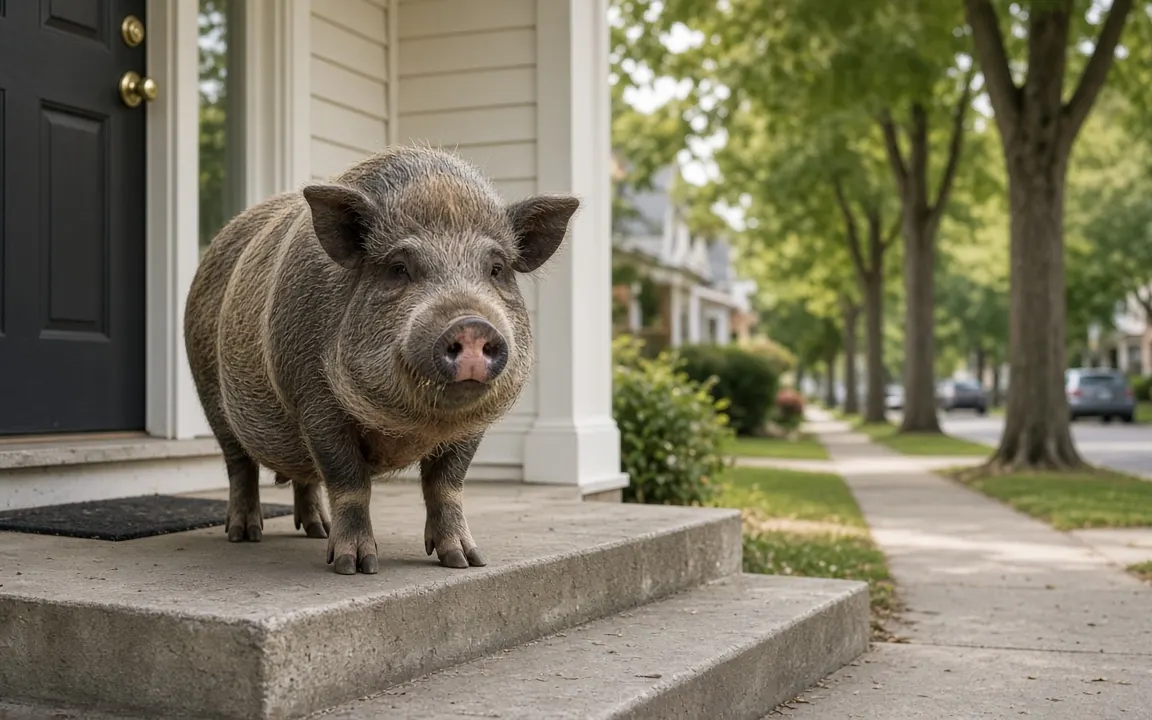
Cambridge, Massachusetts
What arranging farm animal cremation in Cambridge is like
There's no livestock in Cambridge, and the closest horse barns and small farms are out past Route 128 in towns like Lincoln and Concord, or farther west along Route 2. Residents who board a horse or keep goats or alpacas on a friend's farm will deal with a large-animal service near that property, so ask the barn manager now what their usual arrangement is.
Aftercare for a horse or farm animal kept in the suburbs usually means choosing whether you want ashes back. Individual cremation returns them at a higher price; group cremation or rendering does not. A crematory set up for heavy bodies may be a long haul from the Boston area, so transport can be a big share of the bill. Get each estimate itemized before deciding.
Some vets in Cambridge may be willing to hold a small animal such as a hen or a young kid in a cold room for a day while you decide. For anything larger that's rarely possible. Know before you call whether you're asking for storage, collection or simply advice, and the conversation will go quicker.
With roughly 122,588 residents, Cambridge is the 4th-largest of the 61 Massachusetts communities we cover. Some of the providers who serve Cambridge are based about 2 miles away in Boston, the nearest larger centre, so collection times reflect that drive.
Families in Cambridge often end up using a provider from Somerville (1 miles), Boston (3 miles, a larger centre) and Brookline (3 miles). That is normal: crematories serve a radius, not a single town, and the drive is priced into collection.
55.9%[1]
The NFDA projected Massachusetts's cremation rate at 55.9% for 2024.
$600-$1,000[2]
Cremating a 1,000-pound horse was reported to cost about $600-$1,000, depending on location and the price of propane.
3-5% of body weight[3]
Embrace notes cremated remains typically weigh about 3-5% of the pet's original body weight.
The numbers above come from Extension Horses (eXtension national Cooperative Extension) and Embrace Pet Insurance, if you'd like to read the original sources.
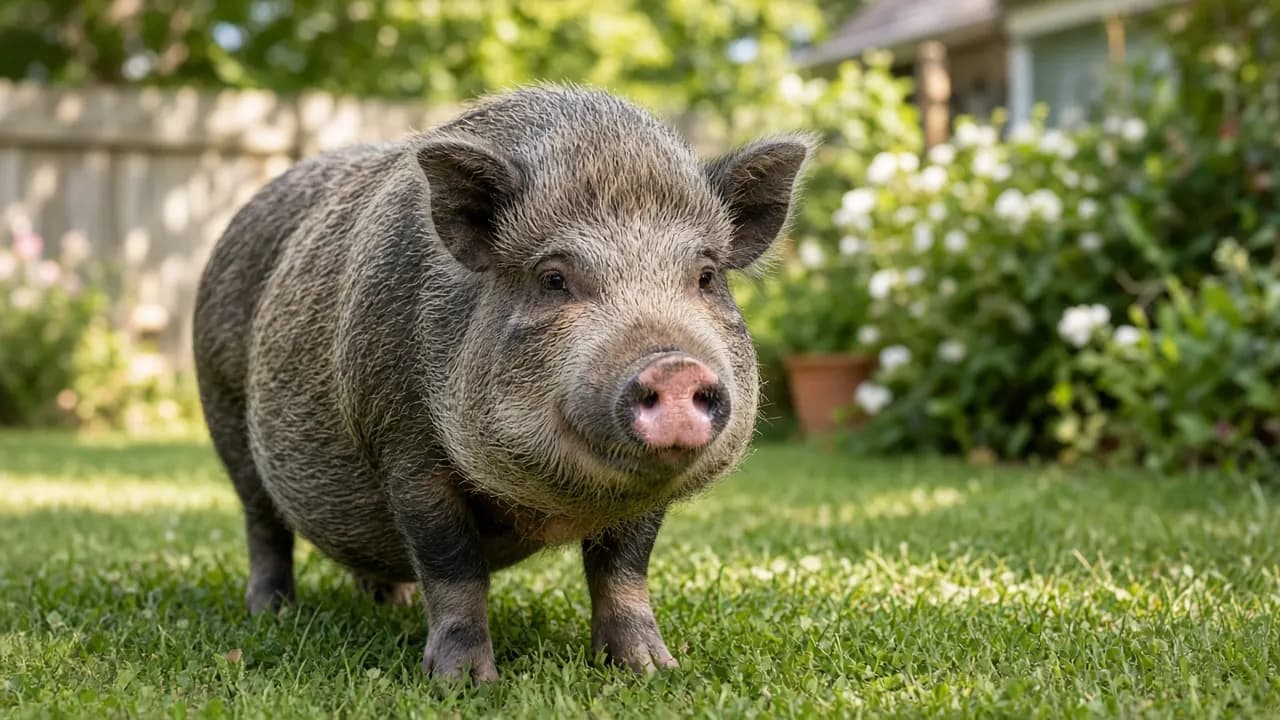
Cremation rates in Massachusetts and your animal
About 55.9%[1] of people in Massachusetts are cremated, and the figure has been climbing for years. Farm animal aftercare has followed at its own pace. Burial on the farm is still common for stock, but more families now choose cremation for the animals they named: the pet goat, the old ewe, the pig that followed the children around the yard.
That Massachusetts rate is a human one, published by NFDA 2024 Cremation & Burial Report state projections (via Occasional Sage) (2024). We quote it for Cambridge only as a pointer to how families here already think about cremation.
Heat, cold and timing in Cambridge
Composting, which many farms use for dead stock, slows right down in cold weather. Extension guidance says a carcass pile needs to reach 135-140 F[4] to work properly, and a pile started in the middle of a Cambridge winter may struggle to heat up without plenty of dry bedding. For a single named animal, most people find cremation simpler than managing a pile through the freeze.
Winter around Cambridge can make rendering and collection trucks less reliable, with snowed-in yards and short days. There's an upside: a cold barn holds a body well for a day or two, so you have time to compare two cremation quotes instead of taking the first. Keep the body off the bare floor and out of reach of hungry wildlife.

Budgeting in Cambridge for a pig, ewe or goat
Cremation isn't the only option, and it's worth knowing what the alternatives cost. A renderer's pickup fee typically runs about $75-$200[5] for a large animal where the service still exists, but only about 50%[6] of US states still have a rendering plant. Renting a backhoe for a deep burial costs roughly $250-$500[7]. Neither returns anything, which is why many people choose cremation for a named animal.
The full price table by size is on our Massachusetts page, and the services page explains what each option includes.

Free tool
Cremation cost calculator
Estimate a realistic price range for your pet's size, location and the type of cremation.
Livestock and pet rules in Massachusetts
If your animal was euthanized, the drugs remain in the body and can poison scavenging wildlife, and US drug labels have warned since 2003[9] that such animals need deep burial, incineration or another approved route. That alone rules out a shallow grave. The notes below cover the general rules in Massachusetts; cremation meets all of them.
The official Massachusetts local government directory lists every county and city office, which is the quickest way to find who to ask in Cambridge.
The Massachusetts page sets out who oversees pet cremation and what the state says about burial and scattering. Cambridge's own bylaws can sit on top of that, so ask before you dig.
If your animal dies today: a plan for Cambridge
- Cover the body loosely, then shift it somewhere shaded or into a cool shed, if that can be done safely.
- Let the herd or flock settle. One keeper will give a close companion a little time beside the body; another takes it away at once. Neither is wrong.
- Talk to your vet about why it died, whether anything must be reported and, for a sheep or goat, what testing is available.
- Compare two providers if time allows. With farm species, weight limits and collection charges vary more than the cremation price.
- Confirm whether it's private, partitioned or communal, and get it on paper, since the three terms get muddled.
- Choose what the ashes come home in. For a hen, a small container is plenty, while a sheep or goat will fill a full-size scatter tube or urn.
Remembering your animal in Cambridge
Winter in eastern Massachusetts is the hardest time for large-animal removal. Frozen ground, deep snow and icy farm lanes can hold up a truck for days after a nor'easter. If you board an animal well outside the city, leave written instructions with the barn about cremation, rendering or another option, so decisions don't wait on your drive out from Cambridge in bad weather.
run the numbers with the free planning tools, or see what other families chose in the poll results, See what each option includes on our services page, look through our guides and the blog. You can also browse every city in the United States. Nearby, we also cover Boston, Lynn, Springfield and Brockton, and every city in Massachusetts.

Reader polls
What would you choose?
Vote anonymously and see how other readers answered. The results are live counts from people who visit this site, so they show real opinions, not a scientific sample.
Would you want your animal's own ashes returned?
Tap an answer to vote and see how others answered. Anonymous.
Before today, did you know the burial rules for farm species where you live?
Tap an answer to vote and see how others answered. Anonymous.
If you had to decide today, which aftercare would you choose for your pet?
Tap an answer to vote and see how others answered. Anonymous.

Free tools to help you plan
Cremation cost calculator
Estimate a realistic price range for your pet's size, location and the type of cremation.

Livestock mortality planner
Plan disposal capacity and costs for farm losses, from one animal to a herd.

Urn size calculator
Find the urn volume you need from your pet's weight, plus keepsake and sharing options.
Questions people ask
Can a provider from a neighbouring town collect from Cambridge?
Usually yes. Somerville is about 1 miles away, Boston is about 3 miles away and Brookline is about 3 miles away, all inside a normal collection radius. Get the mileage written into the quote so there is no surprise on the day.
Where are the providers that serve Cambridge actually based?
Some are local, and some run from Boston, about 2 miles away. That is normal for a city this size. What matters is the collection time they quote for Cambridge and whether the drive is priced into the total, so ask both up front.
How do Massachusetts attitudes to cremation compare?
NFDA 2024 Cremation & Burial Report state projections (via Occasional Sage) (2024) puts the Massachusetts human cremation rate at about 55.9%[1]. We show it on the Cambridge page because pet aftercare choices tend to track it: where cremation is normal for people, communal and private pet cremation are both easy to find.
How does Cambridge's weather affect farm animal aftercare?
July is the hottest month in Cambridge, with average highs around 82°F, so prompt collection matters most then. Average lows drop below freezing in January, February, March and December, which can make digging a grave hard until spring.
Is it cheaper to cremate two goats or sheep together?
Sometimes. Some providers charge by combined weight for a joint cremation of bonded animals, which can cost less than two separate private cremations; the ashes come back mixed in one urn. Others price each animal on its own. If both died together, or you'd like a companion's ashes added later, ask for a price on each option before you decide.
Can my goat or sheep be cremated with its halter or blanket?
Many providers allow a natural-fiber halter, a cotton blanket or a handful of hay to go with the animal, but metal buckles, bells and plastic ear tags are usually removed first. If you'd like to keep the halter or bell, say so; it's one of the most common keepsakes. Check what the provider allows before the day so nothing precious goes by mistake.


Sources and our estimates
- [1] The NFDA projected Massachusetts's cremation rate at 55.9% for 2024. NFDA 2024 Cremation & Burial Report state projections (via Occasional Sage), 2024.
- [2] Cremating a 1,000-pound horse was reported to cost about $600-$1,000, depending on location and the price of propane. Extension Horses (eXtension national Cooperative Extension) - Horse Disposal Options, 2019, 2019.
- [3] Embrace notes cremated remains typically weigh about 3-5% of the pet's original body weight. Embrace Pet Insurance - Bury or Cremate Your Dog? Costs, Pros & Cons, 2025.
- [4] A carcass compost pile should reach 135-140 F within 15 days and be held at temperature for 3-12 weeks. USDA APHIS / Center for Food Security and Public Health (Iowa State) - Disposal: Composting, Rendering & Burial handout, based on NAHEMS Disposal Guidelines (2012), 2012.
- [5] Rendering companies typically charge a pickup fee of $75-$200 to remove a horse carcass, depending on location. Extension Horses (eXtension national Cooperative Extension) - Horse Disposal Options, 2019, 2019.
- [6] Only about 50% of U.S. states have rendering plants, most of them concentrated in the Midwest. Extension Horses (eXtension national Cooperative Extension) - Horse Disposal Options, 2019, 2019.
- [7] Renting a backhoe to bury a horse costs roughly $250-$500, and horse disposal in a landfill (where accepted) costs about $80-$150. Extension Horses (eXtension national Cooperative Extension) - Horse Disposal Options, 2019, 2019.
- [8] Each HPAI-infected premises averaged about 102,814 affected birds (Feb 2022-Sep 2025). Our estimate: 179,000,000 / 1,741. How we calculate.
- [9] Since 2003 the FDA has required euthanasia drug labels to warn that euthanized animals must be disposed of by deep burial, incineration or another approved method to keep scavenging wildlife from eating the carcass. Cornell Waste Management Institute & Penn State - Horse Mortality: Carcass Disposal Alternatives (2012), 2003.
Get local prices for your animal's weight
Tell us what you need and where you are. We'll reply by email with clear options and prices so you can decide in your own time.