Farm animal cremation in McKinney
Your goat, sheep or pig is family, but the law usually files it under livestock. Here's what that means locally, who will take an animal this size and what it costs to bring the ashes home.
- What to do in the first few hours
- Disease reporting, explained plainly
- Keepsakes: fleece, feathers, halter
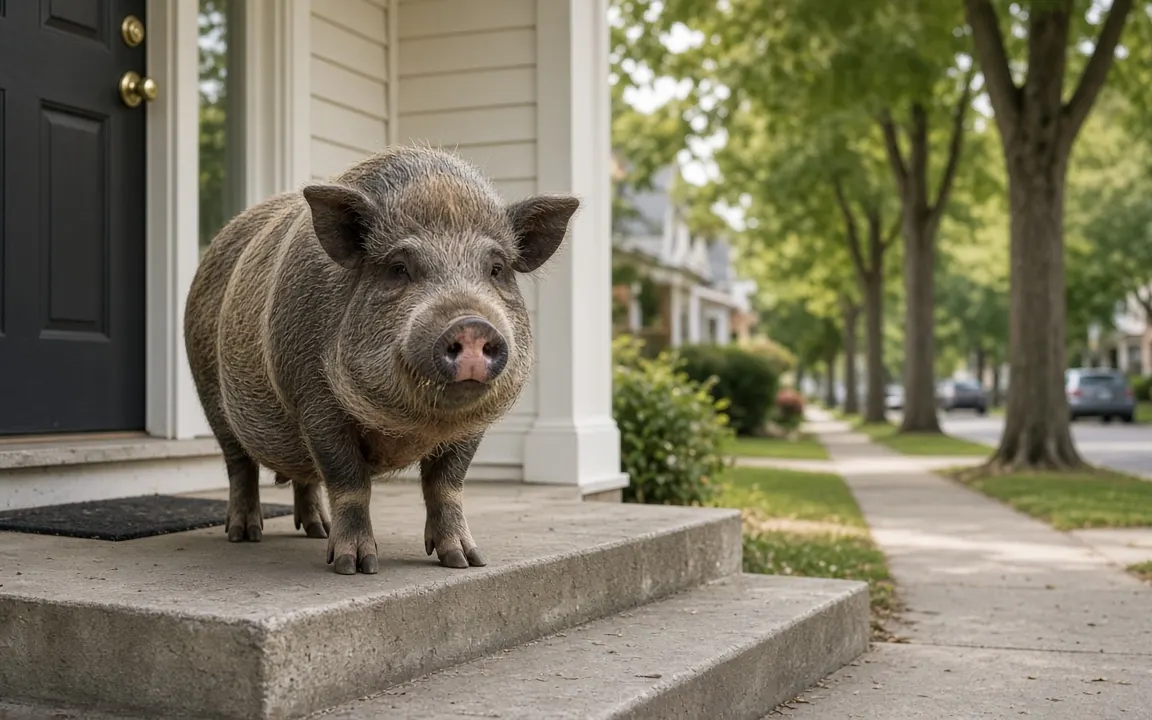
McKinney, Texas
Goats, pigs and backyard flocks in McKinney
Some McKinney families have kept horses, donkeys or cattle on the same land for generations, while newer arrivals keep a couple of goats or a retired horse on a few acres. Either way, the land around you is changing fast, and burial on your property may be less practical than it once was. Knowing your cremation options ahead of time makes a hard day easier.
East and north of McKinney, towards Princeton, Melissa, Anna and Farmersville, Collin County's farmland still holds cattle, horse properties, hay meadows and hobby farms with goats, sheep and pigs, even as subdivisions spread. When a large animal dies on one of these properties, tell a provider about gates, pasture conditions and whether a truck with a winch can get close to the animal.
Some McKinney keepers are surprised to learn that the rules for dead livestock in Texas apply to a single pet goat or sheep just as they would to a herd. Those rules usually set a time limit and a minimum burial depth, and some forbid certain disposal methods entirely. Cremation is always within them. Before you dig, check what applies locally, and before you call a crematory, weigh your animal or estimate the weight honestly.
McKinney is home to about 236,001 people, the 15th-largest of the 325 Texas communities we cover. Frisco, roughly 11 miles off, is the closest larger centre, and a share of the providers who cover McKinney run from there.
For a second opinion on price, Allen (7 miles), Princeton (8 miles) and Melissa (8 miles) are close enough that their providers cover McKinney routinely. Two written quotes tell you more than any price list.
55.7%[1]
The NFDA projected Texas's cremation rate at 55.7% for 2024.
$600-$1,000[2]
Cremating a 1,000-pound horse was reported to cost about $600-$1,000, depending on location and the price of propane.
3-5% of body weight[3]
Embrace notes cremated remains typically weigh about 3-5% of the pet's original body weight.
The published sources behind those figures are Extension Horses (eXtension national Cooperative Extension) and Embrace Pet Insurance.
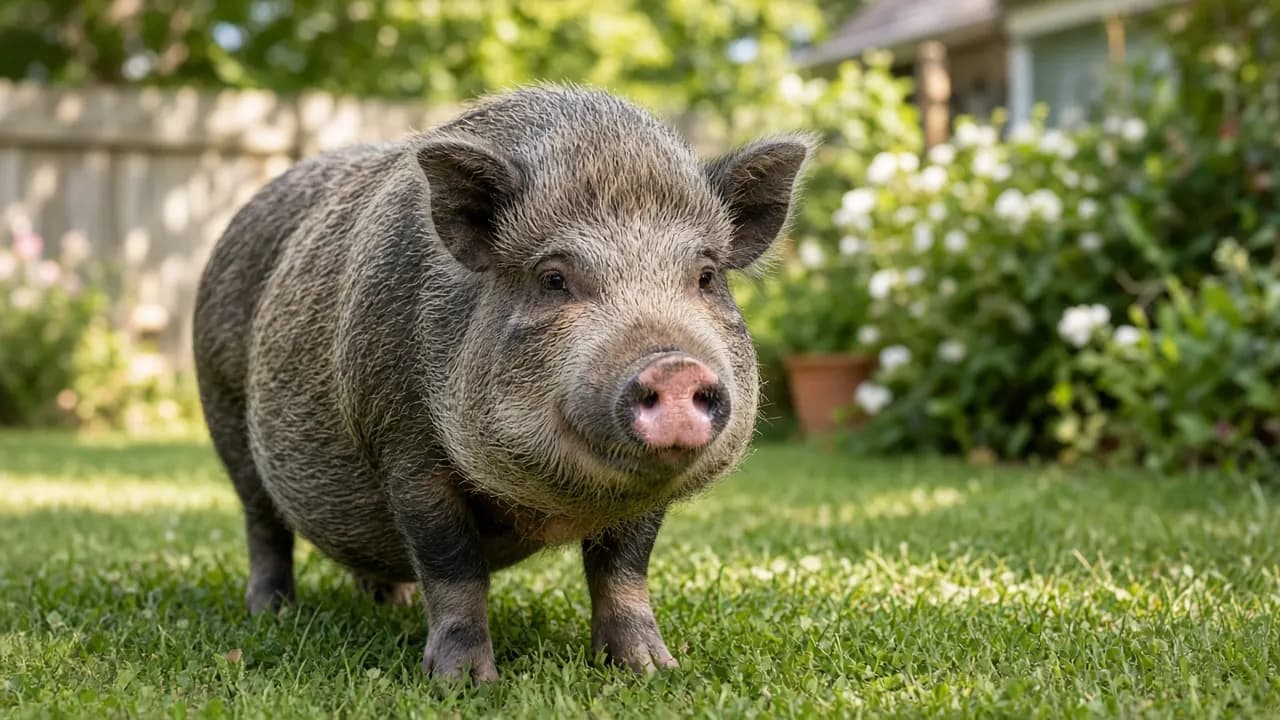
Cremation habits in Texas, and what they mean for your animal
Cremation is now the majority choice for people in Texas, at about 55.7%[1], but burial still has deep roots, especially in farming country. You'll find both traditions among smallholders. Neither is more proper than the other for a goat or sheep; what matters is what the rules allow for that species on your land and what feels right to you.
For the Texas figure we rely on NFDA 2024 Cremation & Burial Report state projections (via Occasional Sage) (2024). Read it as a picture of local custom around death and remembrance in McKinney rather than as pet data.
Heat, cold and timing in McKinney
Whatever the season, keep a few things ready in the barn if you have older stock: a big tarp, a couple of feed sacks or an old sheet, work gloves and the number of a crematory that accepts your kind of animal. It turns the first hour after a death from a scramble into a routine you can follow even when upset.

What farm animal cremation costs in McKinney
Cremation isn't the only option, and it's worth knowing what the alternatives cost. A renderer's pickup fee typically runs about $75-$200[4] for a large animal where the service still exists, but only about 50%[5] of US states still have a rendering plant. Renting a backhoe for a deep burial costs roughly $250-$500[6]. Neither returns anything, which is why many people choose cremation for a named animal.
The full price table by size is on our Texas page, and the services page explains what each option includes.

Free tool
Cremation cost calculator
Estimate a realistic price range for your pet's size, location and the type of cremation.
What Texas allows for goats, sheep, pigs and poultry
If you rent your land or keep animals on someone else's property, the landowner's say matters as much as the law. Many tenancies and grazing agreements forbid burial, and a landlord may not want a compost pile either. Cremation needs nobody's permission. Here's the general picture for pets in Texas; your lease may add conditions of its own.
Not sure which office covers McKinney? The Texas local government directory is the official list.
Start with the Texas rules, which cover burial, scattering and oversight for the whole state, and treat McKinney's local ordinances as a possible extra layer.
What to do first, second and third
- Stop and count. Two or more birds or animals dying within a day or two, with no obvious cause such as a predator, is a reason to pause before you move anything.
- Put on gloves and keep the bodies away from the living stock. Birds go in two bags; bigger animals get covered where they've fallen.
- Ring the vet, or your national animal health agency, and describe exactly what you've seen. Bird flu, swine fevers and several sheep and goat diseases are notifiable in many countries.
- Wait for the all-clear before cremation, burial or composting. Testing may be offered, and a body may need to go to a laboratory first.
- Keep visitors and borrowed equipment off the property until you know more, and scrub boots and feeders between pens.
- Once you're cleared, decide animal by animal. It's common to choose communal cremation for the bulk of a flock while giving one special bird a private cremation of its own.
Remembering your animal in McKinney
McKinney's heavy Blackland Prairie clay turns slick and sticky after spring and autumn rains, and summer heat makes speed essential once a horse, cow or other large animal has died. Plan for both. Ask whether a provider collects from the property, how they handle muddy ground, whether individual cremation with ashes returned is possible and what the full written cost will be.
use the free tools before you ring anyone, Our services overview lays out every option side by side, or see how other readers answered in our polls, there are guides for the big decisions and articles for the details. You can also browse every city in the United States. Nearby, we also cover Dallas, Fort Worth, Austin and San Antonio, and every city in Texas.

Reader polls
What would you choose?
Vote anonymously and see how other readers answered. The results are live counts from people who visit this site, so they show real opinions, not a scientific sample.
Would you want your animal's own ashes returned?
Tap an answer to vote and see how others answered. Anonymous.
Before today, did you know the burial rules for farm species where you live?
Tap an answer to vote and see how others answered. Anonymous.
If you had to decide today, which aftercare would you choose for your pet?
Tap an answer to vote and see how others answered. Anonymous.

Free tools to help you plan
Cremation cost calculator
Estimate a realistic price range for your pet's size, location and the type of cremation.

Livestock mortality planner
Plan disposal capacity and costs for farm losses, from one animal to a herd.

Urn size calculator
Find the urn volume you need from your pet's weight, plus keepsake and sharing options.
Questions people ask
Where are the providers that serve McKinney actually based?
Some are local, and some run from Frisco, about 11 miles away. That is normal for a city this size. What matters is the collection time they quote for McKinney and whether the drive is priced into the total, so ask both up front.
How do Texas attitudes to cremation compare?
NFDA 2024 Cremation & Burial Report state projections (via Occasional Sage) (2024) puts the Texas human cremation rate at about 55.7%[1]. We show it on the McKinney page because pet aftercare choices tend to track it: where cremation is normal for people, communal and private pet cremation are both easy to find.
Which nearby towns can I compare with McKinney?
The closest communities we cover are Allen (about 7 miles), Princeton (about 8 miles) and Melissa (about 8 miles). Providers based in those places often serve McKinney too. Ask each one for a written total that includes collection, so the distance is priced in.
Can someone collect a dead goat or pig from a farm near McKinney?
Yes, most crematories that take farm species offer farm collection, usually with a charge for mileage beyond a base radius. Tell them the weight, how close a vehicle can get and whether there's mud, a slope or gates. Larger animals need a winch or tail-lift, so ask what the crew brings and whether you'll need to help lift.
Is it normal to lose goats or sheep every year?
Sadly, yes. The USDA counted about 500,000 head[8] of adult goats and kids dying in the US in 2015, and sheep producers lost 6.8% of their flocks in 2019[9]. Losses come with keeping stock, which is why many smallholders plan aftercare early. Our livestock mortality planner helps you think it through.
How big an urn do I need for a goat or sheep?
Plan on roughly a cubic inch of capacity for every pound your animal weighed[10]. A 70 lb pygmy goat then needs around 70 cubic inches and a 140 lb ewe around 140, more than most standard pet urns hold. Scattering most of it? A scatter tube plus a small keepsake urn works well. Our urn size calculator will work out the numbers.


Sources and our estimates
- [1] The NFDA projected Texas's cremation rate at 55.7% for 2024. NFDA 2024 Cremation & Burial Report state projections (via Occasional Sage), 2024.
- [2] Cremating a 1,000-pound horse was reported to cost about $600-$1,000, depending on location and the price of propane. Extension Horses (eXtension national Cooperative Extension) - Horse Disposal Options, 2019, 2019.
- [3] Embrace notes cremated remains typically weigh about 3-5% of the pet's original body weight. Embrace Pet Insurance - Bury or Cremate Your Dog? Costs, Pros & Cons, 2025.
- [4] Rendering companies typically charge a pickup fee of $75-$200 to remove a horse carcass, depending on location. Extension Horses (eXtension national Cooperative Extension) - Horse Disposal Options, 2019, 2019.
- [5] Only about 50% of U.S. states have rendering plants, most of them concentrated in the Midwest. Extension Horses (eXtension national Cooperative Extension) - Horse Disposal Options, 2019, 2019.
- [6] Renting a backhoe to bury a horse costs roughly $250-$500, and horse disposal in a landfill (where accepted) costs about $80-$150. Extension Horses (eXtension national Cooperative Extension) - Horse Disposal Options, 2019, 2019.
- [7] The average value lost per dead cow or calf in 2015 was about $997. Our estimate: $3.87 billion / 3.88 million head. How we calculate.
- [8] About 500,000 U.S. adult goats and kids died in 2015, equal to 9.8% of the adult goat inventory and 19.4% of kids born; losses were valued at $69.6 million. USDA APHIS NAHMS - Goat and Kid Predator and Nonpredator Death Loss in the United States, 2015, 2015.
- [9] In 2019, 6.8% of U.S. sheep inventory and 12.0% of the lamb crop were lost to death; predators caused 32.6% of sheep losses and 40.1% of lamb losses. USDA APHIS NAHMS - Death Loss Trends in the U.S. Sheep Industry: 1994-2019 (Sheep Death Loss 2020, published June 2022), 2019.
- [10] Using the industry rule of thumb of 1 cubic inch of urn space per pound of body weight, a 12 lb cat needs an urn of about 12 cubic inches; a 70 lb dog needs about 70 cubic inches. Our estimate: urn cu in = body weight lb x 1 (industry rule of thumb, not a measured value). How we calculate.
Find who takes farm species near you
Tell us what you need and where you are. We'll reply by email with clear options and prices so you can decide in your own time.