When a hobby-farm animal dies in Maud
Losing a named goat, ewe or kunekune hurts, and the paperwork of livestock rules on top of that can feel cold. We explain the options in plain English and can email you local choices.
- Weight limits checked before you load
- Written totals including mileage
- No pressure, just clear local options

Maud, Texas
Hobby-farm aftercare in Maud: the local picture
Cattle, hay and horse pasture spread out around Maud, and many families keep a handful of cows, goats or a couple of horses. Moving one of these animals after death needs a hauler with a trailer and winch, often coming from the Texarkana side. Tell them the exact road, the gate width and how far across the field the animal lies.
Texarkana sits near where Texas, Arkansas, Oklahoma and Louisiana draw close, yet across that whole region only a few crematories can take a horse or grown cow one at a time. Weight and travel set most of the price. Maud-area owners usually hold it up against rendering, and against burying on family acreage where that is allowed, before choosing.
Burial is still common around Maud, and on your own land it's often allowed for many species, with conditions. Those conditions matter: a minimum depth, distances from wells and streams, and in many places a time limit after death. A 150 lb goat needs a much bigger hole than a dog, usually dug by machine. If your animal was euthanized, go deeper than the minimum or choose cremation to protect scavenging wildlife.
Maud's population is around 986, the 313th-largest of the 325 Texas communities we cover.
For a second opinion on price, Redwater (5 miles), New Boston (10 miles, a larger centre) and Hooks (10 miles, a larger centre) are close enough that their providers cover Maud routinely. Two written quotes tell you more than any price list.
55.7%[1]
The NFDA projected Texas's cremation rate at 55.7% for 2024.
$600-$1,000[2]
Cremating a 1,000-pound horse was reported to cost about $600-$1,000, depending on location and the price of propane.
3-5% of body weight[3]
Embrace notes cremated remains typically weigh about 3-5% of the pet's original body weight.
Sources for the statistics above: Extension Horses (eXtension national Cooperative Extension) and Embrace Pet Insurance.

The local attitude to cremation
About 55.7%[1] of people in Texas are cremated, and the figure has been climbing for years. Farm animal aftercare has followed at its own pace. Burial on the farm is still common for stock, but more families now choose cremation for the animals they named: the pet goat, the old ewe, the pig that followed the children around the yard.
The Texas percentage above is from NFDA 2024 Cremation & Burial Report state projections (via Occasional Sage) (2024) and refers to human funerals. Treat it as context for Maud, not as a count of pets.
Heat, cold and timing in Maud
Maud's long warm season (June, July, August and September) is also fly season, and flies find a body within minutes. An old cotton sheet or a few feed sacks draped over the animal keep them off without trapping heat. Check the body every hour or two if pickup is delayed, and keep the other animals from lying beside it in the sun.
Heat affects the living animals too. In August, pigs and heavily fleeced alpacas and sheep are prone to heat stress, and a sudden death in hot weather is worth mentioning to your vet in case others are at risk. If a planned euthanasia is coming up, book it for early morning, when the barn is coolest and the collection crew has the whole day to reach you.
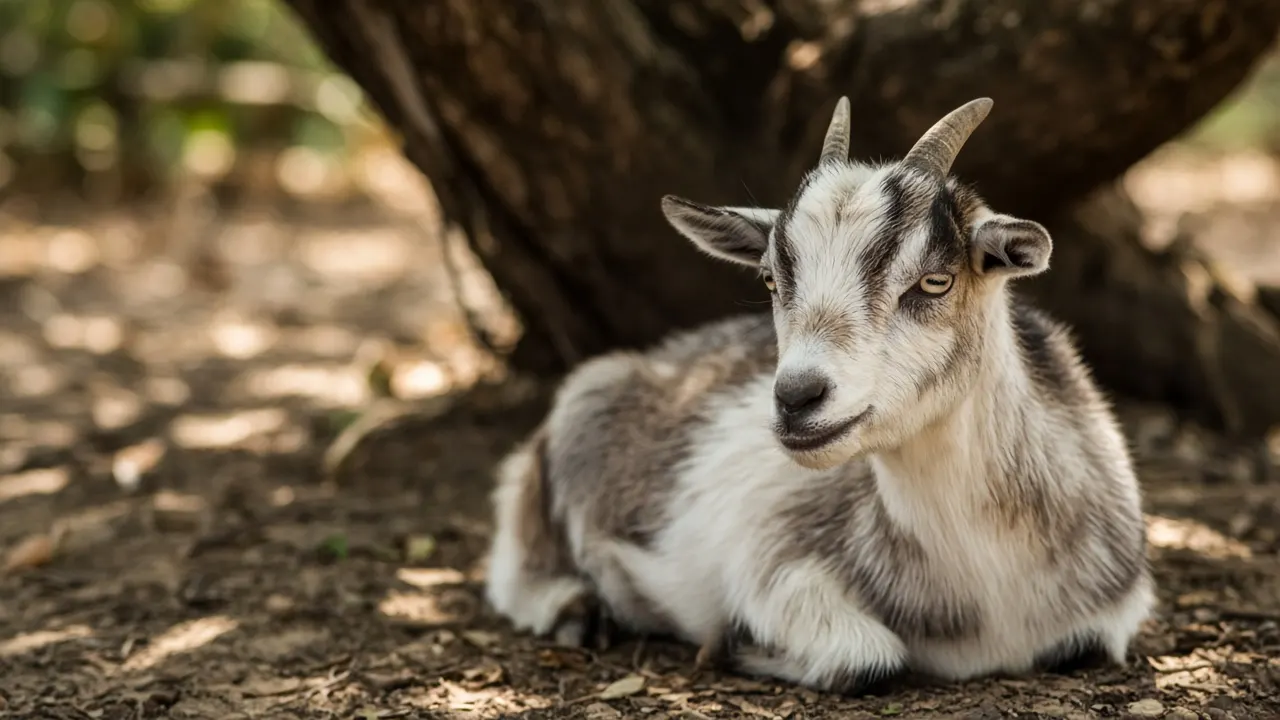
Prices by weight for goats, sheep, pigs and birds
Expect the total in Maud to depend on four things: your animal's weight, private or communal, how the animal gets to the crematory and what the ashes come back in. Communal cremation, where nothing is returned, usually costs half or less. If you can deliver the animal yourself, the collection line on the quote may disappear altogether.
For a line-by-line price table, see the Texas overview; for what's included in each option, see our services.

Free tool
Cremation cost calculator
Estimate a realistic price range for your pet's size, location and the type of cremation.
Livestock law and pet rules in Texas
Composting is an approved route for dead stock in many places: in the 2014–2015 US bird flu outbreak it handled 85%[5] of poultry carcasses, according to the EPA. But it isn't allowed for every species everywhere, and a pile needs careful management. The pet-level picture for Texas is below; check the livestock rules before you build one.
To find your county or city office in Texas, start with the official Texas local government directory.
The Texas page sets out who oversees pet cremation and what the state says about burial and scattering. Maud's own bylaws can sit on top of that, so ask before you dig.
Step by step, from the field to the ashes
- Stop and count. Two or more birds or animals dying within a day or two, with no obvious cause such as a predator, is a reason to pause before you move anything.
- Put on gloves and keep the bodies away from the living stock. Birds go in two bags; bigger animals get covered where they've fallen.
- Ring the vet, or your national animal health agency, then give a precise account of what you found. In many countries, bird flu, swine fevers and a number of sheep and goat diseases have to be reported.
- Wait for the all-clear before you cremate, bury or compost anything. You may be offered testing, and one of the bodies might have to go off to a lab first.
- Keep visitors and borrowed equipment off the property until you know more, and scrub boots and feeders between pens.
- Once you're cleared, decide animal by animal. Plenty of keepers opt for a communal cremation for most of a flock and a private one for a single favorite bird.
Ways to remember a farm companion
Bowie County's red clay and bottomland near the lake can stay slick after spring storms, and a heavy trailer will cut deep ruts. If an older mare, bull or mule is failing, it pays to choose a dry, reachable spot ahead of time. A gravel pad beside the barn or at the end of the driveway is much easier for everyone than a low corner of the pasture.
or look at how readers voted in our polls, use the free tools before you ring anyone, See what each option includes on our services page, the guides answer the longer questions and the blog the newer ones. You can also browse every city in the United States. Nearby, we also cover Houston, Dallas, Fort Worth and San Antonio, and every city in Texas.

Reader polls
What would you choose?
Vote anonymously and see how other readers answered. The results are live counts from people who visit this site, so they show real opinions, not a scientific sample.
How do you think of the animal you've lost, or are about to lose?
Tap an answer to vote and see how others answered. Anonymous.
Would you want your animal's own ashes returned?
Tap an answer to vote and see how others answered. Anonymous.
If you had to decide today, which aftercare would you choose for your pet?
Tap an answer to vote and see how others answered. Anonymous.

Free tools to help you plan
Cremation cost calculator
Estimate a realistic price range for your pet's size, location and the type of cremation.

Livestock mortality planner
Plan disposal capacity and costs for farm losses, from one animal to a herd.

Urn size calculator
Find the urn volume you need from your pet's weight, plus keepsake and sharing options.
Questions people ask
When is the hardest time of year to arrange a burial in Maud?
There is no frozen-ground season here; average lows stay above freezing all year. The other pressure point is August, when highs around 94°F mean a body needs cooling and collecting quickly.
Which nearby towns can I compare with Maud?
The closest communities we cover are Redwater (about 5 miles), New Boston (about 10 miles) and Hooks (about 10 miles). Providers based in those places often serve Maud too. Ask each one for a written total that includes collection, so the distance is priced in.
How do Texas attitudes to cremation compare?
NFDA 2024 Cremation & Burial Report state projections (via Occasional Sage) (2024) puts the Texas human cremation rate at about 55.7%[1]. We show it on the Maud page because pet aftercare choices tend to track it: where cremation is normal for people, communal and private pet cremation are both easy to find.
Can I compost a dead goat or sheep instead?
Sometimes, depending on the species and where you live. Composting works well for poultry and is allowed for many livestock in the US, but a pile has to reach 135-140 F[6] and hold it for weeks, which needs a lot of dry bedding. California bans composting whole sheep and goats. For one named animal, most keepers find cremation simpler.
Is there anyone near Maud who will dig a grave for a large pig or goat?
Often a neighbor or a local contractor with an excavator will, for a fee. Before they dig, check whether burial is allowed for that species at all, and the setbacks from wells, water and property lines. Locate buried pipes and cables first. If a vet euthanized the animal, ask for a grave well below the minimum depth, or choose cremation instead.
Can I be present for my goat or pig's cremation?
Some providers offer a witnessed cremation, where you can be there as it begins. Large-animal crematories may only run big animals on certain days, so ask early. If being present isn't possible, you can still hold a short goodbye at the farm gate before collection and send a halter or a handful of hay along.


Sources and our estimates
- [1] The NFDA projected Texas's cremation rate at 55.7% for 2024. NFDA 2024 Cremation & Burial Report state projections (via Occasional Sage), 2024.
- [2] Cremating a 1,000-pound horse was reported to cost about $600-$1,000, depending on location and the price of propane. Extension Horses (eXtension national Cooperative Extension) - Horse Disposal Options, 2019, 2019.
- [3] Embrace notes cremated remains typically weigh about 3-5% of the pet's original body weight. Embrace Pet Insurance - Bury or Cremate Your Dog? Costs, Pros & Cons, 2025.
- [4] Each HPAI-infected premises averaged about 102,814 affected birds (Feb 2022-Sep 2025). Our estimate: 179,000,000 / 1,741. How we calculate.
- [5] Composting was used for 85% of poultry carcasses in the 2014-2015 U.S. HPAI outbreak; EPA lists composting and permitted landfills as the preferred disposal methods. U.S. EPA - Carcass Management During Avian Influenza Outbreaks, 2015.
- [6] A carcass compost pile should reach 135-140 F within 15 days and be held at temperature for 3-12 weeks. USDA APHIS / Center for Food Security and Public Health (Iowa State) - Disposal: Composting, Rendering & Burial handout, based on NAHEMS Disposal Guidelines (2012), 2012.
Tell us about your goat, sheep, pig or bird
Tell us what you need and where you are. We'll reply by email with clear options and prices so you can decide in your own time.