Bringing your farm pet's ashes home in Granbury
Losing a named goat, ewe or kunekune hurts, and the paperwork of livestock rules on top of that can feel cold. We explain the options in plain English and can email you local choices.
- Honest prices by body weight
- Farm collection, winch and trailer tips
- Fallen-stock and communal options too

Granbury, Texas
Goats, pigs and backyard flocks in Granbury
Hood County sits in some of the most horse-minded country in Texas, close to the cutting and reining barns around Weatherford and Fort Worth. Ranchettes with a couple of geldings, donkeys or goats line the roads outside Granbury. Because large-animal cremation is done at only a few regional facilities, quotes tend to hinge on hauling distance; ask for that figure on its own line.
Summer drought and grass fires are part of life on the Cross Timbers edge, and dry spells can push owners to make hard decisions about aging stock. If you are weighing euthanasia for an old horse or cow, talk with your vet about timing and aftercare together. Arranging removal in advance means the day itself can be calmer for you and the animal.
Farm vets covering Granbury often drive long rounds, so a planned euthanasia may have to fit their route. Ask whether they can come at the start of the day, and whether they'll coordinate with the crematory or collector so the body isn't left waiting. Some rural vets do this so often they'll ring the provider for you.
Granbury is home to about 13,263 people, the 185th-largest of the 325 Texas communities we cover. The nearest larger centre is Fort Worth, about 35 miles (56 km) away, which is where some providers serving Granbury are based.
Families in Granbury often end up using a provider from Aledo (21 miles), Weatherford (22 miles, a larger centre) and Joshua (24 miles). That is normal: crematories serve a radius, not a single town, and the drive is priced into collection.
55.7%[1]
The NFDA projected Texas's cremation rate at 55.7% for 2024.
$600-$1,000[2]
Cremating a 1,000-pound horse was reported to cost about $600-$1,000, depending on location and the price of propane.
3-5% of body weight[3]
Embrace notes cremated remains typically weigh about 3-5% of the pet's original body weight.
Where these figures come from: Embrace Pet Insurance and Extension Horses (eXtension national Cooperative Extension).

Cremation habits in Texas, and what they mean for your animal
The cremation habit in Texas, now at roughly 55.7%[1] for people, is still spreading outward from the cities. Farm pets follow the same pattern. Keepers near town usually find cremation easy to book, while those further out may be steered towards the renderer or a backhoe by default. If cremation is what you want, ask for it by name.
NFDA 2024 Cremation & Burial Report state projections (via Occasional Sage) (2024) is where the Texas figure comes from. It counts people; we use it because attitudes to cremating a pet in Granbury tend to follow attitudes to cremation generally.
Heat, cold and timing in Granbury
Granbury summers are hot, with August highs averaging around 95°F. That shortens the time you have. The rumen of a goat, sheep or alpaca keeps fermenting after death, and in heat the body can bloat within hours. Move your animal into deep shade or a cool barn, lay it on its side on straw or a tarp, and cover it loosely against flies. Ask for same-day collection.
On a 95°F day in August, a metal trailer or pickup bed turns into an oven. If you're delivering the animal yourself, go at first light, load in shade and drive straight there. Call ahead so the crematory is ready to receive your goat or pig instead of leaving it in a hot vehicle in the yard.
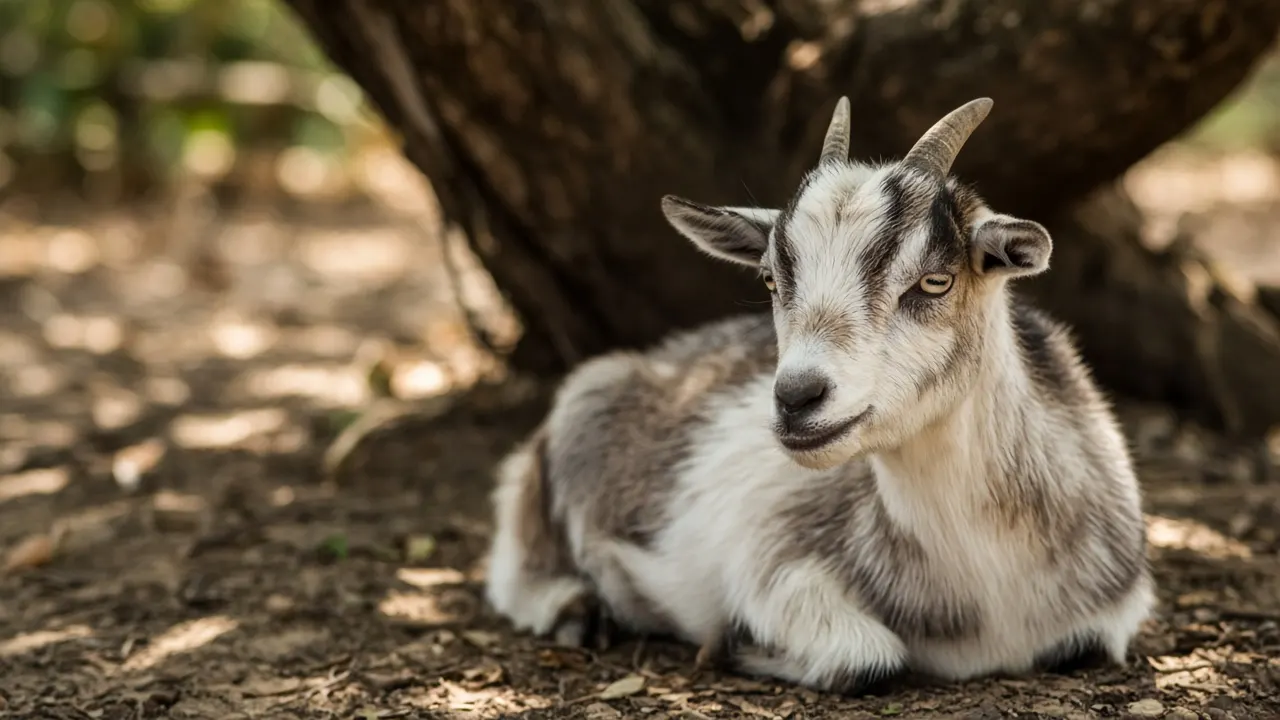
What farm animal cremation costs in Granbury
Expect the total in Granbury to depend on four things: your animal's weight, private or communal, how the animal gets to the crematory and what the ashes come back in. Communal cremation, where nothing is returned, usually costs half or less. If you can deliver the animal yourself, the collection line on the quote may disappear altogether.
The full price table by size is on our Texas page, and the services page explains what each option includes.

Free tool
Cremation cost calculator
Estimate a realistic price range for your pet's size, location and the type of cremation.
Livestock law and pet rules in Texas
Rules for dead farm animals change more across borders than almost any other part of pet aftercare. England bans burying pet pigs, sheep and goats; many US states allow it with conditions; California even bans composting whole sheep and goats. The general notes for Texas follow. Treat them as the pet baseline and check livestock rules on top.
Texas keeps an official directory of local governments; use it to reach the county or city office that covers Granbury.
For Texas's rules on burying a pet at home or scattering ashes, see the Texas guide. Local rules in Granbury can be stricter than the state's, especially in homeowners' associations and rentals.
A practical checklist for smallholders in Granbury
- Check the time. In warm weather, aim to have your animal collected or delivered the same day. Ruminants bloat quickly.
- Lay the body on a tarp that's sturdy enough to pull, and prop the head up a little if you can; loading will go much more smoothly afterwards.
- Call a vet if more than one animal has died, and also when something doesn't look right, above all with pigs or a backyard flock.
- Ring providers with the species, weight and your location. Find out the chamber size, what lifting equipment they have and how far they'll travel.
- Get the price in writing, and make sure it covers mileage, out-of-hours fees and any winch charge.
- Watch the others. Donkeys, alpacas and goats sometimes pace or call out for days. Hold to the usual routine and spend longer with the animal that was closest.
Ashes, fleece and memories on the farm
Cedar breaks, rocky pasture and steep draws toward the Brazos can make it hard for a truck to reach an animal that went down far from the barn. Before calling, walk the route yourself if you can and note gates, washes and soft ground. A removal crew can then plan whether a winch, a skid-steer or simply a longer cable is needed.
try the free planning tools, browse in-depth guides or recent articles, For a plain comparison of the choices, open services, or see what other families chose in the poll results. More local pages: El Paso, Austin, San Antonio and Dallas, the Texas overview and every city in the United States.

Reader polls
What would you choose?
Vote anonymously and see how other readers answered. The results are live counts from people who visit this site, so they show real opinions, not a scientific sample.
Before today, did you know the burial rules for farm species where you live?
Tap an answer to vote and see how others answered. Anonymous.
Would you want your animal's own ashes returned?
Tap an answer to vote and see how others answered. Anonymous.
If you had to decide today, which aftercare would you choose for your pet?
Tap an answer to vote and see how others answered. Anonymous.

Free tools to help you plan
Cremation cost calculator
Estimate a realistic price range for your pet's size, location and the type of cremation.

Livestock mortality planner
Plan disposal capacity and costs for farm losses, from one animal to a herd.

Urn size calculator
Find the urn volume you need from your pet's weight, plus keepsake and sharing options.
Questions people ask
Can a provider from a neighbouring town collect from Granbury?
Usually yes. Aledo is about 21 miles away, Weatherford is about 22 miles away and Joshua is about 24 miles away, all inside a normal collection radius. Get the mileage written into the quote so there is no surprise on the day.
Why does the Granbury page quote a human cremation rate?
Because it is the best local signal we have. NFDA 2024 Cremation & Burial Report state projections (via Occasional Sage) (2024) reports about 55.7%[1] of Texas residents are cremated. There is no official pet equivalent, and inventing one would be worse than quoting a real, clearly labelled number.
When is the hardest time of year to arrange a burial in Granbury?
There is no frozen-ground season here; average lows stay above freezing all year. The other pressure point is August, when highs around 95°F mean a body needs cooling and collecting quickly.
Where are the providers that serve Granbury actually based?
Some are local, and some run from Fort Worth, about 35 miles away. That is normal for a town this size. What matters is the collection time they quote for Granbury and whether the drive is priced into the total, so ask both up front.
How long until I get my farm animal's ashes back?
Many families get the ashes within one to two weeks. A large animal can take longer, because the cremation itself runs for hours and the provider may batch large-animal days. If the crematory is in a larger centre away from Granbury, add time for the return trip, or arrange to collect the ashes yourself.
Can I compost a dead goat or sheep instead?
Sometimes, depending on the species and where you live. Composting works well for poultry and is allowed for many livestock in the US, but a pile has to reach 135-140 F[5] and hold it for weeks, which needs a lot of dry bedding. California bans composting whole sheep and goats. For one named animal, most keepers find cremation simpler.


Sources and our estimates
- [1] The NFDA projected Texas's cremation rate at 55.7% for 2024. NFDA 2024 Cremation & Burial Report state projections (via Occasional Sage), 2024.
- [2] Cremating a 1,000-pound horse was reported to cost about $600-$1,000, depending on location and the price of propane. Extension Horses (eXtension national Cooperative Extension) - Horse Disposal Options, 2019, 2019.
- [3] Embrace notes cremated remains typically weigh about 3-5% of the pet's original body weight. Embrace Pet Insurance - Bury or Cremate Your Dog? Costs, Pros & Cons, 2025.
- [4] The average value lost per dead cow or calf in 2015 was about $997. Our estimate: $3.87 billion / 3.88 million head. How we calculate.
- [5] A carcass compost pile should reach 135-140 F within 15 days and be held at temperature for 3-12 weeks. USDA APHIS / Center for Food Security and Public Health (Iowa State) - Disposal: Composting, Rendering & Burial handout, based on NAHEMS Disposal Guidelines (2012), 2012.
Tell us about your goat, sheep, pig or bird
Tell us what you need and where you are. We'll reply by email with clear options and prices so you can decide in your own time.