When a hobby-farm animal dies in Charleston
Farm species give you less time than a dog or cat, and fewer providers take them. Start here for the first few hours, the local rules and honest prices, then ask us for options by email.
- Honest prices by body weight
- Farm collection, winch and trailer tips
- Fallen-stock and communal options too
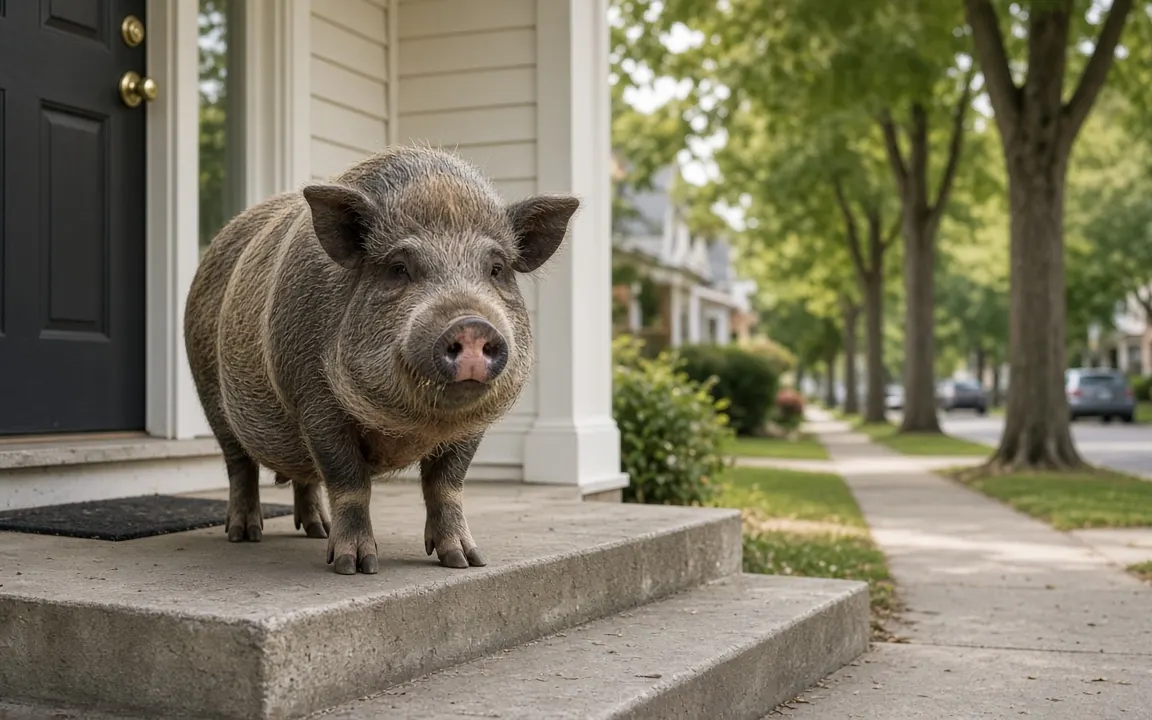
Charleston, South Carolina
Hobby-farm aftercare in Charleston: the local picture
Burial of large animals in the Lowcountry is limited by high water tables and sandy, wet soils in many spots, so owners often turn to rendering or individual cremation with ashes returned. Cremation for a horse costs more than for a pet because of size and transport. Ask for a written quote that covers collection from the farm and whether you can be present.
Heat, humidity and storms shape large-animal aftercare in the Lowcountry. A large body needs collecting fast in summer, and hurricane season can bring flooding that cuts off farm roads for days. If you keep an older horse or livestock animal, make a plan before storm season, including how a vehicle would reach the animal and what you'd do if roads close.
Charleston sits in the middle ground for farm animal aftercare. There's usually at least one pet crematory in or near town, and often a mixed-practice vet who treats goats, sheep and pigs as well as dogs. Whether either can take your animal depends almost entirely on its weight. A pygmy goat or a few hens are easy; a full-size dairy goat, an alpaca or a mature pet pig may need a larger chamber, sometimes around Charleston or further out.
About 159,423 people live in Charleston, which makes it the largest of the 29 South Carolina communities we cover.
Nearby, we also have local pages for Mount Pleasant (7 miles), Hanahan (11 miles) and North Charleston (12 miles), which can help if your vet or the provider you prefer is based there.
56.1%[1]
The NFDA projected South Carolina's cremation rate at 56.1% for 2024.
$600-$1,000[2]
Cremating a 1,000-pound horse was reported to cost about $600-$1,000, depending on location and the price of propane.
3-5% of body weight[3]
Embrace notes cremated remains typically weigh about 3-5% of the pet's original body weight.
The published sources behind those figures are Extension Horses (eXtension national Cooperative Extension) and Embrace Pet Insurance.
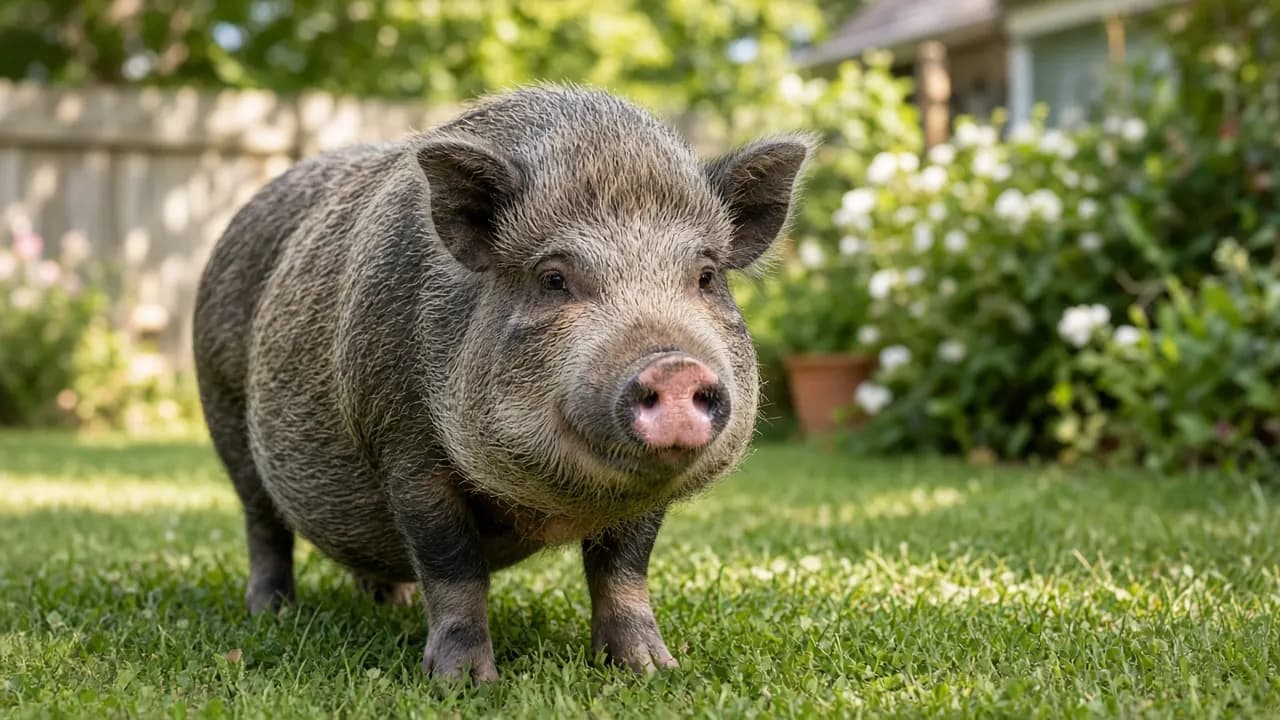
Cremation rates in South Carolina and your animal
Cremation now covers around 56.1%[1] of deaths in South Carolina, so most families here have sat through at least one cremation service. That experience carries over: people know to ask what comes back, how it's identified and how long it takes. Put the same three questions to anyone offering to take your sheep, pig or goat.
For the South Carolina figure we rely on NFDA 2024 Cremation & Burial Report state projections (via Occasional Sage) (2024). Read it as a picture of local custom around death and remembrance in Charleston rather than as pet data.
Charleston weather and your animal's first hours
Mild weather makes outdoor goodbyes easier for most of the year. Many keepers in Charleston let the rest of the herd or flock see and sniff the body before it leaves, which seems to help bonded goats, alpacas and donkeys settle. Give them a few quiet minutes, then move the body away before collection so the others aren't distressed by the loading.
Charleston's climate is fairly mild, which gives you a little breathing room. A goat or sheep laid on its side in a cool, shaded barn and loosely covered will keep for several hours while you gather yourself and make calls. It's still wise to arrange collection within the day, because ruminants bloat even in moderate weather and a heavy body holds its own heat.

Prices by weight for goats, sheep, pigs and birds
Expect the total in Charleston to depend on four things: your animal's weight, private or communal, how the animal gets to the crematory and what the ashes come back in. Communal cremation, where nothing is returned, usually costs half or less. If you can deliver the animal yourself, the collection line on the quote may disappear altogether.
Rather than repeat the price table on every city page, we keep one for South Carolina: South Carolina costs. What each service includes is on the services page.

Free tool
Cremation cost calculator
Estimate a realistic price range for your pet's size, location and the type of cremation.
Before you bury or compost in South Carolina
The rules for a dead goat, sheep, pig or backyard bird usually come from livestock and animal-health law, not from the pet rules most people have heard of. That can close options a dog owner takes for granted. The general pet notes for South Carolina below are a starting point; for farm species, also check your state or national guidance on dead livestock before you bury or compost.
To find your county or city office in South Carolina, start with the official South Carolina local government directory.
Start with the South Carolina rules, which cover burial, scattering and oversight for the whole state, and treat Charleston's local ordinances as a possible extra layer.
What to do first, second and third
- Move the body into shade, a cool barn or a shed, set it on its side over straw or a tarp, and drape something loose over it against flies. Never wrap it tightly in plastic.
- Keep the rest of the herd or flock calm. Let a bonded companion see and sniff the body for a few minutes if it seems to help, then move it out of sight.
- Call your vet when the animal died without warning or you don't know why. Certain illnesses of pigs, poultry, sheep and goats carry a reporting duty that comes ahead of everything else.
- Decide whether you want your animal's own ashes. That one choice decides which providers can help: private cremation, communal cremation or fallen-stock collection.
- Weigh or estimate the weight honestly, then state it alongside the species as soon as you ring. Plenty of pet crematories set a limit far under what an adult pig or goat weighs.
- Ask for a written total covering cremation, collection, mileage and the urn before anyone sets off.
- Take keepsakes before collection: an ear tag, the collar or halter, a handful of feathers or a snip of fleece.
A lasting place for your animal near Charleston
Charleston's most visible large animals are the horses and mules that pull carriages through the historic district, but the Lowcountry beyond the city has horse farms, small cattle herds and hobby farms on Johns Island, Wadmalaw and inland toward Summerville and the rural counties. When a large animal dies, give clear directions, the gate width and how close a truck can get on sandy or soft ground.
the planning tools turn your pet's details into figures, the guides answer the longer questions and the blog the newer ones, See what each option includes on our services page, or see what other families chose in the poll results. You can also browse every city in the United States. Nearby, we also cover North Charleston, Summerville, Rock Hill and Mount Pleasant, and every city in South Carolina.

Reader polls
What would you choose?
Vote anonymously and see how other readers answered. The results are live counts from people who visit this site, so they show real opinions, not a scientific sample.
Before today, did you know the burial rules for farm species where you live?
Tap an answer to vote and see how others answered. Anonymous.
What was (or would be) hardest about the practical side?
Tap an answer to vote and see how others answered. Anonymous.
If you had to decide today, which aftercare would you choose for your pet?
Tap an answer to vote and see how others answered. Anonymous.

Free tools to help you plan
Cremation cost calculator
Estimate a realistic price range for your pet's size, location and the type of cremation.

Livestock mortality planner
Plan disposal capacity and costs for farm losses, from one animal to a herd.

Urn size calculator
Find the urn volume you need from your pet's weight, plus keepsake and sharing options.
Questions people ask
Can a provider from a neighbouring town collect from Charleston?
Usually yes. Mount Pleasant is about 7 miles away, Hanahan is about 11 miles away and North Charleston is about 12 miles away, all inside a normal collection radius. Get the mileage written into the quote so there is no surprise on the day.
Why does the Charleston page quote a human cremation rate?
Because it is the best local signal we have. NFDA 2024 Cremation & Burial Report state projections (via Occasional Sage) (2024) reports about 56.1%[1] of South Carolina residents are cremated. There is no official pet equivalent, and inventing one would be worse than quoting a real, clearly labelled number.
How does Charleston's weather affect farm animal aftercare?
July is the hottest month in Charleston, with average highs around 88°F, so prompt collection matters most then. Winters are mild, with average lows staying above freezing, so outdoor burial or scattering is usually possible year round.
How big an urn do I need for a goat or sheep?
Plan on roughly a cubic inch of capacity for every pound your animal weighed[5]. A 70 lb pygmy goat then needs around 70 cubic inches and a 140 lb ewe around 140, more than most standard pet urns hold. Scattering most of it? A scatter tube plus a small keepsake urn works well. Our urn size calculator will work out the numbers.
How much does it cost to cremate a pet pig in Charleston?
It depends mostly on weight. A young pot-bellied pig may fit the largest pet band, about $350 to $450 for private cremation in the US, but a mature kunekune or farm pig is usually quoted individually and may need an equine or large-animal crematory. Collection is extra, and some providers need a trailer delivery for heavy pigs.
How much ash will I get back from a goat, sheep or hen?
Cremated remains are about 3-5% of body weight[3]. A 70 lb pygmy goat returns roughly two to three and a half pounds of ash; a 160 lb alpaca returns five to eight. A hen returns only a spoonful or two, so ask for a small container rather than a standard urn. The urn size calculator on our tools page can help.


Sources and our estimates
- [1] The NFDA projected South Carolina's cremation rate at 56.1% for 2024. NFDA 2024 Cremation & Burial Report state projections (via Occasional Sage), 2024.
- [2] Cremating a 1,000-pound horse was reported to cost about $600-$1,000, depending on location and the price of propane. Extension Horses (eXtension national Cooperative Extension) - Horse Disposal Options, 2019, 2019.
- [3] Embrace notes cremated remains typically weigh about 3-5% of the pet's original body weight. Embrace Pet Insurance - Bury or Cremate Your Dog? Costs, Pros & Cons, 2025.
- [4] Composting a 1,400 lb dairy cow would need roughly 14-16.8 cubic yards of cover material. Our estimate: 1.4 x (10 to 12 cu yd per 1,000 lb). How we calculate.
- [5] Using the industry rule of thumb of 1 cubic inch of urn space per pound of body weight, a 12 lb cat needs an urn of about 12 cubic inches; a 70 lb dog needs about 70 cubic inches. Our estimate: urn cu in = body weight lb x 1 (industry rule of thumb, not a measured value). How we calculate.
Get farm animal cremation options near Charleston
Tell us what you need and where you are. We'll reply by email with clear options and prices so you can decide in your own time.