Farm animal cremation in Salinas
Whether it's a single backyard hen or a 180 lb alpaca, the questions are the same: is it legal to bury, who can collect, and can I have my own animal's ashes back? Here are the answers.
- What to do in the first few hours
- Disease reporting, explained plainly
- Keepsakes: fleece, feathers, halter
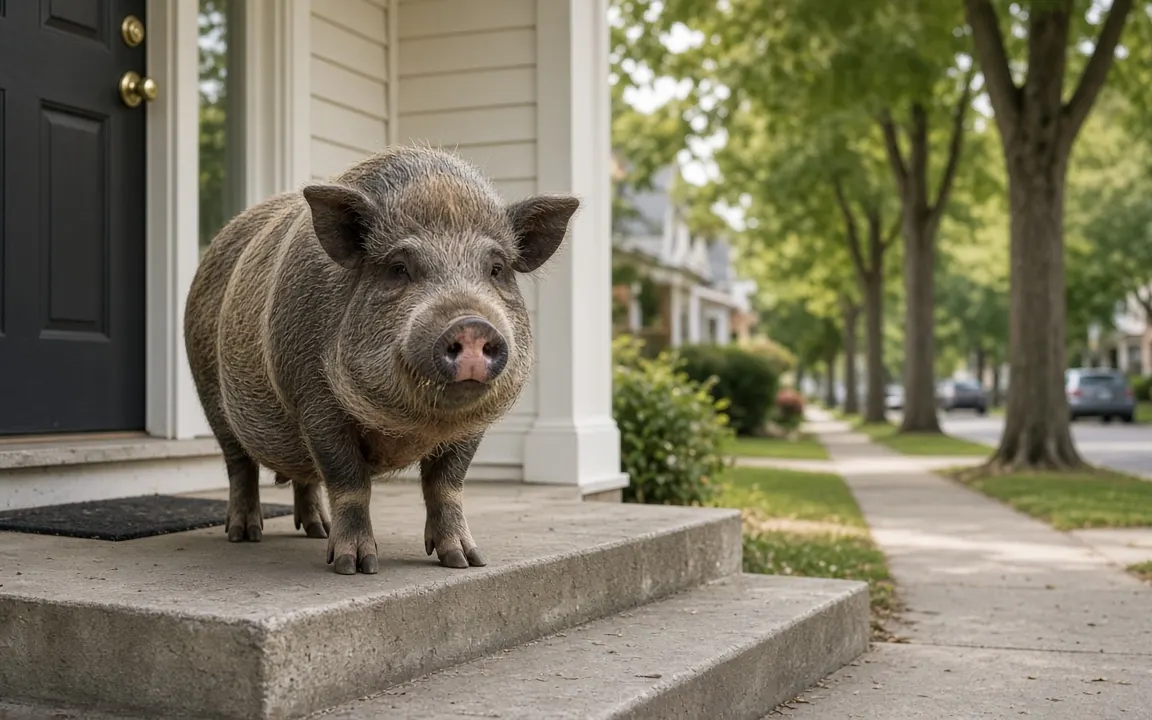
Salinas, California
Who can help with a goat, pig or sheep in Salinas
The Salinas Valley is famous for vegetables, but cattle ranching runs through the hills on both sides, in the Gabilan Range to the east and the Santa Lucia foothills to the west, and horses are part of local life too. The annual rodeo each July shows how deep that ranching culture runs. When a large animal dies here, give clear directions, gate details and how far a truck can drive.
Ranchers around Salinas have usually buried livestock on their own land or used rendering, and those remain common choices where rules allow. For a family horse, a rodeo or show animal, or a pet goat, individual cremation with ashes returned is also possible, though it costs more because of size and transport. Ask for a written quote that includes collection from the ranch.
Mixed-practice vets around Salinas see both sides of this: they treat pet goats and pigs, and they know the farm routes for disposal. Ask yours three things. Which crematory do you use for farm species? Is there a renderer or fallen-stock collector nearby if I want a lower-cost option? And, if the death was unexplained, should we test before the body leaves? Those answers will shape everything that follows.
About 159,134 people live in Salinas, which makes it the 34th-largest of the 307 California communities we cover. The nearest larger centre is San Jose, about 47 miles (76 km) away, which is where some providers serving Salinas are based.
Families in Salinas often end up using a provider from Marina (8 miles), Seaside (11 miles) and Monterey (14 miles). That is normal: crematories serve a radius, not a single town, and the drive is priced into collection.
70.5%[1]
The NFDA projected California's cremation rate at 70.5% for 2024.
$600-$1,000[2]
Cremating a 1,000-pound horse was reported to cost about $600-$1,000, depending on location and the price of propane.
3-5% of body weight[3]
Embrace notes cremated remains typically weigh about 3-5% of the pet's original body weight.
Sources for the statistics above: Embrace Pet Insurance and Extension Horses (eXtension national Cooperative Extension).
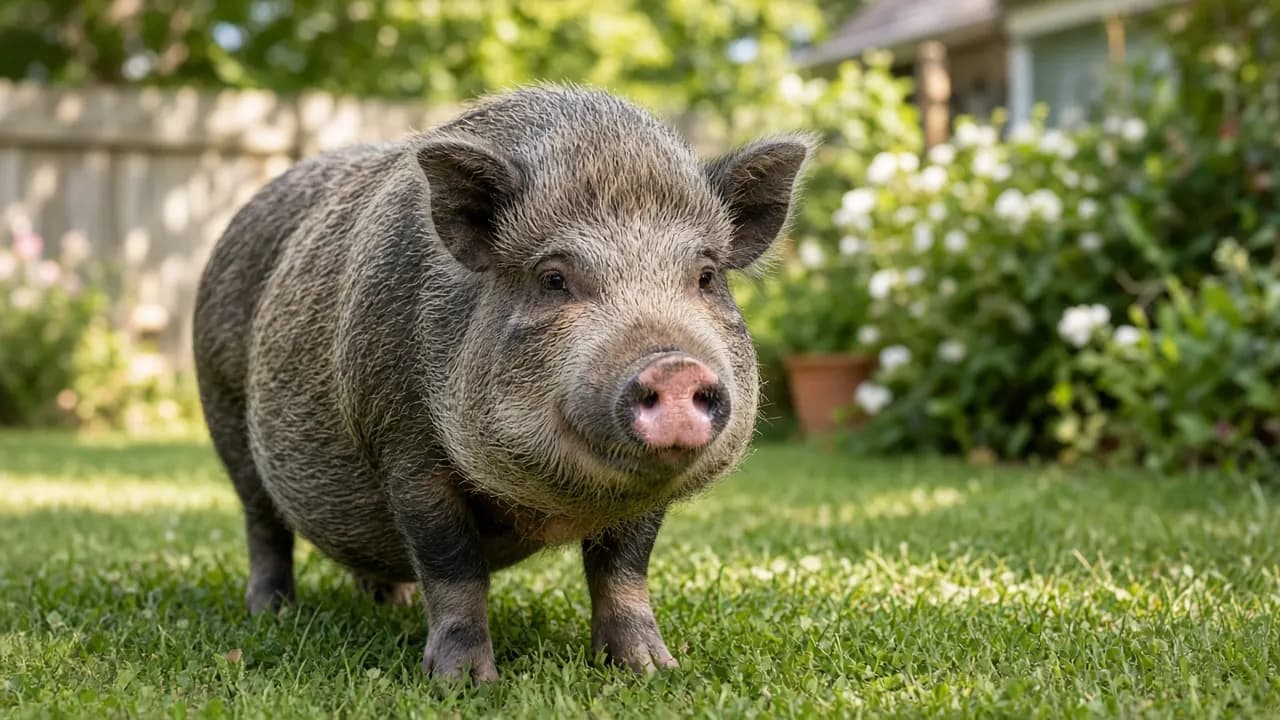
The local attitude to cremation
About 70.5%[1] of people in California are cremated, so cremation feels ordinary. For small farm species the effect is practical: pet crematories are more numerous and more used to unusual requests, from a hen in a shoebox to two bonded wethers cremated together. For a larger animal, you may still need an equine or large-animal crematory, and those are spread more thinly.
We take the California rate from NFDA 2024 Cremation & Burial Report state projections (via Occasional Sage) (2024). It is a human statistic; there is no equivalent pet figure for Salinas, and we would rather show a real number than invent one.
Heat, cold and timing in Salinas
Mild, damp spells are when mud becomes the problem on small farms around Salinas. A van can sink in a soft paddock, so think about moving a heavy animal to hard standing on a tarp or sled, with help, before the vehicle arrives. Warn the provider about soft ground in advance; they may bring a smaller vehicle or boards.
Salinas's climate is fairly mild, which gives you a little breathing room. A goat or sheep laid on its side in a cool, shaded barn and loosely covered will keep for several hours while you gather yourself and make calls. It's still wise to arrange collection within the day, because ruminants bloat even in moderate weather and a heavy body holds its own heat.

Budgeting in Salinas for a pig, ewe or goat
Very few US providers publish prices for goats, sheep or pigs, so the table uses the closest published pet price bands by weight. For a pygmy goat, that means something like a large dog; for a 150 lb ewe or pot-bellied pig, the top band or an individual quote; for a llama or donkey, horse territory, where a 1,000 lb animal runs about $600-$1,000[2]. Collection and mileage from a farm around Salinas are usually extra.
Prices for Salinas track the wider California market, so use the California price table as your baseline and the services page to see what is included.

Free tool
Cremation cost calculator
Estimate a realistic price range for your pet's size, location and the type of cremation.
Livestock law and pet rules in California
Rules for dead farm animals change more across borders than almost any other part of pet aftercare. England bans burying pet pigs, sheep and goats; many US states allow it with conditions; California even bans composting whole sheep and goats. The general notes for California follow. Treat them as the pet baseline and check livestock rules on top.
California keeps an official directory of local governments; use it to reach the county or city office that covers Salinas.
We keep California's burial and scattering rules in one place: the California rules summary. Before a home burial in Salinas, also ask the city whether local ordinances add anything.
Step by step, from the field to the ashes
- Stay safe first. A heavy animal is not a one-person lift, and dogs and children should be kept away until you've covered the body.
- Note the details your vet will ask for: its age, what signs you noticed lately, anything it was given, and whether others are off color.
- Decide on ashes or no ashes. Wanting them back means a private cremation; not wanting them opens up the cheaper, simpler routes of fallen-stock collection or communal cremation.
- Book collection or delivery and describe the ground: slope, mud, gates, distance from a hard track.
- Save a keepsake: fleece, a hoof trim, a few feathers, the bell or tag.
- Record the death in your books if the animal was tagged or on a register under livestock rules, to keep the paperwork tidy.
Keeping your goat, pig or hen close
Rural roads around Salinas can be narrow and winding in the hills, and winter rain turns ranch tracks and pastures soft. In the drier months, heat inland in the valley can rise well above the coastal fog belt, so a large body needs collecting quickly. Planning ahead for an ageing horse or cow, including where a vehicle could stop, saves stress later.
read our guides and latest articles, Compare every option on our services page, use the free tools before you ring anyone, or see how other readers answered in our polls. More local pages: San Jose, Sacramento, Fresno and San Francisco, the California overview and every city in the United States.

Reader polls
What would you choose?
Vote anonymously and see how other readers answered. The results are live counts from people who visit this site, so they show real opinions, not a scientific sample.
How do you think of the animal you've lost, or are about to lose?
Tap an answer to vote and see how others answered. Anonymous.
Before today, did you know the burial rules for farm species where you live?
Tap an answer to vote and see how others answered. Anonymous.
If you had to decide today, which aftercare would you choose for your pet?
Tap an answer to vote and see how others answered. Anonymous.

Free tools to help you plan
Cremation cost calculator
Estimate a realistic price range for your pet's size, location and the type of cremation.

Livestock mortality planner
Plan disposal capacity and costs for farm losses, from one animal to a herd.

Urn size calculator
Find the urn volume you need from your pet's weight, plus keepsake and sharing options.
Questions people ask
When is the hardest time of year to arrange a burial in Salinas?
There is no frozen-ground season here; average lows stay above freezing all year. The other pressure point is September, when highs around 74°F mean a body needs cooling and collecting quickly.
Where are the providers that serve Salinas actually based?
Some are local, and some run from San Jose, about 47 miles away. That is normal for a city this size. What matters is the collection time they quote for Salinas and whether the drive is priced into the total, so ask both up front.
Is cremation common in California?
For people, yes: about 70.5%[1] of California deaths end in cremation, according to NFDA 2024 Cremation & Burial Report state projections (via Occasional Sage) (2024). Nobody publishes the same figure for pets, but in our experience pet choices in Salinas follow the human pattern closely, so cremation is the default most families here start from.
Can a provider from a neighbouring town collect from Salinas?
Usually yes. Marina is about 8 miles away, Seaside is about 11 miles away and Monterey is about 14 miles away, all inside a normal collection radius. Get the mileage written into the quote so there is no surprise on the day.
Can I compost a dead goat or sheep instead?
Sometimes, depending on the species and where you live. Composting works well for poultry and is allowed for many livestock in the US, but a pile has to reach 135-140 F[5] and hold it for weeks, which needs a lot of dry bedding. California bans composting whole sheep and goats. For one named animal, most keepers find cremation simpler.
What's the difference between private, partitioned and communal cremation?
Private means your animal is cremated alone and every bit of ash returned is theirs. Partitioned means several animals share the chamber but are kept apart, so the ashes are mostly, not certainly, your animal's. Communal means animals are cremated together and nothing is returned. For a named goat or pig, ask for private in writing if the ashes matter.


Sources and our estimates
- [1] The NFDA projected California's cremation rate at 70.5% for 2024. NFDA 2024 Cremation & Burial Report state projections (via Occasional Sage), 2024.
- [2] Cremating a 1,000-pound horse was reported to cost about $600-$1,000, depending on location and the price of propane. Extension Horses (eXtension national Cooperative Extension) - Horse Disposal Options, 2019, 2019.
- [3] Embrace notes cremated remains typically weigh about 3-5% of the pet's original body weight. Embrace Pet Insurance - Bury or Cremate Your Dog? Costs, Pros & Cons, 2025.
- [4] About 10,630 U.S. cattle and calves died every day in 2015. Our estimate: 3,880,000 / 365. How we calculate.
- [5] A carcass compost pile should reach 135-140 F within 15 days and be held at temperature for 3-12 weeks. USDA APHIS / Center for Food Security and Public Health (Iowa State) - Disposal: Composting, Rendering & Burial handout, based on NAHEMS Disposal Guidelines (2012), 2012.
Find who takes farm species near you
Tell us what you need and where you are. We'll reply by email with clear options and prices so you can decide in your own time.