Cremation for goats, sheep and pigs in San Francisco
A 150 lb goat or a pot-bellied pig won't fit the plans most pet crematories are built around. This guide explains your real options, from private cremation to farm-gate collection, and what each one costs.
- Providers that accept goats, pigs and alpacas
- Livestock burial rules explained simply
- Private cremation with ashes returned
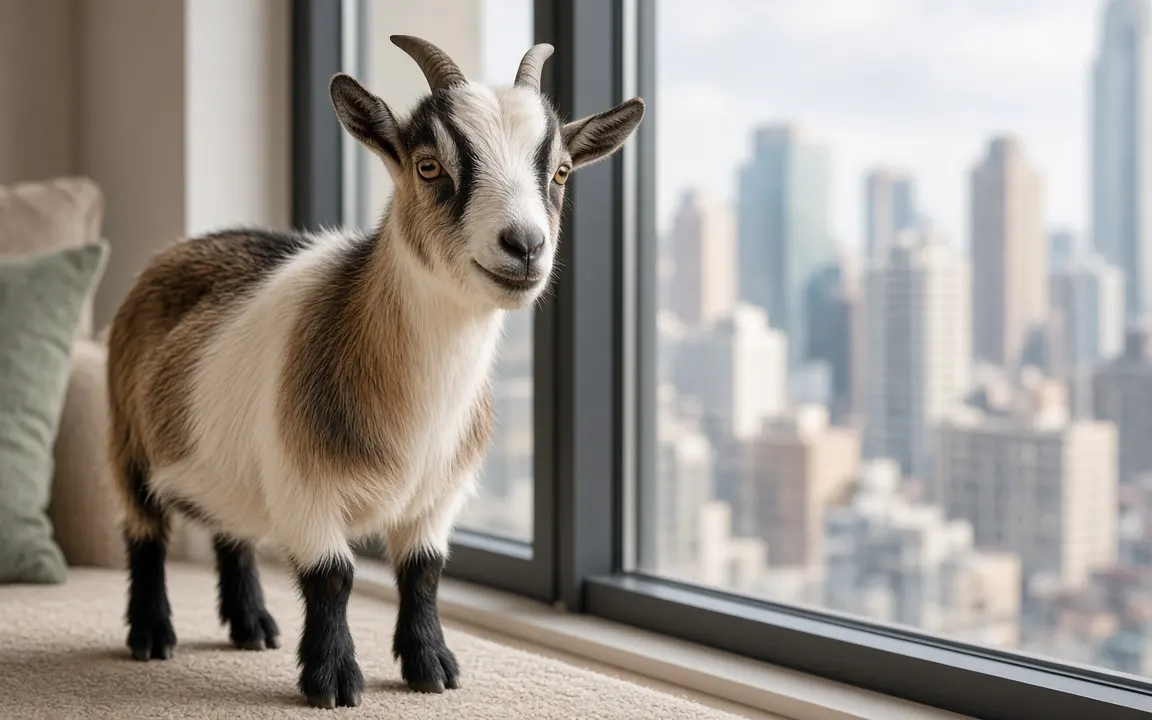
San Francisco, California
Who can help with a goat, pig or sheep in San Francisco
Coastal and hillside properties around the Bay Area can be steep, with narrow roads and tight gates, and winter rain can leave pastures slick and soft. Before collection, check whether a truck can reach the barn or paddock and whether there is firm, level ground for loading. In the dry season, fire risk and access restrictions in the hills can also affect timing, so describe the route clearly.
Large animals are almost absent from San Francisco itself, but farms, ranches and animal sanctuaries are within reach: horses and small farms on the Peninsula around Woodside and Half Moon Bay, dairy and beef cattle in west Marin and Sonoma, and goats, sheep and rescued farm animals on sanctuaries across the Bay Area. When a large animal dies, owners usually work with a regional service with a trailer and winch. Ask whether individual cremation is possible.
Backyard poultry is where San Francisco keepers most often need help. A single hen that dies of old age is simple: most pet crematories will take her, and many keepers choose communal cremation and keep a few feathers. Several birds dying suddenly is different. Call your vet or the animal health authority before arranging anything, because bird flu has reached backyard flocks in many countries and some deaths must be reported.
About 874,000 people live in San Francisco, which makes it the 4th-largest of the 307 California communities we cover.
Families in San Francisco often end up using a provider from Brisbane (7 miles), Daly City (7 miles) and Sausalito (7 miles). That is normal: crematories serve a radius, not a single town, and the drive is priced into collection.
70.5%[1]
The NFDA projected California's cremation rate at 70.5% for 2024.
$600-$1,000[2]
Cremating a 1,000-pound horse was reported to cost about $600-$1,000, depending on location and the price of propane.
3-5% of body weight[3]
Embrace notes cremated remains typically weigh about 3-5% of the pet's original body weight.
Where these figures come from: Embrace Pet Insurance and Extension Horses (eXtension national Cooperative Extension).
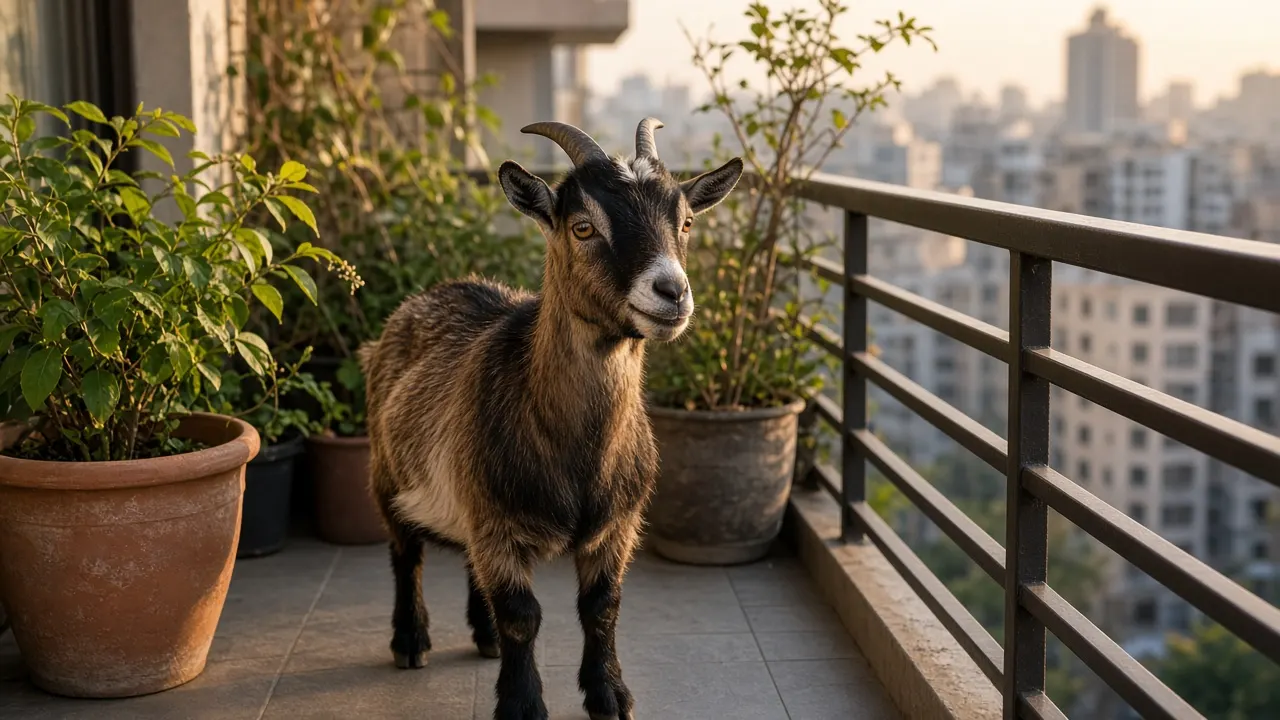
Burial, cremation and farm tradition in California
In California, about 70.5%[1] of people are cremated, one of the higher rates around. That doesn't make livestock rules any softer, but it does mean cremation is a normal conversation. Many hobby farmers here choose it for a named goat, alpaca or pet pig partly because it keeps the animal with them if they ever sell the land, and partly because it avoids digging a deep grave by machine.
We take the California rate from NFDA 2024 Cremation & Burial Report state projections (via Occasional Sage) (2024). It is a human statistic; there is no equivalent pet figure for San Francisco, and we would rather show a real number than invent one.
Planning around the seasons in San Francisco
Whatever the season, keep a few things ready in the barn if you have older stock: a big tarp, a couple of feed sacks or an old sheet, work gloves and the number of a crematory that accepts your kind of animal. It turns the first hour after a death from a scramble into a routine you can follow even when upset.

Prices by weight for goats, sheep, pigs and birds
Expect the total in San Francisco to depend on four things: your animal's weight, private or communal, how the animal gets to the crematory and what the ashes come back in. Communal cremation, where nothing is returned, usually costs half or less. If you can deliver the animal yourself, the collection line on the quote may disappear altogether.
Prices for San Francisco track the wider California market, so use the California price table as your baseline and the services page to see what is included.

Free tool
Cremation cost calculator
Estimate a realistic price range for your pet's size, location and the type of cremation.
Rules worth knowing in California
Before you dig anything for a pig, alpaca, goat or sheep, it helps to know who writes the rules. Usually it's the agriculture or environment authority rather than the local pet bylaws, because the worry is groundwater and disease moving between farms. The California notes below cover pets generally; your vet or a farm advisory service can confirm what livestock rules add on top.
San Francisco's own guidance is published by San Francisco Public Works; it covers public collection, which is separate from arranging a private cremation. California keeps an official directory of local governments; use it to reach the county or city office that covers San Francisco.
Start with the California rules, which cover burial, scattering and oversight for the whole state, and treat San Francisco's local ordinances as a possible extra layer.
A practical checklist for smallholders in San Francisco
- Check the time. In warm weather, aim to have your animal collected or delivered the same day. Ruminants bloat quickly.
- Lay the body on a tarp you can drag, with the head slightly raised if possible. It makes loading far easier later.
- Call a vet if more than one animal has died or anything seems unusual, especially in a backyard flock or a pig.
- Ring providers with the species, weight and your location. Ask about chamber size, lifting gear and the collection radius.
- Get the price in writing, and make sure it covers mileage, out-of-hours fees and any winch charge.
- Watch the others. Donkeys, alpacas and goats sometimes pace or call out for days. Hold to the usual routine and spend longer with the animal that was closest.
Ways to remember a farm companion
Bay Area families who keep horses, goats, sheep, llamas or rescued farm animals often want a keepsake even when a whole-animal cremation is not possible. A lock of mane, a clip of fleece, a bell, an ear tag, a halter or a photograph from the pasture can become the centre of a memorial, and hair or wool can be set in resin. Take anything you want before collection, and ask the driver for a few minutes.
or see what other families chose in the poll results, browse in-depth guides or recent articles, use the free tools before you ring anyone, Every option San Francisco families choose between is on the services page. Close to San Francisco we also cover San Diego, San Jose, Sacramento and Los Angeles; the full list for California and for the United States is a click away.

Reader polls
What would you choose?
Vote anonymously and see how other readers answered. The results are live counts from people who visit this site, so they show real opinions, not a scientific sample.
Before today, did you know the burial rules for farm species where you live?
Tap an answer to vote and see how others answered. Anonymous.
Would you want your animal's own ashes returned?
Tap an answer to vote and see how others answered. Anonymous.
If you had to decide today, which aftercare would you choose for your pet?
Tap an answer to vote and see how others answered. Anonymous.

Free tools to help you plan
Cremation cost calculator
Estimate a realistic price range for your pet's size, location and the type of cremation.

Livestock mortality planner
Plan disposal capacity and costs for farm losses, from one animal to a herd.

Urn size calculator
Find the urn volume you need from your pet's weight, plus keepsake and sharing options.
Questions people ask
Can a provider from a neighbouring town collect from San Francisco?
Usually yes. Brisbane is about 7 miles away, Daly City is about 7 miles away and Sausalito is about 7 miles away, all inside a normal collection radius. Get the mileage written into the quote so there is no surprise on the day.
How do California attitudes to cremation compare?
NFDA 2024 Cremation & Burial Report state projections (via Occasional Sage) (2024) puts the California human cremation rate at about 70.5%[1]. We show it on the San Francisco page because pet aftercare choices tend to track it: where cremation is normal for people, communal and private pet cremation are both easy to find.
Who do I call first if a farm animal dies at night in San Francisco?
If the death was expected and the animal is safe from scavengers, you can usually wait until morning: shade, cover and call your vet or the crematory first thing. If it was sudden, or several animals are ill, call an emergency or farm vet that night. Collection itself can wait for daylight in most weather.
How long until I get my farm animal's ashes back?
Many families get the ashes within one to two weeks. A large animal can take longer, because the cremation itself runs for hours and the provider may batch large-animal days. If the crematory is in a larger centre away from San Francisco, add time for the return trip, or arrange to collect the ashes yourself.
Do I need to report a dead chicken or duck in San Francisco?
Not usually for a single bird with an obvious cause, such as old age or a fox. But unexplained deaths, especially several birds in a short time, should be reported to your vet or state animal health office because of bird flu, which has affected 179 million birds[5] across all 50 states since 2022. Don't move or bury the birds until you've asked.
Why can't I just bury a euthanized goat or pig in a shallow grave?
The euthanasia drugs stay in the body and can kill dogs, foxes, vultures and eagles that dig it up. That's why US drug labels have required a warning since 2003[6] that euthanized animals need deep burial, incineration or another approved route. For a single animal, cremation is usually the simplest safe answer.


Sources and our estimates
- [1] The NFDA projected California's cremation rate at 70.5% for 2024. NFDA 2024 Cremation & Burial Report state projections (via Occasional Sage), 2024.
- [2] Cremating a 1,000-pound horse was reported to cost about $600-$1,000, depending on location and the price of propane. Extension Horses (eXtension national Cooperative Extension) - Horse Disposal Options, 2019, 2019.
- [3] Embrace notes cremated remains typically weigh about 3-5% of the pet's original body weight. Embrace Pet Insurance - Bury or Cremate Your Dog? Costs, Pros & Cons, 2025.
- [4] Composting a 1,400 lb dairy cow would need roughly 14-16.8 cubic yards of cover material. Our estimate: 1.4 x (10 to 12 cu yd per 1,000 lb). How we calculate.
- [5] As of September 30, 2025, the U.S. highly pathogenic avian influenza (HPAI) outbreak that began in February 2022 had hit all 50 states and Puerto Rico, infecting 1,741 premises and affecting over 179 million birds. USDA APHIS CEAH - Status and Epidemiologic Analyses of HPAI-affected Poultry Flocks, September 30, 2025 Interim Report, 2025.
- [6] Since 2003 the FDA has required euthanasia drug labels to warn that euthanized animals must be disposed of by deep burial, incineration or another approved method to keep scavenging wildlife from eating the carcass. Cornell Waste Management Institute & Penn State - Horse Mortality: Carcass Disposal Alternatives (2012), 2003.
Tell us about your goat, sheep, pig or bird
Tell us what you need and where you are. We'll reply by email with clear options and prices so you can decide in your own time.