Cremation for goats, sheep and pigs in Glasgow
Your goat, sheep or pig is family, but the law usually files it under livestock. Here's what that means locally, who will take an animal this size and what it costs to bring the ashes home.
- Weight limits checked before you load
- Written totals including mileage
- No pressure, just clear local options
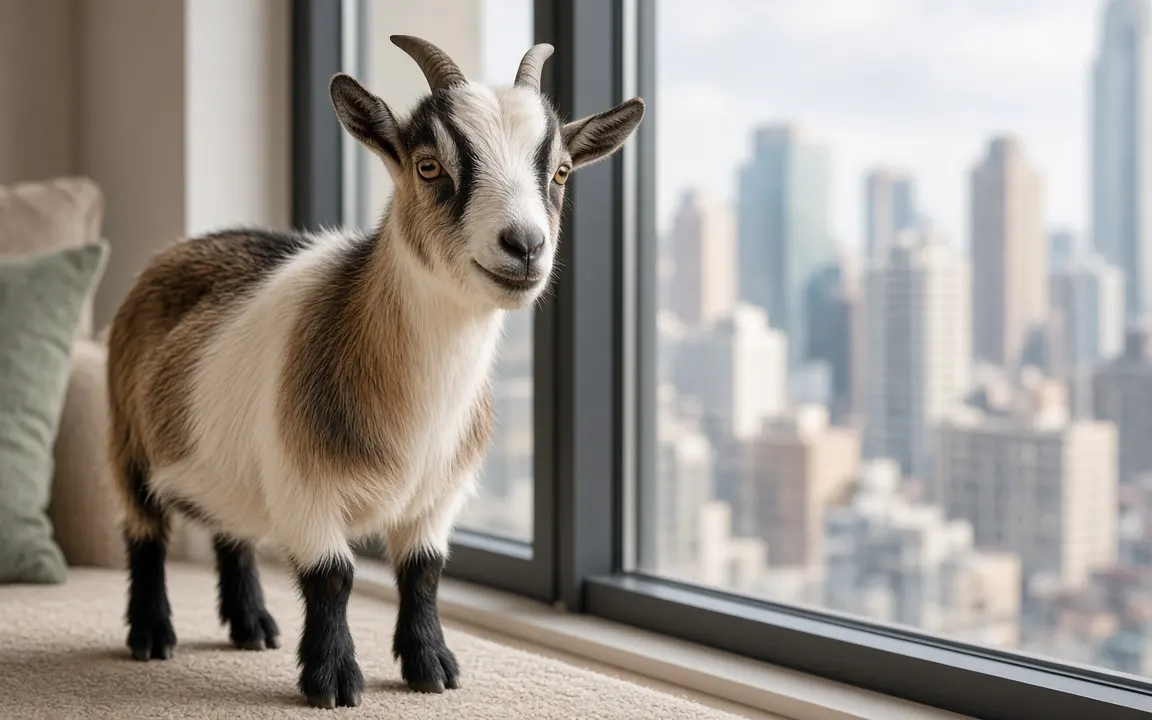
Glasgow, Scotland
Where farm species go after a death near Glasgow
Wet ground is the main practical issue for large animal aftercare around Glasgow. Fields and yards can be muddy for much of the year, which makes collection harder. When you ask for options, describe access, gate widths and ground conditions so the right vehicle is sent, and ask what happens if the ground is too soft. A hard-standing yard near the road makes everything simpler.
Scotland's hill farms and crofts are a short drive from Glasgow, and many families keep sheep, goats or ponies on small plots. For a pet sheep or a family pony, individual cremation is often possible. For animals in a commercial flock, fallen stock rules usually apply. Be clear which you have when you ask for help. Ear tags and movement records may be needed for farm species.
In a metro the size of Glasgow, the provider that answers the phone fastest isn't always the one that can help. A pet crematory in the city may take a 60 lb pygmy goat without a second thought, then turn down a 200 lb kunekune because the chamber door is too narrow. Large-animal crematories tend to sit on the rural fringe, near horse country, because they need space and permits. Budget for a drive, or for a collection fee that reflects one.
About 633,000 people live in Glasgow, which makes it the largest of the 4 Scotland communities we cover.
If you want to compare providers, look at Edinburgh (42 miles), Dundee (64 miles) and Belfast (110 miles). Distance matters because pickup fees and the time until the ashes come back both grow with the drive.
74.5%[1]
In 2024, 74.5% of deaths in Scotland ended in cremation.
$600-$1,000[2]
Cremating a 1,000-pound horse was reported to cost about $600-$1,000, depending on location and the price of propane.
3-5% of body weight[3]
Embrace notes cremated remains typically weigh about 3-5% of the pet's original body weight.
If a number here surprises you, the primary material is Extension Horses (eXtension national Cooperative Extension) and Embrace Pet Insurance; we only apply it to this.
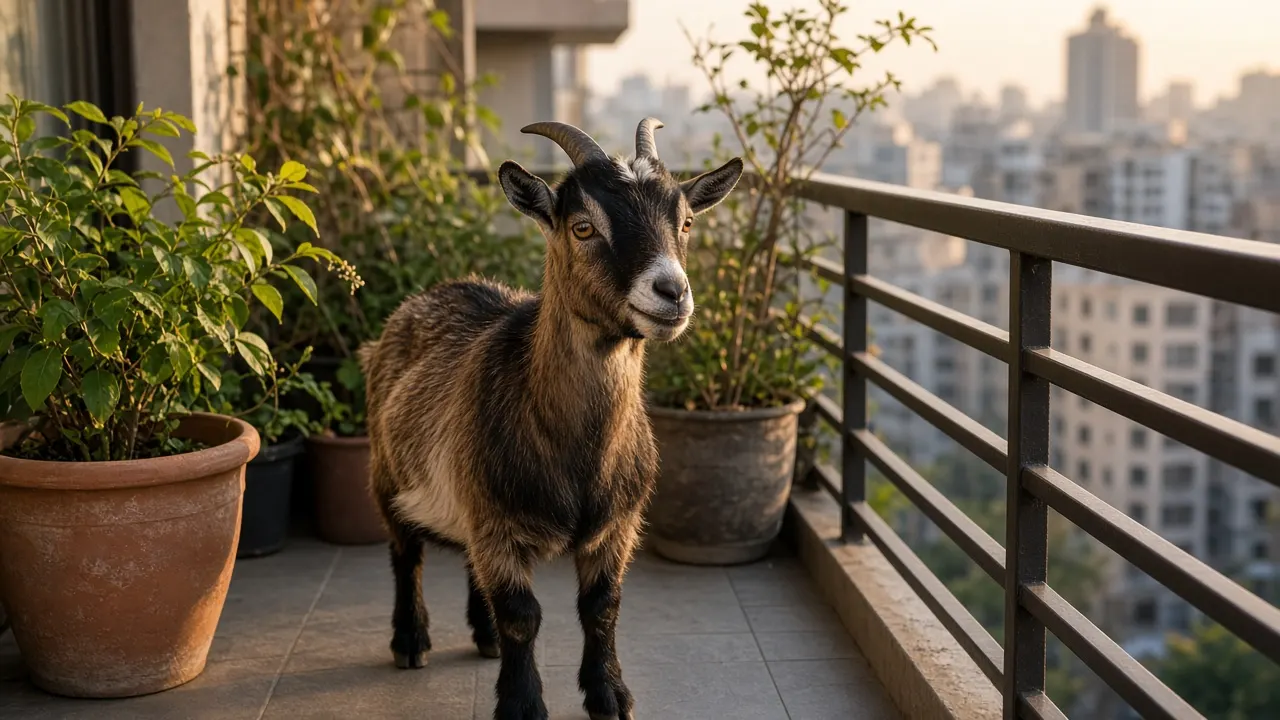
Cremation habits in Scotland, and what they mean for your animal
With cremation chosen for about 74.5%[1] of people in Scotland, local families tend to expect it for their animals too. On a smallholding, that expectation meets livestock law: the options for a goat, sheep or pig are set by rules written for farms, not for pets. Cremation fits comfortably inside those rules almost everywhere, which is one more reason it's the common choice here.
The Scotland percentage above is from Federation of Burial and Cremation Authorities (FBCA) death & cremation statistics (2024) and refers to human funerals. Treat it as context for Glasgow, not as a count of pets.
Glasgow weather and your animal's first hours
Weather matters for the living animals too. Heat stress hits pigs and heavily fleeced animals hard, and cold snaps are tough on old goats and young stock. If a death comes during extreme weather, check the rest of the herd or flock, and call your vet if more than one animal seems unwell.

How much to budget in Glasgow
For a pet sheep, goat or pig in Glasgow, the lowest-cost lawful route is usually fallen-stock collection through a knacker or a member of the National Fallen Stock Company scheme, with nothing returned. If you want the ashes, you need a pet crematorium that accepts farm species; expect a price above the extra-large dog band in the table, plus collection.
The full price table by size is on our Scotland page, and the services page explains what each option includes.

Free tool
Cremation cost calculator
Estimate a realistic price range for your pet's size, location and the type of cremation.
Livestock and pet rules in Scotland
If you rent your land or keep animals on someone else's property, the landowner's say matters as much as the law. Many tenancies and grazing agreements forbid burial, and a landlord may not want a compost pile either. Cremation needs nobody's permission. Here's the general picture for pets in Scotland; your lease may add conditions of its own.
In England, pet pigs, sheep and goats are still farmed animals in law, and the rules include a ban on livestock burial[5] on the holding, so burying them in the garden is generally not allowed; horses are the notable exception. England recognises 5 approved routes[6] for fallen stock, from knackers to incinerators, and most small keepers book collection through the National Fallen Stock Company scheme. If you want your animal's ashes, ask a pet crematorium whether it accepts your species and weight.
We keep Scotland's burial and scattering rules in one place: the Scotland rules summary. Before a home burial in Glasgow, also ask the city whether local ordinances add anything.
If your animal dies today: a plan for Glasgow
- Cover the body loosely and move it into shade or a cool outbuilding if you can do so safely.
- Let the herd or flock settle. One keeper will give a close companion a little time beside the body; another takes it away at once. Neither is wrong.
- Talk to your vet about the cause of death, any reporting duty and, for sheep and goats, whether testing is offered.
- Compare two providers if time allows. With farm species, weight limits and collection charges vary more than the cremation price.
- Confirm whether it's private, partitioned or communal, in writing. The names are easy to mix up.
- Choose what the ashes come home in. For a hen, a small container is plenty, while a sheep or goat will fill a full-size scatter tube or urn.
Memorials that fit a smallholding
Glasgow city has few large animals, though a herd of Highland cattle grazes in Pollok Country Park. Beyond the city, Ayrshire's dairy farms, Lanarkshire's livestock holdings and livery yards across Stirlingshire keep cattle, sheep, pigs and horses. When a large animal dies, fallen stock collection is the standard route for farm species, while individual cremation with ashes returned is available for animals kept as companions.
try the free planning tools, Compare every option on our services page, there are guides for the big decisions and articles for the details, or compare your instinct with the poll results. You can also browse every city in the United Kingdom. Nearby, we also cover Aberdeen, Dundee and Edinburgh, and every city in Scotland.

Reader polls
What would you choose?
Vote anonymously and see how other readers answered. The results are live counts from people who visit this site, so they show real opinions, not a scientific sample.
How do you think of the animal you've lost, or are about to lose?
Tap an answer to vote and see how others answered. Anonymous.
What was (or would be) hardest about the practical side?
Tap an answer to vote and see how others answered. Anonymous.
If you had to decide today, which aftercare would you choose for your pet?
Tap an answer to vote and see how others answered. Anonymous.

Free tools to help you plan
Cremation cost calculator
Estimate a realistic price range for your pet's size, location and the type of cremation.

Livestock mortality planner
Plan disposal capacity and costs for farm losses, from one animal to a herd.

Urn size calculator
Find the urn volume you need from your pet's weight, plus keepsake and sharing options.
Questions people ask
Can a provider from a neighbouring town collect from Glasgow?
Usually yes. Edinburgh is about 42 miles away, Dundee is about 64 miles away and Belfast is about 110 miles away, all inside a normal collection radius. Get the mileage written into the quote so there is no surprise on the day.
Is cremation common in Scotland?
For people, yes: about 74.5%[1] of Scotland deaths end in cremation, according to Federation of Burial and Cremation Authorities (FBCA) death & cremation statistics (2024). Nobody publishes the same figure for pets, but in our experience pet choices in Glasgow follow the human pattern closely, so cremation is the default most families here start from.
Is a donkey treated like a horse or like livestock for burial?
It varies. Many rules group donkeys with horses, and in England equines are the notable exception to the ban on burying farm animals. Elsewhere, donkeys may fall under general livestock rules with depth and distance requirements. A standard donkey is also heavy enough to need an equine crematory. Check the rules for your area before deciding.
How long until I get my farm animal's ashes back?
Many families get the ashes within one to two weeks. A large animal can take longer, because the cremation itself runs for hours and the provider may batch large-animal days. If the crematory is in a larger centre away from Glasgow, add time for the return trip, or arrange to collect the ashes yourself.
Is it worth cremating a single backyard hen?
If she mattered to you, yes. A hen is the least expensive farm animal to cremate, falling in the smallest pet price band, and communal cremation costs less again. What comes back is tiny, only a few tablespoons of ash, so ask for a small keepsake box or scatter the ashes around the run. Some keepers save a few feathers instead of, or as well as, the ashes.
How much does farm animal cremation cost in Glasgow?
Prices depend on weight, individual or communal cremation and collection. Published pet prices outside the US top out around the equivalent of a few hundred pounds, dollars or euros for the heaviest band, and goats, sheep and pigs usually sit at that top end or are quoted separately. Ask for a written quote in local currency.


Sources and our estimates
- [1] In 2024, 74.5% of deaths in Scotland ended in cremation. Federation of Burial and Cremation Authorities (FBCA) death & cremation statistics, 2024.
- [2] Cremating a 1,000-pound horse was reported to cost about $600-$1,000, depending on location and the price of propane. Extension Horses (eXtension national Cooperative Extension) - Horse Disposal Options, 2019, 2019.
- [3] Embrace notes cremated remains typically weigh about 3-5% of the pet's original body weight. Embrace Pet Insurance - Bury or Cremate Your Dog? Costs, Pros & Cons, 2025.
- [4] About 10,630 U.S. cattle and calves died every day in 2015. Our estimate: 3,880,000 / 365. How we calculate.
- [5] England bans the burial or open burning of fallen farm stock, but pet animals may be buried, and England (unlike Scotland and Wales) allows burial of both pet and non-pet horses. GOV.UK (Defra/APHA) - Fallen stock guidance, 2024.
- [6] England's approved routes for fallen stock are knackers, hunt kennels, maggot farms, incinerators and renderers; the not-for-profit National Fallen Stock Company runs collections for farmers and horse owners. GOV.UK (Defra/APHA) - Fallen stock guidance, 2024.
Get farm animal cremation options near Glasgow
Tell us what you need and where you are. We'll reply by email with clear options and prices so you can decide in your own time.