Farm Animal Cremation in Scotland
Farm species give you less time than a dog or cat, and fewer providers take them. Start here for the first few hours, the local rules and honest prices, then ask us for options by email.
- Weight limits checked before you load
- Written totals including mileage
- No pressure, just clear local options
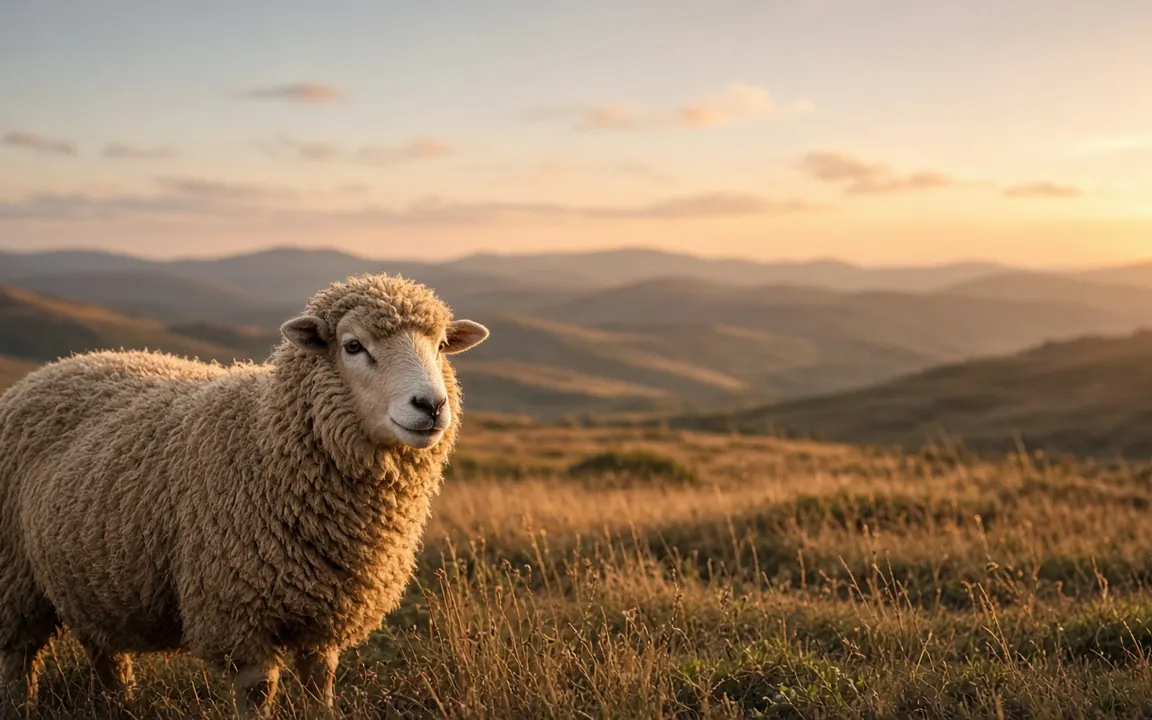
Scotland, the United Kingdom
Farm Animal Cremation in Scotland: what to know
Most keepers in Scotland have never had to arrange aftercare for a farm animal until the day it happens. That day tends to come with a heavy body, a short time window and a first phone call that ends with a pet crematory saying no. Knowing in advance which providers take your species, and roughly what they charge by weight, takes much of the pressure off.
We cover 4 communities in Scotland, and for farm animals the city pages differ more than they would for dogs or cats. The deciding factors are local: which crematories accept a goat or pig, how far their crews will drive, and how hot or cold it gets. Pick your nearest community below for the detail, or start with the regional overview here.
We cover 4 communities in Scotland, from Glasgow, Edinburgh and Aberdeen to smaller towns.

Every Scotland community we cover
Choose your city or town for local prices, weather and timing, and rules. 4 communities in Scotland, largest first below.
How Scotland thinks about cremation
Since cremation accounts for around 74.5%[1] of human deaths in Scotland, relatives and neighbors are unlikely to find it strange that you want your pig's or alpaca's ashes. What may surprise them is the bill: a heavy animal is priced by weight, and collection from a farm adds more. Settle the budget early, and the decision is yours alone.
Federation of Burial and Cremation Authorities (FBCA) death & cremation statistics (2024) publishes the Scotland rate we quote. Read it as the local custom around cremation rather than as pet data.
Cremation, collection and the alternatives: costs in Scotland
UK pet crematoria rarely publish prices for goats, sheep or pigs, so the table shows the closest published figures: individual cremation for the largest dog band, plus the fallen-stock route. In England, pet farm species usually can't be buried at home, so the realistic choice is between an individual cremation with ashes back, a communal cremation and a knacker or collector. Ask for a written quote for your animal's weight.
For a pet sheep, goat or pig in Scotland, the lowest-cost lawful route is usually fallen-stock collection through a knacker or a member of the National Fallen Stock Company scheme, with nothing returned. If you want the ashes, you need a pet crematorium that accepts farm species; expect a price above the extra-large dog band in the table, plus collection.
| Route | Published reference | What comes back |
|---|---|---|
| Individual cremation, largest pet band (large vet groups) | GBP 313.30[2] median for an extra-large dog | Your animal's ashes |
| Individual cremation, independent crematoria | £275 published for an extra-large dog[3] | Your animal's ashes |
| Communal cremation | Typically 2x to 5x cheaper[4] than individual | Nothing |
| Knacker or fallen-stock collector | Quoted by the collector for your area | Nothing |
| Source | CMA veterinary services market investigation | Few crematoria publish goat, sheep or pig prices; expect quotes above these |

Free tool
Cremation cost calculator
Estimate a realistic price range for your pet's size, location and the type of cremation.
Livestock law and pet rules in Scotland
Two things catch hobby farmers out: time limits and disease reporting. Many places expect a dead farm animal to be dealt with within a day or two, and some illnesses in pigs, poultry, sheep and goats must be reported before the body goes anywhere. Here's what applies to pets generally in Scotland; your vet can confirm the livestock side.
In England, pet pigs, sheep and goats are still farmed animals in law, and the rules include a ban on livestock burial[6] on the holding, so burying them in the garden is generally not allowed; horses are the notable exception. England recognises 5 approved routes[7] for fallen stock, from knackers to incinerators, and most small keepers book collection through the National Fallen Stock Company scheme. If you want your animal's ashes, ask a pet crematorium whether it accepts your species and weight.
- Burial at home: Confirm the rule for the actual parcel and proposed burial with the local authority and property owner.
- Scattering ashes: Ask the exact land manager about scattering before making arrangements; a general gathering permission is a separate matter.
- Who oversees it: the authority responsible for the specific activity and location; this guide does not identify a universal permit or licensing rule
- Worth knowing: Record the service method, release authority, identification and return instructions in writing.
A city's population does not establish which aftercare activities are allowed at an address. Check the actual site and activity before proceeding.
What to do first, second and third
- Stay safe first. A heavy animal is not a one-person lift, and dogs and children should be kept away until you've covered the body.
- Note the details your vet will ask for: its age, what signs you noticed lately, anything it was given, and whether others are off color.
- Decide on ashes or no ashes. Wanting them back means a private cremation; not wanting them opens up the cheaper, simpler routes of fallen-stock collection or communal cremation.
- Book collection or delivery, and tell them what the access is like: steepness, mud, gates and how far from a solid track.
- Save a keepsake: the tag or bell, some feathers, fleece or a hoof trimming.
- Record the death if your animal was registered or tagged under livestock rules, so your records stay straight.
Ashes, fleece and memories on the farm
Some families keep a record rather than an object: a page in the flock book with the animal's dates, parents and oddest habits, or a photo of the ear tag beside the first picture of them as a kid or lamb. Breeders sometimes give the next generation a favorite dam's name. These are quiet memorials, but they suit the way farm animals belong to a longer story.
Next: see what each choice includes on services, run your own numbers in the tools, check the poll results, or pick another area from all locations.

Reader polls
What would you choose?
Vote anonymously and see how other readers answered. The results are live counts from people who visit this site, so they show real opinions, not a scientific sample.
Before today, did you know the burial rules for farm species where you live?
Tap an answer to vote and see how others answered. Anonymous.
Would you want your animal's own ashes returned?
Tap an answer to vote and see how others answered. Anonymous.
If you had to decide today, which aftercare would you choose for your pet?
Tap an answer to vote and see how others answered. Anonymous.

Free tools to help you plan
Cremation cost calculator
Estimate a realistic price range for your pet's size, location and the type of cremation.

Livestock mortality planner
Plan disposal capacity and costs for farm losses, from one animal to a herd.

Urn size calculator
Find the urn volume you need from your pet's weight, plus keepsake and sharing options.
Questions people ask
Where in Scotland is farm animal cremation hardest to arrange?
Usually in the most rural areas, where crematories that accept large animals are furthest away and collection charges climb with every mile. Keepers there often deliver the animal themselves by trailer, or split a pickup with a neighbor. Ask any provider where their collection radius ends before you need them.
How quickly does a dead farm animal need to be dealt with in Scotland?
Many rules set a time limit, often a day or two after death, and warm weather shortens the practical window further because goats, sheep and alpacas bloat quickly. Keep the body shaded and loosely covered and arrange collection or delivery the same day if you can.
Is fallen-stock collection an option for a single pet goat or sheep in Scotland?
Often, yes, where a knacker, renderer or deadstock collector still serves your area. It's lawful, quick and usually inexpensive, but nothing is returned. Rendering capacity has shrunk in many places, so the truck may not run for one small animal. Ask your vet who collects locally.
Does winter affect farm animal aftercare in Scotland?
In colder places, yes. Frozen ground can make burial impossible for months, composting slows down, and snow can block farm tracks. In Scotland, one of the coldest places we cover in Scotland, average winter lows reach about °F. Many keepers cremate in winter and scatter or bury the ashes in spring.
What should I do if a farm animal dies in the heat?
Move the body into deep shade or a cool barn, lay it on straw or a tarp and cover it loosely. Put ice along the belly if collection is delayed. In hot parts of Scotland, such as Scotland where summer highs average about °F, same-day collection or delivery is the safest plan.
How many communities do you cover in Scotland?
We currently have local farm animal aftercare guides for 4 communities in Scotland, including Glasgow, Edinburgh and Aberdeen. Each page covers local weather and timing, prices by weight, the rules for burial and composting, and how collection usually works there.

Sources and our estimates
- [1] In 2024, 74.5% of deaths in Scotland ended in cremation. Federation of Burial and Cremation Authorities (FBCA) death & cremation statistics, 2024.
- [2] Average of UK large vet groups' median individual cremation prices: GBP 313.30 for an extra-large dog. UK Competition and Markets Authority - Final report Appendix K: Cremations pricing, mark-ups and costs (24 Mar 2026), 2024.
- [3] Published individual cremation prices at UK independent crematoria (CMA desktop review): GBP 182.50 small dog, GBP 208.50 medium, GBP 240 large, GBP 275 extra-large, GBP 160 cat. UK Competition and Markets Authority - Final report Appendix K: Cremations pricing, mark-ups and costs (24 Mar 2026), 2025.
- [4] The CMA found communal cremations are two to five times cheaper than the individual equivalent for the same pet weight. UK Competition and Markets Authority - Final report Appendix K: Cremations pricing, mark-ups and costs (24 Mar 2026), 2026.
- [5] Composting a 1,400 lb dairy cow would need roughly 14-16.8 cubic yards of cover material. Our estimate: 1.4 x (10 to 12 cu yd per 1,000 lb). How we calculate.
- [6] England bans the burial or open burning of fallen farm stock, but pet animals may be buried, and England (unlike Scotland and Wales) allows burial of both pet and non-pet horses. GOV.UK (Defra/APHA) - Fallen stock guidance, 2024.
- [7] England's approved routes for fallen stock are knackers, hunt kennels, maggot farms, incinerators and renderers; the not-for-profit National Fallen Stock Company runs collections for farmers and horse owners. GOV.UK (Defra/APHA) - Fallen stock guidance, 2024.
Get farm animal cremation options near Scotland
Tell us what you need and where you are. We'll reply by email with clear options and prices so you can decide in your own time.