When a hobby-farm animal dies in Edinburgh
Whether it's a single backyard hen or a 180 lb alpaca, the questions are the same: is it legal to bury, who can collect, and can I have my own animal's ashes back? Here are the answers.
- Honest prices by body weight
- Farm collection, winch and trailer tips
- Fallen-stock and communal options too
Edinburgh, Scotland
Finding a crematory that takes farm species near Edinburgh
Scottish winters on the hills outside Edinburgh bring mud, frost and short days, and a field can become hard to reach by heavy vehicle. If you have an older horse or livestock, it helps to plan ahead: where could the animal be reached from a track or yard, which vet would help, and what would you want done afterwards. Having that thought through makes a difficult day calmer.
When a horse or farm animal dies on land around Edinburgh, the choices are usually a knacker or fallen-stock collection, or an individual cremation with ashes returned, which fewer providers offer for large animals. Council services cover animals found in public places, not animals on farms or livery yards. Ask each provider what the price includes, including collection and ashes, and get it in writing.
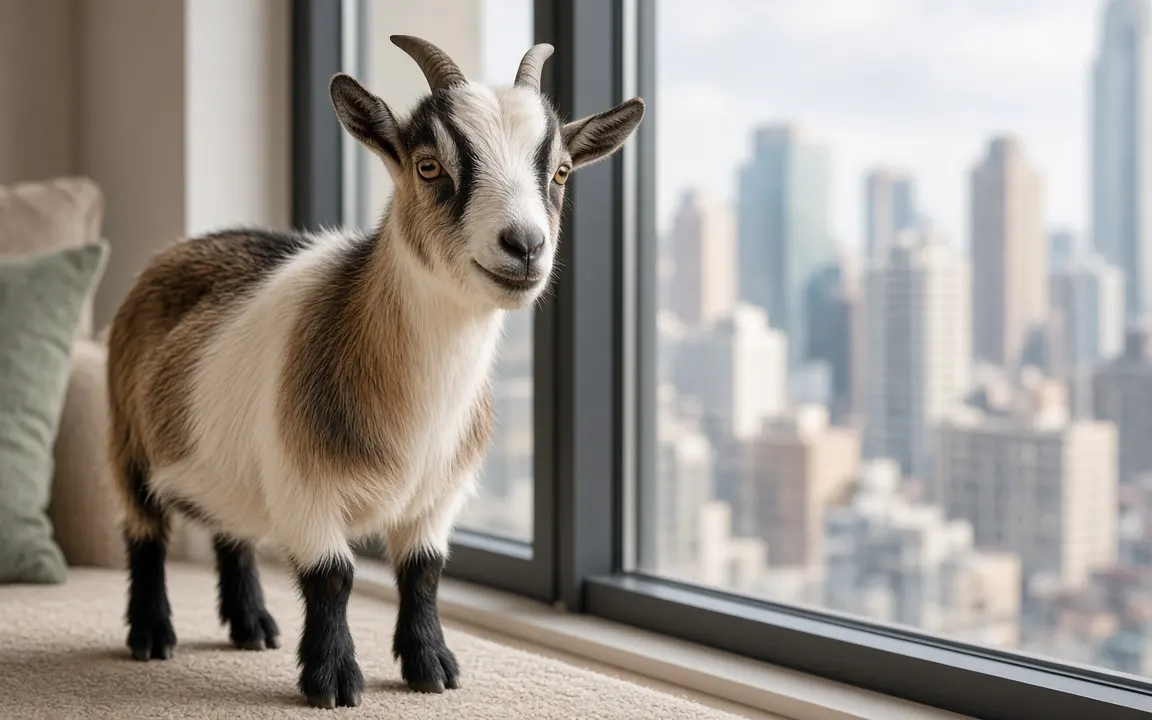
Some owners in Edinburgh keep a mini pig indoors, and moving a 100 lb pig out of a house or apartment after death is harder than people expect. Stairs, elevators and narrow halls all matter. Tell the crew the floor, whether there's an elevator and how wide the doors are, and have a sheet ready so the body can leave discreetly.
About 548,000 people live in Edinburgh, which makes it the 2nd-largest of the 4 Scotland communities we cover.
Edinburgh sits within easy reach of Dundee (36 miles), Glasgow (42 miles) and Newcastle (91 miles). A provider based in any of them will usually collect from Edinburgh; ask what the mileage adds to the bill.
74.5%[1]
In 2024, 74.5% of deaths in Scotland ended in cremation.
$600-$1,000[2]
Cremating a 1,000-pound horse was reported to cost about $600-$1,000, depending on location and the price of propane.
3-5% of body weight[3]
Embrace notes cremated remains typically weigh about 3-5% of the pet's original body weight.
We built the this numbers from Extension Horses (eXtension national Cooperative Extension) and Embrace Pet Insurance, and both are worth a look if you want the detail.
Burial, cremation and farm tradition in Scotland
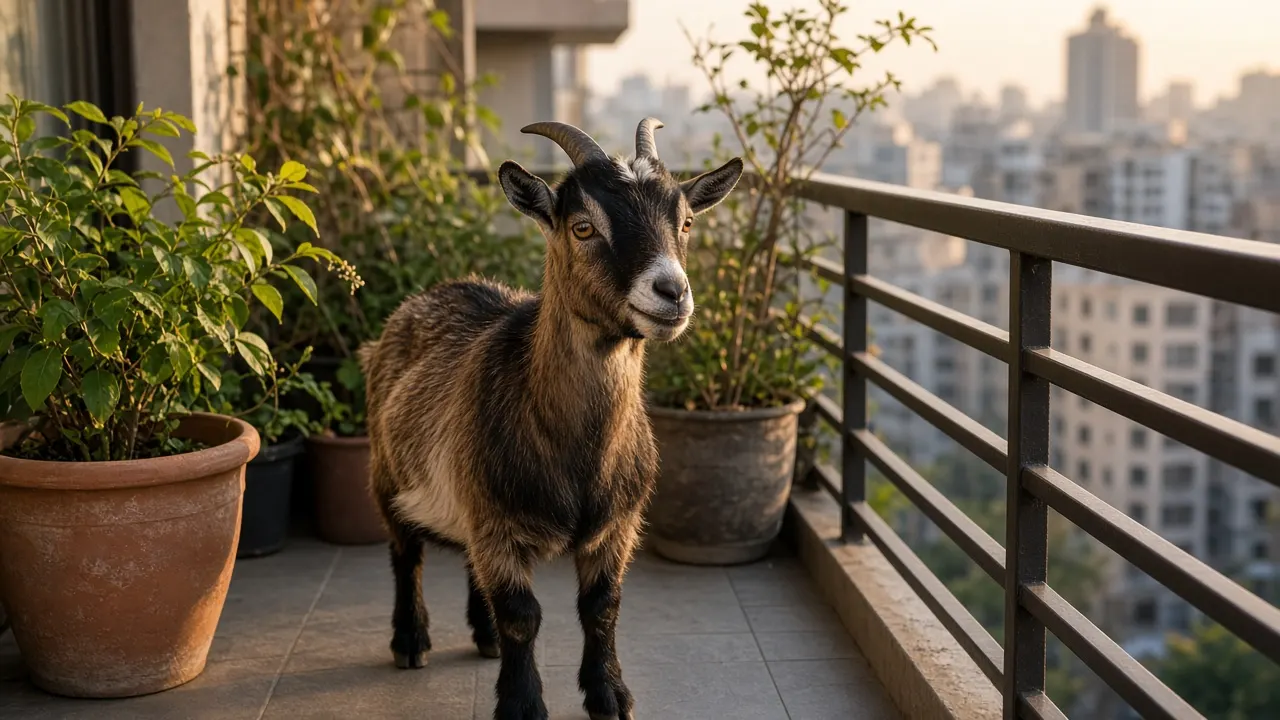
With cremation chosen for about 74.5%[1] of people in Scotland, local families tend to expect it for their animals too. On a smallholding, that expectation meets livestock law: the options for a goat, sheep or pig are set by rules written for farms, not for pets. Cremation fits comfortably inside those rules almost everywhere, which is one more reason it's the common choice here.
Federation of Burial and Cremation Authorities (FBCA) death & cremation statistics (2024) is where the Scotland figure comes from. It counts people; we use it because attitudes to cremating a pet in Edinburgh tend to follow attitudes to cremation generally.
Edinburgh weather and your animal's first hours
In warm weather, keep the body shaded, loosely covered against flies and off sun-heated ground, and ask for same-day collection. In cold weather you have more time, but lay the animal on a tarp so it can be moved easily and doesn't freeze to bedding. Either way, keep dogs and scavengers well away.

Where the money goes: cremation, collection, urn
For a pet sheep, goat or pig in Edinburgh, the lowest-cost lawful route is usually fallen-stock collection through a knacker or a member of the National Fallen Stock Company scheme, with nothing returned. If you want the ashes, you need a pet crematorium that accepts farm species; expect a price above the extra-large dog band in the table, plus collection.
The full price table by size is on our Scotland page, and the services page explains what each option includes.

Free tool
Cremation cost calculator
Estimate a realistic price range for your pet's size, location and the type of cremation.
Livestock law and pet rules in Scotland
Rules for dead farm animals change more across borders than almost any other part of pet aftercare. England bans burying pet pigs, sheep and goats; many US states allow it with conditions; California even bans composting whole sheep and goats. The general notes for Scotland follow. Treat them as the pet baseline and check livestock rules on top.
For what Edinburgh itself says, see City of Edinburgh Council. Its pages cover municipal collection; a private cremation is arranged separately.
In England, pet pigs, sheep and goats are still farmed animals in law, and the rules include a ban on livestock burial[5] on the holding, so burying them in the garden is generally not allowed; horses are the notable exception. England recognises 5 approved routes[6] for fallen stock, from knackers to incinerators, and most small keepers book collection through the National Fallen Stock Company scheme. If you want your animal's ashes, ask a pet crematorium whether it accepts your species and weight.
We keep Scotland's burial and scattering rules in one place: the Scotland rules summary. Before a home burial in Edinburgh, also ask the city whether local ordinances add anything.
The first day, step by step
- If the death was expected, there's probably a plan already agreed with your vet. Ring to fix the pickup time, and if euthanasia is at home, arrange it for early morning while it's cool.
- If it was sudden, call your vet or farm vet first. They'll tell you whether testing is worthwhile and whether the rest of the herd is at risk.
- Clear a path for collection. Get gates open and vehicles moved, then work out how a trailer or van will get to the animal.
- Line up help. Moving a 150 lb animal safely needs two people at minimum, along with a slide board, sled or tarp.
- Ask the provider three questions: is it truly private, how is my animal identified from the gate to the ashes, and when will the ashes come back?
- Check the rules before any burial or composting if you're considering them instead: species, depth, distance from water and time limits.
Ashes, fleece and memories on the farm
Edinburgh itself has few large animals, but the Lothians and the Scottish Borders are farming and horse country. Livery yards, riding schools and smallholdings sit around the Pentland Hills, Midlothian and East Lothian, and the Royal Highland Show at Ingliston brings the region's farming world together each year. If you keep a horse, sheep, goats or cattle near Edinburgh, ask about access for a lifting vehicle.
Our services overview lays out every option side by side, or see how other readers answered in our polls, use the free tools before you ring anyone, look through our guides and the blog. More local pages: Dundee, Aberdeen and Glasgow, the Scotland overview and every city in the United Kingdom.

Reader polls
What would you choose?
Vote anonymously and see how other readers answered. The results are live counts from people who visit this site, so they show real opinions, not a scientific sample.
Would you want your animal's own ashes returned?
Tap an answer to vote and see how others answered. Anonymous.
Before today, did you know the burial rules for farm species where you live?
Tap an answer to vote and see how others answered. Anonymous.
If you had to decide today, which aftercare would you choose for your pet?
Tap an answer to vote and see how others answered. Anonymous.

Free tools to help you plan
Cremation cost calculator
Estimate a realistic price range for your pet's size, location and the type of cremation.

Livestock mortality planner
Plan disposal capacity and costs for farm losses, from one animal to a herd.

Urn size calculator
Find the urn volume you need from your pet's weight, plus keepsake and sharing options.
Questions people ask
How do Scotland attitudes to cremation compare?
Federation of Burial and Cremation Authorities (FBCA) death & cremation statistics (2024) puts the Scotland human cremation rate at about 74.5%[1]. We show it on the Edinburgh page because pet aftercare choices tend to track it: where cremation is normal for people, communal and private pet cremation are both easy to find.
Can a provider from a neighbouring town collect from Edinburgh?
Usually yes. Dundee is about 36 miles away, Glasgow is about 42 miles away and Newcastle is about 91 miles away, all inside a normal collection radius. Get the mileage written into the quote so there is no surprise on the day.
What's the difference between private, partitioned and communal cremation?
Private means your animal is cremated alone and every bit of ash returned is theirs. Partitioned means several animals share the chamber but are kept apart, so the ashes are mostly, not certainly, your animal's. Communal means animals are cremated together and nothing is returned. For a named goat or pig, ask for private in writing if the ashes matter.
Is it cheaper to cremate two goats or sheep together?
Sometimes. Some providers charge by combined weight for a joint cremation of bonded animals, which can cost less than two separate private cremations; the ashes come back mixed in one urn. Others price each animal on its own. If both died together, or you'd like a companion's ashes added later, ask for a price on each option before you decide.
Is it worth cremating a single backyard hen?
If she mattered to you, yes. A hen is the least expensive farm animal to cremate, falling in the smallest pet price band, and communal cremation costs less again. What comes back is tiny, only a few tablespoons of ash, so ask for a small keepsake box or scatter the ashes around the run. Some keepers save a few feathers instead of, or as well as, the ashes.
Can I keep backyard chickens and goats in Edinburgh, and does that change aftercare?
Many local rules allow a few hens, and some allow miniature goats or a pet pig, usually with limits on numbers. The same rules often restrict burying livestock in built-up areas, and leases or homeowner and residents' associations can be stricter. In practice, most city keepers choose cremation, which avoids the question. Check before planning a burial.


Sources and our estimates
- [1] In 2024, 74.5% of deaths in Scotland ended in cremation. Federation of Burial and Cremation Authorities (FBCA) death & cremation statistics, 2024.
- [2] Cremating a 1,000-pound horse was reported to cost about $600-$1,000, depending on location and the price of propane. Extension Horses (eXtension national Cooperative Extension) - Horse Disposal Options, 2019, 2019.
- [3] Embrace notes cremated remains typically weigh about 3-5% of the pet's original body weight. Embrace Pet Insurance - Bury or Cremate Your Dog? Costs, Pros & Cons, 2025.
- [4] The average value lost per dead cow or calf in 2015 was about $997. Our estimate: $3.87 billion / 3.88 million head. How we calculate.
- [5] England bans the burial or open burning of fallen farm stock, but pet animals may be buried, and England (unlike Scotland and Wales) allows burial of both pet and non-pet horses. GOV.UK (Defra/APHA) - Fallen stock guidance, 2024.
- [6] England's approved routes for fallen stock are knackers, hunt kennels, maggot farms, incinerators and renderers; the not-for-profit National Fallen Stock Company runs collections for farmers and horse owners. GOV.UK (Defra/APHA) - Fallen stock guidance, 2024.
Tell us about your goat, sheep, pig or bird
Tell us what you need and where you are. We'll reply by email with clear options and prices so you can decide in your own time.