When a hobby-farm animal dies in Dusseldorf
Losing a named goat, ewe or kunekune hurts, and the paperwork of livestock rules on top of that can feel cold. We explain the options in plain English and can email you local choices.
- What to do in the first few hours
- Disease reporting, explained plainly
- Keepsakes: fleece, feathers, halter
Dusseldorf, North Rhine-Westphalia
Hobby-farm aftercare in Dusseldorf: the local picture
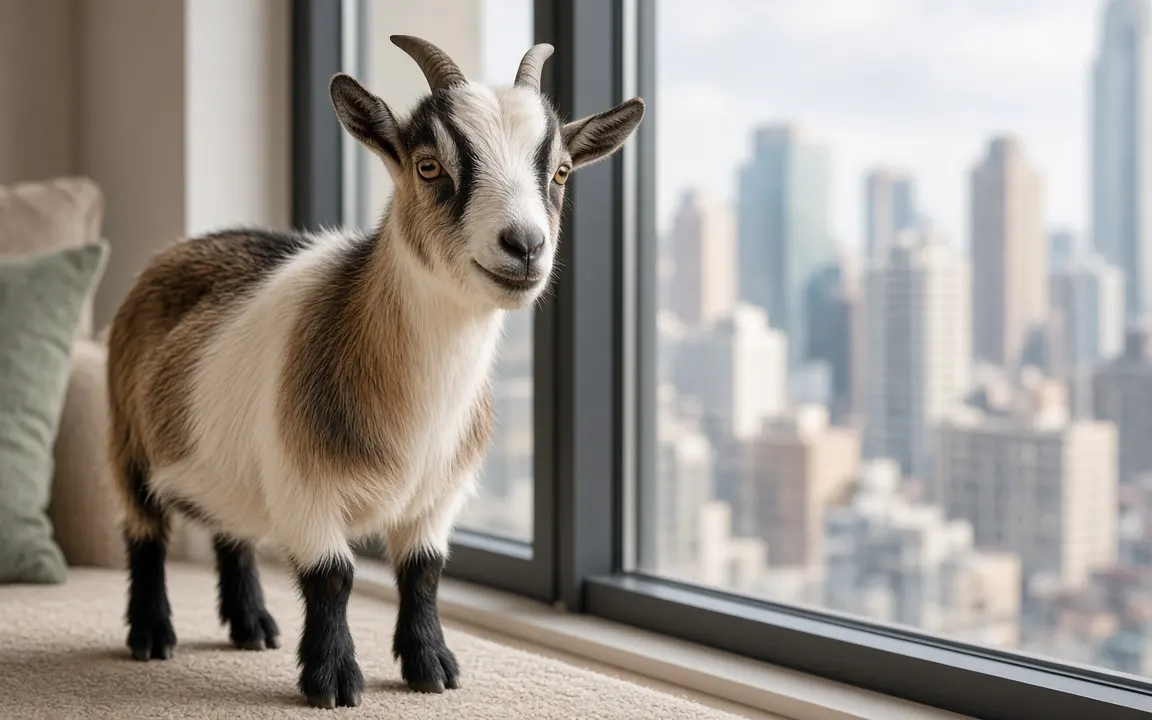
Around Düsseldorf, many large animals are companions rather than working stock: school ponies, a pair of pet goats, a rescued pig at a small sanctuary. If the standard rendering route feels wrong for your animal, talk to your yard and your vet before the animal is old or ill: whether a farewell can happen on site, who would be called, and roughly what individual cremation costs. Planning ahead turns a crisis into a set of steps.
Lower Rhine pastures are low and often waterlogged in winter, and stable yards around Düsseldorf can be tight for a heavy vehicle. Whoever collects the animal will ask what it weighs, how wide the gate is and whether a lifting truck can reach it without sinking into the meadow. Knowing this in advance saves time and upset when collection is needed.
Local rules around Dusseldorf often allow a few backyard hens, and some suburbs allow miniature goats or a pet pig with limits on numbers. What those rules rarely spell out is what to do when the animal dies. Burying livestock in built-up areas is commonly restricted, and a lease, a residents' association or a homeowner association can be stricter still. In practice, most metro keepers choose cremation, either private with the ashes returned or communal, because it sidesteps the question entirely.
Dusseldorf's population is around 619,000, the 2nd-largest of the 6 North Rhine-Westphalia communities we cover.
Dusseldorf sits within easy reach of Essen (19 miles), Cologne (22 miles) and Dortmund (36 miles). A provider based in any of them will usually collect from Dusseldorf; ask what the mileage adds to the bill.
76.0%[1]
In 2023, 76.0% of deaths in Germany were cremated (164 crematoria).
$600-$1,000[2]
Cremating a 1,000-pound horse was reported to cost about $600-$1,000, depending on location and the price of propane.
3-5% of body weight[3]
Embrace notes cremated remains typically weigh about 3-5% of the pet's original body weight.
The numbers above come from Embrace Pet Insurance and Extension Horses (eXtension national Cooperative Extension), if you'd like to read the original sources.
Burial, cremation and farm tradition in Germany
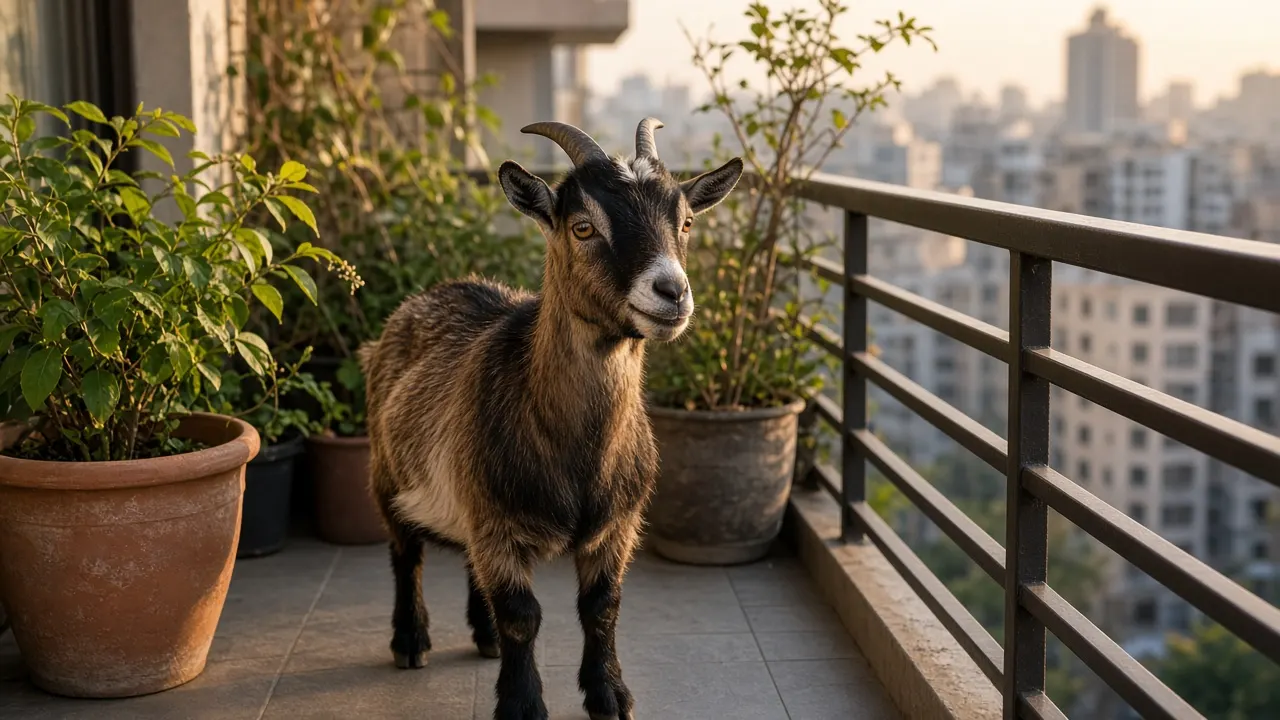
Since cremation accounts for around 76.0%[1] of human deaths in Germany, relatives and neighbors are unlikely to find it strange that you want your pig's or alpaca's ashes. What may surprise them is the bill: a heavy animal is priced by weight, and collection from a farm adds more. Settle the budget early, and the decision is yours alone.
That Germany rate is a human one, published by Cremation Society of Great Britain, International Cremation Statistics 2023 (2023). We quote it for Dusseldorf only as a pointer to how families here already think about cremation.
What the seasons mean for farm animal aftercare in Dusseldorf
In warm weather, keep the body shaded, loosely covered against flies and off sun-heated ground, and ask for same-day collection. In cold weather you have more time, but lay the animal on a tarp so it can be moved easily and doesn't freeze to bedding. Either way, keep dogs and scavengers well away.

What farm animal cremation costs in Dusseldorf
Prices in Germany will depend on your animal's weight, individual or collective cremation and how far the provider travels to collect. The table shows published examples from several European countries; most are for large dogs, the closest weight band to a small goat, sheep or pig. Expect heavier animals to be quoted individually.
For a line-by-line price table, see the North Rhine-Westphalia overview; for what's included in each option, see our services.

Free tool
Cremation cost calculator
Estimate a realistic price range for your pet's size, location and the type of cremation.
Livestock and pet rules in North Rhine-Westphalia
Composting is an approved route for dead stock in many places: in the 2014–2015 US bird flu outbreak it handled 85%[5] of poultry carcasses, according to the EPA. But it isn't allowed for every species everywhere, and a pile needs careful management. The pet-level picture for North Rhine-Westphalia is below; check the livestock rules before you build one.
In Germany, dead farm animals such as sheep, goats and pigs normally go to a Tierkörperbeseitigungsanstalt (animal carcass disposal plant), and keepers registered with their state's Tierseuchenkasse often have part of the cost covered. Home burial rules for pets don't usually extend to farm species. Some Tierkrematorien accept goats and pigs for individual cremation (Einzeleinäscherung); ask about weight limits.
If your animal dies today: a plan for Dusseldorf
- Check the time. In warm weather, aim to have your animal collected or delivered the same day. Ruminants bloat quickly.
- Lay the body on a tarp you can drag, with the head slightly raised if possible. It makes loading far easier later.
- Call a vet if more than one animal has died, and also when something doesn't look right, above all with pigs or a backyard flock.
- Ring providers with the species, weight and your location. Ask about chamber size, lifting gear and the collection radius.
- Get the price in writing, and make sure it covers mileage, out-of-hours fees and any winch charge.
- Watch the others. Goats, alpacas and donkeys may call or pace for days. Keep routines steady and give the closest companion extra time.
Memorials that fit a smallholding
Düsseldorf itself has only a handful of large animals, mostly at riding stables, city farms and wildlife enclosures on its edges, but the flat Lower Rhine pastureland to the north and west holds dairy cattle, sheep, pigs and horses on farms around Neuss, Meerbusch and beyond. When a large animal dies, German rules normally send fallen stock to a rendering plant, while individual cremation with ashes returned is a separate, privately arranged choice.
or look at how readers voted in our polls, use the free tools before you ring anyone, read our guides and latest articles, Our services overview lays out every option side by side. More local pages: Essen, Munster, Dortmund and Bonn, the North Rhine-Westphalia overview and every city in Germany.

Reader polls
What would you choose?
Vote anonymously and see how other readers answered. The results are live counts from people who visit this site, so they show real opinions, not a scientific sample.
What was (or would be) hardest about the practical side?
Tap an answer to vote and see how others answered. Anonymous.
Before today, did you know the burial rules for farm species where you live?
Tap an answer to vote and see how others answered. Anonymous.
If you had to decide today, which aftercare would you choose for your pet?
Tap an answer to vote and see how others answered. Anonymous.

Free tools to help you plan
Cremation cost calculator
Estimate a realistic price range for your pet's size, location and the type of cremation.

Livestock mortality planner
Plan disposal capacity and costs for farm losses, from one animal to a herd.

Urn size calculator
Find the urn volume you need from your pet's weight, plus keepsake and sharing options.
Questions people ask
How do Germany attitudes to cremation compare?
Cremation Society of Great Britain, International Cremation Statistics 2023 (2023) puts the Germany human cremation rate at about 76.0%[1]. We show it on the Dusseldorf page because pet aftercare choices tend to track it: where cremation is normal for people, communal and private pet cremation are both easy to find.
Which nearby towns can I compare with Dusseldorf?
The closest communities we cover are Essen (about 19 miles), Cologne (about 22 miles) and Dortmund (about 36 miles). Providers based in those places often serve Dusseldorf too. Ask each one for a written total that includes collection, so the distance is priced in.
What's the difference between private, partitioned and communal cremation?
Private means your animal is cremated alone and every bit of ash returned is theirs. Partitioned means several animals share the chamber but are kept apart, so the ashes are mostly, not certainly, your animal's. Communal means animals are cremated together and nothing is returned. For a named goat or pig, ask for private in writing if the ashes matter.
How big an urn do I need for a goat or sheep?
Plan on roughly a cubic inch of capacity for every pound your animal weighed[6]. A 70 lb pygmy goat then needs around 70 cubic inches and a 140 lb ewe around 140, more than most standard pet urns hold. Scattering most of it? A scatter tube plus a small keepsake urn works well. Our urn size calculator will work out the numbers.
How long until I get my farm animal's ashes back?
Many families get the ashes within one to two weeks. A large animal can take longer, because the cremation itself runs for hours and the provider may batch large-animal days. If the crematory is in a larger centre away from Dusseldorf, add time for the return trip, or arrange to collect the ashes yourself.
Can my goat or sheep be cremated with its halter or blanket?
Many providers allow a natural-fiber halter, a cotton blanket or a handful of hay to go with the animal, but metal buckles, bells and plastic ear tags are usually removed first. If you'd like to keep the halter or bell, say so; it's one of the most common keepsakes. Check what the provider allows before the day so nothing precious goes by mistake.


Sources and our estimates
- [1] In 2023, 76.0% of deaths in Germany were cremated (164 crematoria). Cremation Society of Great Britain, International Cremation Statistics 2023, 2023.
- [2] Cremating a 1,000-pound horse was reported to cost about $600-$1,000, depending on location and the price of propane. Extension Horses (eXtension national Cooperative Extension) - Horse Disposal Options, 2019, 2019.
- [3] Embrace notes cremated remains typically weigh about 3-5% of the pet's original body weight. Embrace Pet Insurance - Bury or Cremate Your Dog? Costs, Pros & Cons, 2025.
- [4] Each HPAI-infected premises averaged about 102,814 affected birds (Feb 2022-Sep 2025). Our estimate: 179,000,000 / 1,741. How we calculate.
- [5] Composting was used for 85% of poultry carcasses in the 2014-2015 U.S. HPAI outbreak; EPA lists composting and permitted landfills as the preferred disposal methods. U.S. EPA - Carcass Management During Avian Influenza Outbreaks, 2015.
- [6] Using the industry rule of thumb of 1 cubic inch of urn space per pound of body weight, a 12 lb cat needs an urn of about 12 cubic inches; a 70 lb dog needs about 70 cubic inches. Our estimate: urn cu in = body weight lb x 1 (industry rule of thumb, not a measured value). How we calculate.
Get local prices for your animal's weight
Tell us what you need and where you are. We'll reply by email with clear options and prices so you can decide in your own time.