Goat, pig and alpaca aftercare in Spanish Fork, Utah
Whether it's a single backyard hen or a 180 lb alpaca, the questions are the same: is it legal to bury, who can collect, and can I have my own animal's ashes back? Here are the answers.
- Weight limits checked before you load
- Written totals including mileage
- No pressure, just clear local options

Spanish Fork, Utah
Finding a crematory that takes farm species near Spanish Fork
Spring irrigation and snowmelt can turn fields to mud, and winter brings frozen, rutted ground. Moving a heavy animal is difficult in both conditions. If an older horse, cow or llama is declining, choose firm footing near a road for the vet's final visit so a hauler can load without getting stuck, and keep the gate clear of snow and parked equipment.
Burying livestock at home may be possible on some rural parcels around Spanish Fork, but zoning and county rules apply, and frozen ground makes it hard from December to February. Rendering and cremation are the common alternatives. Families who show animals at the fair or ride in the Fiesta Days rodeo often keep a ribbon, a halter or a photo as a lasting memento.
In a rural area like Spanish Fork, the biggest line on a cremation quote is often the journey rather than the cremation itself. Ask whether mileage is charged from the provider's base or from the edge of a free radius, and what happens if the crew needs a winch. Some keepers keep costs down by delivering the animal themselves, or by timing a collection with another owner nearby.
About 48,837 people live in Spanish Fork, which makes it the 20th-largest of the 52 Utah communities we cover. The nearest larger centre is Salt Lake City, about 47 miles (75 km) away, which is where some providers serving Spanish Fork are based.
If you want to compare providers, look at Springville (4 miles), Payson (7 miles) and Provo (8 miles, a larger centre). Distance matters because pickup fees and the time until the ashes come back both grow with the drive.
46.1%[1]
The NFDA projected Utah's cremation rate at 46.1% for 2024.
$600-$1,000[2]
Cremating a 1,000-pound horse was reported to cost about $600-$1,000, depending on location and the price of propane.
3-5% of body weight[3]
Embrace notes cremated remains typically weigh about 3-5% of the pet's original body weight.
If a number here surprises you, the primary material is Extension Horses (eXtension national Cooperative Extension) and Embrace Pet Insurance; we only apply it to this.

Burial, cremation and farm tradition in Utah
Family burial plots still mean a great deal in Utah, where cremation accounts for just 46.1%[1] or so of people. Some keepers feel the same pull towards a grave on the farm. If the rules and the ground allow it, that's a fine choice. If not, burying the ashes rather than the body gives you the same place to visit, dug with a spade instead of a machine.
For the Utah figure we rely on NFDA 2024 Cremation & Burial Report state projections (via Occasional Sage) (2024). Read it as a picture of local custom around death and remembrance in Spanish Fork rather than as pet data.
Weather, bloat and frozen ground in Spanish Fork
Both Spanish Fork extremes are hard on the animals themselves. Heat stress hits pigs, alpacas and unshorn sheep in July; hard frosts in January, February, November and December are tough on old goats and backyard hens. When a death comes in a spell of extreme weather, check the rest of the herd or flock, and tell your vet if more than one animal seems off.
Seasons like Spanish Fork's push many hobby farmers towards cremation. In the heat, it's the quickest legal way to deal with a heavy body; in the cold, it avoids a grave you can't dig. If you'd still like your animal in the ground, you can bury or scatter the ashes whenever the season allows, under a tree, in the paddock or by the barn door.
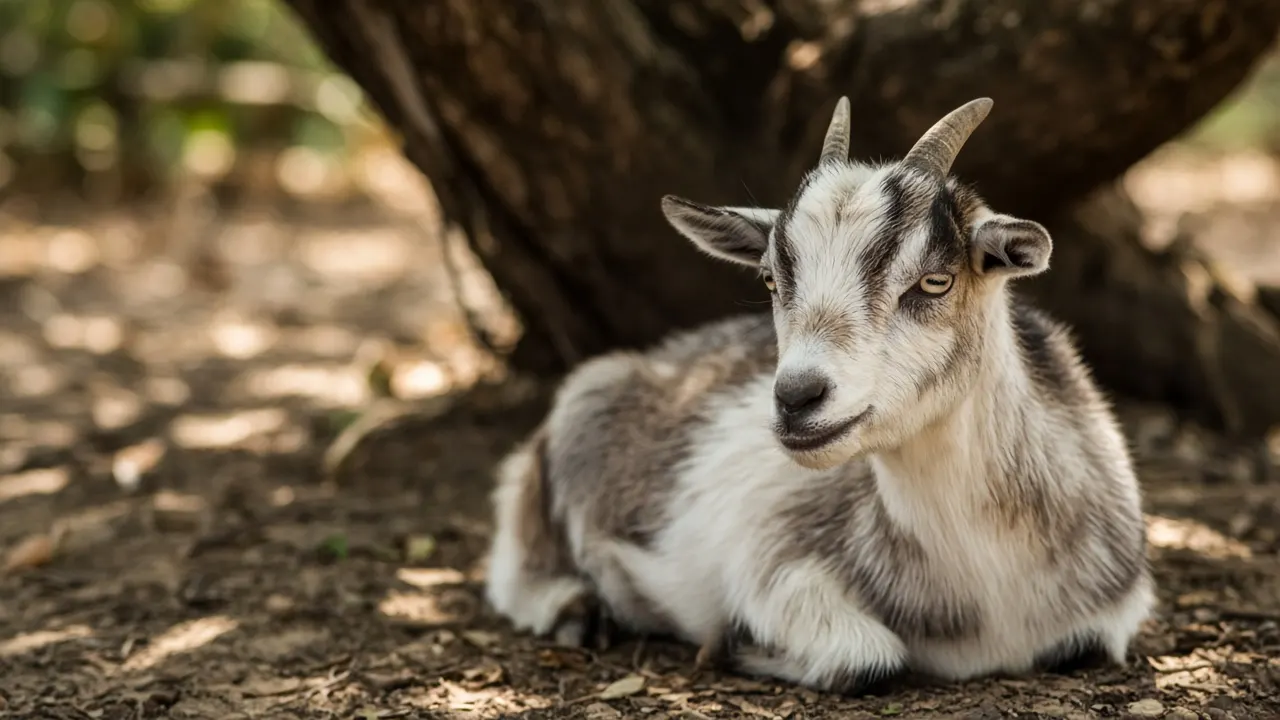
Budgeting in Spanish Fork for a pig, ewe or goat
Very few US providers publish prices for goats, sheep or pigs, so the table uses the closest published pet price bands by weight. For a pygmy goat, that means something like a large dog; for a 150 lb ewe or pot-bellied pig, the top band or an individual quote; for a llama or donkey, horse territory, where a 1,000 lb animal runs about $600-$1,000[2]. Collection and mileage from a farm around Spanish Fork are usually extra.
For a line-by-line price table, see the Utah overview; for what's included in each option, see our services.

Free tool
Cremation cost calculator
Estimate a realistic price range for your pet's size, location and the type of cremation.
Livestock law and pet rules in Utah
You don't need a permit to have a farm animal cremated. What you do instead of cremation is where rules come in: many places set a time limit after death, a minimum burial depth, distances from wells and water, and restrictions on composting certain species. Here's the general picture for Utah; livestock rules can be stricter.
To find your county or city office in Utah, start with the official Utah local government directory.
The rules that apply across Utah (home burial, scattering and who oversees pet cremation) are summarized on our Utah page. Spanish Fork may add its own conditions, so check with the city or county before digging.
What to do when a farm animal dies in Spanish Fork
- Stop and count. When two or more animals or birds have died inside a day or so and nothing obvious like a predator explains it, don't move anything yet.
- Put on gloves and keep the bodies away from the living stock. Birds go in two bags; bigger animals get covered where they've fallen.
- Ring the vet, or your national animal health agency, and describe exactly what you've seen. Bird flu, swine fevers and several sheep and goat diseases are notifiable in many countries.
- Wait for the all-clear before you cremate, bury or compost anything. You may be offered testing, and one of the bodies might have to go off to a lab first.
- Keep visitors and borrowed equipment off the property while you wait for answers, and clean boots and feeders whenever you move between pens.
- Once you're cleared, decide animal by animal. It's common to choose communal cremation for the bulk of a flock while giving one special bird a private cremation of its own.
Remembering your animal in Spanish Fork
Spanish Fork is one of the more agricultural cities in Utah County, with dairies, hay fields and horse property on its edges, and the Utah County Fair is held here each summer. Many local vets treat cattle and horses, and long-time farm families know the aftercare options well. Newcomers with a horse or a few goats can simply ask a neighbor whom they phone.
Our services overview lays out every option side by side, the planning tools turn your pet's details into figures, or see how other readers answered in our polls, read our guides and latest articles. You can also browse every city in the United States. Nearby, we also cover St. George, Provo, Salt Lake City and West Valley City, and every city in Utah.

Reader polls
What would you choose?
Vote anonymously and see how other readers answered. The results are live counts from people who visit this site, so they show real opinions, not a scientific sample.
How do you think of the animal you've lost, or are about to lose?
Tap an answer to vote and see how others answered. Anonymous.
Before today, did you know the burial rules for farm species where you live?
Tap an answer to vote and see how others answered. Anonymous.
If you had to decide today, which aftercare would you choose for your pet?
Tap an answer to vote and see how others answered. Anonymous.

Free tools to help you plan
Cremation cost calculator
Estimate a realistic price range for your pet's size, location and the type of cremation.

Livestock mortality planner
Plan disposal capacity and costs for farm losses, from one animal to a herd.

Urn size calculator
Find the urn volume you need from your pet's weight, plus keepsake and sharing options.
Questions people ask
Is cremation common in Utah?
For people, yes: about 46.1%[1] of Utah deaths end in cremation, according to NFDA 2024 Cremation & Burial Report state projections (via Occasional Sage) (2024). Nobody publishes the same figure for pets, but in our experience pet choices in Spanish Fork follow the human pattern closely, so cremation is the default most families here start from.
Where are the providers that serve Spanish Fork actually based?
Some are local, and some run from Salt Lake City, about 47 miles away. That is normal for a town this size. What matters is the collection time they quote for Spanish Fork and whether the drive is priced into the total, so ask both up front.
Can a provider from a neighbouring town collect from Spanish Fork?
Usually yes. Springville is about 4 miles away, Payson is about 7 miles away and Provo is about 8 miles away, all inside a normal collection radius. Get the mileage written into the quote so there is no surprise on the day.
How does Spanish Fork's weather affect farm animal aftercare?
July is the hottest month in Spanish Fork, with average highs around 93°F, so prompt collection matters most then. Average lows drop below freezing in January, February, November and December, which can make digging a grave hard until spring.
How long can I leave a dead goat or sheep before it's collected?
Not long. The rumen keeps fermenting after death, so goats, sheep and alpacas can bloat within hours in warm weather. Many US states expect dead livestock to be dealt with within 24-72 hours[5]. Keep the body shaded and loosely covered, and book collection or delivery the same day if you can.
Should the rest of the herd see the body?
Many keepers find it helps. Goats, alpacas and donkeys in particular often settle better if a bonded companion is allowed a few minutes to see and sniff the body. Stay with them, then move the body out of sight before collection. Expect calling or pacing for a few days afterwards; steady routines help.


Sources and our estimates
- [1] The NFDA projected Utah's cremation rate at 46.1% for 2024. NFDA 2024 Cremation & Burial Report state projections (via Occasional Sage), 2024.
- [2] Cremating a 1,000-pound horse was reported to cost about $600-$1,000, depending on location and the price of propane. Extension Horses (eXtension national Cooperative Extension) - Horse Disposal Options, 2019, 2019.
- [3] Embrace notes cremated remains typically weigh about 3-5% of the pet's original body weight. Embrace Pet Insurance - Bury or Cremate Your Dog? Costs, Pros & Cons, 2025.
- [4] About 10,630 U.S. cattle and calves died every day in 2015. Our estimate: 3,880,000 / 365. How we calculate.
- [5] State rules commonly require dead animals to be buried within 24 to 72 hours of death, especially when euthanized. Cornell Waste Management Institute & Penn State - Horse Mortality: Carcass Disposal Alternatives (2012), 2012.
Get farm animal cremation options near Spanish Fork
Tell us what you need and where you are. We'll reply by email with clear options and prices so you can decide in your own time.