Goat, pig and alpaca aftercare in Portland, Oregon
Losing a named goat, ewe or kunekune hurts, and the paperwork of livestock rules on top of that can feel cold. We explain the options in plain English and can email you local choices.
- Help for backyard flocks and pet pigs
- Heat, bloat and timing advice
- Options that keep your animal's ashes
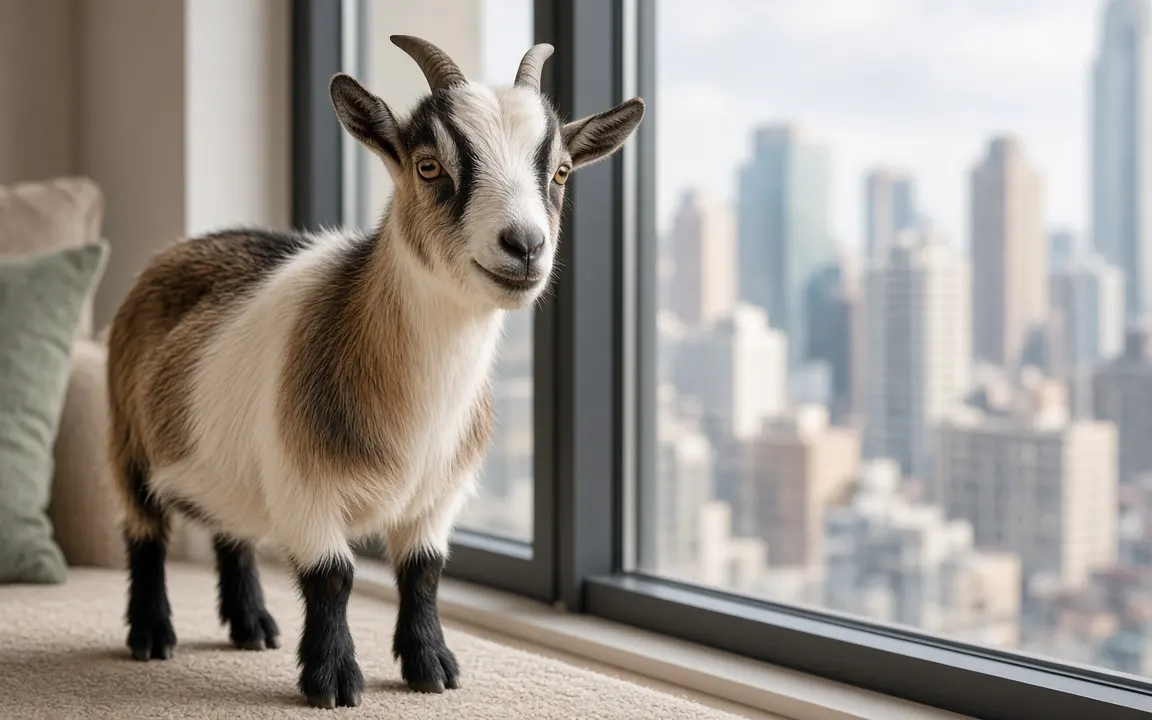
Portland, Oregon
Who can help with a goat, pig or sheep in Portland
Inside Portland itself, large animals are rare, but the metro fringe has plenty of hobby farms, horse properties, small cattle herds and animal sanctuaries, from Sauvie Island to rural Clackamas and Washington counties. When a large animal dies there, the questions are practical: gravel driveways, gate widths and whether a truck with a winch can reach the barn or field in wet weather. Share those details when you ask for options.
Many large-animal keepers around Portland think about aftercare the same way they think about land: they want something that sits well with the place. For a cow, llama, pig or horse, some choose cremation with ashes returned to scatter on their own pasture; others weigh burial where county rules and soil allow, or rendering for commercial stock. Planning ahead for an older animal means the choice is not made on a rainy night.
If your animal lives on a small acreage at the edge of Portland, you're in the in-between zone: too rural for the pet crematory's usual van, too suburban for the renderer's truck to bother with one goat. Ask each provider exactly where their collection radius ends and what they charge past it. Delivering the animal yourself, in a pickup bed or on a small trailer, can take a big line off the bill.
With roughly 635,109 residents, Portland is the largest of the 34 Oregon communities we cover.
Nearby, we also have local pages for Milwaukie (6 miles), Beaverton (6 miles) and Lake Oswego (7 miles), which can help if your vet or the provider you prefer is based there.
77.7%[1]
Oregon had a 77.7% cremation rate in 2024, among the highest in the US.
$600-$1,000[2]
Cremating a 1,000-pound horse was reported to cost about $600-$1,000, depending on location and the price of propane.
3-5% of body weight[3]
Embrace notes cremated remains typically weigh about 3-5% of the pet's original body weight.
The numbers above come from Extension Horses (eXtension national Cooperative Extension) and Embrace Pet Insurance, if you'd like to read the original sources.
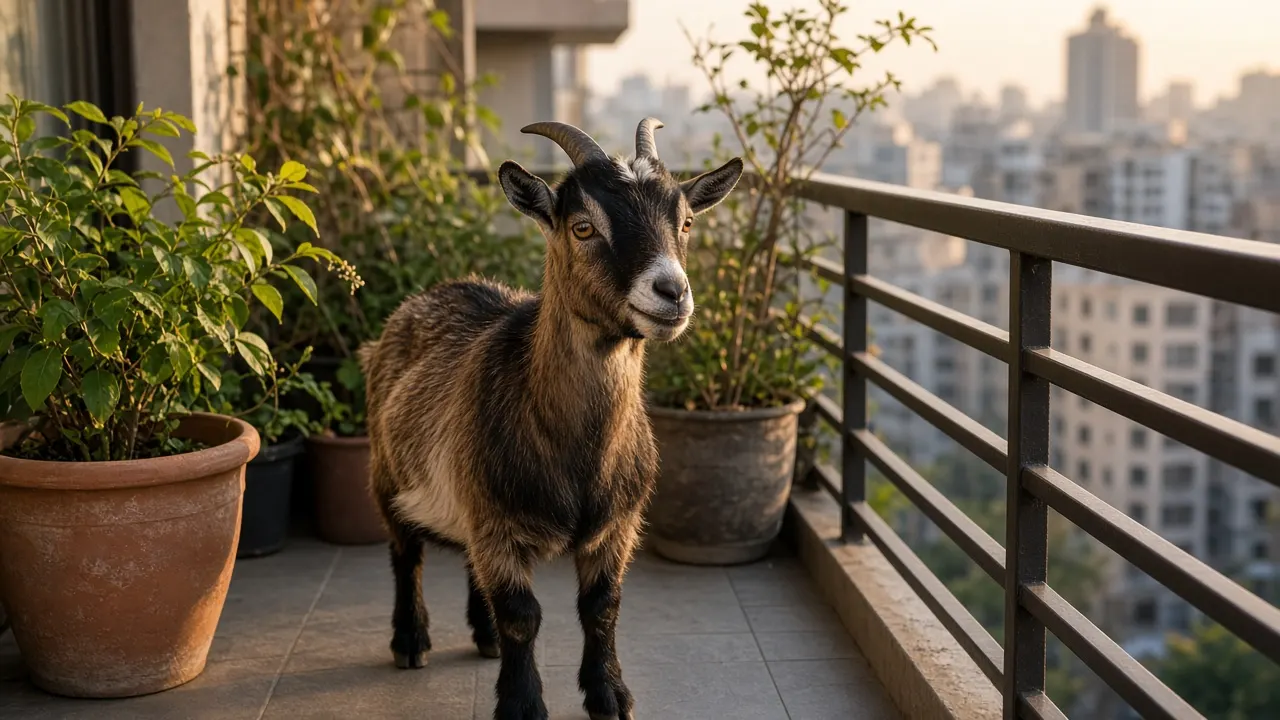
The local attitude to cremation
About 77.7%[1] of people in Oregon are cremated, so cremation feels ordinary. For small farm species the effect is practical: pet crematories are more numerous and more used to unusual requests, from a hen in a shoebox to two bonded wethers cremated together. For a larger animal, you may still need an equine or large-animal crematory, and those are spread more thinly.
Direct Cremate (citing CANA) (2024) is where the Oregon figure comes from. It counts people; we use it because attitudes to cremating a pet in Portland tend to follow attitudes to cremation generally.
Planning around the seasons in Portland
Portland's climate is fairly mild, which gives you a little breathing room. A goat or sheep laid on its side in a cool, shaded barn and loosely covered will keep for several hours while you gather yourself and make calls. It's still wise to arrange collection within the day, because ruminants bloat even in moderate weather and a heavy body holds its own heat.
Portland's gentler seasons suit a memorial that grows. Many smallholders scatter ashes along a fence line or plant a tree where the animal liked to graze, and in a mild climate you can do that within weeks of the cremation or save it for a spring or autumn day that means something. Some keep a little back in a keepsake urn for the house.

How much to budget in Portland
For a small backyard flock, costs are modest: a single hen falls in the smallest pet band, and many keepers choose communal cremation. For a goat or sheep, the bigger variable is collection. A crew with a winch coming out to a farm near Portland can cost as much as the cremation itself, so ask what's included before you agree.
The Oregon price table breaks costs down by size; our services page explains what sits behind each line.

Free tool
Cremation cost calculator
Estimate a realistic price range for your pet's size, location and the type of cremation.
Livestock and pet rules in Oregon
A rough rule holds almost everywhere: the bigger the animal, the more the law cares where it ends up. A hen or duck is treated much like any small pet. A 150 lb ewe or a pig brings setbacks from wells, depth requirements and sometimes an outright ban. Here's what Oregon says about pets in general; expect a large farm species to be held to a higher standard.
For what Portland itself says, see Multnomah County Animal Services. Its pages cover municipal collection; a private cremation is arranged separately. Oregon keeps an official directory of local governments; use it to reach the county or city office that covers Portland.
Home burial and scattering are governed at the Oregon level first; our Oregon rules summary has the detail. Then check whether Portland or your HOA adds anything.
A practical checklist for smallholders in Portland
- If the death was expected, there's probably a plan already agreed with your vet. Ring to fix the pickup time, and if euthanasia is at home, arrange it for early morning while it's cool.
- If it was sudden, call your vet or farm vet first. They'll tell you whether testing is worthwhile and whether the rest of the herd is at risk.
- Clear a path for collection. Open gates, move vehicles and think about how a van or trailer will reach the animal.
- Line up help. Moving a 150 lb animal safely needs two people at minimum, along with a slide board, sled or tarp.
- Ask the provider three questions: whether the cremation is genuinely private, how they track which animal is which between the gate and the ashes, and when you'll get the ashes back.
- Check the rules before any burial or composting if you're considering them instead: species, depth, distance from water and time limits.
Remembering your animal in Portland
The Willamette Valley south of Portland is some of Oregon's richest farmland, with sheep, goats, alpacas and horses on small farms between vineyards and nurseries. Winter rain turns pastures to mud, which can make collection of a heavy animal harder than people expect. Mention ground conditions when you request help so a provider can bring the right vehicle. A dry spell in late summer is easier, but nobody chooses the timing.
See what each option includes on our services page, or see what other families chose in the poll results, use the free tools before you ring anyone, the guides answer the longer questions and the blog the newer ones. More local pages: Salem, Gresham, Eugene and Bend, the Oregon overview and every city in the United States.

Reader polls
What would you choose?
Vote anonymously and see how other readers answered. The results are live counts from people who visit this site, so they show real opinions, not a scientific sample.
How do you think of the animal you've lost, or are about to lose?
Tap an answer to vote and see how others answered. Anonymous.
Would you want your animal's own ashes returned?
Tap an answer to vote and see how others answered. Anonymous.
If you had to decide today, which aftercare would you choose for your pet?
Tap an answer to vote and see how others answered. Anonymous.

Free tools to help you plan
Cremation cost calculator
Estimate a realistic price range for your pet's size, location and the type of cremation.

Livestock mortality planner
Plan disposal capacity and costs for farm losses, from one animal to a herd.

Urn size calculator
Find the urn volume you need from your pet's weight, plus keepsake and sharing options.
Questions people ask
Why does the Portland page quote a human cremation rate?
Because it is the best local signal we have. Direct Cremate (citing CANA) (2024) reports about 77.7%[1] of Oregon residents are cremated. There is no official pet equivalent, and inventing one would be worse than quoting a real, clearly labelled number.
How does Portland's weather affect farm animal aftercare?
August is the hottest month in Portland, with average highs around 82°F, so prompt collection matters most then. Winters are mild, with average lows staying above freezing, so outdoor burial or scattering is usually possible year round.
Which nearby towns can I compare with Portland?
The closest communities we cover are Milwaukie (about 6 miles), Beaverton (about 6 miles) and Lake Oswego (about 7 miles). Providers based in those places often serve Portland too. Ask each one for a written total that includes collection, so the distance is priced in.
How long until I get my farm animal's ashes back?
Many families get the ashes within one to two weeks. A large animal can take longer, because the cremation itself runs for hours and the provider may batch large-animal days. If the crematory is in a larger centre away from Portland, add time for the return trip, or arrange to collect the ashes yourself.
Can I keep backyard chickens and goats in Portland, and does that change aftercare?
Many local rules allow a few hens, and some allow miniature goats or a pet pig, usually with limits on numbers. The same rules often restrict burying livestock in built-up areas, and leases or homeowner and residents' associations can be stricter. In practice, most city keepers choose cremation, which avoids the question. Check before planning a burial.
How much ash will I get back from a goat, sheep or hen?
Cremated remains are about 3-5% of body weight[3]. A 70 lb pygmy goat returns roughly two to three and a half pounds of ash; a 160 lb alpaca returns five to eight. A hen returns only a spoonful or two, so ask for a small container rather than a standard urn. The urn size calculator on our tools page can help.


Sources and our estimates
- [1] Oregon had a 77.7% cremation rate in 2024, among the highest in the US. Direct Cremate (citing CANA), 2024.
- [2] Cremating a 1,000-pound horse was reported to cost about $600-$1,000, depending on location and the price of propane. Extension Horses (eXtension national Cooperative Extension) - Horse Disposal Options, 2019, 2019.
- [3] Embrace notes cremated remains typically weigh about 3-5% of the pet's original body weight. Embrace Pet Insurance - Bury or Cremate Your Dog? Costs, Pros & Cons, 2025.
- [4] About 10,630 U.S. cattle and calves died every day in 2015. Our estimate: 3,880,000 / 365. How we calculate.
Find who takes farm species near you
Tell us what you need and where you are. We'll reply by email with clear options and prices so you can decide in your own time.