Bringing your farm pet's ashes home in Greensboro
Your goat, sheep or pig is family, but the law usually files it under livestock. Here's what that means locally, who will take an animal this size and what it costs to bring the ashes home.
- Providers that accept goats, pigs and alpacas
- Livestock burial rules explained simply
- Private cremation with ashes returned
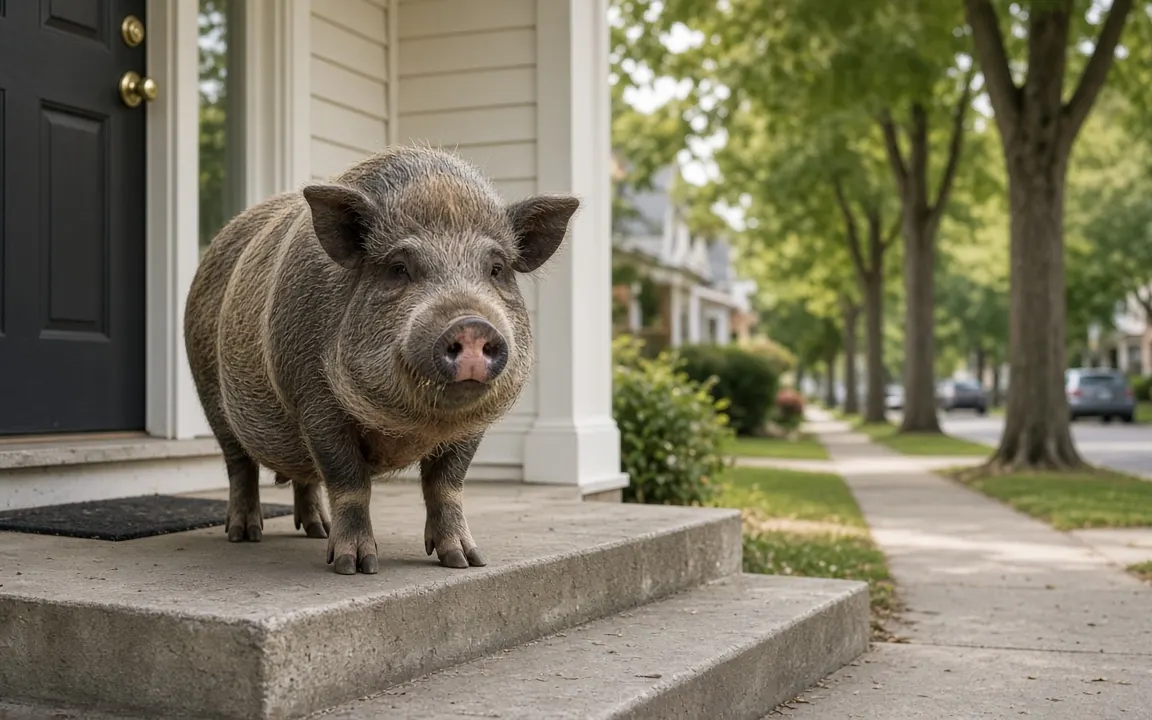
Greensboro, North Carolina
What arranging farm animal cremation in Greensboro is like
The Piedmont's red clay is hard work to dig, especially in a dry summer, and burying a large animal takes a backhoe and enough distance from wells and streams. That's one reason many owners look at other options. In July and August the heat and humidity make speed essential, so keep the body shaded and covered and call early in the day if you can.
North Carolina has a strong agricultural and fair tradition, and around Greensboro many families keep a few animals for 4-H, shows or simply company. Individual cremation for a horse, cow or large goat is possible but offered by fewer providers than pet cremation, and it costs more. If ashes matter, say so clearly when you ask, so you're only sent options that return them.
Feed stores, farm supply shops and livestock auctions around Greensboro and Charlotte are good places to ask for a name. The people behind the counter hear which providers other keepers used, and which ones turned up with the right gear. Combine that with your vet's suggestion and you'll usually have two options to compare within the hour.
Greensboro's population is around 308,667, the 3rd-largest of the 64 North Carolina communities we cover. Raleigh, roughly 68 miles off, is the closest larger centre, and a share of the providers who cover Greensboro run from there.
Greensboro sits within easy reach of High Point (13 miles), Kernersville (16 miles) and Burlington (18 miles). A provider based in any of them will usually collect from Greensboro; ask what the mileage adds to the bill.
57.3%[1]
The NFDA projected North Carolina's cremation rate at 57.3% for 2024.
$600-$1,000[2]
Cremating a 1,000-pound horse was reported to cost about $600-$1,000, depending on location and the price of propane.
3-5% of body weight[3]
Embrace notes cremated remains typically weigh about 3-5% of the pet's original body weight.
Sources for the statistics above: Extension Horses (eXtension national Cooperative Extension) and Embrace Pet Insurance.
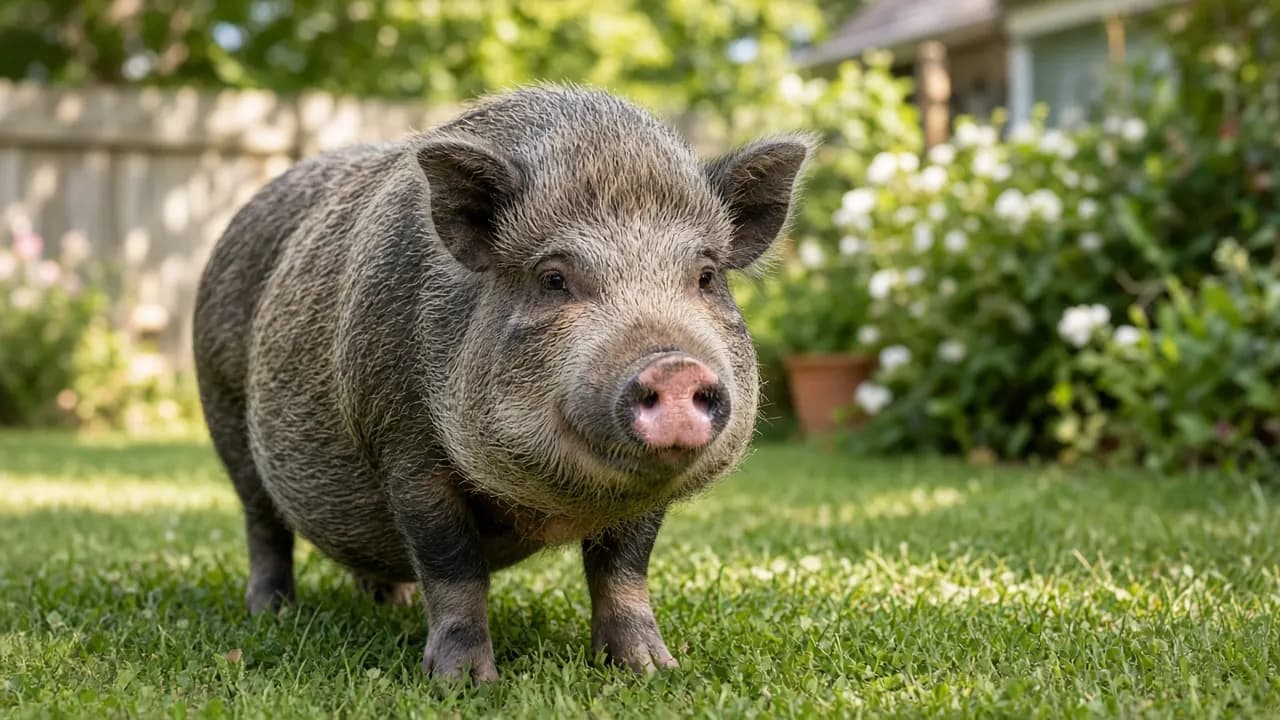
Cremation rates in North Carolina and your animal
Cremation is now the majority choice for people in North Carolina, at about 57.3%[1], but burial still has deep roots, especially in farming country. You'll find both traditions among smallholders. Neither is more proper than the other for a goat or sheep; what matters is what the rules allow for that species on your land and what feels right to you.
The North Carolina figure comes from NFDA 2024 Cremation & Burial Report state projections (via Occasional Sage) (2024). It describes people, not pets, so read it as a sign of local attitudes rather than a pet statistic.
Planning around the seasons in Greensboro
Greensboro summers are hot, with July highs averaging around 89°F. That shortens the time you have. The rumen of a goat, sheep or alpaca keeps fermenting after death, and in heat the body can bloat within hours. Move your animal into deep shade or a cool barn, lay it on its side on straw or a tarp, and cover it loosely against flies. Ask for same-day collection.
In the hottest months (June, July and August), don't plan on waiting until tomorrow. A 150 lb pig or goat holds heat long after death, and flies arrive fast. If collection will be delayed, lay bags of ice or frozen water bottles along the belly and flank under a light cover, never under a sealed plastic sheet, which traps heat. Hosing the body down doesn't help for long; shade does.

Budgeting in Greensboro for a pig, ewe or goat
Some costs around a farm death in Greensboro arrive before the crematory's: a farm call for euthanasia, a post-mortem if you want answers, occasionally a disease test. Ask your vet to itemize them. Then use our cremation cost calculator to add cremation, collection and the urn, so the whole bill is in one place before you commit.
The full price table by size is on our North Carolina page, and the services page explains what each option includes.

Free tool
Cremation cost calculator
Estimate a realistic price range for your pet's size, location and the type of cremation.
Livestock and pet rules in North Carolina
If you rent your land or keep animals on someone else's property, the landowner's say matters as much as the law. Many tenancies and grazing agreements forbid burial, and a landlord may not want a compost pile either. Cremation needs nobody's permission. Here's the general picture for pets in North Carolina; your lease may add conditions of its own.
The official North Carolina local government directory lists every county and city office, which is the quickest way to find who to ask in Greensboro.
Home burial and scattering are governed at the North Carolina level first; our North Carolina rules summary has the detail. Then check whether Greensboro or your HOA adds anything.
What to do when a farm animal dies in Greensboro
- Ask the clinic what happens if you give no instructions. The default at a lot of practices is to pass farm animals to a renderer or into a communal cremation.
- Say plainly if the ashes should come home, and ask the staff to write "private cremation" on your animal's record before you leave the building.
- Raise the question of a post-mortem now. It's far easier to arrange while the body is still at the clinic than once it has gone to the crematory.
- Find out who bills you. At one practice the cremation lands on the vet's invoice; at another you're given the crematory's number and pay them yourself.
- Ask for the halter, collar or tag to be kept for you, and a few feathers or a snip of fleece too if you haven't already taken one.
- Plan the evening at home. Herd mates may call for the missing animal when you come back without it; extra hay and a familiar routine help.
A lasting place for your animal near Greensboro
Greensboro sits in rolling Piedmont country, and a short drive out of town brings you to horse farms, cattle pasture and hobby farms in northern Guilford County and in Rockingham and Randolph counties. If your horse, goat, sheep, pig or cow is kept out there, tell us the county, the road and whether a truck can reach the barn, since that shapes what collection is possible.
or see how other readers answered in our polls, The services page is the place to compare what is included, browse in-depth guides or recent articles, try the free planning tools. You can also browse every city in the United States. Nearby, we also cover Cary, Raleigh, Fayetteville and Winston-Salem, and every city in North Carolina.

Reader polls
What would you choose?
Vote anonymously and see how other readers answered. The results are live counts from people who visit this site, so they show real opinions, not a scientific sample.
Before today, did you know the burial rules for farm species where you live?
Tap an answer to vote and see how others answered. Anonymous.
What was (or would be) hardest about the practical side?
Tap an answer to vote and see how others answered. Anonymous.
If you had to decide today, which aftercare would you choose for your pet?
Tap an answer to vote and see how others answered. Anonymous.

Free tools to help you plan
Cremation cost calculator
Estimate a realistic price range for your pet's size, location and the type of cremation.

Livestock mortality planner
Plan disposal capacity and costs for farm losses, from one animal to a herd.

Urn size calculator
Find the urn volume you need from your pet's weight, plus keepsake and sharing options.
Questions people ask
Why does the Greensboro page quote a human cremation rate?
Because it is the best local signal we have. NFDA 2024 Cremation & Burial Report state projections (via Occasional Sage) (2024) reports about 57.3%[1] of North Carolina residents are cremated. There is no official pet equivalent, and inventing one would be worse than quoting a real, clearly labelled number.
When is the hardest time of year to arrange a burial in Greensboro?
January: average lows are below freezing then, and frozen ground makes a home grave slow or impossible until it thaws. The other pressure point is July, when highs around 89°F mean a body needs cooling and collecting quickly.
Can a provider from a neighbouring town collect from Greensboro?
Usually yes. High Point is about 13 miles away, Kernersville is about 16 miles away and Burlington is about 18 miles away, all inside a normal collection radius. Get the mileage written into the quote so there is no surprise on the day.
Where are the providers that serve Greensboro actually based?
Some are local, and some run from Raleigh, about 68 miles away. That is normal for a city this size. What matters is the collection time they quote for Greensboro and whether the drive is priced into the total, so ask both up front.
Should the rest of the herd see the body?
Many keepers find it helps. Goats, alpacas and donkeys in particular often settle better if a bonded companion is allowed a few minutes to see and sniff the body. Stay with them, then move the body out of sight before collection. Expect calling or pacing for a few days afterwards; steady routines help.
Do I need to report a dead chicken or duck in Greensboro?
Not usually for a single bird with an obvious cause, such as old age or a fox. But unexplained deaths, especially several birds in a short time, should be reported to your vet or state animal health office because of bird flu, which has affected 179 million birds[5] across all 50 states since 2022. Don't move or bury the birds until you've asked.


Sources and our estimates
- [1] The NFDA projected North Carolina's cremation rate at 57.3% for 2024. NFDA 2024 Cremation & Burial Report state projections (via Occasional Sage), 2024.
- [2] Cremating a 1,000-pound horse was reported to cost about $600-$1,000, depending on location and the price of propane. Extension Horses (eXtension national Cooperative Extension) - Horse Disposal Options, 2019, 2019.
- [3] Embrace notes cremated remains typically weigh about 3-5% of the pet's original body weight. Embrace Pet Insurance - Bury or Cremate Your Dog? Costs, Pros & Cons, 2025.
- [4] Composting a 1,400 lb dairy cow would need roughly 14-16.8 cubic yards of cover material. Our estimate: 1.4 x (10 to 12 cu yd per 1,000 lb). How we calculate.
- [5] As of September 30, 2025, the U.S. highly pathogenic avian influenza (HPAI) outbreak that began in February 2022 had hit all 50 states and Puerto Rico, infecting 1,741 premises and affecting over 179 million birds. USDA APHIS CEAH - Status and Epidemiologic Analyses of HPAI-affected Poultry Flocks, September 30, 2025 Interim Report, 2025.
Find who takes farm species near you
Tell us what you need and where you are. We'll reply by email with clear options and prices so you can decide in your own time.