Farm animal cremation in Liberal
Losing a named goat, ewe or kunekune hurts, and the paperwork of livestock rules on top of that can feel cold. We explain the options in plain English and can email you local choices.
- Help for backyard flocks and pet pigs
- Heat, bloat and timing advice
- Options that keep your animal's ashes

Liberal, Kansas
Who can help with a goat, pig or sheep in Liberal
Ranch and feedlot families around Liberal handle livestock losses as a routine part of the year, but a child's show lamb or an old family horse can feel very different. Individual cremation is possible for large animals, though long-distance transport adds a great deal to the price. Your vet or the Seward County extension office knows which lawful options actually work this far out.
Southwest Kansas around Liberal is feedlot and beef-packing country, with irrigated circles of corn and wheat, natural gas wells and big cattle ranches. Horses, sheep and goats also live on acreages near town. After a death, the nearest service with lifting gear may be several hours away, so the first questions should be about farm collection and per-mile charges, before anything else.
Distance from a crematory is why timing matters so much in rural areas around Liberal. Ruminants like goats, sheep and alpacas start to bloat within hours in warm weather, and a large body holds heat for a long time. If the nearest provider that takes farm species is a long drive away, call them before you do anything else, then keep the animal shaded, covered and off the bare ground while you wait.
Liberal's population is around 19,010, the 22nd-largest of the 23 Kansas communities we cover.
Liberal sits within easy reach of Garden City (64 miles), Dodge City (70 miles) and Amarillo (136 miles, a larger centre). A provider based in any of them will usually collect from Liberal; ask what the mileage adds to the bill.
64.6%[1]
The NFDA projected Kansas's cremation rate at 64.6% for 2024.
$600-$1,000[2]
Cremating a 1,000-pound horse was reported to cost about $600-$1,000, depending on location and the price of propane.
3-5% of body weight[3]
Embrace notes cremated remains typically weigh about 3-5% of the pet's original body weight.
To check the figures yourself, see Extension Horses (eXtension national Cooperative Extension) and Embrace Pet Insurance.

Local customs, and where a farm pet fits
Roughly 64.6%[1] of people in Kansas are cremated today, a big shift from a generation ago. The same shift is showing up on hobby farms: people who once would have buried an old wether in the corner of the field now ask for his ashes back. Providers who take farm species are still fewer than those who take dogs, so the question is usually where, not whether.
NFDA 2024 Cremation & Burial Report state projections (via Occasional Sage) (2024) is where the Kansas figure comes from. It counts people; we use it because attitudes to cremating a pet in Liberal tend to follow attitudes to cremation generally.
When the weather sets the timetable in Liberal
Liberal gets both extremes: summer highs around 92°F in July, and freezing lows in January, February, March, November and December. In summer, speed is everything for a goat, sheep or pig, because the body bloats and attracts flies quickly. In winter you have more time, but frozen ground can rule out a burial until spring. Plan for both, ideally before you need to.
Both Liberal extremes are hard on the animals themselves. Heat stress hits pigs, alpacas and unshorn sheep in July; hard frosts in January, February, March, November and December are tough on old goats and backyard hens. When a death comes in a spell of extreme weather, check the rest of the herd or flock, and tell your vet if more than one animal seems off.
How much to budget in Liberal
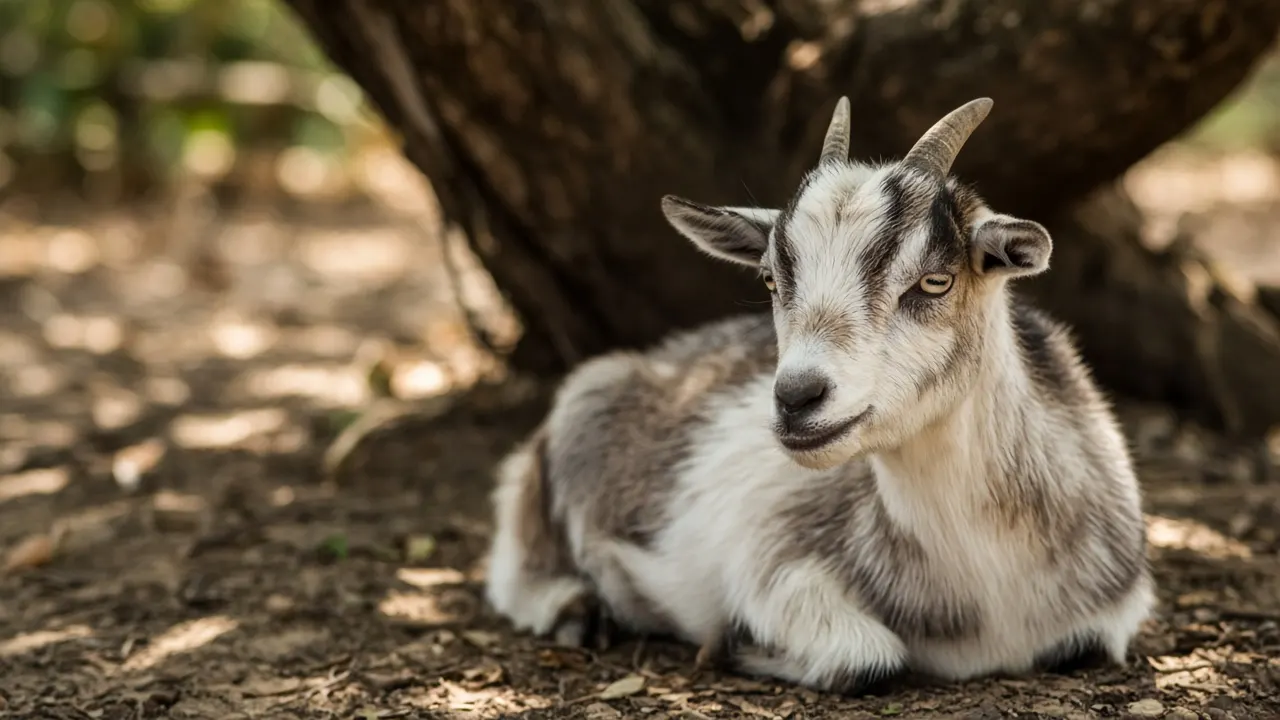
Very few US providers publish prices for goats, sheep or pigs, so the table uses the closest published pet price bands by weight. For a pygmy goat, that means something like a large dog; for a 150 lb ewe or pot-bellied pig, the top band or an individual quote; for a llama or donkey, horse territory, where a 1,000 lb animal runs about $600-$1,000[2]. Collection and mileage from a farm around Liberal are usually extra.
We keep the detailed Kansas price table on one page so it stays current: see Kansas prices.

Free tool
Cremation cost calculator
Estimate a realistic price range for your pet's size, location and the type of cremation.
Livestock and pet rules in Kansas
You don't need a permit to have a farm animal cremated. What you do instead of cremation is where rules come in: many places set a time limit after death, a minimum burial depth, distances from wells and water, and restrictions on composting certain species. Here's the general picture for Kansas; livestock rules can be stricter.
Kansas keeps an official directory of local governments; use it to reach the county or city office that covers Liberal.
The Kansas page sets out who oversees pet cremation and what the state says about burial and scattering. Liberal's own bylaws can sit on top of that, so ask before you dig.
Step by step, from the field to the ashes
- Ask the clinic what happens if you give no instructions. The default at a lot of practices is to pass farm animals to a renderer or into a communal cremation.
- Say plainly if the ashes should come home, then have the staff note "private cremation" on the record while you're still there.
- Raise the question of a post-mortem now. Arranging one is much simpler while the body remains at the clinic; once it has left for the crematory, it's a different matter.
- Find out who bills you. At one practice the cremation lands on the vet's invoice; at another you're given the crematory's number and pay them yourself.
- Ask for the halter, collar or tag to be kept for you, plus a fleece clipping or a few feathers if you didn't take one yourself.
- Plan the evening at home. The others may call out for the animal that hasn't returned with you; a familiar routine and a little extra hay go a long way.
Remembering your animal in Liberal
Constant wind, hail and dry summer heat make large-animal aftercare urgent from May through September, while a sudden thunderstorm can turn caliche and dirt roads to slop. Cover the body with a heavy tarp weighted at the edges, move other stock to another pen, and send the provider a map pin, since rural addresses near the state line can be hard to find.
read our guides and latest articles, the planning tools turn your pet's details into figures, or compare your instinct with the poll results, Our services overview lays out every option side by side. More local pages: Wichita, Topeka, Olathe and Overland Park, the Kansas overview and every city in the United States.

Reader polls
What would you choose?
Vote anonymously and see how other readers answered. The results are live counts from people who visit this site, so they show real opinions, not a scientific sample.
Before today, did you know the burial rules for farm species where you live?
Tap an answer to vote and see how others answered. Anonymous.
How do you think of the animal you've lost, or are about to lose?
Tap an answer to vote and see how others answered. Anonymous.
If you had to decide today, which aftercare would you choose for your pet?
Tap an answer to vote and see how others answered. Anonymous.

Free tools to help you plan
Cremation cost calculator
Estimate a realistic price range for your pet's size, location and the type of cremation.

Livestock mortality planner
Plan disposal capacity and costs for farm losses, from one animal to a herd.

Urn size calculator
Find the urn volume you need from your pet's weight, plus keepsake and sharing options.
Questions people ask
Can a provider from a neighbouring town collect from Liberal?
Usually yes. Garden City is about 64 miles away, Dodge City is about 70 miles away and Amarillo is about 136 miles away, all inside a normal collection radius. Get the mileage written into the quote so there is no surprise on the day.
When is the hardest time of year to arrange a burial in Liberal?
January, February, March, November and December: average lows are below freezing then, and frozen ground makes a home grave slow or impossible until it thaws. The other pressure point is July, when highs around 92°F mean a body needs cooling and collecting quickly.
How do Kansas attitudes to cremation compare?
NFDA 2024 Cremation & Burial Report state projections (via Occasional Sage) (2024) puts the Kansas human cremation rate at about 64.6%[1]. We show it on the Liberal page because pet aftercare choices tend to track it: where cremation is normal for people, communal and private pet cremation are both easy to find.
Is a donkey treated like a horse or like livestock for burial?
It varies. Many rules group donkeys with horses, and in England equines are the notable exception to the ban on burying farm animals. Elsewhere, donkeys may fall under general livestock rules with depth and distance requirements. A standard donkey is also heavy enough to need an equine crematory. Check the rules for your area before deciding.
What should I do if my goat or pig dies in the Liberal heat?
Move the body into deep shade or a cool barn, lay it on straw or a tarp and cover it loosely against flies. Put bags of ice along the belly if collection will take more than a few hours, and don't seal it in plastic, which traps heat. Ask for the earliest collection slot, or deliver the animal yourself.
Do sheep and goats need testing before cremation?
Not usually for a pet crematory. But if a sheep or goat dies unexpectedly, your vet may suggest a post-mortem, and in the US older sheep and goats can often be sampled for scrapie surveillance. Ask before the body leaves, because testing can't be done after cremation. A few crematories won't accept an animal suspected of a notifiable disease.


Sources and our estimates
- [1] The NFDA projected Kansas's cremation rate at 64.6% for 2024. NFDA 2024 Cremation & Burial Report state projections (via Occasional Sage), 2024.
- [2] Cremating a 1,000-pound horse was reported to cost about $600-$1,000, depending on location and the price of propane. Extension Horses (eXtension national Cooperative Extension) - Horse Disposal Options, 2019, 2019.
- [3] Embrace notes cremated remains typically weigh about 3-5% of the pet's original body weight. Embrace Pet Insurance - Bury or Cremate Your Dog? Costs, Pros & Cons, 2025.
- [4] The average value lost per dead cow or calf in 2015 was about $997. Our estimate: $3.87 billion / 3.88 million head. How we calculate.
Find who takes farm species near you
Tell us what you need and where you are. We'll reply by email with clear options and prices so you can decide in your own time.