When a hobby-farm animal dies in Joliet
Losing a named goat, ewe or kunekune hurts, and the paperwork of livestock rules on top of that can feel cold. We explain the options in plain English and can email you local choices.
- Help for backyard flocks and pet pigs
- Heat, bloat and timing advice
- Options that keep your animal's ashes
Joliet, Illinois
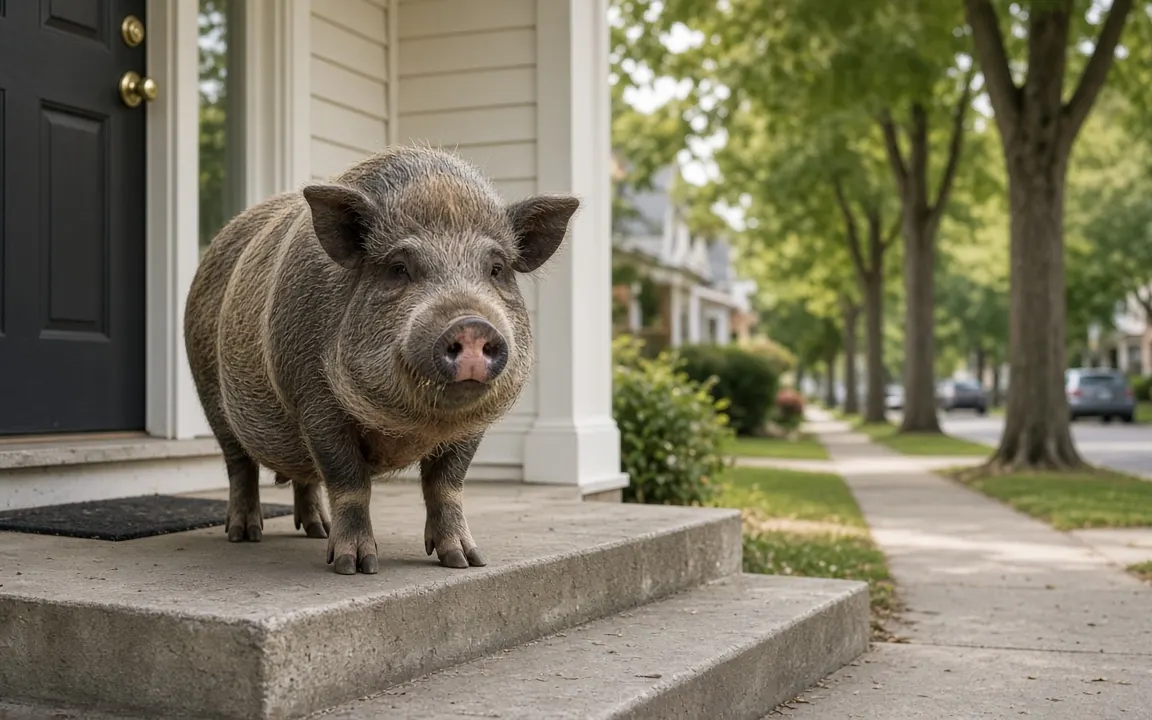
Goats, pigs and backyard flocks in Joliet
Head south or west of Joliet and you're quickly among Will County farmland: corn and soybean fields, but also horse boarding barns, hobby farms with goats and sheep, and families who show animals at county fairs. When a large animal dies, access matters: describe the barn, the lane and how close a truck can get, and note whether the ground is frozen or muddy.
Joliet's location near Chicago means more options than rural Illinois, but large-animal cremation is still specialized and may involve travel. Rendering and, where permitted, burial on your own land are the other routes. If you have an older horse, a retired show animal or a small flock near Joliet, it helps to ask about costs and collection before you need them.
In and around Joliet, a provider may be based well out of town because crematories need space and permits. That's normal. What matters is whether they'll come to your property, what lifting gear they bring and how long the return trip for the ashes takes. If you have a trailer and someone to help, delivering the animal yourself can save the collection fee and get things moving faster on a warm day.
Joliet's population is around 152,241, the 4th-largest of the 151 Illinois communities we cover. Chicago, roughly 34 miles off, is the closest larger centre, and a share of the providers who cover Joliet run from there.
Joliet sits within easy reach of Crest Hill (4 miles), Lockport (5 miles) and New Lenox (6 miles). A provider based in any of them will usually collect from Joliet; ask what the mileage adds to the bill.
60.2%[1]
The NFDA projected Illinois's cremation rate at 60.2% for 2024.
$600-$1,000[2]
Cremating a 1,000-pound horse was reported to cost about $600-$1,000, depending on location and the price of propane.
3-5% of body weight[3]
Embrace notes cremated remains typically weigh about 3-5% of the pet's original body weight.
If a number here surprises you, the primary material is Extension Horses (eXtension national Cooperative Extension) and Embrace Pet Insurance; we only apply it to this.
Burial, cremation and farm tradition in Illinois
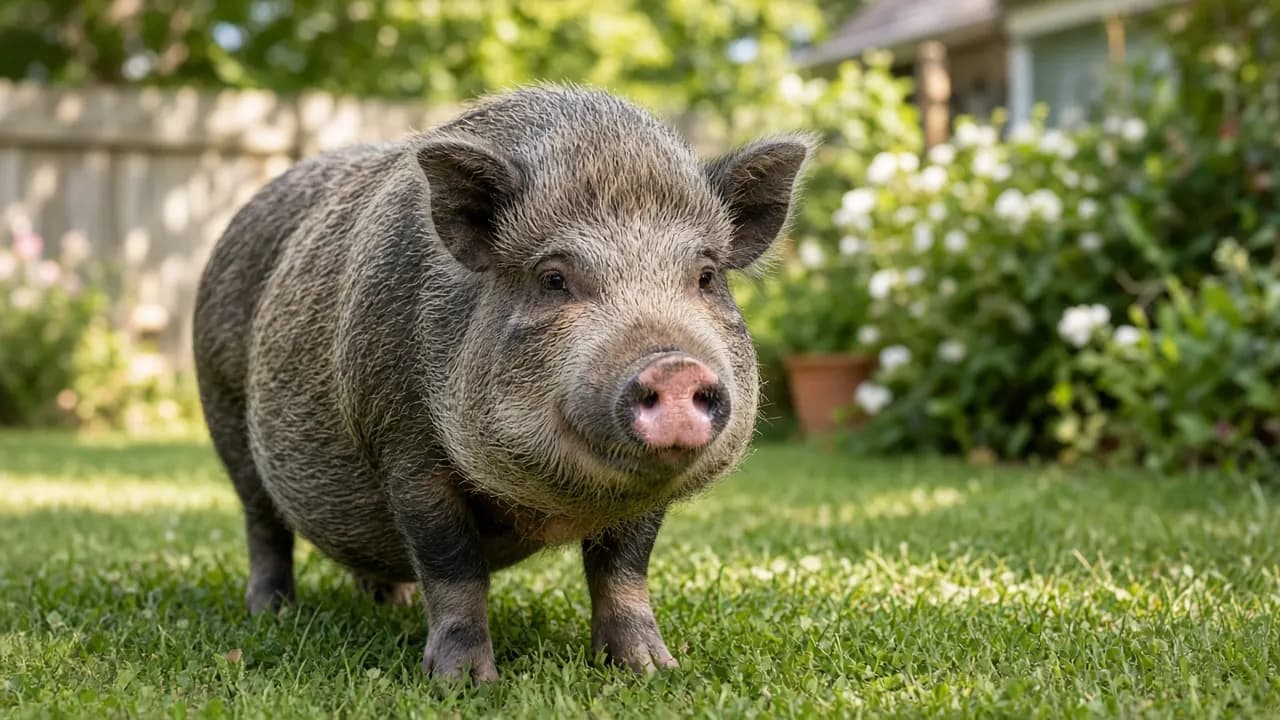
In Illinois, about 60.2%[1] of people are cremated, a figure somewhere in the middle. Farming communities here often have a long habit of dealing with dead stock on the farm, through burial, composting or the renderer. That habit can make it feel unusual to ask for a private cremation for a goat. It isn't unusual any more, and any good provider will take the request seriously.
For the Illinois figure we rely on NFDA 2024 Cremation & Burial Report state projections (via Occasional Sage) (2024). Read it as a picture of local custom around death and remembrance in Joliet rather than as pet data.
What the seasons mean for farm animal aftercare in Joliet
Composting, which many farms use for dead stock, slows right down in cold weather. Extension guidance says a carcass pile needs to reach 135-140 F[4] to work properly, and a pile started in the middle of a Joliet winter may struggle to heat up without plenty of dry bedding. For a single named animal, most people find cremation simpler than managing a pile through the freeze.
With 5 months of freezing lows in a typical Joliet year, winter losses are part of keeping stock here. Older goats and sheep, young kids and lambs, and hens with large combs all struggle in hard cold. If an animal dies in a snowbound paddock, the difficult part is often access: can a van reach it, or will you need to sled the body to a plowed drive first?

Prices by weight for goats, sheep, pigs and birds
Some costs around a farm death in Joliet arrive before the crematory's: a farm call for euthanasia, a post-mortem if you want answers, occasionally a disease test. Ask your vet to itemize them. Then use our cremation cost calculator to add cremation, collection and the urn, so the whole bill is in one place before you commit.
The Illinois price table breaks costs down by size; our services page explains what sits behind each line.

Free tool
Cremation cost calculator
Estimate a realistic price range for your pet's size, location and the type of cremation.
Burial, composting and reporting rules in Illinois
A rough rule holds almost everywhere: the bigger the animal, the more the law cares where it ends up. A hen or duck is treated much like any small pet. A 150 lb ewe or a pig brings setbacks from wells, depth requirements and sometimes an outright ban. Here's what Illinois says about pets in general; expect a large farm species to be held to a higher standard.
Not sure which office covers Joliet? The Illinois local government directory is the official list.
Start with the Illinois rules, which cover burial, scattering and oversight for the whole state, and treat Joliet's local ordinances as a possible extra layer.
What to do when a farm animal dies in Joliet
- Move the body into shade, a cool barn or a shed, set it on its side over straw or a tarp, and drape something loose over it against flies. Never wrap it tightly in plastic.
- Keep the rest of the herd or flock calm. A close companion can have a few minutes to look at and sniff the body if that seems to settle it, then take it where the others can't see.
- Call your vet if the death was sudden or unexplained. Some diseases in pigs, poultry, sheep and goats must be reported before anything else happens.
- Decide whether you want your animal's own ashes. That one choice decides which providers can help: private cremation, communal cremation or fallen-stock collection.
- Weigh or estimate the weight honestly and give it with the species on the first call. Many pet crematories cap weight well below a grown goat or pig.
- Ask for a written total that bundles the cremation, pickup, mileage and urn, and have it before any vehicle leaves.
- Take keepsakes before collection: an ear tag, the collar or halter, a handful of feathers or a snip of fleece.
Memorials that fit a smallholding
Northern Illinois weather makes large-animal aftercare seasonal. In winter, frozen ground rules out burial and icy lanes can slow collection; in spring, thaw and rain leave fields soft. In summer heat, a horse or cow needs attention quickly. Ask any provider whether they collect from the farm, what happens in bad weather and whether individual cremation with ashes returned is possible.
the planning tools turn your pet's details into figures, Every option Joliet families choose between is on the services page, look through our guides and the blog, or look at how readers voted in our polls. More local pages: Aurora, Elgin, Rockford and Springfield, the Illinois overview and every city in the United States.

Reader polls
What would you choose?
Vote anonymously and see how other readers answered. The results are live counts from people who visit this site, so they show real opinions, not a scientific sample.
Before today, did you know the burial rules for farm species where you live?
Tap an answer to vote and see how others answered. Anonymous.
Would you want your animal's own ashes returned?
Tap an answer to vote and see how others answered. Anonymous.
If you had to decide today, which aftercare would you choose for your pet?
Tap an answer to vote and see how others answered. Anonymous.

Free tools to help you plan
Cremation cost calculator
Estimate a realistic price range for your pet's size, location and the type of cremation.

Livestock mortality planner
Plan disposal capacity and costs for farm losses, from one animal to a herd.

Urn size calculator
Find the urn volume you need from your pet's weight, plus keepsake and sharing options.
Questions people ask
Which nearby towns can I compare with Joliet?
The closest communities we cover are Crest Hill (about 4 miles), Lockport (about 5 miles) and New Lenox (about 6 miles). Providers based in those places often serve Joliet too. Ask each one for a written total that includes collection, so the distance is priced in.
Will I have to travel to Chicago to arrange things?
Not usually. Providers based in Chicago (roughly 34 miles from Joliet) collect from here as a matter of routine, and the paperwork is done by email or phone. If you want to be present for a witnessed cremation, that is when the drive matters.
How does Joliet's weather affect farm animal aftercare?
July is the hottest month in Joliet, with average highs around 84°F, so prompt collection matters most then. Average lows drop below freezing in January, February, March, November and December, which can make digging a grave hard until spring.
Why does the Joliet page quote a human cremation rate?
Because it is the best local signal we have. NFDA 2024 Cremation & Burial Report state projections (via Occasional Sage) (2024) reports about 60.2%[1] of Illinois residents are cremated. There is no official pet equivalent, and inventing one would be worse than quoting a real, clearly labelled number.
Can a crematory collect if our farm track is snowed in?
Often not with a standard van. Clear a path if you can, or move the animal with help on a tarp or sled to the nearest plowed yard. In a real storm, a body keeps in a cold outbuilding for a day or more, so it's usually fine to wait for the road to open rather than risk a stuck vehicle and a second callout fee.
Can I bring my goat or pig to the crematory myself?
Usually yes, and it often saves the whole collection fee. Call ahead to agree a time, confirm they accept the weight and ask how they unload. A pickup or small trailer with a ramp works well; lay the animal on a tarp so it can be slid rather than lifted. Bring a helper, and don't try to lift a heavy animal alone.


Sources and our estimates
- [1] The NFDA projected Illinois's cremation rate at 60.2% for 2024. NFDA 2024 Cremation & Burial Report state projections (via Occasional Sage), 2024.
- [2] Cremating a 1,000-pound horse was reported to cost about $600-$1,000, depending on location and the price of propane. Extension Horses (eXtension national Cooperative Extension) - Horse Disposal Options, 2019, 2019.
- [3] Embrace notes cremated remains typically weigh about 3-5% of the pet's original body weight. Embrace Pet Insurance - Bury or Cremate Your Dog? Costs, Pros & Cons, 2025.
- [4] A carcass compost pile should reach 135-140 F within 15 days and be held at temperature for 3-12 weeks. USDA APHIS / Center for Food Security and Public Health (Iowa State) - Disposal: Composting, Rendering & Burial handout, based on NAHEMS Disposal Guidelines (2012), 2012.
- [5] About 10,630 U.S. cattle and calves died every day in 2015. Our estimate: 3,880,000 / 365. How we calculate.
Tell us about your goat, sheep, pig or bird
Tell us what you need and where you are. We'll reply by email with clear options and prices so you can decide in your own time.