Goat, pig and alpaca aftercare in Port St. Lucie, Florida
Losing a named goat, ewe or kunekune hurts, and the paperwork of livestock rules on top of that can feel cold. We explain the options in plain English and can email you local choices.
- Honest prices by body weight
- Farm collection, winch and trailer tips
- Fallen-stock and communal options too
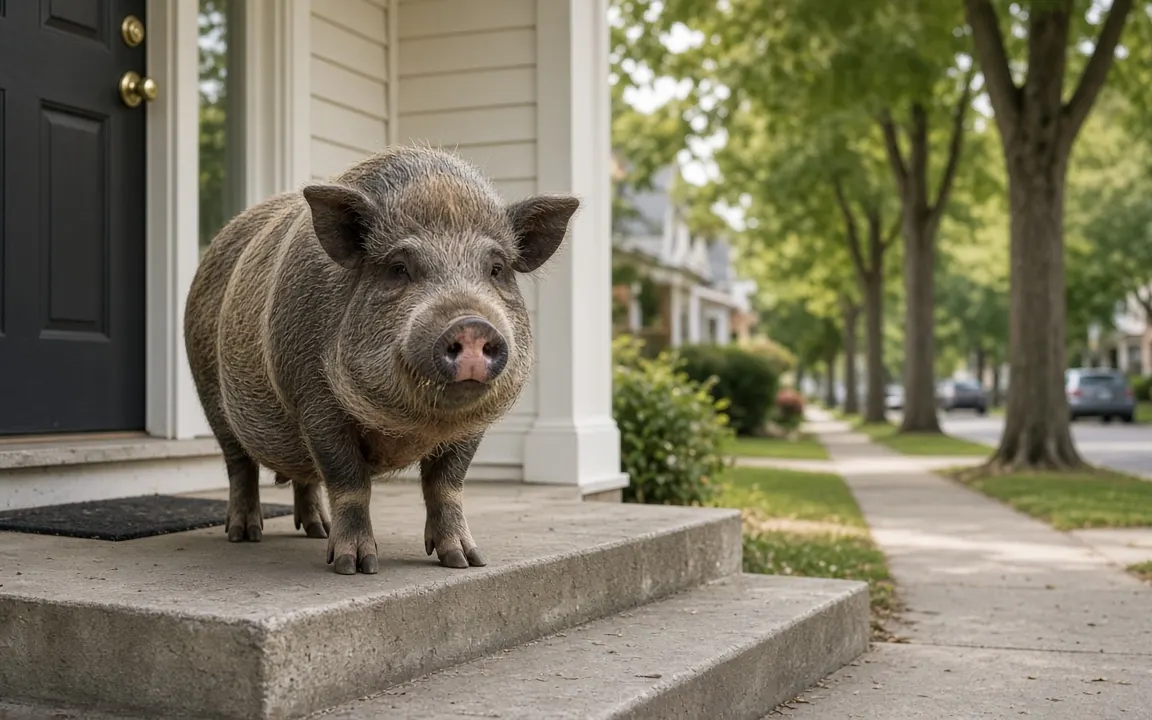
Port St. Lucie, Florida
Finding a crematory that takes farm species near Port St. Lucie
Port St. Lucie itself is suburban, but western St. Lucie County and neighboring Okeechobee County are ranch and horse country, with cow-calf operations, hobby farms and equestrian properties on sandy pasture. When a horse or steer dies out there, the provider will want to know the road, the gate width and how wet the ground is, since summer rains can leave pastures too soft for a heavy truck.
Florida heat makes every hour count when a large animal dies, and hurricane season can delay collection just when you need it. For a family horse, a miniature horse, a pet pig or a goat, providers who handle large bodies can often cremate individually and return the ashes. Commercial cattle generally go through rendering. Say which applies, and ask whether weekend or storm-related delays affect price.
Many households around Port St. Lucie keep a mix: a couple of dogs, a few hens, two goats and maybe a pony. If a pet crematory looked after you well when a dog died, start there. They may take the goats too, or pass you to a large-animal provider they work with, which saves you searching from scratch on a bad day.
With roughly 268,062 residents, Port St. Lucie is the 5th-largest of the 235 Florida communities we cover.
For a second opinion on price, Hutchinson Island (7 miles), Jensen Beach (8 miles) and Palm City (8 miles) are close enough that their providers cover Port St. Lucie routinely. Two written quotes tell you more than any price list.
72.5%[1]
The NFDA projected Florida's cremation rate at 72.5% for 2024.
$600-$1,000[2]
Cremating a 1,000-pound horse was reported to cost about $600-$1,000, depending on location and the price of propane.
3-5% of body weight[3]
Embrace notes cremated remains typically weigh about 3-5% of the pet's original body weight.
The numbers above come from Embrace Pet Insurance and Extension Horses (eXtension national Cooperative Extension), if you'd like to read the original sources.
Cremation habits in Florida, and what they mean for your animal
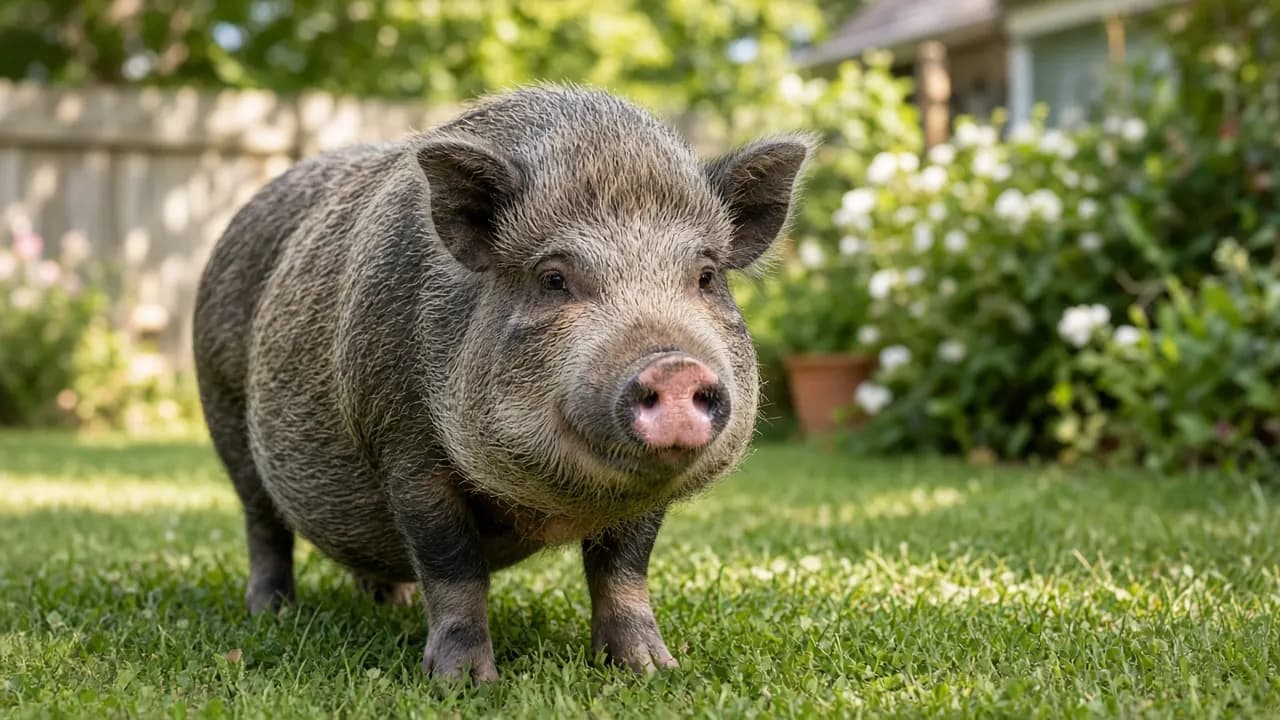
About 72.5%[1] of people in Florida are cremated, so cremation feels ordinary. For small farm species the effect is practical: pet crematories are more numerous and more used to unusual requests, from a hen in a shoebox to two bonded wethers cremated together. For a larger animal, you may still need an equine or large-animal crematory, and those are spread more thinly.
NFDA 2024 Cremation & Burial Report state projections (via Occasional Sage) (2024) is where the Florida figure comes from. It counts people; we use it because attitudes to cremating a pet in Port St. Lucie tend to follow attitudes to cremation generally.
Heat, cold and timing in Port St. Lucie
Whatever the season, keep a few things ready in the barn if you have older stock: a big tarp, a couple of feed sacks or an old sheet, work gloves and the number of a crematory that accepts your kind of animal. It turns the first hour after a death from a scramble into a routine you can follow even when upset.

Budgeting in Port St. Lucie for a pig, ewe or goat
Very few US providers publish prices for goats, sheep or pigs, so the table uses the closest published pet price bands by weight. For a pygmy goat, that means something like a large dog; for a 150 lb ewe or pot-bellied pig, the top band or an individual quote; for a llama or donkey, horse territory, where a 1,000 lb animal runs about $600-$1,000[2]. Collection and mileage from a farm around Port St. Lucie are usually extra.
Prices for Port St. Lucie track the wider Florida market, so use the Florida price table as your baseline and the services page to see what is included.

Free tool
Cremation cost calculator
Estimate a realistic price range for your pet's size, location and the type of cremation.
Livestock law and pet rules in Florida
You don't need a permit to have a farm animal cremated. What you do instead of cremation is where rules come in: many places set a time limit after death, a minimum burial depth, distances from wells and water, and restrictions on composting certain species. Here's the general picture for Florida; livestock rules can be stricter.
The official Florida local government directory lists every county and city office, which is the quickest way to find who to ask in Port St. Lucie.
Home burial and scattering are governed at the Florida level first; our Florida rules summary has the detail. Then check whether Port St. Lucie or your HOA adds anything.
What to do when a farm animal dies in Port St. Lucie
- Say goodbye in your own way. There's time for a few quiet minutes in the barn or paddock, even on a busy farm day.
- Keep the body shaded, covered and away from dogs and scavengers while you make calls.
- Find a provider that takes your species at its weight. Your vet will know local options, or we can send you local options.
- Choose private, communal or collection, and ask for written confirmation of which one you've booked.
- Decide how the animal gets there. Farm collection costs more; delivering by trailer or pickup yourself can save a lot.
- Plan where the ashes will go. There's no rush to settle it today; plenty of keepers hold off on scattering until an anniversary or a change of season.
Memorials that fit a smallholding
Large-animal cremation for the Treasure Coast may involve a long haul, sometimes north toward Central Florida's horse country or south toward the Palm Beach area. If your horse is elderly, talk to providers in the calm months before storm season. Burial on your own land is sometimes possible where the ground is high enough and county rules allow, but the high water table rules it out on many properties.
Every option Port St. Lucie families choose between is on the services page, or look at how readers voted in our polls, use the free tools before you ring anyone, go deeper with the guides or catch up on recent articles. Close to Port St. Lucie we also cover Orlando, Miami, Jacksonville and Cape Coral; the full list for Florida and for the United States is a click away.

Reader polls
What would you choose?
Vote anonymously and see how other readers answered. The results are live counts from people who visit this site, so they show real opinions, not a scientific sample.
Before today, did you know the burial rules for farm species where you live?
Tap an answer to vote and see how others answered. Anonymous.
How do you think of the animal you've lost, or are about to lose?
Tap an answer to vote and see how others answered. Anonymous.
If you had to decide today, which aftercare would you choose for your pet?
Tap an answer to vote and see how others answered. Anonymous.

Free tools to help you plan
Cremation cost calculator
Estimate a realistic price range for your pet's size, location and the type of cremation.

Livestock mortality planner
Plan disposal capacity and costs for farm losses, from one animal to a herd.

Urn size calculator
Find the urn volume you need from your pet's weight, plus keepsake and sharing options.
Questions people ask
Which nearby towns can I compare with Port St. Lucie?
The closest communities we cover are Hutchinson Island (about 7 miles), Jensen Beach (about 8 miles) and Palm City (about 8 miles). Providers based in those places often serve Port St. Lucie too. Ask each one for a written total that includes collection, so the distance is priced in.
Why does the Port St. Lucie page quote a human cremation rate?
Because it is the best local signal we have. NFDA 2024 Cremation & Burial Report state projections (via Occasional Sage) (2024) reports about 72.5%[1] of Florida residents are cremated. There is no official pet equivalent, and inventing one would be worse than quoting a real, clearly labelled number.
What's the difference between private, partitioned and communal cremation?
Private means your animal is cremated alone and every bit of ash returned is theirs. Partitioned means several animals share the chamber but are kept apart, so the ashes are mostly, not certainly, your animal's. Communal means animals are cremated together and nothing is returned. For a named goat or pig, ask for private in writing if the ashes matter.
Can I get my animal's ashes back through fallen-stock collection?
No. Knackers, fallen-stock collectors and renderers process animals in bulk and nothing is returned. It's a respectful, lawful and inexpensive route, and some owners are comfortable with it. If you want your own animal's ashes, you need a private cremation, confirmed in writing, from a crematory that takes farm species.
Is it cheaper to cremate two goats or sheep together?
Sometimes. Some providers charge by combined weight for a joint cremation of bonded animals, which can cost less than two separate private cremations; the ashes come back mixed in one urn. Others price each animal on its own. If both died together, or you'd like a companion's ashes added later, ask for a price on each option before you decide.
Can two bonded goats or sheep be cremated together?
Some providers will do this if you ask, and return the mixed ashes in one urn. It isn't a standard private cremation, so make your instruction clear and check the paperwork says so. If one animal has died and the other is still alive, you can also keep the first one's ashes and ask for them to be combined later.


Sources and our estimates
- [1] The NFDA projected Florida's cremation rate at 72.5% for 2024. NFDA 2024 Cremation & Burial Report state projections (via Occasional Sage), 2024.
- [2] Cremating a 1,000-pound horse was reported to cost about $600-$1,000, depending on location and the price of propane. Extension Horses (eXtension national Cooperative Extension) - Horse Disposal Options, 2019, 2019.
- [3] Embrace notes cremated remains typically weigh about 3-5% of the pet's original body weight. Embrace Pet Insurance - Bury or Cremate Your Dog? Costs, Pros & Cons, 2025.
- [4] Composting a 1,400 lb dairy cow would need roughly 14-16.8 cubic yards of cover material. Our estimate: 1.4 x (10 to 12 cu yd per 1,000 lb). How we calculate.
Tell us about your goat, sheep, pig or bird
Tell us what you need and where you are. We'll reply by email with clear options and prices so you can decide in your own time.