Bringing your farm pet's ashes home in Washington
Whether it's a single backyard hen or a 180 lb alpaca, the questions are the same: is it legal to bury, who can collect, and can I have my own animal's ashes back? Here are the answers.
- What to do in the first few hours
- Disease reporting, explained plainly
- Keepsakes: fleece, feathers, halter
Washington, District of Columbia
Hobby-farm aftercare in Washington: the local picture
Many DC residents board a horse or sponsor an animal at a farm sanctuary in Maryland or Virginia and visit on weekends, so a death may come with distance and guilt. If distance means you can't be present, the farm staff can usually keep a braid of mane, a halter, a bell or some fleece for you. A photograph of the animal in the pasture can become a lasting memorial on a city apartment wall.
Mid-Atlantic weather can turn pastures to mud in spring and freeze them hard in January, while summer heat brings urgency. Before calling for collection, know whether a truck with a winch can reach the horse, steer or goat, how far it lies from a paved lane and whether any gates or fences are in the way. Farms in Virginia hunt country and Maryland's Agricultural Reserve often have narrow lanes.
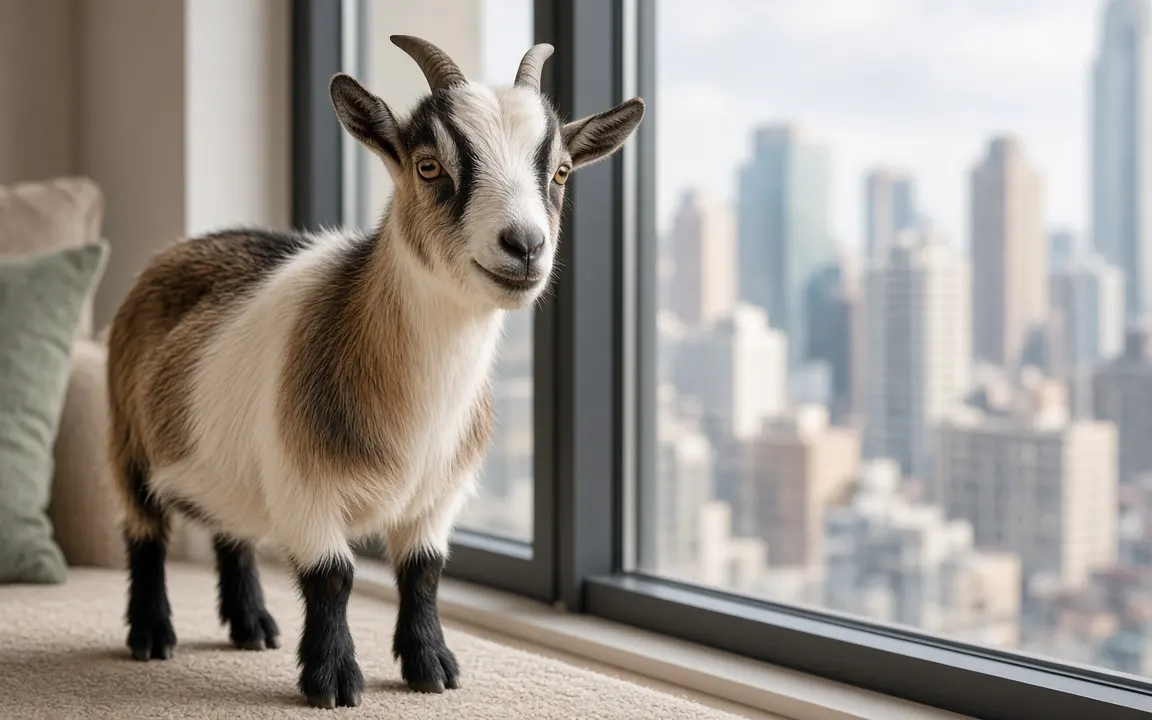
Some owners in Washington keep a mini pig indoors, and moving a 100 lb pig out of a house or apartment after death is harder than people expect. Stairs, elevators and narrow halls all matter. Tell the crew the floor, whether there's an elevator and how wide the doors are, and have a sheet ready so the body can leave discreetly.
With roughly 693,645 residents, Washington is one of the District of Columbia communities we cover.
Our pages for Arlington (4 miles), Hyattsville (6 miles) and Silver Spring (6 miles) describe the same choices from those towns' point of view, and the providers overlap, so a quote from one often covers Washington as well.
56.9%[1]
The NFDA projected District of Columbia's cremation rate at 56.9% for 2024.
$600-$1,000[2]
Cremating a 1,000-pound horse was reported to cost about $600-$1,000, depending on location and the price of propane.
3-5% of body weight[3]
Embrace notes cremated remains typically weigh about 3-5% of the pet's original body weight.
If a number here surprises you, the primary material is Extension Horses (eXtension national Cooperative Extension) and Embrace Pet Insurance; we only apply it to this.
How District of Columbia thinks about cremation
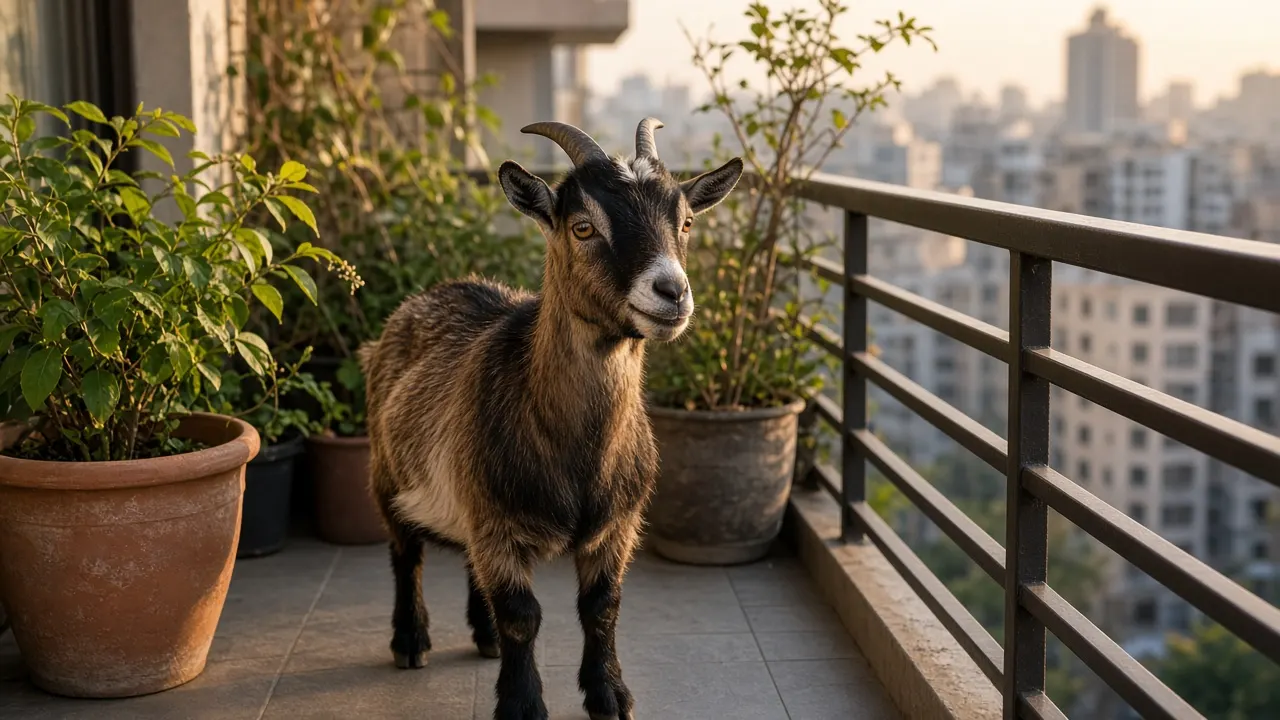
The cremation habit in District of Columbia, now at roughly 56.9%[1] for people, is still spreading outward from the cities. Farm pets follow the same pattern. Keepers near town usually find cremation easy to book, while those further out may be steered towards the renderer or a backhoe by default. If cremation is what you want, ask for it by name.
For the District of Columbia figure we rely on NFDA 2024 Cremation & Burial Report state projections (via Occasional Sage) (2024). Read it as a picture of local custom around death and remembrance in Washington rather than as pet data.
Heat, cold and timing in Washington
Washington summers are hot, with July highs averaging around 90°F. That shortens the time you have. The rumen of a goat, sheep or alpaca keeps fermenting after death, and in heat the body can bloat within hours. Move your animal into deep shade or a cool barn, lay it on its side on straw or a tarp, and cover it loosely against flies. Ask for same-day collection.
Backyard flocks feel Washington's heat as well. Hens lost in a heat wave should be bagged, kept cool and dealt with promptly, and several deaths at once are worth a call to your vet, since heat and disease can look alike at first. A single bird is simple to take to a pet crematory; ask for a small container if you'd like the ashes, because a hen returns only a spoonful or two.

What farm animal cremation costs in Washington
By our estimate, private pet cremation in the US gets cheaper per pound as animals get heavier, falling to about $4 a pound at 100 lb[4]. Large-animal cremation drops further, to about $0.80/lb[5] for a horse. A goat or ewe sits between those two, which is why a quote for a farm pet in Washington can look high as a total but fair per pound.
The District of Columbia price table breaks costs down by size; our services page explains what sits behind each line.

Free tool
Cremation cost calculator
Estimate a realistic price range for your pet's size, location and the type of cremation.
What District of Columbia allows for goats, sheep, pigs and poultry
If your animal was euthanized, the drugs remain in the body and can poison scavenging wildlife, and US drug labels have warned since 2003[7] that such animals need deep burial, incineration or another approved route. That alone rules out a shallow grave. The notes below cover the general rules in District of Columbia; cremation meets all of them.
Washington's own guidance is published by District of Columbia Department of Public Works; it covers public collection, which is separate from arranging a private cremation. The official District of Columbia local government directory lists every county and city office, which is the quickest way to find who to ask in Washington.
Home burial and scattering are governed at the District of Columbia level first; our District of Columbia rules summary has the detail. Then check whether Washington or your HOA adds anything.
A practical checklist for smallholders in Washington
- Check the time. When it's warm, try to get the animal picked up or dropped off before the day is out, because ruminants swell fast.
- Lay the body on a tarp that's sturdy enough to pull, and prop the head up a little if you can; loading will go much more smoothly afterwards.
- Call a vet if more than one animal has died, and also when something doesn't look right, above all with pigs or a backyard flock.
- Ring providers with the species, weight and your location. Find out the chamber size, what lifting equipment they have and how far they'll travel.
- Get the price in writing, including any winch, after-hours or mileage charges.
- Watch the others. Donkeys, alpacas and goats sometimes pace or call out for days. Hold to the usual routine and spend longer with the animal that was closest.
Memorials that fit a smallholding
Inside the District, large animals are rare: the Park Police horses, the zoo and a few urban farm programs. Just beyond the Beltway, though, Maryland's Montgomery and Howard counties and Virginia's Loudoun and Fauquier counties hold horse farms, cattle, sheep, goat dairies and farm sanctuaries. Removal there is typically arranged by the farm and its vet, and the few places able to cremate a large animal individually can be hours away.
use the free tools before you ring anyone, read our guides and latest articles, Every option Washington families choose between is on the services page, or see what other families chose in the poll results. the full list for District of Columbia and for the United States is a click away.

Reader polls
What would you choose?
Vote anonymously and see how other readers answered. The results are live counts from people who visit this site, so they show real opinions, not a scientific sample.
Would you want your animal's own ashes returned?
Tap an answer to vote and see how others answered. Anonymous.
How do you think of the animal you've lost, or are about to lose?
Tap an answer to vote and see how others answered. Anonymous.
If you had to decide today, which aftercare would you choose for your pet?
Tap an answer to vote and see how others answered. Anonymous.

Free tools to help you plan
Cremation cost calculator
Estimate a realistic price range for your pet's size, location and the type of cremation.

Livestock mortality planner
Plan disposal capacity and costs for farm losses, from one animal to a herd.

Urn size calculator
Find the urn volume you need from your pet's weight, plus keepsake and sharing options.
Questions people ask
Which nearby towns can I compare with Washington?
The closest communities we cover are Arlington (about 4 miles), Hyattsville (about 6 miles) and Silver Spring (about 6 miles). Providers based in those places often serve Washington too. Ask each one for a written total that includes collection, so the distance is priced in.
How do District of Columbia attitudes to cremation compare?
NFDA 2024 Cremation & Burial Report state projections (via Occasional Sage) (2024) puts the District of Columbia human cremation rate at about 56.9%[1]. We show it on the Washington page because pet aftercare choices tend to track it: where cremation is normal for people, communal and private pet cremation are both easy to find.
How does Washington's weather affect farm animal aftercare?
July is the hottest month in Washington, with average highs around 90°F, so prompt collection matters most then. Average lows drop below freezing in January and February, which can make digging a grave hard until spring.
Should the rest of the herd see the body?
Many keepers find it helps. Goats, alpacas and donkeys in particular often settle better if a bonded companion is allowed a few minutes to see and sniff the body. Stay with them, then move the body out of sight before collection. Expect calling or pacing for a few days afterwards; steady routines help.
Do sheep and goats need testing before cremation?
Not usually for a pet crematory. But if a sheep or goat dies unexpectedly, your vet may suggest a post-mortem, and in the US older sheep and goats can often be sampled for scrapie surveillance. Ask before the body leaves, because testing can't be done after cremation. A few crematories won't accept an animal suspected of a notifiable disease.
Is there anywhere in Washington that takes a 200 lb pig or a llama?
In a metro like Washington, the pet crematories inside the city may stop well short of 200 lb, but equine and large-animal crematories on the rural fringe often take big pigs, llamas and donkeys. Ask your farm vet which one they use. Some charge by the pound, and delivering the animal yourself by trailer can lower the price.


Sources and our estimates
- [1] The NFDA projected District of Columbia's cremation rate at 56.9% for 2024. NFDA 2024 Cremation & Burial Report state projections (via Occasional Sage), 2024.
- [2] Cremating a 1,000-pound horse was reported to cost about $600-$1,000, depending on location and the price of propane. Extension Horses (eXtension national Cooperative Extension) - Horse Disposal Options, 2019, 2019.
- [3] Embrace notes cremated remains typically weigh about 3-5% of the pet's original body weight. Embrace Pet Insurance - Bury or Cremate Your Dog? Costs, Pros & Cons, 2025.
- [4] Private cremation cost per pound falls with size in the US: roughly $9.2/lb for a 15 lb pet, $4.2/lb at 60 lb and about $4.0/lb at 100 lb. Our estimate: band midpoint price / representative weight: 0-30 lb (midpoint $137.50 / 15 lb) = $9.17/lb; 51-70 lb ($250 / 60 lb) = $4.17/lb; over 90 lb ($400 / ~100 lb) = $4.00/lb. How we calculate.
- [5] Midpoint horse cremation cost works out to about $0.80 per pound of body weight, versus about $0.14 per pound for rendering pickup and $0.23 per pound for on-farm composting. Our estimate: cremation $800 / 1,000 lb; rendering $137.50 / 1,000 lb; composting $275 / 1,200 lb. How we calculate.
- [6] Composting a 1,400 lb dairy cow would need roughly 14-16.8 cubic yards of cover material. Our estimate: 1.4 x (10 to 12 cu yd per 1,000 lb). How we calculate.
- [7] Since 2003 the FDA has required euthanasia drug labels to warn that euthanized animals must be disposed of by deep burial, incineration or another approved method to keep scavenging wildlife from eating the carcass. Cornell Waste Management Institute & Penn State - Horse Mortality: Carcass Disposal Alternatives (2012), 2003.
Find who takes farm species near you
Tell us what you need and where you are. We'll reply by email with clear options and prices so you can decide in your own time.