When a hobby-farm animal dies in Denver
A 150 lb goat or a pot-bellied pig won't fit the plans most pet crematories are built around. This guide explains your real options, from private cremation to farm-gate collection, and what each one costs.
- Providers that accept goats, pigs and alpacas
- Livestock burial rules explained simply
- Private cremation with ashes returned
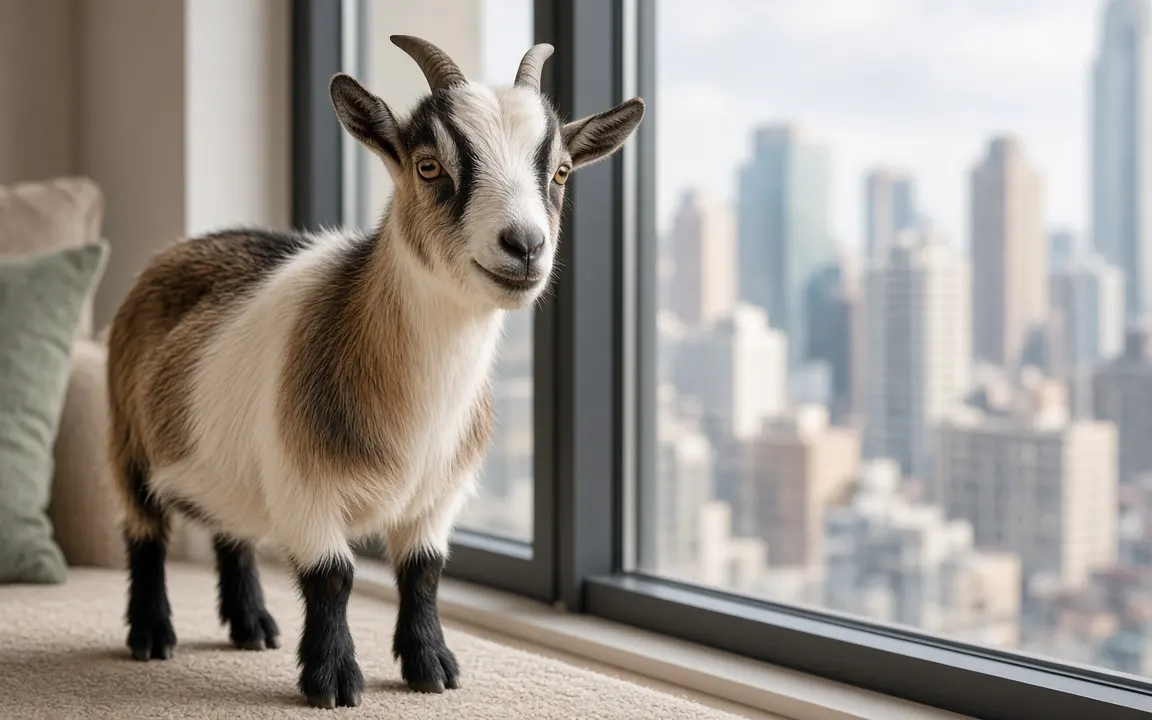
Denver, Colorado
Goats, pigs and backyard flocks in Denver
Colorado's Front Range can leave pastures frozen in winter and muddy after spring storms, while summer brings intense sun and flies. If a horse, cow or llama dies in a field, the collector needs to know whether a trailer with a winch can reach the spot, how the ground is and whether there's a tractor on site. Calling early in the morning helps avoid afternoon heat.
Denver's suburbs quickly give way to ranch country, especially in Douglas and Elbert counties to the south and east, with horses, cattle, goats, alpacas and hobby farms around Parker and Elizabeth. Every January the National Western Stock Show brings livestock culture right into the city. When a large animal dies, your vet is the usual first call, and can put you in touch with removal or cremation options.
Some owners in Denver keep a mini pig indoors, and moving a 100 lb pig out of a house or apartment after death is harder than people expect. Stairs, elevators and narrow halls all matter. Tell the crew the floor, whether there's an elevator and how wide the doors are, and have a sheet ready so the body can leave discreetly.
About 740,613 people live in Denver, which makes it the largest of the 36 Colorado communities we cover.
Denver sits within easy reach of Lakewood (5 miles), Englewood (6 miles) and Wheat Ridge (7 miles). A provider based in any of them will usually collect from Denver; ask what the mileage adds to the bill.
77.4%[1]
The NFDA projected Colorado's cremation rate at 77.4% for 2024.
$600-$1,000[2]
Cremating a 1,000-pound horse was reported to cost about $600-$1,000, depending on location and the price of propane.
3-5% of body weight[3]
Embrace notes cremated remains typically weigh about 3-5% of the pet's original body weight.
Where these figures come from: Embrace Pet Insurance and Extension Horses (eXtension national Cooperative Extension).
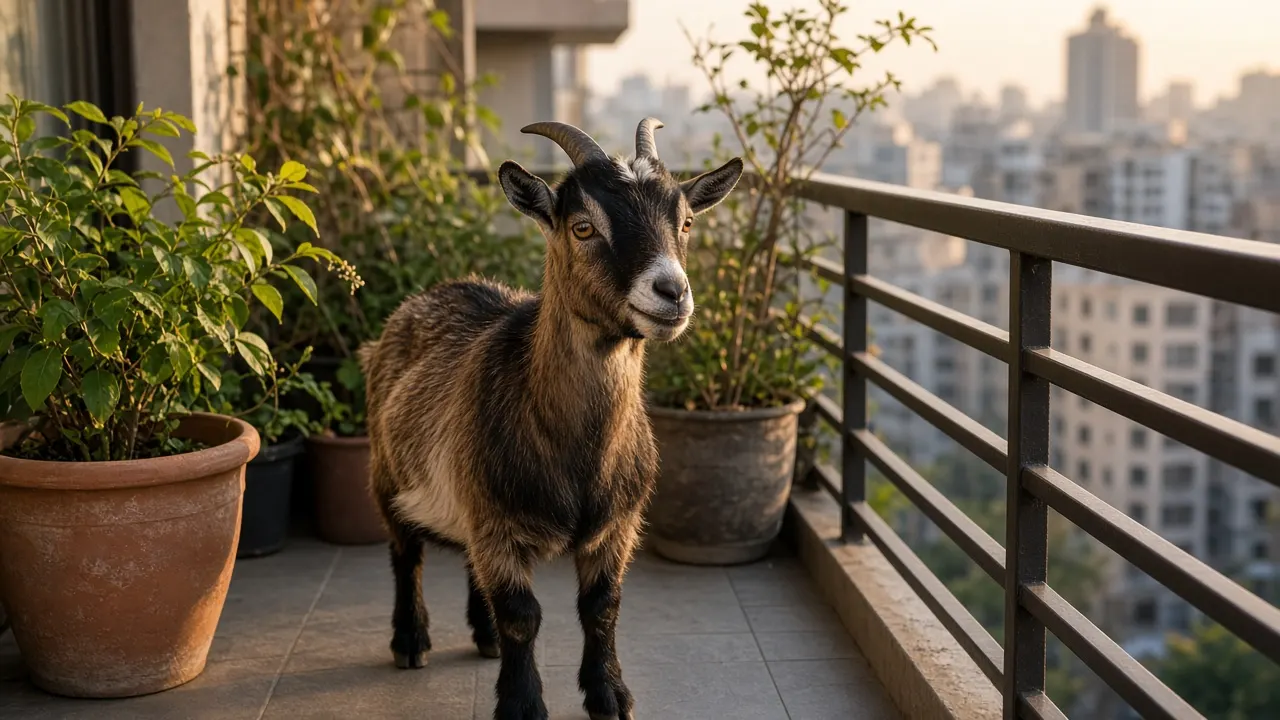
Cremation rates in Colorado and your animal
With 77.4%[1] of people in Colorado now cremated, local crematories hear "we'd like the ashes back" every day. For a farm animal the harder part is logistics: a chamber that fits, a crew with lifting gear and someone willing to drive out to a paddock. Lead with those questions and the cultural side takes care of itself.
We take the Colorado rate from NFDA 2024 Cremation & Burial Report state projections (via Occasional Sage) (2024). It is a human statistic; there is no equivalent pet figure for Denver, and we would rather show a real number than invent one.
Heat, cold and timing in Denver
Some keepers in cold places cremate first and scatter or bury the ashes in spring. It's a gentle compromise. Your goat comes home now in a simple container, and when the ground thaws you can put the ashes under the tree it stripped every year or along the fence line it leaned on. Ashes don't need to be dealt with quickly, so there's no harm in waiting.
Composting, which many farms use for dead stock, slows right down in cold weather. Extension guidance says a carcass pile needs to reach 135-140 F[4] to work properly, and a pile started in the middle of a Denver winter may struggle to heat up without plenty of dry bedding. For a single named animal, most people find cremation simpler than managing a pile through the freeze.

How much to budget in Denver
Very few US providers publish prices for goats, sheep or pigs, so the table uses the closest published pet price bands by weight. For a pygmy goat, that means something like a large dog; for a 150 lb ewe or pot-bellied pig, the top band or an individual quote; for a llama or donkey, horse territory, where a 1,000 lb animal runs about $600-$1,000[2]. Collection and mileage from a farm around Denver are usually extra.
For a line-by-line price table, see the Colorado overview; for what's included in each option, see our services.

Free tool
Cremation cost calculator
Estimate a realistic price range for your pet's size, location and the type of cremation.
What Colorado allows for goats, sheep, pigs and poultry
You don't need a permit to have a farm animal cremated. What you do instead of cremation is where rules come in: many places set a time limit after death, a minimum burial depth, distances from wells and water, and restrictions on composting certain species. Here's the general picture for Colorado; livestock rules can be stricter.
City and County of Denver publishes Denver's official guidance. Note that it deals with public collection, not with booking a private cremation. Colorado keeps an official directory of local governments; use it to reach the county or city office that covers Denver.
Home burial and scattering are governed at the Colorado level first; our Colorado rules summary has the detail. Then check whether Denver or your HOA adds anything.
What to do first, second and third
- Ask the clinic what happens if you give no instructions. Many send farm species to a renderer or a communal cremation by default.
- Say plainly if the ashes should come home, then have the staff note "private cremation" on the record while you're still there.
- Raise the question of a post-mortem now. It's far easier to arrange while the body is still at the clinic than once it has gone to the crematory.
- Find out who bills you. At one practice the cremation lands on the vet's invoice; at another you're given the crematory's number and pay them yourself.
- Ask for the halter, collar or tag to be kept for you, and a few feathers or a snip of fleece too if you haven't already taken one.
- Plan the evening at home. Herd mates may call for the missing animal when you come back without it; extra hay and a familiar routine help.
Remembering your animal in Denver
Many families around Denver keep horses, sheep, goats or cattle for trail riding, rodeo or 4-H, and animal sanctuaries along the Front Range care for rescued livestock. The death of a longtime companion hits the whole household. When cremation isn't practical, ask to keep a braid from the forelock, a halter, an ear tag or a bell. Some owners set a boulder from the property as a marker.
the guides answer the longer questions and the blog the newer ones, The services page is the place to compare what is included, use the free tools before you ring anyone, or look at how readers voted in our polls. Close to Denver we also cover Colorado Springs, Aurora, Thornton and Lakewood; the full list for Colorado and for the United States is a click away.

Reader polls
What would you choose?
Vote anonymously and see how other readers answered. The results are live counts from people who visit this site, so they show real opinions, not a scientific sample.
Before today, did you know the burial rules for farm species where you live?
Tap an answer to vote and see how others answered. Anonymous.
How do you think of the animal you've lost, or are about to lose?
Tap an answer to vote and see how others answered. Anonymous.
If you had to decide today, which aftercare would you choose for your pet?
Tap an answer to vote and see how others answered. Anonymous.

Free tools to help you plan
Cremation cost calculator
Estimate a realistic price range for your pet's size, location and the type of cremation.

Livestock mortality planner
Plan disposal capacity and costs for farm losses, from one animal to a herd.

Urn size calculator
Find the urn volume you need from your pet's weight, plus keepsake and sharing options.
Questions people ask
Which nearby towns can I compare with Denver?
The closest communities we cover are Lakewood (about 5 miles), Englewood (about 6 miles) and Wheat Ridge (about 7 miles). Providers based in those places often serve Denver too. Ask each one for a written total that includes collection, so the distance is priced in.
How does Denver's weather affect farm animal aftercare?
July is the hottest month in Denver, with average highs around 90°F, so prompt collection matters most then. Average lows drop below freezing in January, February, March, November and December, which can make digging a grave hard until spring.
Why does the Denver page quote a human cremation rate?
Because it is the best local signal we have. NFDA 2024 Cremation & Burial Report state projections (via Occasional Sage) (2024) reports about 77.4%[1] of Colorado residents are cremated. There is no official pet equivalent, and inventing one would be worse than quoting a real, clearly labelled number.
Can I compost a dead goat or sheep instead?
Sometimes, depending on the species and where you live. Composting works well for poultry and is allowed for many livestock in the US, but a pile has to reach 135-140 F[4] and hold it for weeks, which needs a lot of dry bedding. California bans composting whole sheep and goats. For one named animal, most keepers find cremation simpler.
Is it cheaper to cremate two goats or sheep together?
Sometimes. Some providers charge by combined weight for a joint cremation of bonded animals, which can cost less than two separate private cremations; the ashes come back mixed in one urn. Others price each animal on its own. If both died together, or you'd like a companion's ashes added later, ask for a price on each option before you decide.
Is there anywhere in Denver that takes a 200 lb pig or a llama?
In a metro like Denver, the pet crematories inside the city may stop well short of 200 lb, but equine and large-animal crematories on the rural fringe often take big pigs, llamas and donkeys. Ask your farm vet which one they use. Some charge by the pound, and delivering the animal yourself by trailer can lower the price.


Sources and our estimates
- [1] The NFDA projected Colorado's cremation rate at 77.4% for 2024. NFDA 2024 Cremation & Burial Report state projections (via Occasional Sage), 2024.
- [2] Cremating a 1,000-pound horse was reported to cost about $600-$1,000, depending on location and the price of propane. Extension Horses (eXtension national Cooperative Extension) - Horse Disposal Options, 2019, 2019.
- [3] Embrace notes cremated remains typically weigh about 3-5% of the pet's original body weight. Embrace Pet Insurance - Bury or Cremate Your Dog? Costs, Pros & Cons, 2025.
- [4] A carcass compost pile should reach 135-140 F within 15 days and be held at temperature for 3-12 weeks. USDA APHIS / Center for Food Security and Public Health (Iowa State) - Disposal: Composting, Rendering & Burial handout, based on NAHEMS Disposal Guidelines (2012), 2012.
- [5] The average value lost per dead sheep or lamb in 2019 was about $200; for goats and kids in 2015 it was about $139. Our estimate: $121.6 million / 607,000; $69.6 million / 500,000. How we calculate.
Tell us about your goat, sheep, pig or bird
Tell us what you need and where you are. We'll reply by email with clear options and prices so you can decide in your own time.