Bringing your farm pet's ashes home in Reading
Farm species give you less time than a dog or cat, and fewer providers take them. Start here for the first few hours, the local rules and honest prices, then ask us for options by email.
- Providers that accept goats, pigs and alpacas
- Livestock burial rules explained simply
- Private cremation with ashes returned
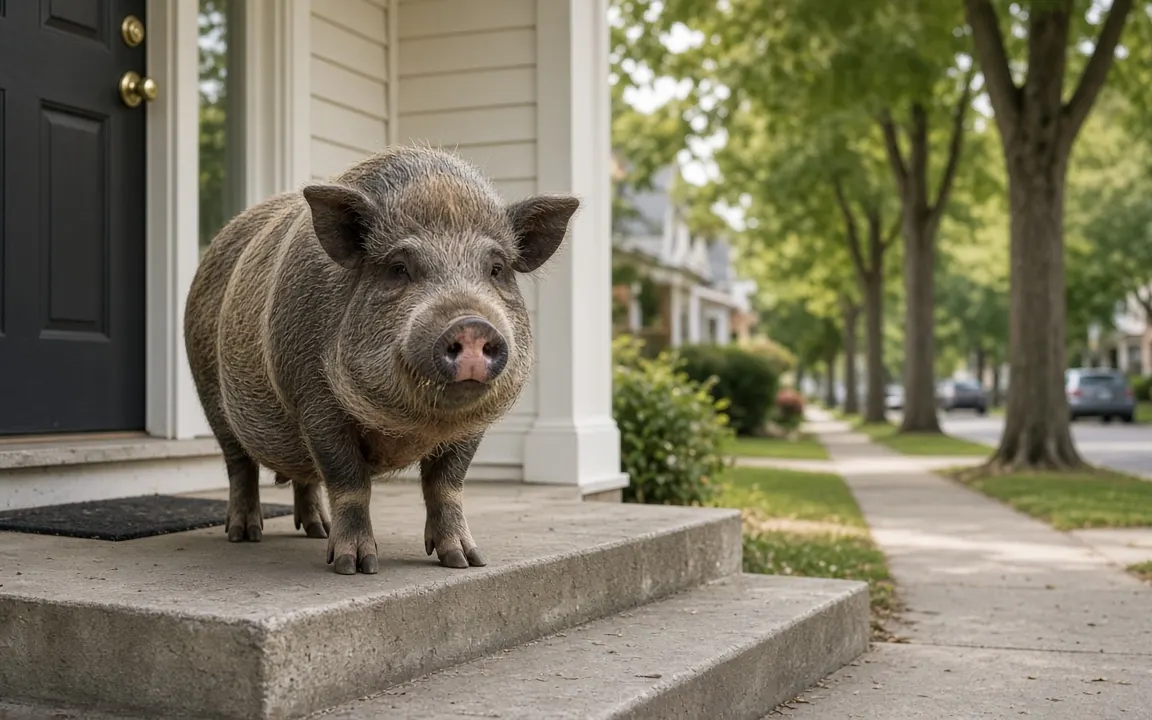
Reading, England
Where farm species go after a death near Reading
Large animals are rare in Reading's terraced streets, but the countryside around it is full of them: livery yards and riding schools across Berkshire and south Oxfordshire, sheep and cattle on the downs, and the racehorse training yards around Lambourn to the west. When a large animal dies nearby, tell a provider about yard access, gateways and field conditions. Ask whether a heavy vehicle can turn in the yard.
Clay fields in the Thames Valley and along the Kennet can be heavy and waterlogged in winter, making it hard to move a horse or a cow. For commercial livestock, fallen stock collection is the usual route. For a family horse, pony, goat or pet pig, ask about individual cremation with ashes returned and what collection from your yard involves.
If your animal was euthanized, the drugs stay in the body and can kill dogs, foxes and birds of prey that find it. That's why a shallow grave in the back paddock isn't a safe plan, even where burial is allowed. Around Reading, most keepers in that position choose cremation, or a deep burial dug by machine. Your vet can tell you what they'd recommend for your ground.
With roughly 232,000 residents, Reading is the 17th-largest of the 33 England communities we cover. Some of the providers who serve Reading are based about 37 miles away in London, the nearest larger centre, so collection times reflect that drive.
If you want to compare providers, look at Windsor (16 miles), Guildford (23 miles) and Oxford (24 miles). Distance matters because pickup fees and the time until the ashes come back both grow with the drive.
83.0%[1]
In 2024, 83.0% of deaths in England & Wales ended in cremation.
$600-$1,000[2]
Cremating a 1,000-pound horse was reported to cost about $600-$1,000, depending on location and the price of propane.
3-5% of body weight[3]
Embrace notes cremated remains typically weigh about 3-5% of the pet's original body weight.
Where these figures come from: Extension Horses (eXtension national Cooperative Extension) and Embrace Pet Insurance.
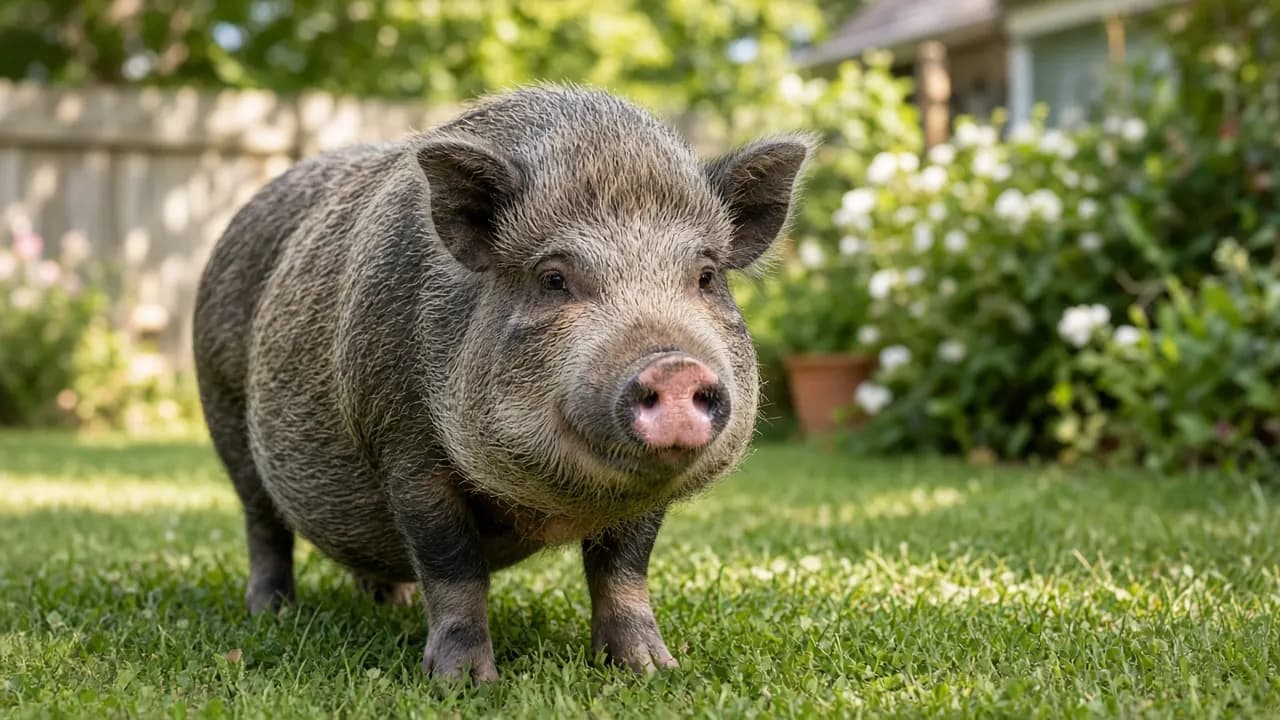
Cremation rates in England and your animal
Since cremation accounts for around 83.0%[1] of human deaths in England, relatives and neighbors are unlikely to find it strange that you want your pig's or alpaca's ashes. What may surprise them is the bill: a heavy animal is priced by weight, and collection from a farm adds more. Settle the budget early, and the decision is yours alone.
Federation of Burial and Cremation Authorities (FBCA) death & cremation statistics (2024) is where the England figure comes from. It counts people; we use it because attitudes to cremating a pet in Reading tend to follow attitudes to cremation generally.
What the seasons mean for farm animal aftercare in Reading
In warm weather, keep the body shaded, loosely covered against flies and off sun-heated ground, and ask for same-day collection. In cold weather you have more time, but lay the animal on a tarp so it can be moved easily and doesn't freeze to bedding. Either way, keep dogs and scavengers well away.

What farm animal cremation costs in Reading
Communal cremation in the UK costs 2x to 5x cheaper[4] than individual cremation for the same weight, and for a pig or ewe that gap is real money. Most families never compare: the CMA found 89%[5] of pet cremation buyers didn't look at a second provider. With a farm species, comparing matters more, because weight limits and collection charges vary widely between crematoria.
We keep the detailed England price table on one page so it stays current: see England prices.

Free tool
Cremation cost calculator
Estimate a realistic price range for your pet's size, location and the type of cremation.
Burial, composting and reporting rules in England
The rules for a dead goat, sheep, pig or backyard bird usually come from livestock and animal-health law, not from the pet rules most people have heard of. That can close options a dog owner takes for granted. The general pet notes for England below are a starting point; for farm species, also check your state or national guidance on dead livestock before you bury or compost.
In England, pet pigs, sheep and goats are still farmed animals in law, and the rules include a ban on livestock burial[7] on the holding, so burying them in the garden is generally not allowed; horses are the notable exception. England recognises 5 approved routes[8] for fallen stock, from knackers to incinerators, and most small keepers book collection through the National Fallen Stock Company scheme. If you want your animal's ashes, ask a pet crematorium whether it accepts your species and weight.
For England's rules on burying a pet at home or scattering ashes, see the England guide. Local rules in Reading can be stricter than the state's, especially in homeowners' associations and rentals.
A practical checklist for smallholders in Reading
- Cover the body loosely, then shift it somewhere shaded or into a cool shed, if that can be done safely.
- Let the herd or flock settle. Some keepers leave the body with a bonded companion for a short while; others move it straight away. Both are fine.
- Talk to your vet about why it died, whether anything must be reported and, for a sheep or goat, what testing is available.
- Compare two providers if you can. For farm animals, quotes differ far more on weight caps and pickup fees than on the cremation itself.
- Confirm whether it's private, partitioned or communal, and get it on paper, since the three terms get muddled.
- Choose what the ashes come home in. A hen needs only a small container; a goat or sheep needs a full-size urn or scatter tube.
Memorials that fit a smallholding
Many Reading-area horse owners keep their horses at livery rather than at home, and commute into town or London for work. That means arrangements may need to be made at short notice from a distance. Talk to your yard in advance about what happens if your horse dies or is put down there, and know which providers serve the area.
the guides answer the longer questions and the blog the newer ones, For a plain comparison of the choices, open services, or look at how readers voted in our polls, the planning tools turn your pet's details into figures. Close to Reading we also cover Liverpool, Birmingham, Leeds and London; the full list for England and for the United Kingdom is a click away.

Reader polls
What would you choose?
Vote anonymously and see how other readers answered. The results are live counts from people who visit this site, so they show real opinions, not a scientific sample.
Would you want your animal's own ashes returned?
Tap an answer to vote and see how others answered. Anonymous.
How do you think of the animal you've lost, or are about to lose?
Tap an answer to vote and see how others answered. Anonymous.
If you had to decide today, which aftercare would you choose for your pet?
Tap an answer to vote and see how others answered. Anonymous.

Free tools to help you plan
Cremation cost calculator
Estimate a realistic price range for your pet's size, location and the type of cremation.

Livestock mortality planner
Plan disposal capacity and costs for farm losses, from one animal to a herd.

Urn size calculator
Find the urn volume you need from your pet's weight, plus keepsake and sharing options.
Questions people ask
Which nearby towns can I compare with Reading?
The closest communities we cover are Windsor (about 16 miles), Guildford (about 23 miles) and Oxford (about 24 miles). Providers based in those places often serve Reading too. Ask each one for a written total that includes collection, so the distance is priced in.
Will I have to travel to London to arrange things?
Not usually. Providers based in London (roughly 37 miles from Reading) collect from here as a matter of routine, and the paperwork is done by email or phone. If you want to be present for a witnessed cremation, that is when the drive matters.
Is cremation common in England?
For people, yes: about 83.0%[1] of England deaths end in cremation, according to Federation of Burial and Cremation Authorities (FBCA) death & cremation statistics (2024). Nobody publishes the same figure for pets, but in our experience pet choices in Reading follow the human pattern closely, so cremation is the default most families here start from.
Should I ask for a post-mortem before cremation?
If the death was sudden and you have other animals, it's often worth it. A post-mortem can show whether parasites, poisoning or an infectious disease is putting the remaining animals at risk, and it has to happen before cremation. Ask your vet quickly, because a body that has spent a day in the heat is much harder to examine usefully.
Will a pet crematory near Reading take a goat or sheep?
Many will, but not all. Pet crematories are built around dogs and cats, and some cap weight at around 100 to 150 lb or don't take farm species at all. Give the species and an honest weight estimate on the first call. If the answer is no, ask who they'd recommend; they usually know which local providers take larger animals.
Is it worth cremating a single backyard hen?
If she mattered to you, yes. A hen is the least expensive farm animal to cremate, falling in the smallest pet price band, and communal cremation costs less again. What comes back is tiny, only a few tablespoons of ash, so ask for a small keepsake box or scatter the ashes around the run. Some keepers save a few feathers instead of, or as well as, the ashes.


Sources and our estimates
- [1] In 2024, 83.0% of deaths in England & Wales ended in cremation. Federation of Burial and Cremation Authorities (FBCA) death & cremation statistics, 2024.
- [2] Cremating a 1,000-pound horse was reported to cost about $600-$1,000, depending on location and the price of propane. Extension Horses (eXtension national Cooperative Extension) - Horse Disposal Options, 2019, 2019.
- [3] Embrace notes cremated remains typically weigh about 3-5% of the pet's original body weight. Embrace Pet Insurance - Bury or Cremate Your Dog? Costs, Pros & Cons, 2025.
- [4] The CMA found communal cremations are two to five times cheaper than the individual equivalent for the same pet weight. UK Competition and Markets Authority - Final report Appendix K: Cremations pricing, mark-ups and costs (24 Mar 2026), 2026.
- [5] 89% of UK owners who bought a pet cremation did not compare different providers; 9% did. UK Competition and Markets Authority - Veterinary services for household pets, Provisional decision report Part A (Oct 2025), 2025.
- [6] The average value lost per dead cow or calf in 2015 was about $997. Our estimate: $3.87 billion / 3.88 million head. How we calculate.
- [7] England bans the burial or open burning of fallen farm stock, but pet animals may be buried, and England (unlike Scotland and Wales) allows burial of both pet and non-pet horses. GOV.UK (Defra/APHA) - Fallen stock guidance, 2024.
- [8] England's approved routes for fallen stock are knackers, hunt kennels, maggot farms, incinerators and renderers; the not-for-profit National Fallen Stock Company runs collections for farmers and horse owners. GOV.UK (Defra/APHA) - Fallen stock guidance, 2024.
Get local prices for your animal's weight
Tell us what you need and where you are. We'll reply by email with clear options and prices so you can decide in your own time.