Goat, pig and alpaca aftercare in Birmingham, England
A 150 lb goat or a pot-bellied pig won't fit the plans most pet crematories are built around. This guide explains your real options, from private cremation to farm-gate collection, and what each one costs.
- Honest prices by body weight
- Farm collection, winch and trailer tips
- Fallen-stock and communal options too
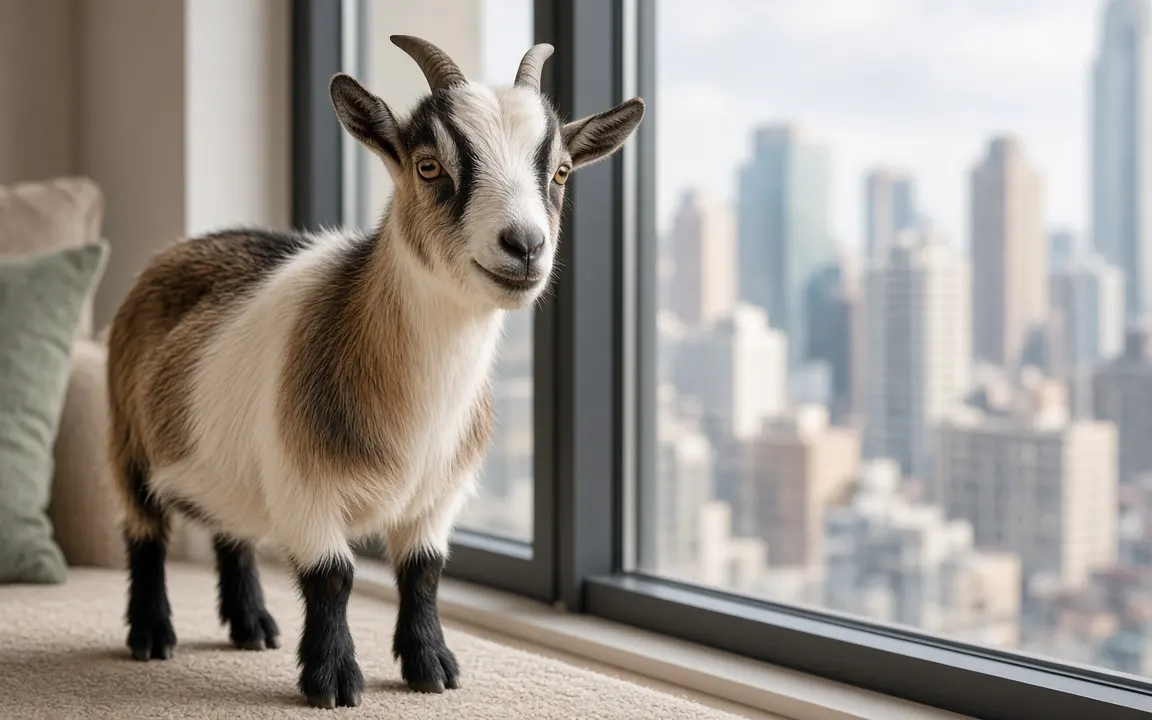
Birmingham, England
Where farm species go after a death near Birmingham
Wet ground in the Midlands during autumn and winter can make it hard to move a heavy animal. Before collection, check whether a lorry can reach the stable or barn, how wide the gates are, and whether there is hard standing for loading. Tell the provider about narrow lanes or low bridges on the route, since these can change the vehicle they send, and give a rough weight for the animal.
Few large animals live inside Birmingham itself, but Warwickshire, Worcestershire and Staffordshire begin close by, with livery yards, dairy and beef farms, sheep flocks and smallholdings around the green belt, plus city farms and sanctuaries keeping goats, pigs and donkeys closer in. For any of them you will usually deal with a regional collection or cremation service. Ask how far they travel and whether they offer individual cremation or disposal only.
Plenty of keepers in a metro like Birmingham don't own the land their animals live on. Goats board on a friend's acreage, a pig lives at a sanctuary, hens scratch around a community garden. When one dies there, agree with the landowner who calls the provider and where the animal waits, and ask before planning any burial, which is rarely allowed on borrowed ground.
Birmingham is home to about 1,149,000 people, the 2nd-largest of the 33 England communities we cover.
Birmingham sits within easy reach of Coventry (17 miles), Leicester (33 miles) and Cheltenham (41 miles). A provider based in any of them will usually collect from Birmingham; ask what the mileage adds to the bill.
83.0%[1]
In 2024, 83.0% of deaths in England & Wales ended in cremation.
$600-$1,000[2]
Cremating a 1,000-pound horse was reported to cost about $600-$1,000, depending on location and the price of propane.
3-5% of body weight[3]
Embrace notes cremated remains typically weigh about 3-5% of the pet's original body weight.
Sources for the statistics above: Extension Horses (eXtension national Cooperative Extension) and Embrace Pet Insurance.
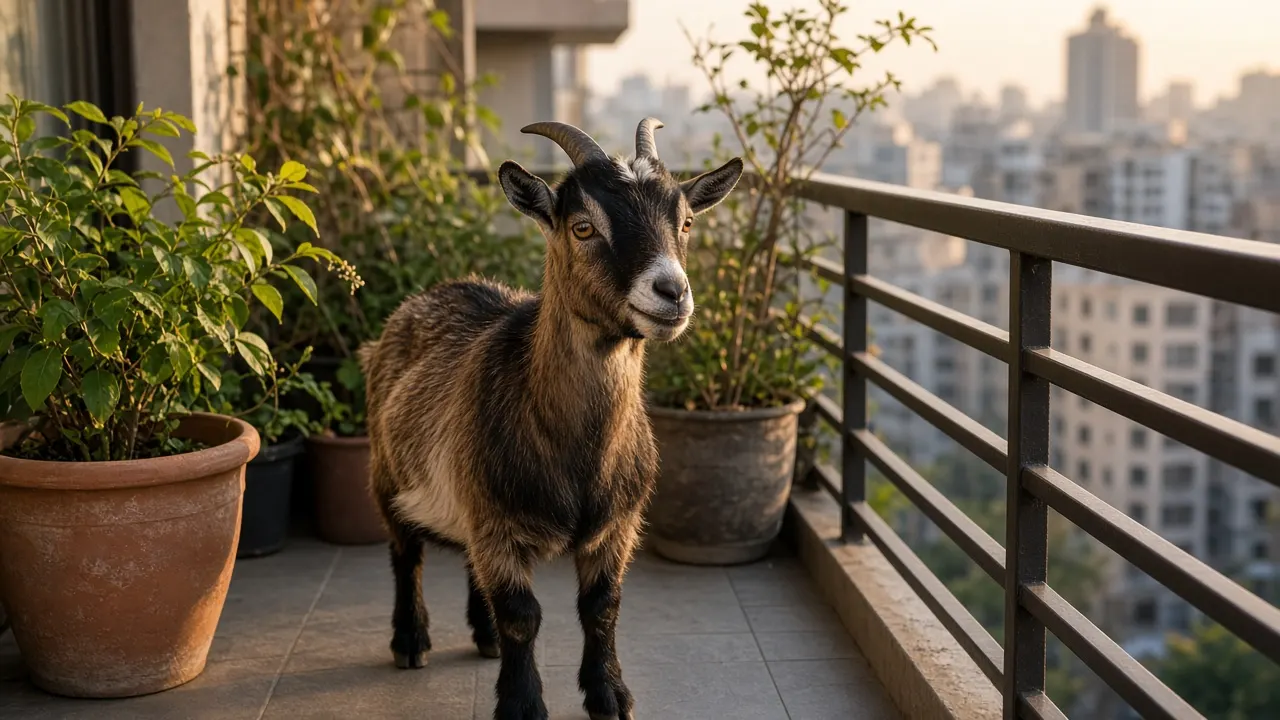
Cremation rates in England and your animal
Since cremation accounts for around 83.0%[1] of human deaths in England, relatives and neighbors are unlikely to find it strange that you want your pig's or alpaca's ashes. What may surprise them is the bill: a heavy animal is priced by weight, and collection from a farm adds more. Settle the budget early, and the decision is yours alone.
Source for the England number: Federation of Burial and Cremation Authorities (FBCA) death & cremation statistics (2024). Nobody publishes a pet cremation rate for Birmingham, so the human figure is the best local signal available.
When the weather sets the timetable in Birmingham
In warm weather, keep the body shaded, loosely covered against flies and off sun-heated ground, and ask for same-day collection. In cold weather you have more time, but lay the animal on a tarp so it can be moved easily and doesn't freeze to bedding. Either way, keep dogs and scavengers well away.

How much to budget in Birmingham
When fallen stock needs BSE testing in the UK, the collector must be contacted within 24 hours of death and the animal delivered for sampling within 72 hours[4] (GOV.UK fallen stock guidance). If your vet says testing applies to your sheep or goat, ask how it fits with an individual cremation before booking one, because the order matters and adds cost.
We keep the detailed England price table on one page so it stays current: see England prices.

Free tool
Cremation cost calculator
Estimate a realistic price range for your pet's size, location and the type of cremation.
Before you bury or compost in England
You don't need a permit to have a farm animal cremated. What you do instead of cremation is where rules come in: many places set a time limit after death, a minimum burial depth, distances from wells and water, and restrictions on composting certain species. Here's the general picture for England; livestock rules can be stricter.
Birmingham's own guidance is published by Birmingham City Council; it covers public collection, which is separate from arranging a private cremation.
In England, pet pigs, sheep and goats are still farmed animals in law, and the rules include a ban on livestock burial[6] on the holding, so burying them in the garden is generally not allowed; horses are the notable exception. England recognises 5 approved routes[7] for fallen stock, from knackers to incinerators, and most small keepers book collection through the National Fallen Stock Company scheme. If you want your animal's ashes, ask a pet crematorium whether it accepts your species and weight.
The England page sets out who oversees pet cremation and what the state says about burial and scattering. Birmingham's own bylaws can sit on top of that, so ask before you dig.
The first day, step by step
- Stop and count. When two or more animals or birds have died inside a day or so and nothing obvious like a predator explains it, don't move anything yet.
- Put on gloves and keep the bodies away from the living stock. Double-bag birds; cover larger animals where they lie.
- Ring the vet, or your national animal health agency, then give a precise account of what you found. In many countries, bird flu, swine fevers and a number of sheep and goat diseases have to be reported.
- Wait for the all-clear before cremation, burial or composting. Testing may be offered, and a body may need to go to a laboratory first.
- Keep visitors and borrowed equipment off the property while you wait for answers, and clean boots and feeders whenever you move between pens.
- Once you're cleared, decide animal by animal. It's common to choose communal cremation for the bulk of a flock while giving one special bird a private cremation of its own.
Ashes, fleece and memories on the farm
Owners of horses, cattle, sheep, goats or pigs around Birmingham often want a lasting reminder even when individual cremation of such a large animal is too costly. A plait of tail hair, a clip of fleece, an ear tag, a bell or a headcollar nameplate can be turned into jewellery or a framed keepsake. Yards and smallholdings sometimes hold a small farewell for an animal many people knew, and it is fine to ask the driver to wait.
try the free planning tools, or see what other families chose in the poll results, Compare every option on our services page, browse in-depth guides or recent articles. If you live between Birmingham and Bristol, London, Manchester and Liverpool, either page applies. Every other community in England, and all of the United Kingdom, is listed too.

Reader polls
What would you choose?
Vote anonymously and see how other readers answered. The results are live counts from people who visit this site, so they show real opinions, not a scientific sample.
Would you want your animal's own ashes returned?
Tap an answer to vote and see how others answered. Anonymous.
How do you think of the animal you've lost, or are about to lose?
Tap an answer to vote and see how others answered. Anonymous.
If you had to decide today, which aftercare would you choose for your pet?
Tap an answer to vote and see how others answered. Anonymous.

Free tools to help you plan
Cremation cost calculator
Estimate a realistic price range for your pet's size, location and the type of cremation.

Livestock mortality planner
Plan disposal capacity and costs for farm losses, from one animal to a herd.

Urn size calculator
Find the urn volume you need from your pet's weight, plus keepsake and sharing options.
Questions people ask
Is cremation common in England?
For people, yes: about 83.0%[1] of England deaths end in cremation, according to Federation of Burial and Cremation Authorities (FBCA) death & cremation statistics (2024). Nobody publishes the same figure for pets, but in our experience pet choices in Birmingham follow the human pattern closely, so cremation is the default most families here start from.
Can a provider from a neighbouring town collect from Birmingham?
Usually yes. Coventry is about 17 miles away, Leicester is about 33 miles away and Cheltenham is about 41 miles away, all inside a normal collection radius. Get the mileage written into the quote so there is no surprise on the day.
Will a pet crematory near Birmingham take a goat or sheep?
Many will, but not all. Pet crematories are built around dogs and cats, and some cap weight at around 100 to 150 lb or don't take farm species at all. Give the species and an honest weight estimate on the first call. If the answer is no, ask who they'd recommend; they usually know which local providers take larger animals.
Can two bonded goats or sheep be cremated together?
Some providers will do this if you ask, and return the mixed ashes in one urn. It isn't a standard private cremation, so make your instruction clear and check the paperwork says so. If one animal has died and the other is still alive, you can also keep the first one's ashes and ask for them to be combined later.
Can someone collect a dead goat or pig from a farm near Birmingham?
Yes, most crematories that take farm species offer farm collection, usually with a charge for mileage beyond a base radius. Tell them the weight, how close a vehicle can get and whether there's mud, a slope or gates. Larger animals need a winch or tail-lift, so ask what the crew brings and whether you'll need to help lift.
Can my goat or sheep be cremated with its halter or blanket?
Many providers allow a natural-fiber halter, a cotton blanket or a handful of hay to go with the animal, but metal buckles, bells and plastic ear tags are usually removed first. If you'd like to keep the halter or bell, say so; it's one of the most common keepsakes. Check what the provider allows before the day so nothing precious goes by mistake.


Sources and our estimates
- [1] In 2024, 83.0% of deaths in England & Wales ended in cremation. Federation of Burial and Cremation Authorities (FBCA) death & cremation statistics, 2024.
- [2] Cremating a 1,000-pound horse was reported to cost about $600-$1,000, depending on location and the price of propane. Extension Horses (eXtension national Cooperative Extension) - Horse Disposal Options, 2019, 2019.
- [3] Embrace notes cremated remains typically weigh about 3-5% of the pet's original body weight. Embrace Pet Insurance - Bury or Cremate Your Dog? Costs, Pros & Cons, 2025.
- [4] In the UK, when fallen stock needs BSE testing, the collector must be contacted within 24 hours of death and the animal delivered to an approved sampling site within 72 hours. GOV.UK (Defra/APHA) - Fallen stock guidance, 2024.
- [5] About 10,630 U.S. cattle and calves died every day in 2015. Our estimate: 3,880,000 / 365. How we calculate.
- [6] England bans the burial or open burning of fallen farm stock, but pet animals may be buried, and England (unlike Scotland and Wales) allows burial of both pet and non-pet horses. GOV.UK (Defra/APHA) - Fallen stock guidance, 2024.
- [7] England's approved routes for fallen stock are knackers, hunt kennels, maggot farms, incinerators and renderers; the not-for-profit National Fallen Stock Company runs collections for farmers and horse owners. GOV.UK (Defra/APHA) - Fallen stock guidance, 2024.
Find who takes farm species near you
Tell us what you need and where you are. We'll reply by email with clear options and prices so you can decide in your own time.