Goat, pig and alpaca aftercare in Manchester, England
Losing a named goat, ewe or kunekune hurts, and the paperwork of livestock rules on top of that can feel cold. We explain the options in plain English and can email you local choices.
- Weight limits checked before you load
- Written totals including mileage
- No pressure, just clear local options
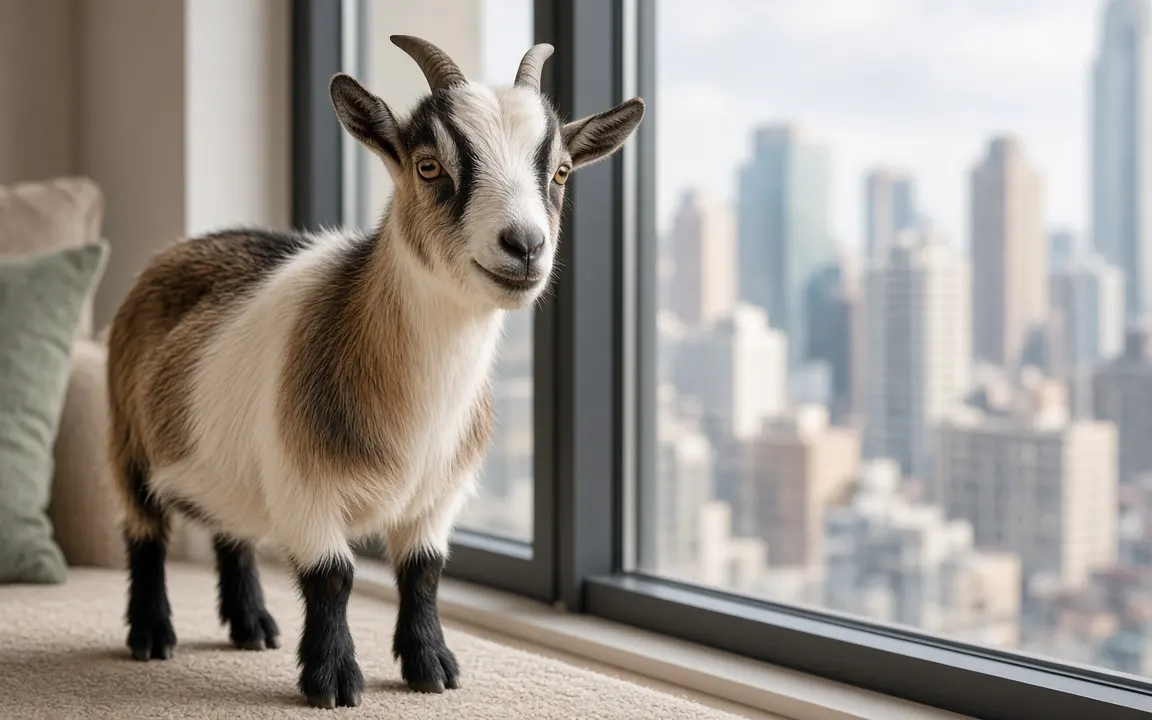
Manchester, England
Goats, pigs and backyard flocks in Manchester
Few large animals live in Manchester itself, but the edges of the conurbation are a different story. Livery yards, smallholdings and farms sit on the Pennine fringe towards Saddleworth and Rossendale, and the Cheshire plain to the south has a strong horse and dairy tradition. If you keep a horse, goats, sheep or pigs around here, the practical questions are vehicle access to the field or yard, and whether the body can be lifted without specialist equipment.
Council services in the Manchester area deal with animals found on public highways and have separate arrangements for large animals that need lifting equipment. That is a roadside service, not help for animals that die on your own land. On a farm, smallholding or livery yard you will need to arrange a knacker service, a collection by an approved fallen-stock operator, or an individual cremation with ashes returned, which a smaller number of pet crematoria offer for big animals.
Traffic changes the logistics in a place like Manchester. A body that weighs 150 lb or more needs two people and a vehicle with a ramp or tail-lift, and a crew crossing the metro at rush hour may take a while to reach you. Keep the animal shaded and covered while you wait, and tell the provider about gates, tight side yards or steps so they bring the right gear the first time.
Manchester's population is around 553,000, the 5th-largest of the 33 England communities we cover.
For a second opinion on price, Liverpool (31 miles), Sheffield (33 miles) and Leeds (36 miles) are close enough that their providers cover Manchester routinely. Two written quotes tell you more than any price list.
83.0%[1]
In 2024, 83.0% of deaths in England & Wales ended in cremation.
$600-$1,000[2]
Cremating a 1,000-pound horse was reported to cost about $600-$1,000, depending on location and the price of propane.
3-5% of body weight[3]
Embrace notes cremated remains typically weigh about 3-5% of the pet's original body weight.
If a number here surprises you, the primary material is Embrace Pet Insurance and Extension Horses (eXtension national Cooperative Extension); we only apply it to this.
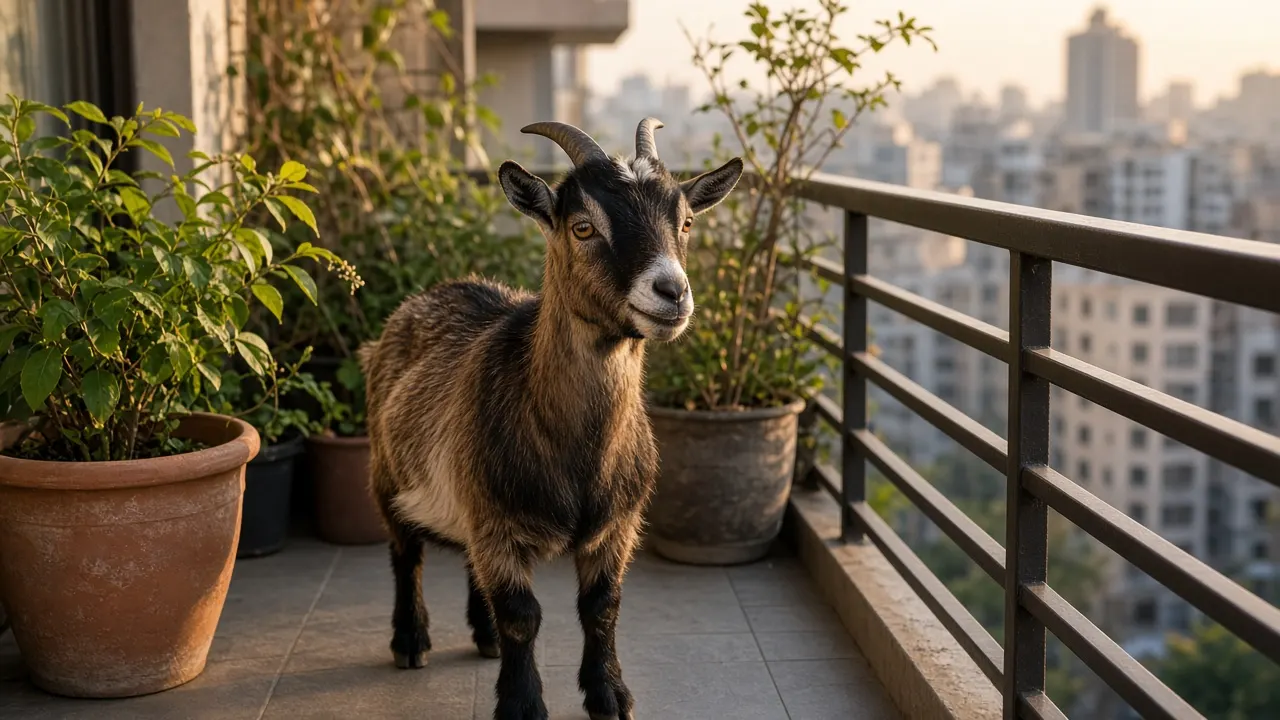
Cremation habits in England, and what they mean for your animal
With cremation chosen for about 83.0%[1] of people in England, local families tend to expect it for their animals too. On a smallholding, that expectation meets livestock law: the options for a goat, sheep or pig are set by rules written for farms, not for pets. Cremation fits comfortably inside those rules almost everywhere, which is one more reason it's the common choice here.
The England figure comes from Federation of Burial and Cremation Authorities (FBCA) death & cremation statistics (2024). It describes people, not pets, so read it as a sign of local attitudes rather than a pet statistic.
Weather, bloat and frozen ground in Manchester
Wherever you are, the rule for a farm animal is the same: shade, cover and speed. A goat, sheep or alpaca keeps fermenting after death and can bloat within hours in warm weather, and a large body holds heat. Lay the animal on its side on straw or a tarp, cover it loosely and ask for collection within the day.

Where the money goes: cremation, collection, urn
Communal cremation in the UK costs 2x to 5x cheaper[4] than individual cremation for the same weight, and for a pig or ewe that gap is real money. Most families never compare: the CMA found 89%[5] of pet cremation buyers didn't look at a second provider. With a farm species, comparing matters more, because weight limits and collection charges vary widely between crematoria.
For a line-by-line price table, see the England overview; for what's included in each option, see our services.

Free tool
Cremation cost calculator
Estimate a realistic price range for your pet's size, location and the type of cremation.
Burial, composting and reporting rules in England
Before you dig anything for a pig, alpaca, goat or sheep, it helps to know who writes the rules. Usually it's the agriculture or environment authority rather than the local pet bylaws, because the worry is groundwater and disease moving between farms. The England notes below cover pets generally; your vet or a farm advisory service can confirm what livestock rules add on top.
Manchester City Council publishes Manchester's official guidance. Note that it deals with public collection, not with booking a private cremation.
In England, pet pigs, sheep and goats are still farmed animals in law, and the rules include a ban on livestock burial[7] on the holding, so burying them in the garden is generally not allowed; horses are the notable exception. England recognises 5 approved routes[8] for fallen stock, from knackers to incinerators, and most small keepers book collection through the National Fallen Stock Company scheme. If you want your animal's ashes, ask a pet crematorium whether it accepts your species and weight.
Home burial and scattering are governed at the England level first; our England rules summary has the detail. Then check whether Manchester or your HOA adds anything.
What to do when a farm animal dies in Manchester
- Tell your child soon, in plain words. Saying "Your goat died this morning" beats a vaguer phrase that leaves a small child expecting the animal to turn up again.
- Let them choose whether to see the body. Covered with a blanket, with only the head showing, is usually gentle enough for school-age children.
- Give them a job: brushing the coat one last time, choosing the halter to keep, or picking flowers to leave at the gate.
- Time the collection around them. One child will want to see the crew leave; another is better off at a friend's house or in class while it happens. Tell the crew you'd like a pickup with no rush.
- If the animal was a club or show project, let the leader know. This won't be the first young member they've seen through it, and they may offer a tribute at the following meeting.
- Plan something for when the ashes come home: a scattering along the fence, a tree to plant, or a small urn for a shelf in their room.
A lasting place for your animal near Manchester
Weather on the hills around Manchester can turn quickly, and winter fields on the Pennine edge are often waterlogged or frozen. A heavy vehicle may not be able to reach a paddock after days of rain, so it helps to think ahead about where an elderly horse or older livestock could be moved to a hard-standing area. Asking early about access, lifting and timings makes a difficult day far less chaotic for everyone at the yard.
use the free tools before you ring anyone, Our services overview lays out every option side by side, or compare your instinct with the poll results, go deeper with the guides or catch up on recent articles. If you live between Manchester and Sheffield, Bristol, Birmingham and Leeds, either page applies. Every other community in England, and all of the United Kingdom, is listed too.

Reader polls
What would you choose?
Vote anonymously and see how other readers answered. The results are live counts from people who visit this site, so they show real opinions, not a scientific sample.
Would you want your animal's own ashes returned?
Tap an answer to vote and see how others answered. Anonymous.
What was (or would be) hardest about the practical side?
Tap an answer to vote and see how others answered. Anonymous.
If you had to decide today, which aftercare would you choose for your pet?
Tap an answer to vote and see how others answered. Anonymous.

Free tools to help you plan
Cremation cost calculator
Estimate a realistic price range for your pet's size, location and the type of cremation.

Livestock mortality planner
Plan disposal capacity and costs for farm losses, from one animal to a herd.

Urn size calculator
Find the urn volume you need from your pet's weight, plus keepsake and sharing options.
Questions people ask
Is cremation common in England?
For people, yes: about 83.0%[1] of England deaths end in cremation, according to Federation of Burial and Cremation Authorities (FBCA) death & cremation statistics (2024). Nobody publishes the same figure for pets, but in our experience pet choices in Manchester follow the human pattern closely, so cremation is the default most families here start from.
Can a provider from a neighbouring town collect from Manchester?
Usually yes. Liverpool is about 31 miles away, Sheffield is about 33 miles away and Leeds is about 36 miles away, all inside a normal collection radius. Get the mileage written into the quote so there is no surprise on the day.
Is there anywhere in Manchester that takes a 200 lb pig or a llama?
In a metro like Manchester, the pet crematories inside the city may stop well short of 200 lb, but equine and large-animal crematories on the rural fringe often take big pigs, llamas and donkeys. Ask your farm vet which one they use. Some charge by the pound, and delivering the animal yourself by trailer can lower the price.
How big an urn do I need for a goat or sheep?
Plan on roughly a cubic inch of capacity for every pound your animal weighed[9]. A 70 lb pygmy goat then needs around 70 cubic inches and a 140 lb ewe around 140, more than most standard pet urns hold. Scattering most of it? A scatter tube plus a small keepsake urn works well. Our urn size calculator will work out the numbers.
Is a donkey treated like a horse or like livestock for burial?
It varies. Many rules group donkeys with horses, and in England equines are the notable exception to the ban on burying farm animals. Elsewhere, donkeys may fall under general livestock rules with depth and distance requirements. A standard donkey is also heavy enough to need an equine crematory. Check the rules for your area before deciding.
Can my goat or sheep be cremated with its halter or blanket?
Many providers allow a natural-fiber halter, a cotton blanket or a handful of hay to go with the animal, but metal buckles, bells and plastic ear tags are usually removed first. If you'd like to keep the halter or bell, say so; it's one of the most common keepsakes. Check what the provider allows before the day so nothing precious goes by mistake.


Sources and our estimates
- [1] In 2024, 83.0% of deaths in England & Wales ended in cremation. Federation of Burial and Cremation Authorities (FBCA) death & cremation statistics, 2024.
- [2] Cremating a 1,000-pound horse was reported to cost about $600-$1,000, depending on location and the price of propane. Extension Horses (eXtension national Cooperative Extension) - Horse Disposal Options, 2019, 2019.
- [3] Embrace notes cremated remains typically weigh about 3-5% of the pet's original body weight. Embrace Pet Insurance - Bury or Cremate Your Dog? Costs, Pros & Cons, 2025.
- [4] The CMA found communal cremations are two to five times cheaper than the individual equivalent for the same pet weight. UK Competition and Markets Authority - Final report Appendix K: Cremations pricing, mark-ups and costs (24 Mar 2026), 2026.
- [5] 89% of UK owners who bought a pet cremation did not compare different providers; 9% did. UK Competition and Markets Authority - Veterinary services for household pets, Provisional decision report Part A (Oct 2025), 2025.
- [6] The average value lost per dead cow or calf in 2015 was about $997. Our estimate: $3.87 billion / 3.88 million head. How we calculate.
- [7] England bans the burial or open burning of fallen farm stock, but pet animals may be buried, and England (unlike Scotland and Wales) allows burial of both pet and non-pet horses. GOV.UK (Defra/APHA) - Fallen stock guidance, 2024.
- [8] England's approved routes for fallen stock are knackers, hunt kennels, maggot farms, incinerators and renderers; the not-for-profit National Fallen Stock Company runs collections for farmers and horse owners. GOV.UK (Defra/APHA) - Fallen stock guidance, 2024.
- [9] Using the industry rule of thumb of 1 cubic inch of urn space per pound of body weight, a 12 lb cat needs an urn of about 12 cubic inches; a 70 lb dog needs about 70 cubic inches. Our estimate: urn cu in = body weight lb x 1 (industry rule of thumb, not a measured value). How we calculate.
Get local prices for your animal's weight
Tell us what you need and where you are. We'll reply by email with clear options and prices so you can decide in your own time.