Goat, pig and alpaca aftercare in Milton Keynes, England
A 150 lb goat or a pot-bellied pig won't fit the plans most pet crematories are built around. This guide explains your real options, from private cremation to farm-gate collection, and what each one costs.
- What to do in the first few hours
- Disease reporting, explained plainly
- Keepsakes: fleece, feathers, halter
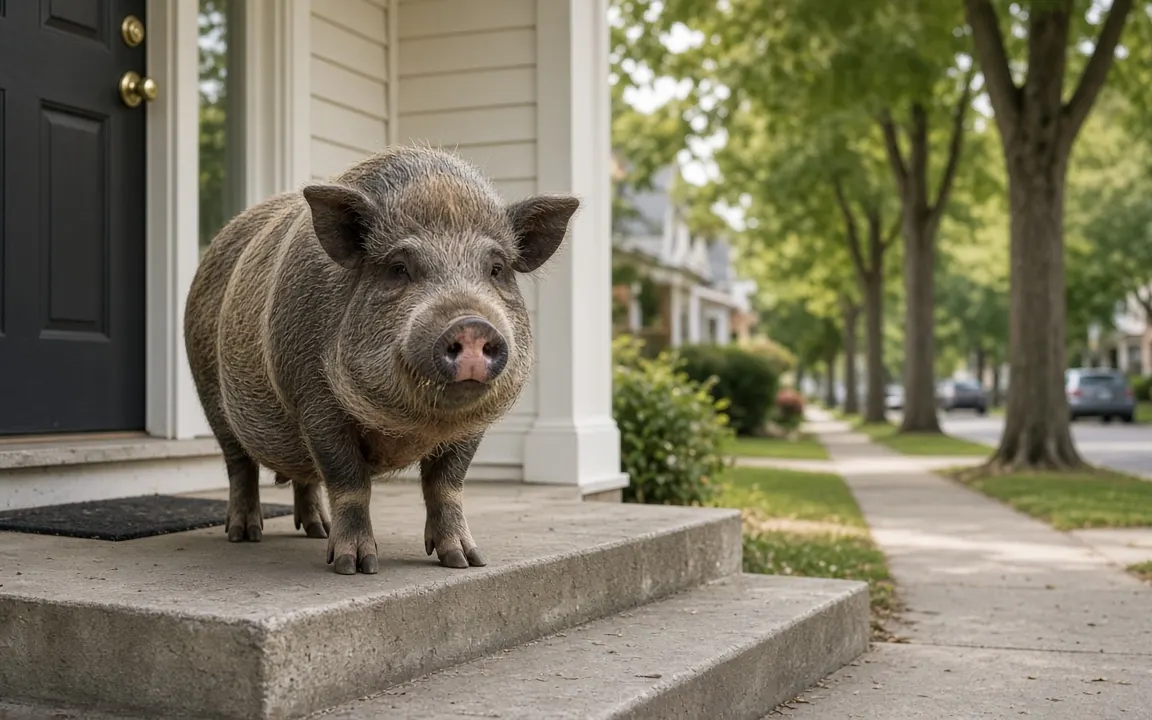
Milton Keynes, England
Where farm species go after a death near Milton Keynes
Commercial sheep and cattle around Milton Keynes normally go to a licensed knacker as fallen stock. For a horse, a pony, a donkey or a pet goat, owners more often choose a single cremation at a specialist equine crematorium, with the ashes returned in a casket or urn. Tell the provider which situation you are in, and check whether collection from a field or livery yard is in the quoted price.
Milton Keynes sits between London, Oxford and Northampton, so horse owners can compare large-animal aftercare across several counties. If you keep an older horse at livery near the city, ask the yard manager what others have done, then collect written quotes for collection, cremation and ashes. Settling it early saves hurried decisions later. Ask, too, how a winter call-out would work.
Some Milton Keynes keepers are surprised to learn that the rules for dead livestock in England apply to a single pet goat or sheep just as they would to a herd. Those rules usually set a time limit and a minimum burial depth, and some forbid certain disposal methods entirely. Cremation is always within them. Before you dig, check what applies locally, and before you call a crematory, weigh your animal or estimate the weight honestly.
About 248,000 people live in Milton Keynes, which makes it the 15th-largest of the 33 England communities we cover. Some of the providers who serve Milton Keynes are based about 46 miles away in London, the nearest larger centre, so collection times reflect that drive.
For a second opinion on price, St Albans (27 miles), Oxford (29 miles) and Cambridge (39 miles) are close enough that their providers cover Milton Keynes routinely. Two written quotes tell you more than any price list.
83.0%[1]
In 2024, 83.0% of deaths in England & Wales ended in cremation.
$600-$1,000[2]
Cremating a 1,000-pound horse was reported to cost about $600-$1,000, depending on location and the price of propane.
3-5% of body weight[3]
Embrace notes cremated remains typically weigh about 3-5% of the pet's original body weight.
If a number here surprises you, the primary material is Embrace Pet Insurance and Extension Horses (eXtension national Cooperative Extension); we only apply it to this.
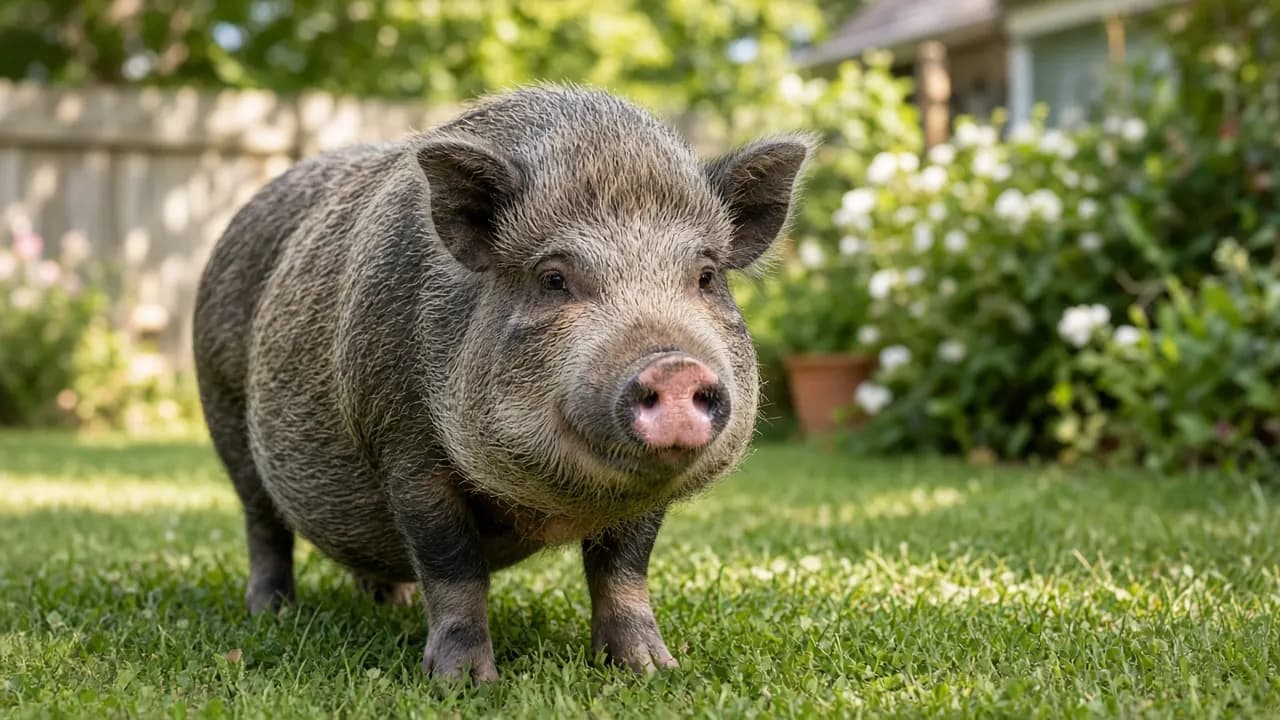
Burial, cremation and farm tradition in England
Cremation is the norm for people in England: about 83.0%[1] of those who die there are cremated. That familiarity helps a little with farm animals. Families here rarely need to explain why they'd like the ashes rather than a grave, and pet crematories are well established. The limit is capacity rather than attitude: fewer of them take animals over about 150 lb, so the choice for a big goat or pig can be narrower than the local culture suggests.
Federation of Burial and Cremation Authorities (FBCA) death & cremation statistics (2024) is where the England figure comes from. It counts people; we use it because attitudes to cremating a pet in Milton Keynes tend to follow attitudes to cremation generally.
Weather, bloat and frozen ground in Milton Keynes
Weather matters for the living animals too. Heat stress hits pigs and heavily fleeced animals hard, and cold snaps are tough on old goats and young stock. If a death comes during extreme weather, check the rest of the herd or flock, and call your vet if more than one animal seems unwell.

How much to budget in Milton Keynes
Buying through the vet is the norm in the UK: by our estimate roughly half of owners whose pet dies buy a cremation that way[4], and only about 6 in 100 compare providers[5]. For a pig or sheep near Milton Keynes, calling crematoria directly pays off, because not every practice's partner crematorium takes farm species, and weight bands differ.
For a line-by-line price table, see the England overview; for what's included in each option, see our services.

Free tool
Cremation cost calculator
Estimate a realistic price range for your pet's size, location and the type of cremation.
Livestock law and pet rules in England
If you rent your land or keep animals on someone else's property, the landowner's say matters as much as the law. Many tenancies and grazing agreements forbid burial, and a landlord may not want a compost pile either. Cremation needs nobody's permission. Here's the general picture for pets in England; your lease may add conditions of its own.
In England, pet pigs, sheep and goats are still farmed animals in law, and the rules include a ban on livestock burial[7] on the holding, so burying them in the garden is generally not allowed; horses are the notable exception. England recognises 5 approved routes[8] for fallen stock, from knackers to incinerators, and most small keepers book collection through the National Fallen Stock Company scheme. If you want your animal's ashes, ask a pet crematorium whether it accepts your species and weight.
The rules that apply across England (home burial, scattering and who oversees pet cremation) are summarized on our England page. Milton Keynes may add its own conditions, so check with the city or county before digging.
Step by step, from the field to the ashes
- Stop and count. Two or more birds or animals dying within a day or two, with no obvious cause such as a predator, is a reason to pause before you move anything.
- Put on gloves and keep the bodies away from the living stock. Double-bag birds; cover larger animals where they lie.
- Ring the vet, or your national animal health agency, then give a precise account of what you found. In many countries, bird flu, swine fevers and a number of sheep and goat diseases have to be reported.
- Wait for the all-clear before cremation, burial or composting. Testing may be offered, and a body may need to go to a laboratory first.
- Keep visitors and borrowed equipment off the property while you wait for answers, and clean boots and feeders whenever you move between pens.
- Once you're cleared, decide animal by animal. Plenty of keepers opt for a communal cremation for most of a flock and a private one for a single favorite bird.
Ways to remember a farm companion
Around Milton Keynes, the farmland of north Buckinghamshire, Bedfordshire and Northamptonshire holds livery yards, riding schools, sheep, cattle and smallholdings, and the city's own edges still have paddocks and stables. If a horse or farm animal dies at a yard here, describe the access, gateways and ground conditions, since clay fields can become impassable after winter rain. Grid-road access helps, but the last field often doesn't.
look through our guides and the blog, or look at how readers voted in our polls, Compare every option on our services page, try the free planning tools. If you live between Milton Keynes and Sheffield, Manchester, London and Leeds, either page applies. Every other community in England, and all of the United Kingdom, is listed too.

Reader polls
What would you choose?
Vote anonymously and see how other readers answered. The results are live counts from people who visit this site, so they show real opinions, not a scientific sample.
How do you think of the animal you've lost, or are about to lose?
Tap an answer to vote and see how others answered. Anonymous.
What was (or would be) hardest about the practical side?
Tap an answer to vote and see how others answered. Anonymous.
If you had to decide today, which aftercare would you choose for your pet?
Tap an answer to vote and see how others answered. Anonymous.

Free tools to help you plan
Cremation cost calculator
Estimate a realistic price range for your pet's size, location and the type of cremation.

Livestock mortality planner
Plan disposal capacity and costs for farm losses, from one animal to a herd.

Urn size calculator
Find the urn volume you need from your pet's weight, plus keepsake and sharing options.
Questions people ask
Is cremation common in England?
For people, yes: about 83.0%[1] of England deaths end in cremation, according to Federation of Burial and Cremation Authorities (FBCA) death & cremation statistics (2024). Nobody publishes the same figure for pets, but in our experience pet choices in Milton Keynes follow the human pattern closely, so cremation is the default most families here start from.
Where are the providers that serve Milton Keynes actually based?
Some are local, and some run from London, about 46 miles away. That is normal for a city this size. What matters is the collection time they quote for Milton Keynes and whether the drive is priced into the total, so ask both up front.
Which nearby towns can I compare with Milton Keynes?
The closest communities we cover are St Albans (about 27 miles), Oxford (about 29 miles) and Cambridge (about 39 miles). Providers based in those places often serve Milton Keynes too. Ask each one for a written total that includes collection, so the distance is priced in.
Can a knacker collect my pet goat and still let me say goodbye first?
Yes. Collectors are used to owners who loved the animal, and you can hold a goodbye before they arrive and ask them to handle the body gently. Knackers, incinerators and renderers are among England's approved routes for fallen stock (GOV.UK), and the National Fallen Stock Company can put you in touch with a member. Nothing is returned, so take keepsakes first.
Can I bring my goat or pig to the crematory myself?
Usually yes, and it often saves the whole collection fee. Call ahead to agree a time, confirm they accept the weight and ask how they unload. A pickup or small trailer with a ramp works well; lay the animal on a tarp so it can be slid rather than lifted. Bring a helper, and don't try to lift a heavy animal alone.
Do I have to report the death of a backyard hen or pet pig?
A single death with an obvious cause usually doesn't need reporting. Unexplained deaths in poultry, pigs, sheep or goats are different: several diseases in these species are notifiable, and the authorities would rather hear about a false alarm than miss an outbreak. Call your vet first; they'll know whether to involve the animal health authority.


Sources and our estimates
- [1] In 2024, 83.0% of deaths in England & Wales ended in cremation. Federation of Burial and Cremation Authorities (FBCA) death & cremation statistics, 2024.
- [2] Cremating a 1,000-pound horse was reported to cost about $600-$1,000, depending on location and the price of propane. Extension Horses (eXtension national Cooperative Extension) - Horse Disposal Options, 2019, 2019.
- [3] Embrace notes cremated remains typically weigh about 3-5% of the pet's original body weight. Embrace Pet Insurance - Bury or Cremate Your Dog? Costs, Pros & Cons, 2025.
- [4] About 52% of all UK owners whose pet dies end up buying a cremation through, or on the recommendation of, their vet. Our estimate: 67% cremate x 78% buy via vet/OOH or vet recommendation = 52.3%. How we calculate.
- [5] Only about 6% of all bereaved UK pet owners compare cremation providers before buying. Our estimate: 67% cremate x 9% compared = 6.0%. How we calculate.
- [6] Composting a 1,400 lb dairy cow would need roughly 14-16.8 cubic yards of cover material. Our estimate: 1.4 x (10 to 12 cu yd per 1,000 lb). How we calculate.
- [7] England bans the burial or open burning of fallen farm stock, but pet animals may be buried, and England (unlike Scotland and Wales) allows burial of both pet and non-pet horses. GOV.UK (Defra/APHA) - Fallen stock guidance, 2024.
- [8] England's approved routes for fallen stock are knackers, hunt kennels, maggot farms, incinerators and renderers; the not-for-profit National Fallen Stock Company runs collections for farmers and horse owners. GOV.UK (Defra/APHA) - Fallen stock guidance, 2024.
Get local prices for your animal's weight
Tell us what you need and where you are. We'll reply by email with clear options and prices so you can decide in your own time.