When a hobby-farm animal dies in Gwangju
Losing a named goat, ewe or kunekune hurts, and the paperwork of livestock rules on top of that can feel cold. We explain the options in plain English and can email you local choices.
- Honest prices by body weight
- Farm collection, winch and trailer tips
- Fallen-stock and communal options too
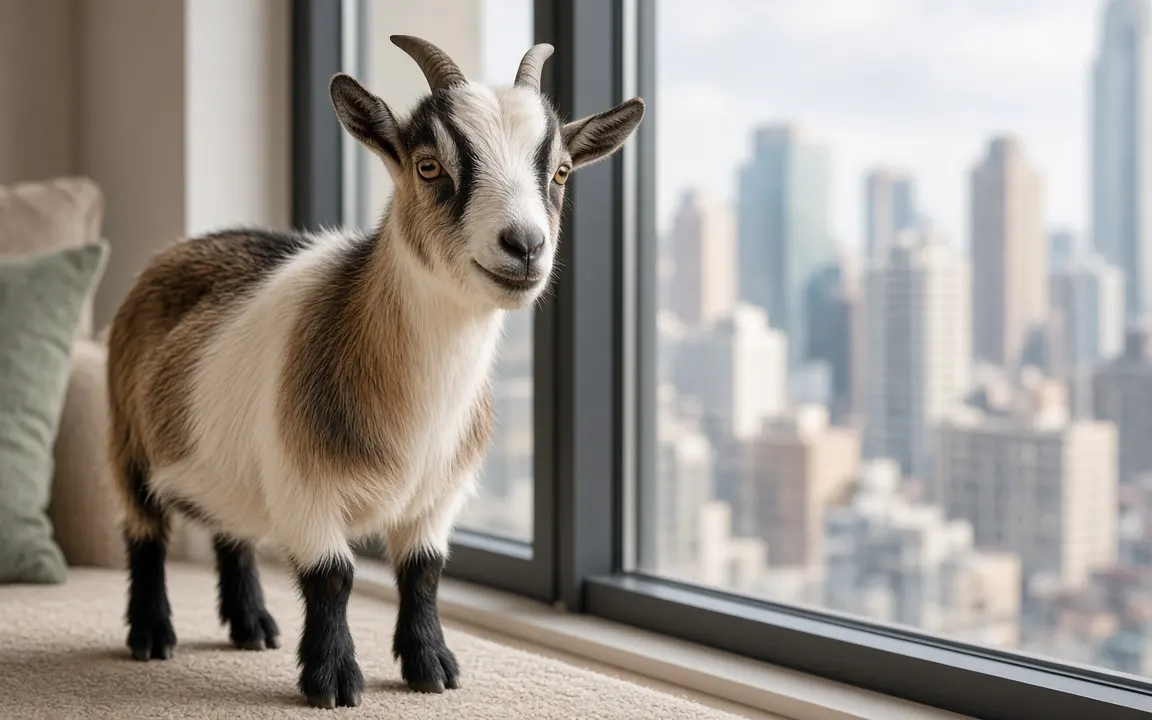
Gwangju, South Korea
Hobby-farm aftercare in Gwangju: the local picture
The July monsoon can flood the low-lying roads of the Yeongsan River plain and turn fields to mud, while winter snow can block narrow farm lanes in the hills. When that happens, a collection vehicle may not get through for a day or more. Cover the animal with a tarpaulin, move other animals to another pen and phone your vet. For ageing animals, check in good weather which facilities can take them.
Farm livestock in Korea goes through set disposal routes run with local authorities, and those routes do not return ashes. A riding horse, a sanctuary animal or a goat that lived as part of the family is a different case, but only some licensed pet funeral facilities can take one. Ask about weight limits, whether collection from a rural property is possible, and whether ashes can come back to you, and get each quote in writing.
Sanctuaries and rescues around Gwangju rehome pot-bellied pigs, goats and roosters that city owners can no longer keep, and they handle deaths more often than most keepers do. If you adopted from one, call them. They usually know which crematory treats farm species with care, and some will help with transport or hold a small goodbye.
Gwangju's population is around 1,500,000.
Families in Gwangju often end up using a provider from Daejeon (88 miles), Daegu (110 miles) and Busan (126 miles, a larger centre). That is normal: crematories serve a radius, not a single town, and the drive is priced into collection.
92.43%[1]
In 2023, 92.43% of deaths in South Korea were cremated (60 crematoria).
$600-$1,000[2]
Cremating a 1,000-pound horse was reported to cost about $600-$1,000, depending on location and the price of propane.
3-5% of body weight[3]
Embrace notes cremated remains typically weigh about 3-5% of the pet's original body weight.
If a number here surprises you, the primary material is Extension Horses (eXtension national Cooperative Extension) and Embrace Pet Insurance; we only apply it to this.
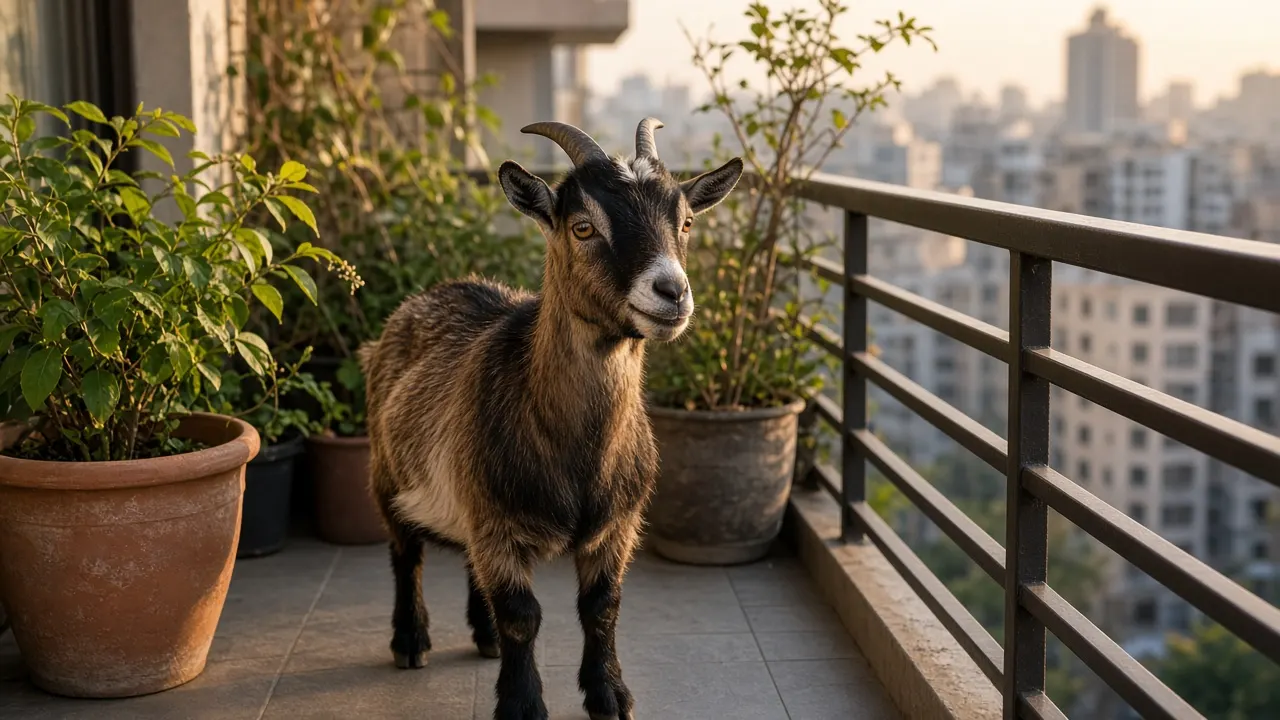
How South Korea thinks about cremation
Roughly 92.43%[1] of funerals in South Korea are cremations, and that shows in how many pet providers advertise here. More choice brings a new job: telling them apart. Ask each one whether it has cremated a goat, sheep or pig before, what its heaviest accepted weight is and how it keeps farm animals identified. Specific answers beat a glossy website.
Cremation Society of Great Britain, International Cremation Statistics 2023 (2023) is where the South Korea figure comes from. It counts people; we use it because attitudes to cremating a pet in Gwangju tend to follow attitudes to cremation generally.
Gwangju weather and your animal's first hours
Local weather affects two things: how quickly your animal needs to be collected, and whether burying or scattering outdoors is practical. In cold months the ground may be frozen; in hot months speed matters more than anything. Your vet or provider in Gwangju will know the seasons, so ask what they'd do at this time of year.

Cremation, collection and the alternatives: costs in Gwangju
Farm species are uncommon as pets in most of Asia's big cities, and few providers publish prices for them. The nearest guide is the top weight band of pet crematoria: a Hong Kong provider lists basic individual cremation for pets over 50 kg at HKD 6,000[4]. Ask any provider in Gwangju whether they accept your species and weight before arranging anything else.
Rather than repeat the price table on every city page, we keep one for South Korea: South Korea costs. What each service includes is on the services page.

Free tool
Cremation cost calculator
Estimate a realistic price range for your pet's size, location and the type of cremation.
Before you bury or compost in South Korea
Composting is an approved route for dead stock in many places: in the 2014–2015 US bird flu outbreak it handled 85%[6] of poultry carcasses, according to the EPA. But it isn't allowed for every species everywhere, and a pile needs careful management. The pet-level picture for South Korea is below; check the livestock rules before you build one.
What to do when a farm animal dies in Gwangju
- Tell your child soon, in plain words. Saying "Your goat died this morning" beats a vaguer phrase that leaves a small child expecting the animal to turn up again.
- Let them choose whether to see the body. For a school-age child, a blanket over everything but the head is generally gentle enough.
- Give them a job: brushing the coat one last time, choosing the halter to keep, or picking flowers to leave at the gate.
- Time the collection around them. Some children want to wave the crew off; others are better at school or a friend's house while the animal leaves. Ask the crew for an unhurried pickup.
- If the animal was a club or show project, let the leader know. This won't be the first young member they've seen through it, and they may offer a tribute at the following meeting.
- Plan something for when the ashes come home: a scattering along the fence, a tree to plant, or a small urn for a shelf in their room.
Keeping your goat, pig or hen close
Gwangju sits in the middle of Jeolla, one of Korea's main farming regions, with rice paddies, pear orchards around Naju, and hanwoo cattle, pig and goat farms within an easy drive. Horses are uncommon on the mainland, though a few riding clubs and farms keep them. If you have a cow, pig, goat or horse kept as a companion, ask whether a provider can accept it, since many facilities are built only for dogs and cats.
For a plain comparison of the choices, open services, or see what other families chose in the poll results, look through our guides and the blog, try the free planning tools. the full list for South Korea and for South Korea is a click away.

Reader polls
What would you choose?
Vote anonymously and see how other readers answered. The results are live counts from people who visit this site, so they show real opinions, not a scientific sample.
How do you think of the animal you've lost, or are about to lose?
Tap an answer to vote and see how others answered. Anonymous.
Would you want your animal's own ashes returned?
Tap an answer to vote and see how others answered. Anonymous.
If you had to decide today, which aftercare would you choose for your pet?
Tap an answer to vote and see how others answered. Anonymous.

Free tools to help you plan
Cremation cost calculator
Estimate a realistic price range for your pet's size, location and the type of cremation.

Livestock mortality planner
Plan disposal capacity and costs for farm losses, from one animal to a herd.

Urn size calculator
Find the urn volume you need from your pet's weight, plus keepsake and sharing options.
Questions people ask
Which nearby towns can I compare with Gwangju?
The closest communities we cover are Daejeon (about 88 miles), Daegu (about 110 miles) and Busan (about 126 miles). Providers based in those places often serve Gwangju too. Ask each one for a written total that includes collection, so the distance is priced in.
How do South Korea attitudes to cremation compare?
Cremation Society of Great Britain, International Cremation Statistics 2023 (2023) puts the South Korea human cremation rate at about 92.43%[1]. We show it on the Gwangju page because pet aftercare choices tend to track it: where cremation is normal for people, communal and private pet cremation are both easy to find.
Is there anywhere in Gwangju that takes a 200 lb pig or a llama?
In a metro like Gwangju, the pet crematories inside the city may stop well short of 200 lb, but equine and large-animal crematories on the rural fringe often take big pigs, llamas and donkeys. Ask your farm vet which one they use. Some charge by the pound, and delivering the animal yourself by trailer can lower the price.
What's the difference between private, partitioned and communal cremation?
Private means your animal is cremated alone and every bit of ash returned is theirs. Partitioned means several animals share the chamber but are kept apart, so the ashes are mostly, not certainly, your animal's. Communal means animals are cremated together and nothing is returned. For a named goat or pig, ask for private in writing if the ashes matter.
Will a pet crematory near Gwangju take a goat or sheep?
Many will, but not all. Pet crematories are built around dogs and cats, and some cap weight at around 100 to 150 lb or don't take farm species at all. Give the species and an honest weight estimate on the first call. If the answer is no, ask who they'd recommend; they usually know which local providers take larger animals.
Can my goat or sheep be cremated with its halter or blanket?
Many providers allow a natural-fiber halter, a cotton blanket or a handful of hay to go with the animal, but metal buckles, bells and plastic ear tags are usually removed first. If you'd like to keep the halter or bell, say so; it's one of the most common keepsakes. Check what the provider allows before the day so nothing precious goes by mistake.


Sources and our estimates
- [1] In 2023, 92.43% of deaths in South Korea were cremated (60 crematoria). Cremation Society of Great Britain, International Cremation Statistics 2023, 2023.
- [2] Cremating a 1,000-pound horse was reported to cost about $600-$1,000, depending on location and the price of propane. Extension Horses (eXtension national Cooperative Extension) - Horse Disposal Options, 2019, 2019.
- [3] Embrace notes cremated remains typically weigh about 3-5% of the pet's original body weight. Embrace Pet Insurance - Bury or Cremate Your Dog? Costs, Pros & Cons, 2025.
- [4] The same Hong Kong provider charges HKD 6,000 for basic individual cremation of pets over 50 kg, and up to HKD 10,900 for its premium package. PETMENTO (Hong Kong pet funeral provider) - Pet funeral price list, 2026.
- [5] The average value lost per dead sheep or lamb in 2019 was about $200; for goats and kids in 2015 it was about $139. Our estimate: $121.6 million / 607,000; $69.6 million / 500,000. How we calculate.
- [6] Composting was used for 85% of poultry carcasses in the 2014-2015 U.S. HPAI outbreak; EPA lists composting and permitted landfills as the preferred disposal methods. U.S. EPA - Carcass Management During Avian Influenza Outbreaks, 2015.
Get local prices for your animal's weight
Tell us what you need and where you are. We'll reply by email with clear options and prices so you can decide in your own time.