Farm animal cremation in Dresden
A 150 lb goat or a pot-bellied pig won't fit the plans most pet crematories are built around. This guide explains your real options, from private cremation to farm-gate collection, and what each one costs.
- What to do in the first few hours
- Disease reporting, explained plainly
- Keepsakes: fleece, feathers, halter
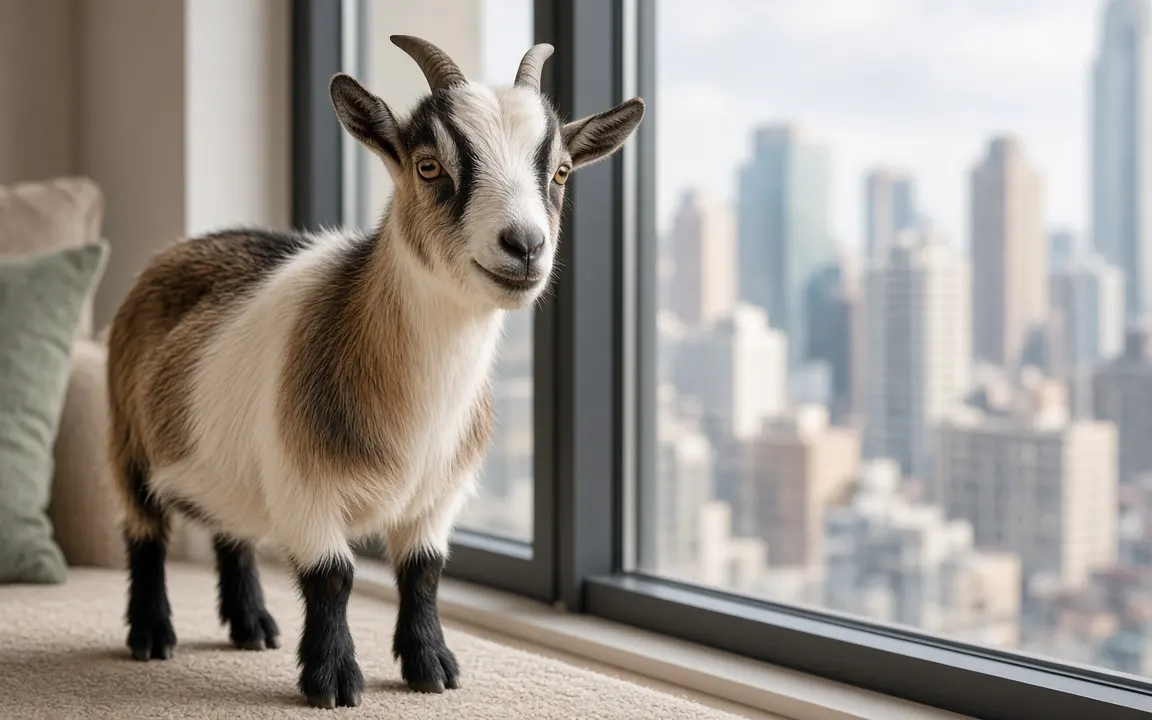
Dresden, Saxony
What arranging farm animal cremation in Dresden is like
Around Dresden, farms sit on the Elbe floodplain and the hills of the Erzgebirge foothills and Lusatia, and access can mean steep lanes, soft meadows or frozen ground. A short description of the route in, the width of the yard gate and whether the ground is frozen, sodden or firm helps the provider arrive with the right lifting gear the first time.
Saxony has a proud horse tradition, including the state stud at Moritzburg just north of Dresden, and the farmland around the city holds dairy and beef cattle, sheep, goats and pigs. When a farm animal dies, German rules route it to official carcass collection. Individual cremation with ashes returned is a private option for large animals kept as companions, and it has to be requested and paid for separately.
Sanctuaries and rescues around Dresden rehome pot-bellied pigs, goats and roosters that city owners can no longer keep, and they handle deaths more often than most keepers do. If you adopted from one, call them. They usually know which crematory treats farm species with care, and some will help with transport or hold a small goodbye.
With roughly 555,000 residents, Dresden is the 2nd-largest of the 2 Saxony communities we cover.
Families in Dresden often end up using a provider from Leipzig (62 miles) and Berlin (103 miles, a larger centre). That is normal: crematories serve a radius, not a single town, and the drive is priced into collection.
76.0%[1]
In 2023, 76.0% of deaths in Germany were cremated (164 crematoria).
$600-$1,000[2]
Cremating a 1,000-pound horse was reported to cost about $600-$1,000, depending on location and the price of propane.
3-5% of body weight[3]
Embrace notes cremated remains typically weigh about 3-5% of the pet's original body weight.
Where these figures come from: Embrace Pet Insurance and Extension Horses (eXtension national Cooperative Extension).
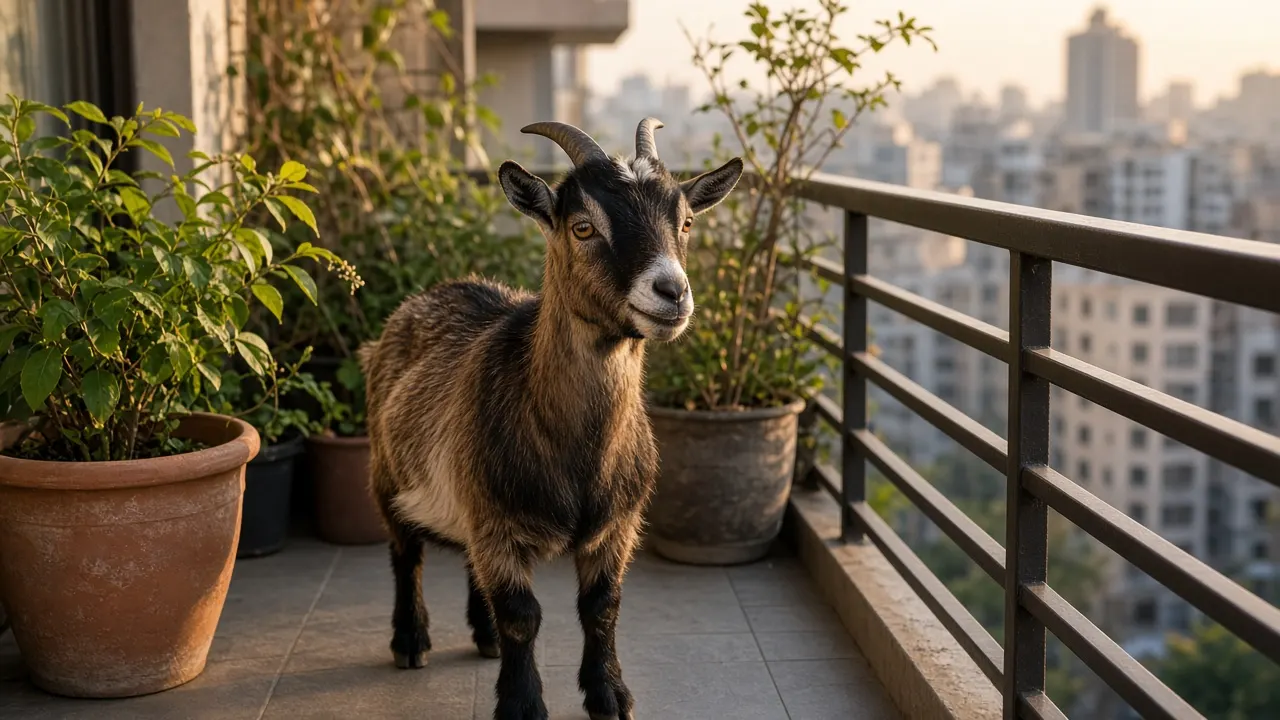
How Germany thinks about cremation
Roughly 76.0%[1] of funerals in Germany are cremations, and that shows in how many pet providers advertise here. More choice brings a new job: telling them apart. Ask each one whether it has cremated a goat, sheep or pig before, what its heaviest accepted weight is and how it keeps farm animals identified. Specific answers beat a glossy website.
We take the Germany rate from Cremation Society of Great Britain, International Cremation Statistics 2023 (2023). It is a human statistic; there is no equivalent pet figure for Dresden, and we would rather show a real number than invent one.
When the weather sets the timetable in Dresden
Wherever you are, the rule for a farm animal is the same: shade, cover and speed. A goat, sheep or alpaca keeps fermenting after death and can bloat within hours in warm weather, and a large body holds heat. Lay the animal on its side on straw or a tarp, cover it loosely and ask for collection within the day.

Budgeting in Dresden for a pig, ewe or goat
European pet crematoria price by weight, and published examples give a feel for what a goat or sheep might cost. In France, individual cremation for a 50 kg animal is listed at €300 to €400, against €130 to €180 for collective[4]. Many European countries route farmed species to an approved rendering service by default, so confirm that a crematorium in or near Dresden will take your species before you book.
Rather than repeat the price table on every city page, we keep one for Saxony: Saxony costs. What each service includes is on the services page.

Free tool
Cremation cost calculator
Estimate a realistic price range for your pet's size, location and the type of cremation.
Burial, composting and reporting rules in Saxony
Rules for dead farm animals change more across borders than almost any other part of pet aftercare. England bans burying pet pigs, sheep and goats; many US states allow it with conditions; California even bans composting whole sheep and goats. The general notes for Saxony follow. Treat them as the pet baseline and check livestock rules on top.
In Germany, dead farm animals such as sheep, goats and pigs normally go to a Tierkörperbeseitigungsanstalt (animal carcass disposal plant), and keepers registered with their state's Tierseuchenkasse often have part of the cost covered. Home burial rules for pets don't usually extend to farm species. Some Tierkrematorien accept goats and pigs for individual cremation (Einzeleinäscherung); ask about weight limits.
A practical checklist for smallholders in Dresden
- Cover the body loosely and move it into shade or a cool outbuilding if you can do so safely.
- Let the herd or flock settle. Some keepers leave the body with a bonded companion for a short while; others move it straight away. Both are fine.
- Talk to your vet about why it died, whether anything must be reported and, for a sheep or goat, what testing is available.
- Compare two providers if you can. For farm animals, quotes differ far more on weight caps and pickup fees than on the cremation itself.
- Confirm whether it's private, partitioned or communal, and get it on paper, since the three terms get muddled.
- Choose what the ashes come home in. A hen needs only a small container; a goat or sheep needs a full-size urn or scatter tube.
A lasting place for your animal near Dresden
Around Dresden, many large animals are companions rather than production stock: a riding school pony in the Moritzburg ponds country, pet goats on a smallholding in the Elbe hills, rescued pigs or donkeys at a sanctuary. If the standard carcass collection feels wrong for an animal like that, ask your vet in advance about individual cremation, what it costs, and whether a farewell in the stable or paddock can come first.
the planning tools turn your pet's details into figures, browse in-depth guides or recent articles, Our services overview lays out every option side by side, or compare your instinct with the poll results. More local pages: Leipzig, the Saxony overview and every city in Germany.

Reader polls
What would you choose?
Vote anonymously and see how other readers answered. The results are live counts from people who visit this site, so they show real opinions, not a scientific sample.
What was (or would be) hardest about the practical side?
Tap an answer to vote and see how others answered. Anonymous.
Before today, did you know the burial rules for farm species where you live?
Tap an answer to vote and see how others answered. Anonymous.
If you had to decide today, which aftercare would you choose for your pet?
Tap an answer to vote and see how others answered. Anonymous.

Free tools to help you plan
Cremation cost calculator
Estimate a realistic price range for your pet's size, location and the type of cremation.

Livestock mortality planner
Plan disposal capacity and costs for farm losses, from one animal to a herd.

Urn size calculator
Find the urn volume you need from your pet's weight, plus keepsake and sharing options.
Questions people ask
Why does the Dresden page quote a human cremation rate?
Because it is the best local signal we have. Cremation Society of Great Britain, International Cremation Statistics 2023 (2023) reports about 76.0%[1] of Germany residents are cremated. There is no official pet equivalent, and inventing one would be worse than quoting a real, clearly labelled number.
Can a provider from a neighbouring town collect from Dresden?
Usually yes. Leipzig is about 62 miles away and Berlin is about 103 miles away, all inside a normal collection radius. Get the mileage written into the quote so there is no surprise on the day.
Can I bury my pet sheep or goat on my property in Dresden?
It depends on the country and the species. Many places treat pet sheep, goats and pigs as farmed animals and send them to approved collection or rendering rather than allowing burial, while others permit burial on rural land with depth and distance rules. Your vet or local animal health authority can tell you what applies at your address.
What's the difference between private, partitioned and communal cremation?
Private means your animal is cremated alone and every bit of ash returned is theirs. Partitioned means several animals share the chamber but are kept apart, so the ashes are mostly, not certainly, your animal's. Communal means animals are cremated together and nothing is returned. For a named goat or pig, ask for private in writing if the ashes matter.
How much ash will I get back from a goat, sheep or hen?
Cremated remains are about 3-5% of body weight[3]. A 70 lb pygmy goat returns roughly two to three and a half pounds of ash; a 160 lb alpaca returns five to eight. A hen returns only a spoonful or two, so ask for a small container rather than a standard urn. The urn size calculator on our tools page can help.
Is a donkey treated like a horse or like livestock for burial?
It varies. Many rules group donkeys with horses, and in England equines are the notable exception to the ban on burying farm animals. Elsewhere, donkeys may fall under general livestock rules with depth and distance requirements. A standard donkey is also heavy enough to need an equine crematory. Check the rules for your area before deciding.


Sources and our estimates
- [1] In 2023, 76.0% of deaths in Germany were cremated (164 crematoria). Cremation Society of Great Britain, International Cremation Statistics 2023, 2023.
- [2] Cremating a 1,000-pound horse was reported to cost about $600-$1,000, depending on location and the price of propane. Extension Horses (eXtension national Cooperative Extension) - Horse Disposal Options, 2019, 2019.
- [3] Embrace notes cremated remains typically weigh about 3-5% of the pet's original body weight. Embrace Pet Insurance - Bury or Cremate Your Dog? Costs, Pros & Cons, 2025.
- [4] SantéVet lists French dog cremation at EUR 70-120 collective vs EUR 150-250 individual for a 20 kg dog, and EUR 130-180 vs EUR 300-400 for a 50 kg dog. SantéVet - Quel est le prix pour incinérer un chien? (updated Mar 2026), 2026.
- [5] Composting a 1,400 lb dairy cow would need roughly 14-16.8 cubic yards of cover material. Our estimate: 1.4 x (10 to 12 cu yd per 1,000 lb). How we calculate.
Tell us about your goat, sheep, pig or bird
Tell us what you need and where you are. We'll reply by email with clear options and prices so you can decide in your own time.