Farm animal cremation in Berlin
Whether it's a single backyard hen or a 180 lb alpaca, the questions are the same: is it legal to bury, who can collect, and can I have my own animal's ashes back? Here are the answers.
- Weight limits checked before you load
- Written totals including mileage
- No pressure, just clear local options
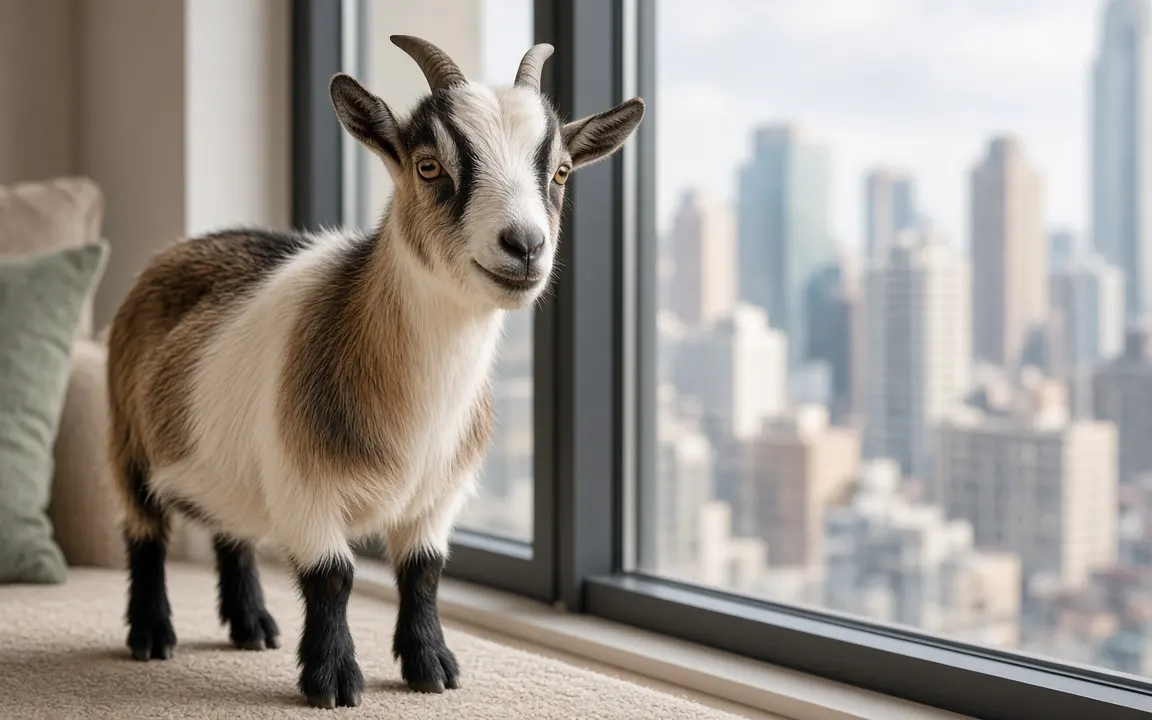
Berlin, Germany
Hobby-farm aftercare in Berlin: the local picture
Inside Berlin, large animals are few, though the city has riding stables on its edges, children's farms with goats and sheep, and two large zoological collections, while the surrounding Brandenburg countryside is full of horse farms, cattle pastures and smallholdings. When a large animal dies, the first practical questions are getting a lifting truck close enough and whether you want individual cremation or the regional animal-disposal route. Share the address and gate details.
Brandenburg's farms keep cattle, sheep, goats and pigs, and many Berliners keep a pony, donkey or a few goats at a weekend property outside the city. German rules channel farm animal carcasses toward official disposal, so individual cremation with ashes returned is usually only possible for animals treated as companions, and not every provider offers it. Tell us the species, approximate weight and whether it was kept as a pet.
In a metro the size of Berlin, the provider that answers the phone fastest isn't always the one that can help. A pet crematory in the city may take a 60 lb pygmy goat without a second thought, then turn down a 200 lb kunekune because the chamber door is too narrow. Large-animal crematories tend to sit on the rural fringe, near horse country, because they need space and permits. Budget for a drive, or for a collection fee that reflects one.
Berlin is home to about 3,645,000 people.
The closest communities we cover are Leipzig (93 miles) and Dresden (103 miles). Providers serving those towns often travel to Berlin too, so it can be worth asking them for a quote.
76.0%[1]
In 2023, 76.0% of deaths in Germany were cremated (164 crematoria).
$600-$1,000[2]
Cremating a 1,000-pound horse was reported to cost about $600-$1,000, depending on location and the price of propane.
3-5% of body weight[3]
Embrace notes cremated remains typically weigh about 3-5% of the pet's original body weight.
The numbers above come from Extension Horses (eXtension national Cooperative Extension) and Embrace Pet Insurance, if you'd like to read the original sources.
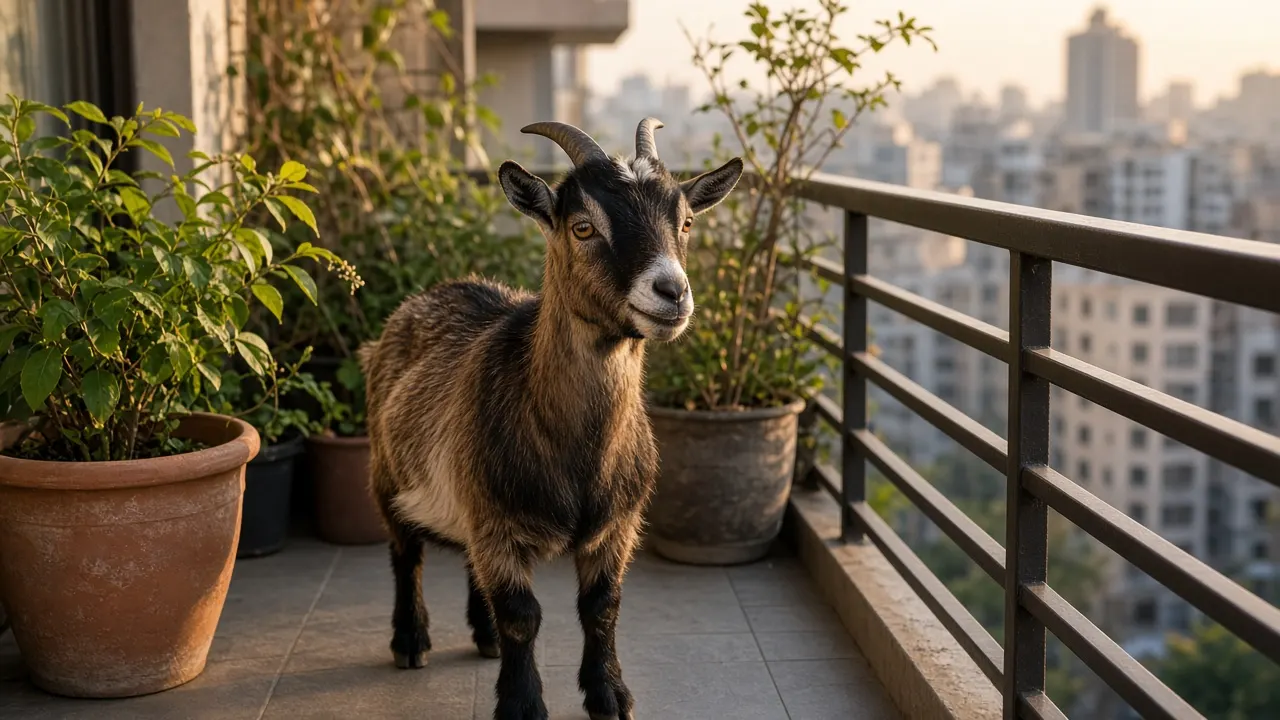
Local customs, and where a farm pet fits
In Germany, about 76.0%[1] of people are cremated, one of the higher rates around. That doesn't make livestock rules any softer, but it does mean cremation is a normal conversation. Many hobby farmers here choose it for a named goat, alpaca or pet pig partly because it keeps the animal with them if they ever sell the land, and partly because it avoids digging a deep grave by machine.
For the Germany figure we rely on Cremation Society of Great Britain, International Cremation Statistics 2023 (2023). Read it as a picture of local custom around death and remembrance in Berlin rather than as pet data.
When the weather sets the timetable in Berlin
Whatever the season, keep a few things ready in the barn if you have older stock: a big tarp, a couple of feed sacks or an old sheet, work gloves and the number of a crematory that accepts your kind of animal. It turns the first hour after a death from a scramble into a routine you can follow even when upset.

Budgeting in Berlin for a pig, ewe or goat
European pet crematoria price by weight, and published examples give a feel for what a goat or sheep might cost. In France, individual cremation for a 50 kg animal is listed at €300 to €400, against €130 to €180 for collective[4]. Many European countries route farmed species to an approved rendering service by default, so confirm that a crematorium in or near Berlin will take your species before you book.
Rather than repeat the price table on every city page, we keep one for Germany: Germany costs. What each service includes is on the services page.

Free tool
Cremation cost calculator
Estimate a realistic price range for your pet's size, location and the type of cremation.
What Germany allows for goats, sheep, pigs and poultry
In most places a pet goat or pig is still a goat or pig in the eyes of the law, so the rules written for farms apply to it. Those rules exist for water safety and disease control, and they tend to favor collection, rendering or cremation over burial. The notes below cover Germany in general; ask your vet or animal health office about your species.
Berlin's own guidance is published by Berlin Senate consumer-protection administration; it covers public collection, which is separate from arranging a private cremation.
In Germany, dead farm animals such as sheep, goats and pigs normally go to a Tierkörperbeseitigungsanstalt (animal carcass disposal plant), and keepers registered with their state's Tierseuchenkasse often have part of the cost covered. Home burial rules for pets don't usually extend to farm species. Some Tierkrematorien accept goats and pigs for individual cremation (Einzeleinäscherung); ask about weight limits.
What to do when a farm animal dies in Berlin
- Stop and count. Two or more birds or animals dying within a day or two, with no obvious cause such as a predator, is a reason to pause before you move anything.
- Put on gloves and keep the bodies away from the living stock. Double-bag birds; cover larger animals where they lie.
- Ring the vet, or your national animal health agency, and describe exactly what you've seen. Bird flu, swine fevers and several sheep and goat diseases are notifiable in many countries.
- Wait for the all-clear before cremation, burial or composting. Testing may be offered, and a body may need to go to a laboratory first.
- Keep visitors and borrowed equipment off the property until you know more, and scrub boots and feeders between pens.
- Once you're cleared, decide animal by animal. Plenty of keepers opt for a communal cremation for most of a flock and a private one for a single favorite bird.
Keeping your goat, pig or hen close
Brandenburg's sandy soils and flat, open land make most yards easy to reach in summer, but winter frost and spring thaw can leave tracks soft and heavy vehicles stuck. If a horse, cow or other large animal in your care is getting older, pick a spot near firm ground and a gate in advance, talk it through with your vet, and ask which providers actually travel as far as your village before you need them.
there are guides for the big decisions and articles for the details, or see how other readers answered in our polls, run the numbers with the free planning tools, The services page is the place to compare what is included. Every other community in Germany, and all of Germany, is listed too.

Reader polls
What would you choose?
Vote anonymously and see how other readers answered. The results are live counts from people who visit this site, so they show real opinions, not a scientific sample.
What was (or would be) hardest about the practical side?
Tap an answer to vote and see how others answered. Anonymous.
Before today, did you know the burial rules for farm species where you live?
Tap an answer to vote and see how others answered. Anonymous.
If you had to decide today, which aftercare would you choose for your pet?
Tap an answer to vote and see how others answered. Anonymous.

Free tools to help you plan
Cremation cost calculator
Estimate a realistic price range for your pet's size, location and the type of cremation.

Livestock mortality planner
Plan disposal capacity and costs for farm losses, from one animal to a herd.

Urn size calculator
Find the urn volume you need from your pet's weight, plus keepsake and sharing options.
Questions people ask
Why does the Berlin page quote a human cremation rate?
Because it is the best local signal we have. Cremation Society of Great Britain, International Cremation Statistics 2023 (2023) reports about 76.0%[1] of Germany residents are cremated. There is no official pet equivalent, and inventing one would be worse than quoting a real, clearly labelled number.
Can a provider from a neighbouring town collect from Berlin?
Usually yes. Leipzig is about 93 miles away and Dresden is about 103 miles away, all inside a normal collection radius. Get the mileage written into the quote so there is no surprise on the day.
Is a donkey treated like a horse or like livestock for burial?
It varies. Many rules group donkeys with horses, and in England equines are the notable exception to the ban on burying farm animals. Elsewhere, donkeys may fall under general livestock rules with depth and distance requirements. A standard donkey is also heavy enough to need an equine crematory. Check the rules for your area before deciding.
Can my goat or sheep be cremated with its halter or blanket?
Many providers allow a natural-fiber halter, a cotton blanket or a handful of hay to go with the animal, but metal buckles, bells and plastic ear tags are usually removed first. If you'd like to keep the halter or bell, say so; it's one of the most common keepsakes. Check what the provider allows before the day so nothing precious goes by mistake.
How much ash will I get back from a goat, sheep or hen?
Cremated remains are about 3-5% of body weight[3]. A 70 lb pygmy goat returns roughly two to three and a half pounds of ash; a 160 lb alpaca returns five to eight. A hen returns only a spoonful or two, so ask for a small container rather than a standard urn. The urn size calculator on our tools page can help.
Is it worth cremating a single backyard hen?
If she mattered to you, yes. A hen is the least expensive farm animal to cremate, falling in the smallest pet price band, and communal cremation costs less again. What comes back is tiny, only a few tablespoons of ash, so ask for a small keepsake box or scatter the ashes around the run. Some keepers save a few feathers instead of, or as well as, the ashes.


Sources and our estimates
- [1] In 2023, 76.0% of deaths in Germany were cremated (164 crematoria). Cremation Society of Great Britain, International Cremation Statistics 2023, 2023.
- [2] Cremating a 1,000-pound horse was reported to cost about $600-$1,000, depending on location and the price of propane. Extension Horses (eXtension national Cooperative Extension) - Horse Disposal Options, 2019, 2019.
- [3] Embrace notes cremated remains typically weigh about 3-5% of the pet's original body weight. Embrace Pet Insurance - Bury or Cremate Your Dog? Costs, Pros & Cons, 2025.
- [4] SantéVet lists French dog cremation at EUR 70-120 collective vs EUR 150-250 individual for a 20 kg dog, and EUR 130-180 vs EUR 300-400 for a 50 kg dog. SantéVet - Quel est le prix pour incinérer un chien? (updated Mar 2026), 2026.
- [5] The average value lost per dead cow or calf in 2015 was about $997. Our estimate: $3.87 billion / 3.88 million head. How we calculate.
Get farm animal cremation options near Berlin
Tell us what you need and where you are. We'll reply by email with clear options and prices so you can decide in your own time.