Goat, pig and alpaca aftercare in Marseille, Provence-Alpes-Cote d'Azur
Whether it's a single backyard hen or a 180 lb alpaca, the questions are the same: is it legal to bury, who can collect, and can I have my own animal's ashes back? Here are the answers.
- Providers that accept goats, pigs and alpacas
- Livestock burial rules explained simply
- Private cremation with ashes returned
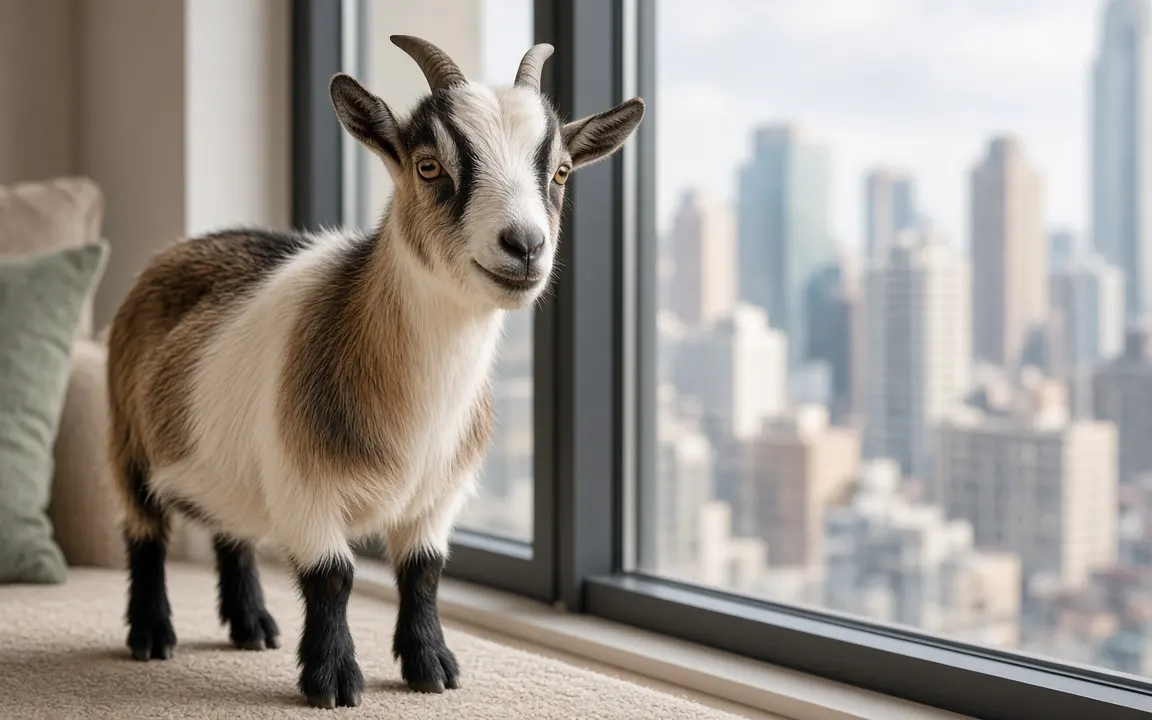
Marseille, Provence-Alpes-Cote d'Azur
Finding a crematory that takes farm species near Marseille
Large animals are few inside Marseille, but Provence has a long pastoral tradition: sheep and goats on the Crau plain and in the hills, the black bulls and white horses of the Camargue an hour or so west, and donkeys and rescued farm animals on smallholdings and sanctuaries around the city. A large animal that dies in the Bouches-du-Rhône is normally collected by a licensed regional service. Ask whether individual cremation is possible or whether removal is for disposal only.
Farm and stable families around Marseille often want a keepsake even when a whole-animal cremation is too costly. Depending on the animal, that might be a sheep's or goat's bell from the transhumance, a clip of wool, an ear tag, a lock of mane or a halter, and hair or wool can be set in resin. Gather anything you want before the truck arrives, and let the people who cared for the animal have a moment with it.
Traffic changes the logistics in a place like Marseille. A body that weighs 150 lb or more needs two people and a vehicle with a ramp or tail-lift, and a crew crossing the metro at rush hour may take a while to reach you. Keep the animal shaded and covered while you wait, and tell the provider about gates, tight side yards or steps so they bring the right gear the first time.
Marseille's population is around 861,000, the largest of the 6 Provence-Alpes-Cote d'Azur communities we cover.
Our pages for Toulon (31 miles), Saint-Tropez (64 miles) and Montpellier (78 miles) describe the same choices from those towns' point of view, and the providers overlap, so a quote from one often covers Marseille as well.
44.91%[1]
In 2023, 44.91% of deaths in France led to cremation.
$600-$1,000[2]
Cremating a 1,000-pound horse was reported to cost about $600-$1,000, depending on location and the price of propane.
3-5% of body weight[3]
Embrace notes cremated remains typically weigh about 3-5% of the pet's original body weight.
Sources for the statistics above: Embrace Pet Insurance and Extension Horses (eXtension national Cooperative Extension).
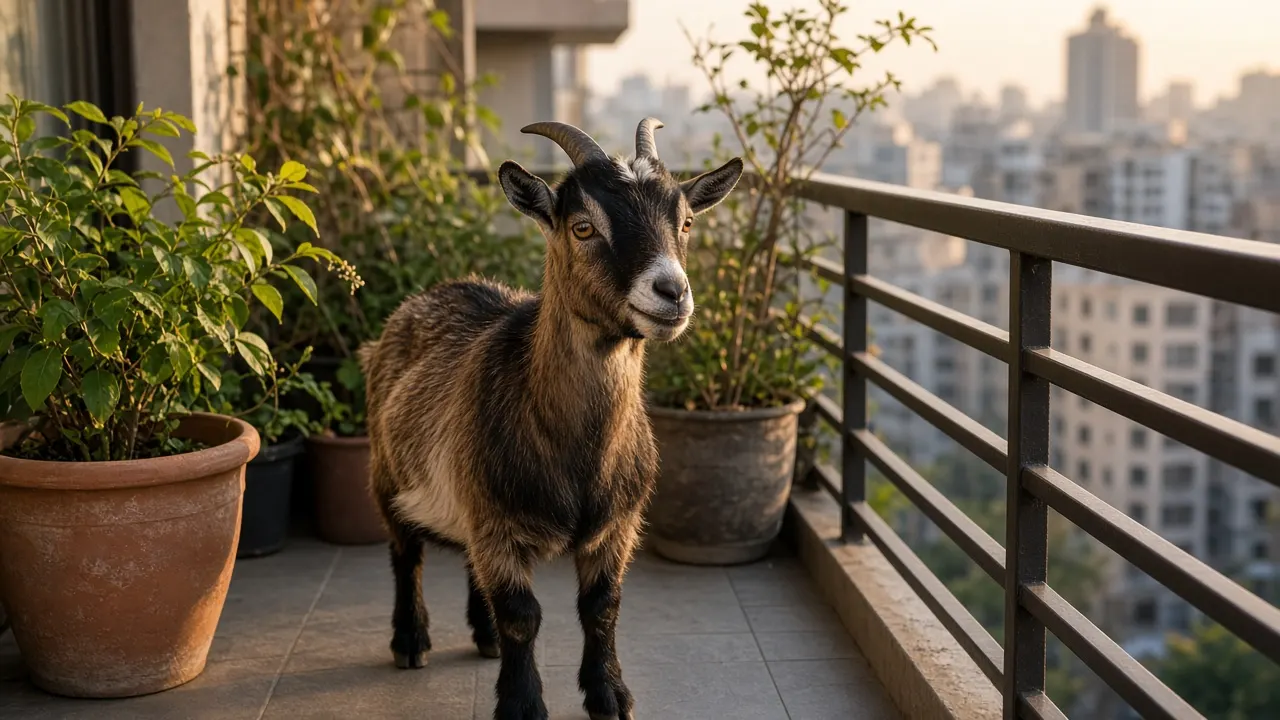
Burial, cremation and farm tradition in France
Cremation is the minority choice in France, at about 44.91%[1] of people, and some neighbors may think it an odd expense for a goat or sheep. You don't owe anyone an explanation. An animal you named and handled every day isn't worth its sale price to you, and a private cremation is a reasonable way to mark that.
ICI (France Bleu), citing the Fédération française de crémation (2023) is where the France figure comes from. It counts people; we use it because attitudes to cremating a pet in Marseille tend to follow attitudes to cremation generally.
Heat, cold and timing in Marseille
In warm weather, keep the body shaded, loosely covered against flies and off sun-heated ground, and ask for same-day collection. In cold weather you have more time, but lay the animal on a tarp so it can be moved easily and doesn't freeze to bedding. Either way, keep dogs and scavengers well away.

Prices by weight for goats, sheep, pigs and birds
In several European countries the default route for a dead sheep, goat or pig is collection by the national rendering service. Near Marseille that's usually the cheapest option, and nothing comes back. A pet crematorium is the alternative if you want the ashes; the prices in the table give a sense of the step up.
Rather than repeat the price table on every city page, we keep one for Provence-Alpes-Cote d'Azur: Provence-Alpes-Cote d'Azur costs. What each service includes is on the services page.

Free tool
Cremation cost calculator
Estimate a realistic price range for your pet's size, location and the type of cremation.
What Provence-Alpes-Cote d'Azur allows for goats, sheep, pigs and poultry
If your animal was euthanized, the drugs remain in the body and can poison scavenging wildlife, and US drug labels have warned since 2003[5] that such animals need deep burial, incineration or another approved route. That alone rules out a shallow grave. The notes below cover the general rules in Provence-Alpes-Cote d'Azur; cremation meets all of them.
In France, dead farm animals are normally collected by the équarrissage (rendering) service rather than buried, and pet sheep, goats and pigs are usually treated the same way. If you want the ashes back, ask a pet crematorium for incinération individuelle and confirm it accepts your species and weight. Your vet or the mairie can advise on what's allowed locally.
A practical checklist for smallholders in Marseille
- Check the time. In warm weather, aim to have your animal collected or delivered the same day. Ruminants bloat quickly.
- Lay the body on a tarp you can drag, with the head slightly raised if possible. It makes loading far easier later.
- Call a vet if more than one animal has died, and also when something doesn't look right, above all with pigs or a backyard flock.
- Ring providers with the species, weight and your location. Find out the chamber size, what lifting equipment they have and how far they'll travel.
- Get the price in writing, and make sure it covers mileage, out-of-hours fees and any winch charge.
- Watch the others. Donkeys, alpacas and goats sometimes pace or call out for days. Hold to the usual routine and spend longer with the animal that was closest.
Memorials that fit a smallholding
Provence's hot, dry summers make speed essential when a large animal dies. Keep the body shaded and covered, and arrange collection the same day if you can. Hill farms and mas properties often have rocky tracks, steep drives and narrow gates, and summer fire-risk closures in the massifs can affect access, so describe the route and ground clearly when you call.
or look at how readers voted in our polls, Compare every option on our services page, the guides answer the longer questions and the blog the newer ones, use the free tools before you ring anyone. More local pages: Cannes, Saint-Tropez, Nice and Nice, the Provence-Alpes-Cote d'Azur overview and every city in France.

Reader polls
What would you choose?
Vote anonymously and see how other readers answered. The results are live counts from people who visit this site, so they show real opinions, not a scientific sample.
What was (or would be) hardest about the practical side?
Tap an answer to vote and see how others answered. Anonymous.
How do you think of the animal you've lost, or are about to lose?
Tap an answer to vote and see how others answered. Anonymous.
If you had to decide today, which aftercare would you choose for your pet?
Tap an answer to vote and see how others answered. Anonymous.

Free tools to help you plan
Cremation cost calculator
Estimate a realistic price range for your pet's size, location and the type of cremation.

Livestock mortality planner
Plan disposal capacity and costs for farm losses, from one animal to a herd.

Urn size calculator
Find the urn volume you need from your pet's weight, plus keepsake and sharing options.
Questions people ask
Can a provider from a neighbouring town collect from Marseille?
Usually yes. Toulon is about 31 miles away, Saint-Tropez is about 64 miles away and Montpellier is about 78 miles away, all inside a normal collection radius. Get the mileage written into the quote so there is no surprise on the day.
Is cremation common in France?
For people, yes: about 44.91%[1] of France deaths end in cremation, according to ICI (France Bleu), citing the Fédération française de crémation (2023). Nobody publishes the same figure for pets, but in our experience pet choices in Marseille follow the human pattern closely, so cremation is the default most families here start from.
Who do I call first if a farm animal dies at night in Marseille?
If the death was expected and the animal is safe from scavengers, you can usually wait until morning: shade, cover and call your vet or the crematory first thing. If it was sudden, or several animals are ill, call an emergency or farm vet that night. Collection itself can wait for daylight in most weather.
Is it cheaper to cremate two goats or sheep together?
Sometimes. Some providers charge by combined weight for a joint cremation of bonded animals, which can cost less than two separate private cremations; the ashes come back mixed in one urn. Others price each animal on its own. If both died together, or you'd like a companion's ashes added later, ask for a price on each option before you decide.
Is it worth cremating a single backyard hen?
If she mattered to you, yes. A hen is the least expensive farm animal to cremate, falling in the smallest pet price band, and communal cremation costs less again. What comes back is tiny, only a few tablespoons of ash, so ask for a small keepsake box or scatter the ashes around the run. Some keepers save a few feathers instead of, or as well as, the ashes.
Will a pet crematory near Marseille take a goat or sheep?
Many will, but not all. Pet crematories are built around dogs and cats, and some cap weight at around 100 to 150 lb or don't take farm species at all. Give the species and an honest weight estimate on the first call. If the answer is no, ask who they'd recommend; they usually know which local providers take larger animals.


Sources and our estimates
- [1] In 2023, 44.91% of deaths in France led to cremation. ICI (France Bleu), citing the Fédération française de crémation, 2023.
- [2] Cremating a 1,000-pound horse was reported to cost about $600-$1,000, depending on location and the price of propane. Extension Horses (eXtension national Cooperative Extension) - Horse Disposal Options, 2019, 2019.
- [3] Embrace notes cremated remains typically weigh about 3-5% of the pet's original body weight. Embrace Pet Insurance - Bury or Cremate Your Dog? Costs, Pros & Cons, 2025.
- [4] Composting a 1,400 lb dairy cow would need roughly 14-16.8 cubic yards of cover material. Our estimate: 1.4 x (10 to 12 cu yd per 1,000 lb). How we calculate.
- [5] Since 2003 the FDA has required euthanasia drug labels to warn that euthanized animals must be disposed of by deep burial, incineration or another approved method to keep scavenging wildlife from eating the carcass. Cornell Waste Management Institute & Penn State - Horse Mortality: Carcass Disposal Alternatives (2012), 2003.
Tell us about your goat, sheep, pig or bird
Tell us what you need and where you are. We'll reply by email with clear options and prices so you can decide in your own time.