Farm animal cremation in Copenhagen
Farm species give you less time than a dog or cat, and fewer providers take them. Start here for the first few hours, the local rules and honest prices, then ask us for options by email.
- What to do in the first few hours
- Disease reporting, explained plainly
- Keepsakes: fleece, feathers, halter
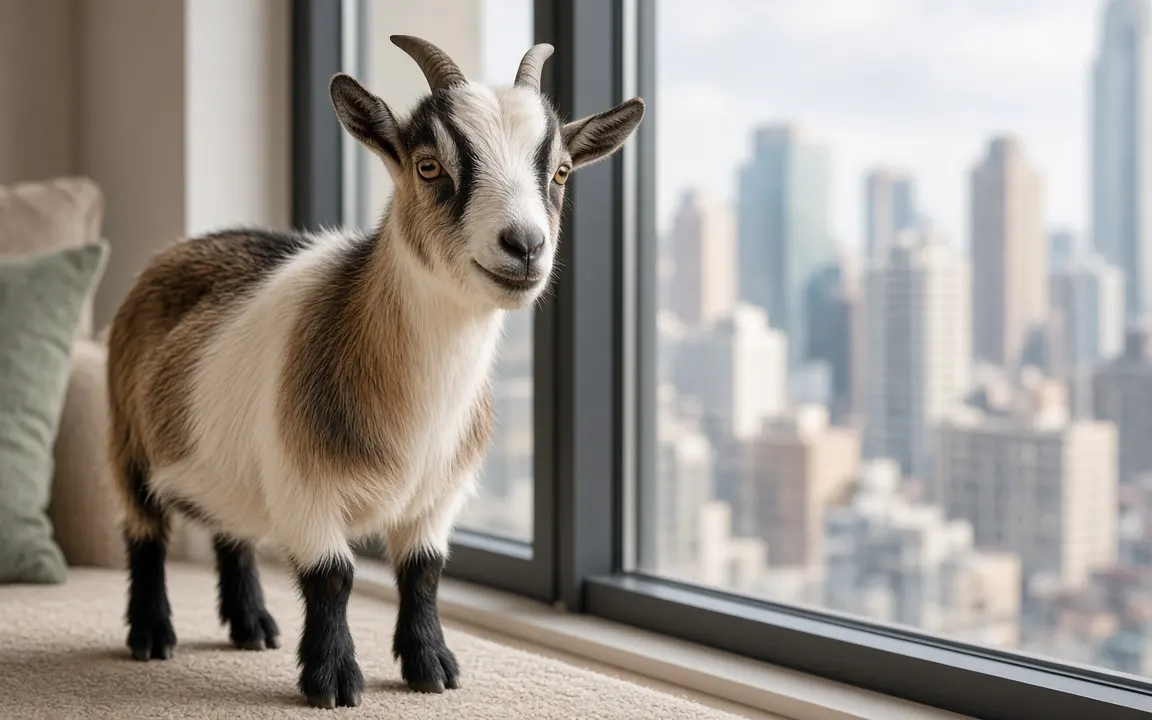
Copenhagen, Capital Region
Finding a crematory that takes farm species near Copenhagen
Many Copenhagen families know farm animals through riding schools, city farms and weekends in the countryside, and losing a pony, a pet sheep or a sanctuary pig can hit a whole household. Even when full cremation is not practical, it is usually possible to keep something: a plait of mane, a bell, an ear tag or a handful of fleece. Ask for it to be set aside before collection.
Danish winters are rarely extreme, but frost, mud and dark afternoons still complicate moving a large animal that has died out in a field. Give the collector details about ground conditions, gate widths and whether the animal lies in a barn, a stable or open grazing. If individual cremation of a horse, alpaca or other large animal is not available nearby, ask what options exist on Funen or Jutland.
Local rules around Copenhagen often allow a few backyard hens, and some suburbs allow miniature goats or a pet pig with limits on numbers. What those rules rarely spell out is what to do when the animal dies. Burying livestock in built-up areas is commonly restricted, and a lease, a residents' association or a homeowner association can be stricter still. In practice, most metro keepers choose cremation, either private with the ashes returned or communal, because it sidesteps the question entirely.
Copenhagen's population is around 794,000.
Families in Copenhagen often end up using a provider from Odense (87 miles) and Aarhus (98 miles). That is normal: crematories serve a radius, not a single town, and the drive is priced into collection.
86.48%[1]
In 2023, 86.48% of deaths in Denmark were cremated (20 crematoria).
$600-$1,000[2]
Cremating a 1,000-pound horse was reported to cost about $600-$1,000, depending on location and the price of propane.
3-5% of body weight[3]
Embrace notes cremated remains typically weigh about 3-5% of the pet's original body weight.
Where these figures come from: Extension Horses (eXtension national Cooperative Extension) and Embrace Pet Insurance.
How Denmark thinks about cremation
With cremation chosen for about 86.48%[1] of people in Denmark, local families tend to expect it for their animals too. On a smallholding, that expectation meets livestock law: the options for a goat, sheep or pig are set by rules written for farms, not for pets. Cremation fits comfortably inside those rules almost everywhere, which is one more reason it's the common choice here.
We take the Denmark rate from Cremation Society of Great Britain, International Cremation Statistics 2023 (2023). It is a human statistic; there is no equivalent pet figure for Copenhagen, and we would rather show a real number than invent one.
What the seasons mean for farm animal aftercare in Copenhagen
Local weather affects two things: how quickly your animal needs to be collected, and whether burying or scattering outdoors is practical. In cold months the ground may be frozen; in hot months speed matters more than anything. Your vet or provider in Copenhagen will know the seasons, so ask what they'd do at this time of year.

Budgeting in Copenhagen for a pig, ewe or goat
Prices in Denmark will depend on your animal's weight, individual or collective cremation and how far the provider travels to collect. The table shows published examples from several European countries; most are for large dogs, the closest weight band to a small goat, sheep or pig. Expect heavier animals to be quoted individually.
For a line-by-line price table, see the Capital Region overview; for what's included in each option, see our services.

Free tool
Cremation cost calculator
Estimate a realistic price range for your pet's size, location and the type of cremation.
Burial, composting and reporting rules in Capital Region
If your animal was euthanized, the drugs remain in the body and can poison scavenging wildlife, and US drug labels have warned since 2003[5] that such animals need deep burial, incineration or another approved route. That alone rules out a shallow grave. The notes below cover the general rules in Capital Region; cremation meets all of them.
If your animal dies today: a plan for Copenhagen
- Pick the spot before the vet arrives. Level ground a vehicle can reach, such as the barn aisle or a paddock by the gate, means your animal won't have to be dragged far afterwards.
- Book the crematory or collector first, then the vet. Once you know the pickup time, set the euthanasia an hour or two before it rather than the evening before a long wait.
- Ask the vet about sedation first. A calm animal nibbling grain or browse while the sedative works makes the moment gentler for everyone standing with it.
- Decide who will be there. Some keepers want the whole family present; others send children to feed the other animals and bring them back afterwards to say goodbye.
- Keep a companion in the next pen, close enough to hear you but not underfoot. Let it in afterwards to see and smell the body if you think it will help.
- Hand your instructions to the crew yourself: whether it's communal or private, which urn you picked, and any item you'd like back, a clipped lock of hair for instance.
Memorials that fit a smallholding
Inside Copenhagen there are very few large animals, apart from city farms, the zoo and the deer at Dyrehaven, but Zealand's farmland starts just beyond the suburbs, with dairy herds, pigs, sheep and plenty of riding stables. If a horse, cow or goat dies, the farm or stable and your vet are the first calls. Removal needs a lorry with a winch or crane and access to the yard.
For a plain comparison of the choices, open services, use the free tools before you ring anyone, or see how other readers answered in our polls, the guides answer the longer questions and the blog the newer ones. Every other community in Capital Region, and all of Denmark, is listed too.

Reader polls
What would you choose?
Vote anonymously and see how other readers answered. The results are live counts from people who visit this site, so they show real opinions, not a scientific sample.
What was (or would be) hardest about the practical side?
Tap an answer to vote and see how others answered. Anonymous.
Would you want your animal's own ashes returned?
Tap an answer to vote and see how others answered. Anonymous.
If you had to decide today, which aftercare would you choose for your pet?
Tap an answer to vote and see how others answered. Anonymous.

Free tools to help you plan
Cremation cost calculator
Estimate a realistic price range for your pet's size, location and the type of cremation.

Livestock mortality planner
Plan disposal capacity and costs for farm losses, from one animal to a herd.

Urn size calculator
Find the urn volume you need from your pet's weight, plus keepsake and sharing options.
Questions people ask
Which nearby towns can I compare with Copenhagen?
The closest communities we cover are Odense (about 87 miles) and Aarhus (about 98 miles). Providers based in those places often serve Copenhagen too. Ask each one for a written total that includes collection, so the distance is priced in.
How do Denmark attitudes to cremation compare?
Cremation Society of Great Britain, International Cremation Statistics 2023 (2023) puts the Denmark human cremation rate at about 86.48%[1]. We show it on the Copenhagen page because pet aftercare choices tend to track it: where cremation is normal for people, communal and private pet cremation are both easy to find.
Can two bonded goats or sheep be cremated together?
Some providers will do this if you ask, and return the mixed ashes in one urn. It isn't a standard private cremation, so make your instruction clear and check the paperwork says so. If one animal has died and the other is still alive, you can also keep the first one's ashes and ask for them to be combined later.
Will a pet crematory near Copenhagen take a goat or sheep?
Many will, but not all. Pet crematories are built around dogs and cats, and some cap weight at around 100 to 150 lb or don't take farm species at all. Give the species and an honest weight estimate on the first call. If the answer is no, ask who they'd recommend; they usually know which local providers take larger animals.
What if my animal dies while we're away from home?
Ask whoever is minding the farm to call your vet first and you second. Before you travel, leave written instructions: private or communal, which provider, how much you're willing to spend and any keepsake to save. A signed note lets a sitter act quickly in hot weather instead of waiting for you to pick up the phone, and it spares them guessing what you'd want.
Should the rest of the herd see the body?
Many keepers find it helps. Goats, alpacas and donkeys in particular often settle better if a bonded companion is allowed a few minutes to see and sniff the body. Stay with them, then move the body out of sight before collection. Expect calling or pacing for a few days afterwards; steady routines help.


Sources and our estimates
- [1] In 2023, 86.48% of deaths in Denmark were cremated (20 crematoria). Cremation Society of Great Britain, International Cremation Statistics 2023, 2023.
- [2] Cremating a 1,000-pound horse was reported to cost about $600-$1,000, depending on location and the price of propane. Extension Horses (eXtension national Cooperative Extension) - Horse Disposal Options, 2019, 2019.
- [3] Embrace notes cremated remains typically weigh about 3-5% of the pet's original body weight. Embrace Pet Insurance - Bury or Cremate Your Dog? Costs, Pros & Cons, 2025.
- [4] Each HPAI-infected premises averaged about 102,814 affected birds (Feb 2022-Sep 2025). Our estimate: 179,000,000 / 1,741. How we calculate.
- [5] Since 2003 the FDA has required euthanasia drug labels to warn that euthanized animals must be disposed of by deep burial, incineration or another approved method to keep scavenging wildlife from eating the carcass. Cornell Waste Management Institute & Penn State - Horse Mortality: Carcass Disposal Alternatives (2012), 2003.
Get local prices for your animal's weight
Tell us what you need and where you are. We'll reply by email with clear options and prices so you can decide in your own time.