When a hobby-farm animal dies in Adelaide
Your goat, sheep or pig is family, but the law usually files it under livestock. Here's what that means locally, who will take an animal this size and what it costs to bring the ashes home.
- Honest prices by body weight
- Farm collection, winch and trailer tips
- Fallen-stock and communal options too
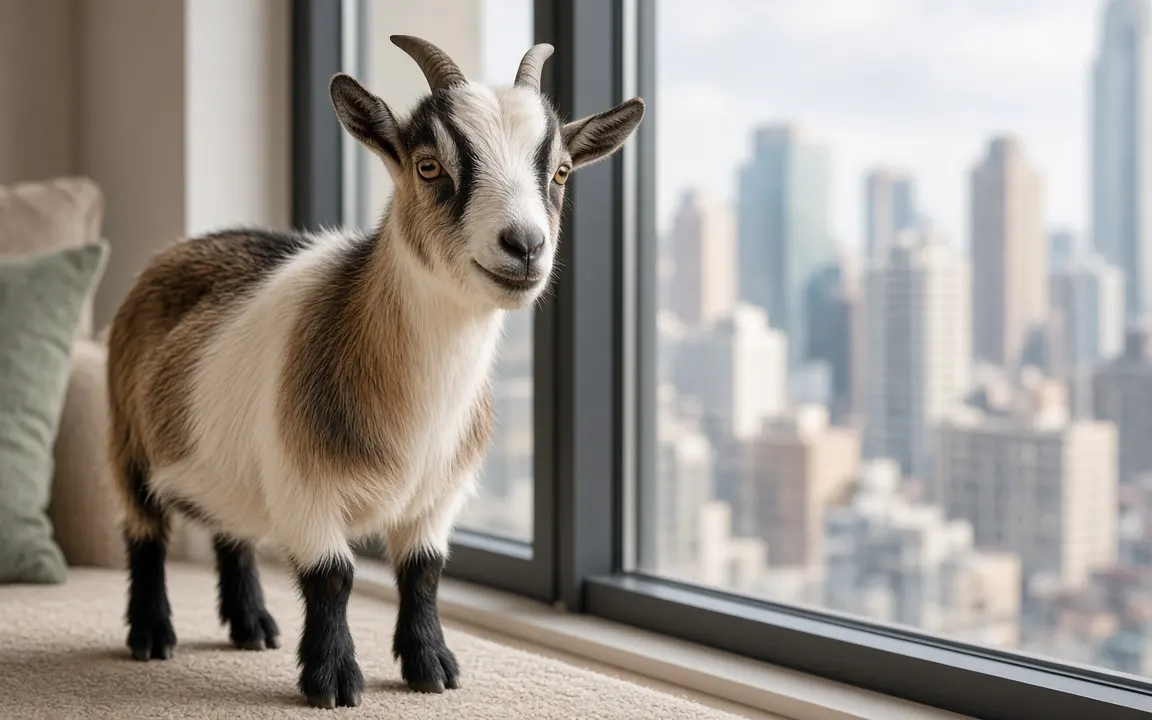
Adelaide, South Australia
Who can help with a goat, pig or sheep in Adelaide
South Australia has only a small number of providers able to cremate a horse, steer or large sanctuary animal individually, and farms outside the metro area often face long travel distances. Commercial stock usually goes to a knackery or is buried on the property where council rules allow. For a family animal, compare individual and communal cremation, ask what weight each provider can take, and get the total cost in writing.
Bushfire danger shapes large-animal care in the Adelaide Hills. On catastrophic fire days roads can close, and in a hot summer a horse, cow or alpaca that dies in a paddock needs to be moved or shaded within hours. Keeping the rest of the mob away and ringing your vet are the first things to do. Sort out collection contacts for older stock before summer, not during a heatwave.
Prices in Adelaide vary more between providers than they do in small towns, and farm species widen the gap. One crematory may quote a private cremation for your goat at a large-dog price; another may send you to an equine facility that charges by the pound. Ask for a written total that shows the cremation, collection, mileage and urn as separate lines, so you're comparing like with like.
About 1,387,000 people live in Adelaide.
71%[1]
Australian cremation rates hovered around 70-72% between 2020 and 2023, with Sydney and Melbourne often above 80%.
$600-$1,000[2]
Cremating a 1,000-pound horse was reported to cost about $600-$1,000, depending on location and the price of propane.
3-5% of body weight[3]
Embrace notes cremated remains typically weigh about 3-5% of the pet's original body weight.
The published sources behind those figures are Embrace Pet Insurance and Extension Horses (eXtension national Cooperative Extension).
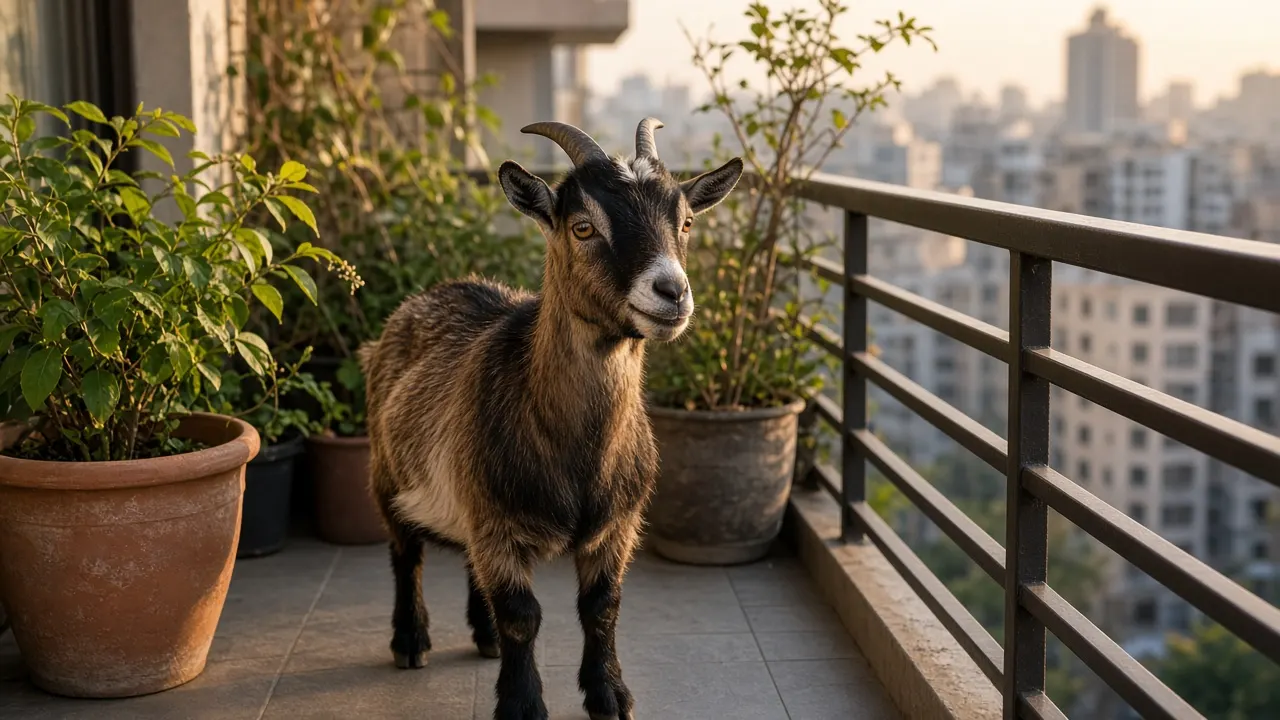
Burial, cremation and farm tradition in Australia
With 71%[1] of people in Australia now cremated, local crematories hear "we'd like the ashes back" every day. For a farm animal the harder part is logistics: a chamber that fits, a crew with lifting gear and someone willing to drive out to a paddock. Lead with those questions and the cultural side takes care of itself.
That Australia rate is a human one, published by FuneralSmart (2023). We quote it for Adelaide only as a pointer to how families here already think about cremation.
Adelaide weather and your animal's first hours
Local weather affects two things: how quickly your animal needs to be collected, and whether burying or scattering outdoors is practical. In cold months the ground may be frozen; in hot months speed matters more than anything. Your vet or provider in Adelaide will know the seasons, so ask what they'd do at this time of year.

Cremation, collection and the alternatives: costs in Adelaide
Many rural Australians and New Zealanders bury stock on their own land, where council and state rules allow. For a pet sheep, goat or pig you'd like to keep close, individual cremation is the alternative. Summer heat makes prompt collection important, so ask about after-hours fees and weight limits before you need them.
The full price table by size is on our South Australia page, and the services page explains what each option includes.

Free tool
Cremation cost calculator
Estimate a realistic price range for your pet's size, location and the type of cremation.
Before you bury or compost in South Australia
Composting is an approved route for dead stock in many places: in the 2014–2015 US bird flu outbreak it handled 85%[5] of poultry carcasses, according to the EPA. But it isn't allowed for every species everywhere, and a pile needs careful management. The pet-level picture for South Australia is below; check the livestock rules before you build one.
In Australia, sheep, goats and pigs need a property identification code and NLIS identification even when they're pets, so a death may need recording against your PIC. Burial on rural land is usually allowed under state and council rules, but many suburban councils restrict it. Unusual deaths can be reported to the Emergency Animal Disease Watch Hotline. Summer heat makes prompt collection important.
The rules that apply across South Australia (home burial, scattering and who oversees pet cremation) are summarized on our South Australia page. Adelaide may add its own conditions, so check with the city or county before digging.
If your animal dies today: a plan for Adelaide
- Stay safe first. A heavy animal is not a one-person lift, and dogs and children should be kept away until you've covered the body.
- Note the details your vet will ask for: its age, what signs you noticed lately, anything it was given, and whether others are off color.
- Decide on ashes or no ashes. Wanting them back means a private cremation; not wanting them opens up the cheaper, simpler routes of fallen-stock collection or communal cremation.
- Book collection or delivery and describe the ground: slope, mud, gates, distance from a hard track.
- Save a keepsake: the tag or bell, some feathers, fleece or a hoof trimming.
- Record the death in your books if the animal was tagged or on a register under livestock rules, to keep the paperwork tidy.
Ashes, fleece and memories on the farm
The Adelaide Hills rise just behind the city, and beyond them lie dairy farms on the Fleurieu Peninsula, vineyards and small holdings in the Barossa and McLaren Vale, and sheep country further north. Horses, alpacas, goats, pigs and cattle all live within an hour of the CBD. On a Hills property, tell providers about steep driveways, gravel roads and gate widths so they can bring the right vehicle.
go deeper with the guides or catch up on recent articles, or see how other readers answered in our polls, For a plain comparison of the choices, open services, use the free tools before you ring anyone. Every other community in South Australia, and all of Australia, is listed too.

Reader polls
What would you choose?
Vote anonymously and see how other readers answered. The results are live counts from people who visit this site, so they show real opinions, not a scientific sample.
Before today, did you know the burial rules for farm species where you live?
Tap an answer to vote and see how others answered. Anonymous.
Would you want your animal's own ashes returned?
Tap an answer to vote and see how others answered. Anonymous.
If you had to decide today, which aftercare would you choose for your pet?
Tap an answer to vote and see how others answered. Anonymous.

Free tools to help you plan
Cremation cost calculator
Estimate a realistic price range for your pet's size, location and the type of cremation.

Livestock mortality planner
Plan disposal capacity and costs for farm losses, from one animal to a herd.

Urn size calculator
Find the urn volume you need from your pet's weight, plus keepsake and sharing options.
Questions people ask
Is cremation common in Australia?
For people, yes: about 71%[1] of Australia deaths end in cremation, according to FuneralSmart (2023). Nobody publishes the same figure for pets, but in our experience pet choices in Adelaide follow the human pattern closely, so cremation is the default most families here start from.
Is there anywhere in Adelaide that takes a 200 lb pig or a llama?
In a metro like Adelaide, the pet crematories inside the city may stop well short of 200 lb, but equine and large-animal crematories on the rural fringe often take big pigs, llamas and donkeys. Ask your farm vet which one they use. Some charge by the pound, and delivering the animal yourself by trailer can lower the price.
How big an urn do I need for a goat or sheep?
Plan on roughly a cubic inch of capacity for every pound your animal weighed[6]. A 70 lb pygmy goat then needs around 70 cubic inches and a 140 lb ewe around 140, more than most standard pet urns hold. Scattering most of it? A scatter tube plus a small keepsake urn works well. Our urn size calculator will work out the numbers.
How much ash will I get back from a goat, sheep or hen?
Cremated remains are about 3-5% of body weight[3]. A 70 lb pygmy goat returns roughly two to three and a half pounds of ash; a 160 lb alpaca returns five to eight. A hen returns only a spoonful or two, so ask for a small container rather than a standard urn. The urn size calculator on our tools page can help.
Can two bonded goats or sheep be cremated together?
Some providers will do this if you ask, and return the mixed ashes in one urn. It isn't a standard private cremation, so make your instruction clear and check the paperwork says so. If one animal has died and the other is still alive, you can also keep the first one's ashes and ask for them to be combined later.
Can I be present for my goat or pig's cremation?
Some providers offer a witnessed cremation, where you can be there as it begins. Large-animal crematories may only run big animals on certain days, so ask early. If being present isn't possible, you can still hold a short goodbye at the farm gate before collection and send a halter or a handful of hay along.


Sources and our estimates
- [1] Australian cremation rates hovered around 70-72% between 2020 and 2023, with Sydney and Melbourne often above 80%. FuneralSmart, 2023.
- [2] Cremating a 1,000-pound horse was reported to cost about $600-$1,000, depending on location and the price of propane. Extension Horses (eXtension national Cooperative Extension) - Horse Disposal Options, 2019, 2019.
- [3] Embrace notes cremated remains typically weigh about 3-5% of the pet's original body weight. Embrace Pet Insurance - Bury or Cremate Your Dog? Costs, Pros & Cons, 2025.
- [4] Each HPAI-infected premises averaged about 102,814 affected birds (Feb 2022-Sep 2025). Our estimate: 179,000,000 / 1,741. How we calculate.
- [5] Composting was used for 85% of poultry carcasses in the 2014-2015 U.S. HPAI outbreak; EPA lists composting and permitted landfills as the preferred disposal methods. U.S. EPA - Carcass Management During Avian Influenza Outbreaks, 2015.
- [6] Using the industry rule of thumb of 1 cubic inch of urn space per pound of body weight, a 12 lb cat needs an urn of about 12 cubic inches; a 70 lb dog needs about 70 cubic inches. Our estimate: urn cu in = body weight lb x 1 (industry rule of thumb, not a measured value). How we calculate.
Find who takes farm species near you
Tell us what you need and where you are. We'll reply by email with clear options and prices so you can decide in your own time.