Farm Animal Cremation in South Australia
Whether it's a single backyard hen or a 180 lb alpaca, the questions are the same: is it legal to bury, who can collect, and can I have my own animal's ashes back? Here are the answers.
- What to do in the first few hours
- Disease reporting, explained plainly
- Keepsakes: fleece, feathers, halter
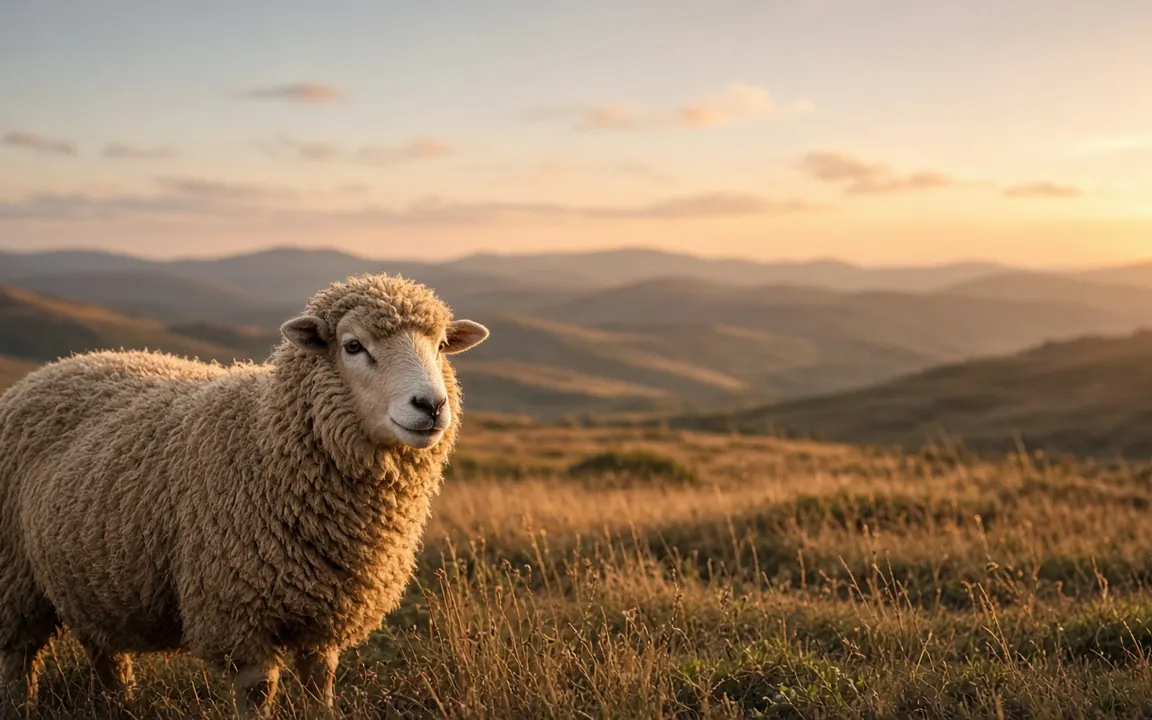
South Australia, Australia
Farm Animal Cremation in South Australia: what to know
Backyard poultry has become common in towns and suburbs throughout South Australia, and pet pigs and miniature goats have followed in some places. Local codes that allow them rarely say what to do when one dies, and many restrict livestock burial inside city limits. In practice, most town and suburban keepers use a pet crematory, or communal cremation for a single hen.
The rules for dead farm animals in South Australia were written for farms and water safety, not for a pet pig that sleeps by the stove. They usually set a time limit, a minimum burial depth and distances from wells and streams, and they apply whether you keep one goat or a hundred. Cremation fits inside all of them, which is one reason more hobby farmers choose it.
We cover 1 community in South Australia, from Adelaide.

Every South Australia community we cover
Choose your city or town for local prices, weather and timing, and rules. 1 communities in South Australia, largest first below.
Cremation rates in South Australia and your animal
Cremation is the norm for people in South Australia: about 71%[1] of those who die there are cremated. That familiarity helps a little with farm animals. Families here rarely need to explain why they'd like the ashes rather than a grave, and pet crematories are well established. The limit is capacity rather than attitude: fewer of them take animals over about 150 lb, so the choice for a big goat or pig can be narrower than the local culture suggests.
We take the South Australia percentage from FuneralSmart (2023). It refers to people; attitudes to cremating a pet tend to follow it.
Budgeting in South Australia for a pig, ewe or goat
The cheapest Australian communal cremations begin from AUD 80[2] for small pets, but a sheep, goat or pig sits well above that. Get two written quotes that name the species and weight. For heavier animals, some keepers around South Australia weigh an individual cremation against a licensed knackery, which returns nothing but costs far less.
Prices around South Australia depend mostly on weight and whether you want the ashes back. In New Zealand, an Auckland crematorium lists individual cremation at NZD 625 for a 70 to 95 kg animal, against NZD 215 for communal[3]. On a lifestyle block, ask whether the crew can reach the paddock or whether you'll need to bring the animal to the gate.
| Service | Published price | Notes |
|---|---|---|
| Individual cremation, 40 to 60 kg (Australian median) | AUD 624[4] | A big goat or young pig |
| Individual cremation, over 60 kg (Australian median) | AUD 650[4] | Larger animals often quoted individually |
| Communal cremation (Australia) | from AUD 80[2] | No ashes returned |
| Individual cremation, 70 to 95 kg (Auckland) | NZD 625[3] | Communal NZD 215 for the same weight |
The published sources behind those figures are Caring Cremations (Auckland) and Pet Farewell (Australia).

Free tool
Cremation cost calculator
Estimate a realistic price range for your pet's size, location and the type of cremation.
Livestock and pet rules in South Australia
If you rent your land or keep animals on someone else's property, the landowner's say matters as much as the law. Many tenancies and grazing agreements forbid burial, and a landlord may not want a compost pile either. Cremation needs nobody's permission. Here's the general picture for pets in South Australia; your lease may add conditions of its own.
In Australia, sheep, goats and pigs need a property identification code and NLIS identification even when they're pets, so a death may need recording against your PIC. Burial on rural land is usually allowed under state and council rules, but many suburban councils restrict it. Unusual deaths can be reported to the Emergency Animal Disease Watch Hotline. Summer heat makes prompt collection important.
- Burial at home: Confirm the rule for the actual parcel and proposed burial with the local authority and property owner.
- Scattering ashes: Ask the exact land manager about scattering before making arrangements; a general gathering permission is a separate matter.
- Who oversees it: the authority responsible for the specific activity and location; this guide does not identify a universal permit or licensing rule
- Worth knowing: Record the service method, release authority, identification and return instructions in writing.
A city's population does not establish which aftercare activities are allowed at an address. Check the actual site and activity before proceeding.
A practical checklist for smallholders in South Australia
- Check the time. When it's warm, try to get the animal picked up or dropped off before the day is out, because ruminants swell fast.
- Lay the body on a tarp you can drag, with the head slightly raised if possible. It makes loading far easier later.
- Call a vet if more than one animal has died or anything seems unusual, especially in a backyard flock or a pig.
- Ring providers with the species, weight and your location. Find out the chamber size, what lifting equipment they have and how far they'll travel.
- Get the price in writing, and make sure it covers mileage, out-of-hours fees and any winch charge.
- Watch the others. Goats, alpacas and donkeys may call or pace for days. Keep routines steady and give the closest companion extra time.
Ways to remember a farm companion
Many smallholders scatter ashes where the animal lived: along the fence line it leaned on, under the tree it stripped every spring, in the corner of the paddock where it lay in the sun. Scattering on your own land is generally allowed even where burial isn't. Keep a little back in a keepsake urn if the family would like something in the house.
Next: see what each choice includes on services, run your own numbers in the tools, check the poll results, or pick another area from all locations.

Reader polls
What would you choose?
Vote anonymously and see how other readers answered. The results are live counts from people who visit this site, so they show real opinions, not a scientific sample.
How do you think of the animal you've lost, or are about to lose?
Tap an answer to vote and see how others answered. Anonymous.
Would you want your animal's own ashes returned?
Tap an answer to vote and see how others answered. Anonymous.
If you had to decide today, which aftercare would you choose for your pet?
Tap an answer to vote and see how others answered. Anonymous.

Free tools to help you plan
Cremation cost calculator
Estimate a realistic price range for your pet's size, location and the type of cremation.

Livestock mortality planner
Plan disposal capacity and costs for farm losses, from one animal to a herd.

Urn size calculator
Find the urn volume you need from your pet's weight, plus keepsake and sharing options.
Questions people ask
Where in South Australia is farm animal cremation hardest to arrange?
Usually in the most rural areas, where crematories that accept large animals are furthest away and collection charges climb with every mile. Keepers there often deliver the animal themselves by trailer, or split a pickup with a neighbor. Ask any provider where their collection radius ends before you need them.
Why won't the pet crematory take my animal?
Usually because of weight or species. Many pet crematories are built for dogs and cats and cap weight at around 100 to 150 lb, or don't take pigs or ruminants at all. Equine and large-animal crematories take heavier animals. Ask the first provider who they'd recommend; they usually know.
Can I bury a pet goat, sheep or pig on my land in South Australia?
It depends on the species and the local rules. Many places allow burial of livestock on your own land with conditions on depth, distance from wells and water, and timing; some ban it for farmed species altogether, and cities often restrict it within their limits. If your animal was euthanized, deep burial or cremation protects wildlife.
Is farm animal cremation common in South Australia?
For people, about 71%[1] of deaths in South Australia end in cremation. For farm animals, burial and fallen-stock collection are still the traditional routes, but more families choose private cremation for the goats, pigs, sheep and alpacas they've named, especially in towns and on hobby farms near the cities.
What should I keep ready in South Australia if I have older goats or sheep?
A tarp big enough to drag the animal, gloves, a sheet or feed sacks to cover it, contact details for a large-animal crematory that will accept your animals, and a note of your wishes: private or communal, and any keepsake. In a hot spell or a hard freeze, that preparation saves hours.
What should I do if a farm animal dies in the heat?
Move the body into deep shade or a cool barn, lay it on straw or a tarp and cover it loosely. Put ice along the belly if collection is delayed. In hot parts of South Australia, such as South Australia where summer highs average about °F, same-day collection or delivery is the safest plan.

Sources and our estimates
- [1] Australian cremation rates hovered around 70-72% between 2020 and 2023, with Sydney and Melbourne often above 80%. FuneralSmart, 2023.
- [2] Australian communal cremation starts from about AUD 80 at the industry low end. Pet Farewell (Australia) - Pet Cremation Cost Australia (2026), 2026.
- [3] The same Auckland provider lists individual cremation at NZD 625 and communal at NZD 215 for a 70-95 kg dog, and NZD 305 vs NZD 55 for a 2-7 kg pet. Caring Cremations (Auckland) - Pet cremation prices, 2026.
- [4] Median Australian individual cremation price for 40-60 kg dogs is AUD 624 and for dogs over 60 kg AUD 650. Pet Farewell (Australia) - Pet Cremation Cost Australia (2026), 2026.
- [5] Composting a 1,400 lb dairy cow would need roughly 14-16.8 cubic yards of cover material. Our estimate: 1.4 x (10 to 12 cu yd per 1,000 lb). How we calculate.
Tell us about your goat, sheep, pig or bird
Tell us what you need and where you are. We'll reply by email with clear options and prices so you can decide in your own time.