Farm Animal Cremation in New South Wales
Your goat, sheep or pig is family, but the law usually files it under livestock. Here's what that means locally, who will take an animal this size and what it costs to bring the ashes home.
- Help for backyard flocks and pet pigs
- Heat, bloat and timing advice
- Options that keep your animal's ashes
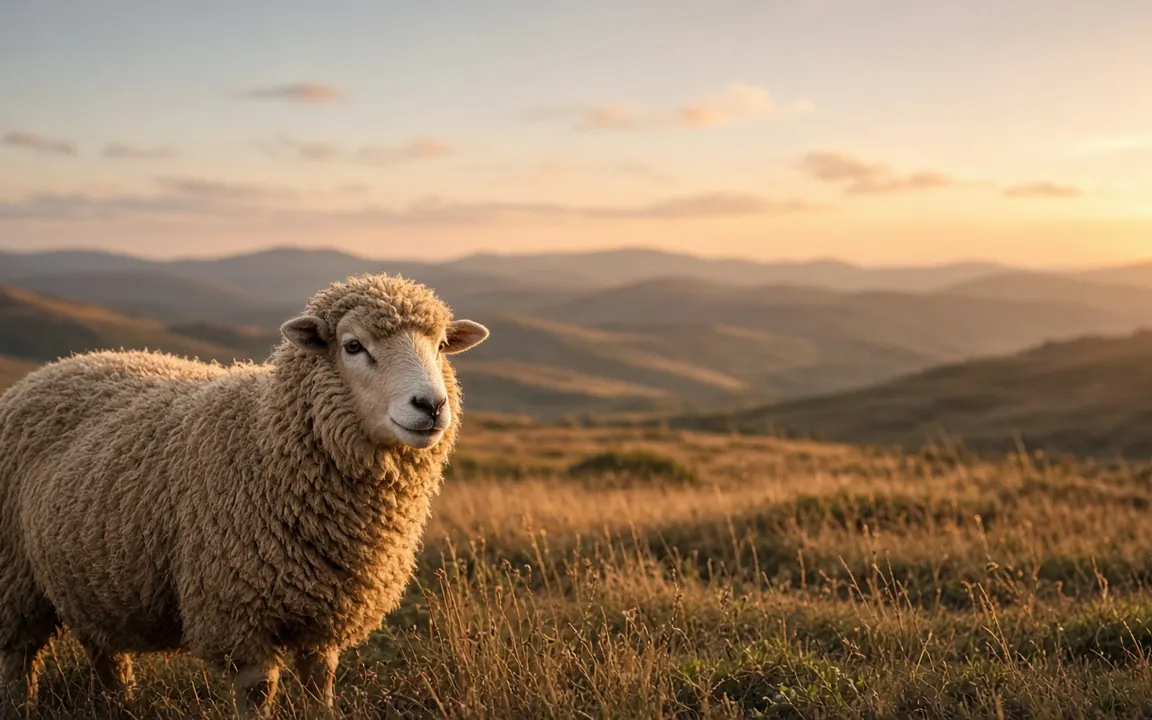
New South Wales, Australia
Farm Animal Cremation in New South Wales: what to know
For many families in New South Wales, the choice after a farm animal dies comes down to four routes: private cremation with ashes back, communal cremation, fallen-stock collection or rendering, and burial or composting where allowed. Only the first brings anything home. The right answer depends on the species, the rules where you live and what feels right for an animal you named.
Backyard poultry has become common in towns and suburbs throughout New South Wales, and pet pigs and miniature goats have followed in some places. Local codes that allow them rarely say what to do when one dies, and many restrict livestock burial inside city limits. In practice, most town and suburban keepers use a pet crematory, or communal cremation for a single hen.
We cover 9 communities in New South Wales, from Sydney, Newcastle and Wollongong to smaller towns.

Every New South Wales community we cover
Choose your city or town for local prices, weather and timing, and rules. 9 communities in New South Wales, largest first below.
The local attitude to cremation
Since cremation accounts for around 71%[1] of human deaths in New South Wales, relatives and neighbors are unlikely to find it strange that you want your pig's or alpaca's ashes. What may surprise them is the bill: a heavy animal is priced by weight, and collection from a farm adds more. Settle the budget early, and the decision is yours alone.
Source for the New South Wales figure: FuneralSmart (2023). It describes human funerals and is here as context, not as a count of pets.
Prices by weight for goats, sheep, pigs and birds
Australian pet crematoria price by weight, and the top bands fit most farm pets. A provider survey puts the median individual cremation at about AUD 624 for a 40 to 60 kg pet and AUD 650 above 60 kg[2], while communal cremation starts from AUD 80[3]. A big wether or a mature pig may be quoted individually, and farm collection is usually extra.
Many rural Australians and New Zealanders bury stock on their own land, where council and state rules allow. For a pet sheep, goat or pig you'd like to keep close, individual cremation is the alternative. Summer heat makes prompt collection important, so ask about after-hours fees and weight limits before you need them.
| Service | Published price | Notes |
|---|---|---|
| Individual cremation, 40 to 60 kg (Australian median) | AUD 624[2] | A big goat or young pig |
| Individual cremation, over 60 kg (Australian median) | AUD 650[2] | Larger animals often quoted individually |
| Communal cremation (Australia) | from AUD 80[3] | No ashes returned |
| Individual cremation, 70 to 95 kg (Auckland) | NZD 625[4] | Communal NZD 215 for the same weight |
If a number here surprises you, the primary material is Pet Farewell (Australia) and Caring Cremations (Auckland); we only apply it to this.

Free tool
Cremation cost calculator
Estimate a realistic price range for your pet's size, location and the type of cremation.
Rules worth knowing in New South Wales
The rules for a dead goat, sheep, pig or backyard bird usually come from livestock and animal-health law, not from the pet rules most people have heard of. That can close options a dog owner takes for granted. The general pet notes for New South Wales below are a starting point; for farm species, also check your state or national guidance on dead livestock before you bury or compost.
In Australia, sheep, goats and pigs need a property identification code and NLIS identification even when they're pets, so a death may need recording against your PIC. Burial on rural land is usually allowed under state and council rules, but many suburban councils restrict it. Unusual deaths can be reported to the Emergency Animal Disease Watch Hotline. Summer heat makes prompt collection important.
- Burial at home: Confirm the rule for the actual parcel and proposed burial with the local authority and property owner.
- Scattering ashes: Ask the exact land manager about scattering before making arrangements; a general gathering permission is a separate matter.
- Who oversees it: the authority responsible for the specific activity and location; this guide does not identify a universal permit or licensing rule
- Worth knowing: Record the service method, release authority, identification and return instructions in writing.
A city's population does not establish which aftercare activities are allowed at an address. Check the actual site and activity before proceeding.
The first day, step by step
- Move the body into shade, a cool barn or a shed, set it on its side over straw or a tarp, and drape something loose over it against flies. Never wrap it tightly in plastic.
- Keep the rest of the herd or flock calm. Let a bonded companion see and sniff the body for a few minutes if it seems to help, then move it out of sight.
- Call your vet if the death was sudden or unexplained. Some diseases in pigs, poultry, sheep and goats must be reported before anything else happens.
- Decide whether you want your animal's own ashes. That one choice decides which providers can help: private cremation, communal cremation or fallen-stock collection.
- Weigh or estimate the weight honestly, then state it alongside the species as soon as you ring. Plenty of pet crematories set a limit far under what an adult pig or goat weighs.
- Ask for a written total covering cremation, collection, mileage and the urn before anyone sets off.
- Take keepsakes before collection: a lock of fleece, a few feathers, the halter or collar, an ear tag.
Ways to remember a farm companion
Keeping ashes at home is the most common choice, and there's no time limit. When you're ready, you might scatter them on the anniversary, share a little with a family member who helped with the animal, or bury them in the paddock once the ground allows. There's no wrong order to do these things in.
The services page compares what each option includes, the planning tools turn your animal's details into figures, and the poll results show what other families chose. All locations lists every region we cover.

Reader polls
What would you choose?
Vote anonymously and see how other readers answered. The results are live counts from people who visit this site, so they show real opinions, not a scientific sample.
How do you think of the animal you've lost, or are about to lose?
Tap an answer to vote and see how others answered. Anonymous.
Would you want your animal's own ashes returned?
Tap an answer to vote and see how others answered. Anonymous.
If you had to decide today, which aftercare would you choose for your pet?
Tap an answer to vote and see how others answered. Anonymous.

Free tools to help you plan
Cremation cost calculator
Estimate a realistic price range for your pet's size, location and the type of cremation.

Livestock mortality planner
Plan disposal capacity and costs for farm losses, from one animal to a herd.

Urn size calculator
Find the urn volume you need from your pet's weight, plus keepsake and sharing options.
Questions people ask
Do the rules in New South Wales treat a pet pig differently from a farm pig?
Usually not. Animal-health and disposal rules tend to follow the species rather than the reason you keep it, so a pot-bellied pig that lives in the house is generally covered by the same rules as a commercial one. That can limit burial and composting. Cremation is allowed for both.
How many communities do you cover in New South Wales?
We currently have local farm animal aftercare guides for 9 communities in New South Wales, including Sydney, Newcastle and Wollongong. Each page covers local weather and timing, prices by weight, the rules for burial and composting, and how collection usually works there.
Why won't the pet crematory take my animal?
Usually because of weight or species. Many pet crematories are built for dogs and cats and cap weight at around 100 to 150 lb, or don't take pigs or ruminants at all. Equine and large-animal crematories take heavier animals. Ask the first provider who they'd recommend; they usually know.
Do I need to report the death of a backyard chicken or pig in New South Wales?
Not usually for a single death with an obvious cause. Unexplained deaths, especially several birds or pigs in a short time, should be reported to your vet or animal health authority, because some diseases in poultry, pigs, sheep and goats are notifiable. Don't move or bury the animals until you've asked.
What should I keep ready in New South Wales if I have older goats or sheep?
A tarp big enough to drag the animal, gloves, a sheet or feed sacks to cover it, contact details for a large-animal crematory that will accept your animals, and a note of your wishes: private or communal, and any keepsake. In a hot spell or a hard freeze, that preparation saves hours.
Can I bury a pet goat, sheep or pig on my land in New South Wales?
It depends on the species and the local rules. Many places allow burial of livestock on your own land with conditions on depth, distance from wells and water, and timing; some ban it for farmed species altogether, and cities often restrict it within their limits. If your animal was euthanized, deep burial or cremation protects wildlife.

Sources and our estimates
- [1] Australian cremation rates hovered around 70-72% between 2020 and 2023, with Sydney and Melbourne often above 80%. FuneralSmart, 2023.
- [2] Median Australian individual cremation price for 40-60 kg dogs is AUD 624 and for dogs over 60 kg AUD 650. Pet Farewell (Australia) - Pet Cremation Cost Australia (2026), 2026.
- [3] Australian communal cremation starts from about AUD 80 at the industry low end. Pet Farewell (Australia) - Pet Cremation Cost Australia (2026), 2026.
- [4] The same Auckland provider lists individual cremation at NZD 625 and communal at NZD 215 for a 70-95 kg dog, and NZD 305 vs NZD 55 for a 2-7 kg pet. Caring Cremations (Auckland) - Pet cremation prices, 2026.
- [5] Composting a 1,400 lb dairy cow would need roughly 14-16.8 cubic yards of cover material. Our estimate: 1.4 x (10 to 12 cu yd per 1,000 lb). How we calculate.
Find who takes farm species near you
Tell us what you need and where you are. We'll reply by email with clear options and prices so you can decide in your own time.