Farm Animal Cremation in Wales
Losing a named goat, ewe or kunekune hurts, and the paperwork of livestock rules on top of that can feel cold. We explain the options in plain English and can email you local choices.
- Help for backyard flocks and pet pigs
- Heat, bloat and timing advice
- Options that keep your animal's ashes
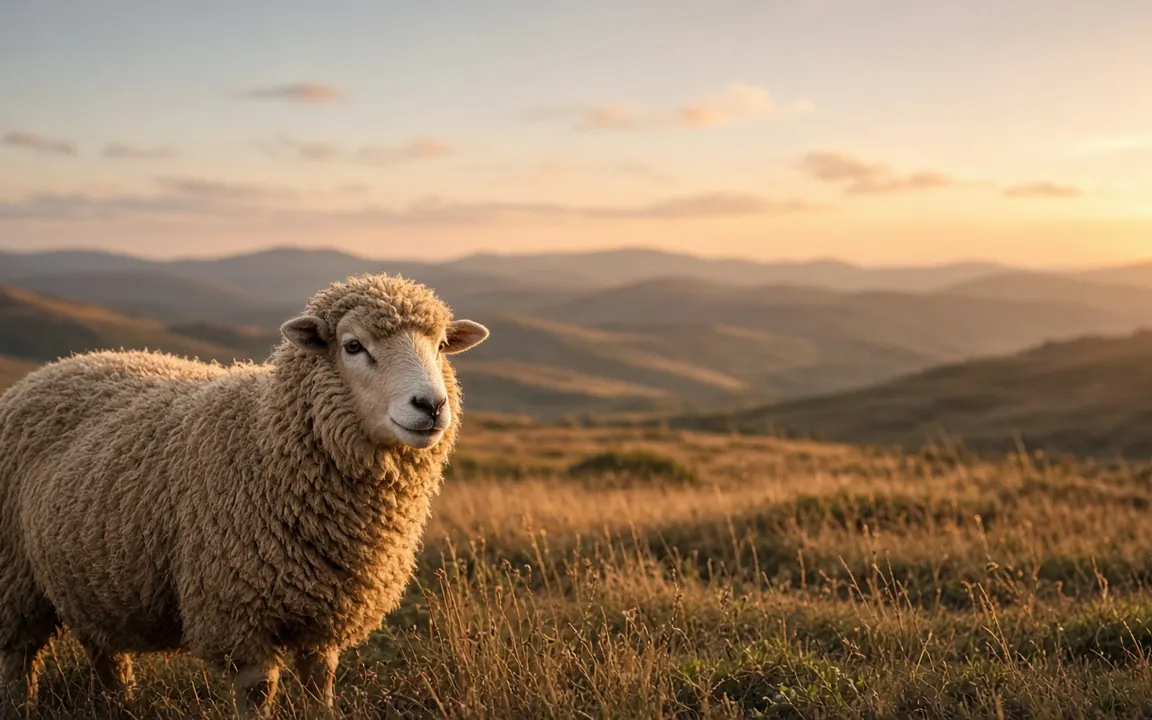
Wales, the United Kingdom
Farm Animal Cremation in Wales: what to know
Farm animal aftercare throughout Wales depends on three things more than anything else: the species, its weight and how far you are from a crematory that will take it. A pet crematory in one of the larger cities may accept a pygmy goat or a few hens without fuss, while a 200 lb kunekune or a llama may need an equine or large-animal facility some distance away. Livestock rules apply to pet goats, sheep and pigs as well as herds.
Hobby farms and backyard flocks are spread right throughout Wales, from the metro fringe to deep countryside. The difference in aftercare between the two is mostly distance. Near the cities there are more crematories, but many cap weight well below a grown goat or pig. In rural areas, burial and fallen-stock collection are the traditional routes, and cremation may mean a trailer ride to a larger centre.
We cover 2 communities in Wales, from Cardiff and Swansea.

Every Wales community we cover
Choose your city or town for local prices, weather and timing, and rules. 2 communities in Wales, largest first below.
How Wales thinks about cremation
In Wales, where roughly 80.46%[1] of people are cremated, scattering is a familiar idea, and that suits smallholders. Many local keepers take a goat's or sheep's ashes back out to the paddock rather than keeping them indoors. On your own land scattering generally needs no permit, which makes it an easy tradition to adopt even if you'd never bury stock.
Source for the Wales figure: Cremation Society of Great Britain, Progress of Cremation 1885-2025 (2025). It describes human funerals and is here as context, not as a count of pets.
Prices by weight for goats, sheep, pigs and birds
Buying through the vet is the norm in the UK: by our estimate roughly half of owners whose pet dies buy a cremation that way[2], and only about 6 in 100 compare providers[3]. For a pig or sheep near Wales, calling crematoria directly pays off, because not every practice's partner crematorium takes farm species, and weight bands differ.
When fallen stock needs BSE testing in the UK, the collector must be contacted within 24 hours of death and the animal delivered for sampling within 72 hours[4] (GOV.UK fallen stock guidance). If your vet says testing applies to your sheep or goat, ask how it fits with an individual cremation before booking one, because the order matters and adds cost.
| Route | Published reference | What comes back |
|---|---|---|
| Individual cremation, largest pet band (large vet groups) | GBP 313.30[5] median for an extra-large dog | Your animal's ashes |
| Individual cremation, independent crematoria | £275 published for an extra-large dog[6] | Your animal's ashes |
| Communal cremation | Typically 2x to 5x cheaper[7] than individual | Nothing |
| Knacker or fallen-stock collector | Quoted by the collector for your area | Nothing |
| Source | CMA veterinary services market investigation | Few crematoria publish goat, sheep or pig prices; expect quotes above these |

Free tool
Cremation cost calculator
Estimate a realistic price range for your pet's size, location and the type of cremation.
Burial, composting and reporting rules in Wales
Composting is an approved route for dead stock in many places: in the 2014–2015 US bird flu outbreak it handled 85%[9] of poultry carcasses, according to the EPA. But it isn't allowed for every species everywhere, and a pile needs careful management. The pet-level picture for Wales is below; check the livestock rules before you build one.
In England, pet pigs, sheep and goats are still farmed animals in law, and the rules include a ban on livestock burial[10] on the holding, so burying them in the garden is generally not allowed; horses are the notable exception. England recognises 5 approved routes[11] for fallen stock, from knackers to incinerators, and most small keepers book collection through the National Fallen Stock Company scheme. If you want your animal's ashes, ask a pet crematorium whether it accepts your species and weight.
- Burial at home: Confirm the rule for the actual parcel and proposed burial with the local authority and property owner.
- Scattering ashes: Ask the exact land manager about scattering before making arrangements; a general gathering permission is a separate matter.
- Who oversees it: the authority responsible for the specific activity and location; this guide does not identify a universal permit or licensing rule
- Worth knowing: Record the service method, release authority, identification and return instructions in writing.
A city's population does not establish which aftercare activities are allowed at an address. Check the actual site and activity before proceeding.
Step by step, from the field to the ashes
- Move the body into shade or a cool barn, lay it on its side on straw or a tarp and cover it loosely against flies. Don't seal it in plastic.
- Keep the rest of the herd or flock calm. A close companion can have a few minutes to look at and sniff the body if that seems to settle it, then take it where the others can't see.
- Call your vet if the death was sudden or unexplained. Some diseases in pigs, poultry, sheep and goats must be reported before anything else happens.
- Decide whether you want your animal's own ashes. That one choice decides which providers can help: private cremation, communal cremation or fallen-stock collection.
- Weigh or estimate the weight honestly and give it with the species on the first call. Many pet crematories cap weight well below a grown goat or pig.
- Ask for a written total covering cremation, collection, mileage and the urn before anyone sets off.
- Take keepsakes before collection: a lock of fleece, a few feathers, the halter or collar, an ear tag.
Memorials that fit a smallholding
Some families keep a record rather than an object: a page in the flock book with the animal's dates, parents and oddest habits, or a photo of the ear tag beside the first picture of them as a kid or lamb. Breeders sometimes give the next generation a favorite dam's name. These are quiet memorials, but they suit the way farm animals belong to a longer story.
The services page compares what each option includes, the planning tools turn your animal's details into figures, and the poll results show what other families chose. All locations lists every region we cover.

Reader polls
What would you choose?
Vote anonymously and see how other readers answered. The results are live counts from people who visit this site, so they show real opinions, not a scientific sample.
Before today, did you know the burial rules for farm species where you live?
Tap an answer to vote and see how others answered. Anonymous.
What was (or would be) hardest about the practical side?
Tap an answer to vote and see how others answered. Anonymous.
If you had to decide today, which aftercare would you choose for your pet?
Tap an answer to vote and see how others answered. Anonymous.

Free tools to help you plan
Cremation cost calculator
Estimate a realistic price range for your pet's size, location and the type of cremation.

Livestock mortality planner
Plan disposal capacity and costs for farm losses, from one animal to a herd.

Urn size calculator
Find the urn volume you need from your pet's weight, plus keepsake and sharing options.
Questions people ask
Can I get a quote for farm animal cremation in Wales before my animal dies?
Yes, and it's a good idea for older stock. Call a provider with the species, an honest weight and your address, and ask for a written estimate covering cremation, collection and the urn. Most are glad to answer. You can also send us a request and we'll reply by email with options that serve your area.
Do the rules in Wales treat a pet pig differently from a farm pig?
Usually not. Animal-health and disposal rules tend to follow the species rather than the reason you keep it, so a pot-bellied pig that lives in the house is generally covered by the same rules as a commercial one. That can limit burial and composting. Cremation is allowed for both.
Can I bury a pet pig or sheep at home in Wales?
In England, generally no: pet pigs, sheep and goats count as farmed animals, and burying or burning fallen stock on the holding is banned. Horses, and in practice donkeys, are the exception. The lawful routes are a pet crematorium that takes farm species, an incinerator or a fallen-stock collector.
How quickly does a dead farm animal need to be dealt with in Wales?
Many rules set a time limit, often a day or two after death, and warm weather shortens the practical window further because goats, sheep and alpacas bloat quickly. Keep the body shaded and loosely covered and arrange collection or delivery the same day if you can.
Why won't the pet crematory take my animal?
Usually because of weight or species. Many pet crematories are built for dogs and cats and cap weight at around 100 to 150 lb, or don't take pigs or ruminants at all. Equine and large-animal crematories take heavier animals. Ask the first provider who they'd recommend; they usually know.
Where in Wales is farm animal cremation hardest to arrange?
Usually in the most rural areas, where crematories that accept large animals are furthest away and collection charges climb with every mile. Keepers there often deliver the animal themselves by trailer, or split a pickup with a neighbor. Ask any provider where their collection radius ends before you need them.

Sources and our estimates
- [1] In 2025, 80.46% of deaths in the British Islands were cremated, with 335 crematoria operating. Cremation Society of Great Britain, Progress of Cremation 1885-2025, 2025.
- [2] About 52% of all UK owners whose pet dies end up buying a cremation through, or on the recommendation of, their vet. Our estimate: 67% cremate x 78% buy via vet/OOH or vet recommendation = 52.3%. How we calculate.
- [3] Only about 6% of all bereaved UK pet owners compare cremation providers before buying. Our estimate: 67% cremate x 9% compared = 6.0%. How we calculate.
- [4] In the UK, when fallen stock needs BSE testing, the collector must be contacted within 24 hours of death and the animal delivered to an approved sampling site within 72 hours. GOV.UK (Defra/APHA) - Fallen stock guidance, 2024.
- [5] Average of UK large vet groups' median individual cremation prices: GBP 313.30 for an extra-large dog. UK Competition and Markets Authority - Final report Appendix K: Cremations pricing, mark-ups and costs (24 Mar 2026), 2024.
- [6] Published individual cremation prices at UK independent crematoria (CMA desktop review): GBP 182.50 small dog, GBP 208.50 medium, GBP 240 large, GBP 275 extra-large, GBP 160 cat. UK Competition and Markets Authority - Final report Appendix K: Cremations pricing, mark-ups and costs (24 Mar 2026), 2025.
- [7] The CMA found communal cremations are two to five times cheaper than the individual equivalent for the same pet weight. UK Competition and Markets Authority - Final report Appendix K: Cremations pricing, mark-ups and costs (24 Mar 2026), 2026.
- [8] About 10,630 U.S. cattle and calves died every day in 2015. Our estimate: 3,880,000 / 365. How we calculate.
- [9] Composting was used for 85% of poultry carcasses in the 2014-2015 U.S. HPAI outbreak; EPA lists composting and permitted landfills as the preferred disposal methods. U.S. EPA - Carcass Management During Avian Influenza Outbreaks, 2015.
- [10] England bans the burial or open burning of fallen farm stock, but pet animals may be buried, and England (unlike Scotland and Wales) allows burial of both pet and non-pet horses. GOV.UK (Defra/APHA) - Fallen stock guidance, 2024.
- [11] England's approved routes for fallen stock are knackers, hunt kennels, maggot farms, incinerators and renderers; the not-for-profit National Fallen Stock Company runs collections for farmers and horse owners. GOV.UK (Defra/APHA) - Fallen stock guidance, 2024.
Find who takes farm species near you
Tell us what you need and where you are. We'll reply by email with clear options and prices so you can decide in your own time.