Cremation for goats, sheep and pigs in Auckland
Losing a named goat, ewe or kunekune hurts, and the paperwork of livestock rules on top of that can feel cold. We explain the options in plain English and can email you local choices.
- Help for backyard flocks and pet pigs
- Heat, bloat and timing advice
- Options that keep your animal's ashes
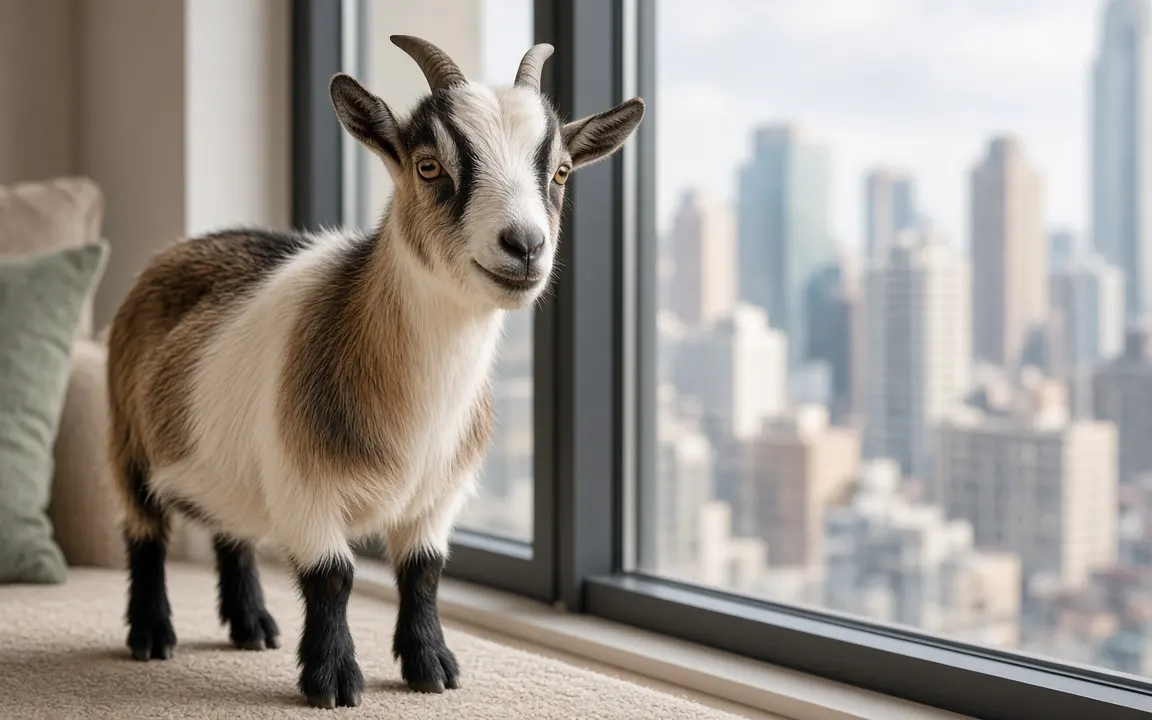
Auckland, New Zealand
Where farm species go after a death near Auckland
Auckland's wet winters can turn paddocks and farm tracks to mud, making it hard for a collection truck to reach a large animal. It helps if you can say whether a neighbour's tractor or a farm bike could drag the animal to firmer ground near the gate. In summer, humid warmth means a cow, horse or sheep that dies in a paddock needs attention quickly. Plan ahead for older animals.
Beyond the urban area, Auckland quickly gives way to lifestyle blocks and farms. The rural north around Kumeu and Helensville, the Clevedon valley to the east, and Karaka and the Franklin district to the south are home to horses, sheep, beef cattle, alpacas and pet pigs, as well as a few animal sanctuaries. On a lifestyle block, the practical questions are how far the provider will travel and whether a truck can get down your race or driveway.
If your animal lives on a small acreage at the edge of Auckland, you're in the in-between zone: too rural for the pet crematory's usual van, too suburban for the renderer's truck to bother with one goat. Ask each provider exactly where their collection radius ends and what they charge past it. Delivering the animal yourself, in a pickup bed or on a small trailer, can take a big line off the bill.
About 1,657,000 people live in Auckland.
69%[1]
69% of bodies in New Zealand were cremated in 2023, per the Funeral Directors Association of NZ.
$600-$1,000[2]
Cremating a 1,000-pound horse was reported to cost about $600-$1,000, depending on location and the price of propane.
3-5% of body weight[3]
Embrace notes cremated remains typically weigh about 3-5% of the pet's original body weight.
We built the this numbers from Extension Horses (eXtension national Cooperative Extension) and Embrace Pet Insurance, and both are worth a look if you want the detail.
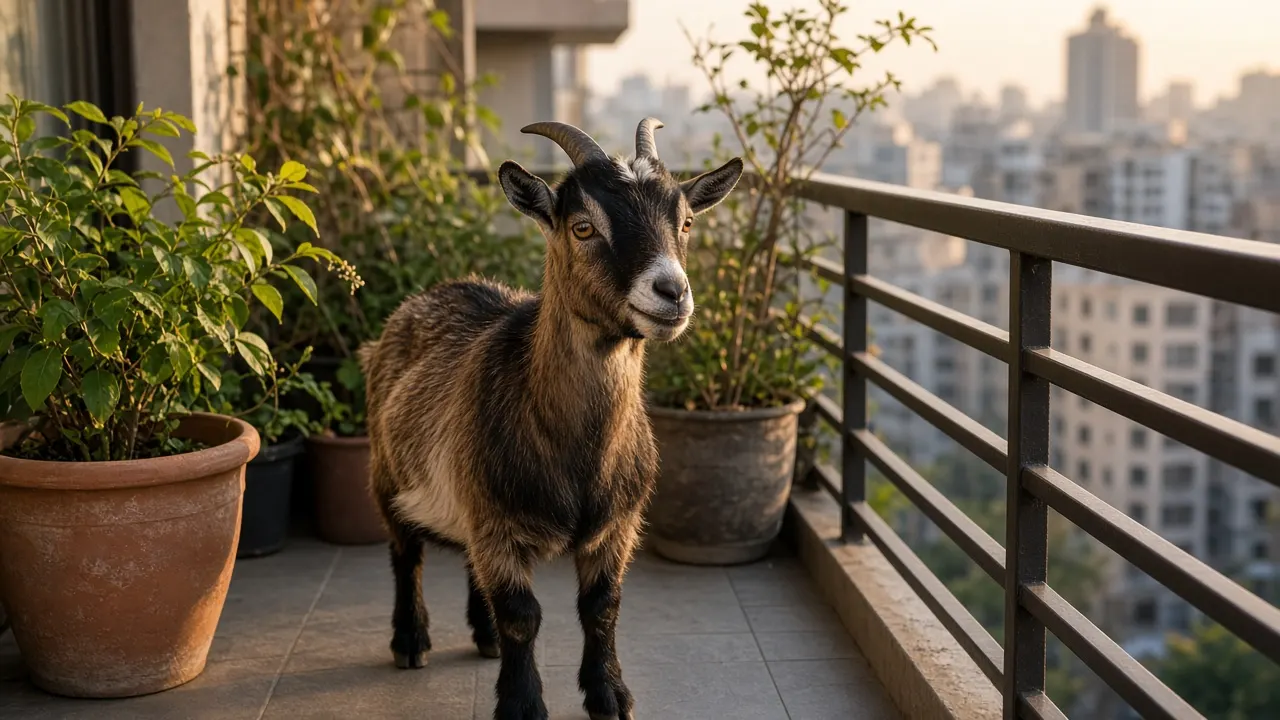
Cremation habits in New Zealand, and what they mean for your animal
Cremation is now the majority choice for people in New Zealand, at about 69%[1], but burial still has deep roots, especially in farming country. You'll find both traditions among smallholders. Neither is more proper than the other for a goat or sheep; what matters is what the rules allow for that species on your land and what feels right to you.
That New Zealand rate is a human one, published by The Spinoff, citing FDANZ 2023 Funeral Industry Trends Report (2023). We quote it for Auckland only as a pointer to how families here already think about cremation.
Auckland weather and your animal's first hours
Weather matters for the living animals too. Heat stress hits pigs and heavily fleeced animals hard, and cold snaps are tough on old goats and young stock. If a death comes during extreme weather, check the rest of the herd or flock, and call your vet if more than one animal seems unwell.

How much to budget in Auckland
On a lifestyle block or hobby farm near Auckland, the nearest crematorium that takes large animals can be a long drive, and some rural operators charge collection as a flat fee by zone. Ask which zone your property falls in. If you can bring the animal in on a ute or trailer, many will reduce or drop the pickup charge.
Prices for Auckland track the wider New Zealand market, so use the New Zealand price table as your baseline and the services page to see what is included.

Free tool
Cremation cost calculator
Estimate a realistic price range for your pet's size, location and the type of cremation.
Livestock law and pet rules in New Zealand
Before you dig anything for a pig, alpaca, goat or sheep, it helps to know who writes the rules. Usually it's the agriculture or environment authority rather than the local pet bylaws, because the worry is groundwater and disease moving between farms. The New Zealand notes below cover pets generally; your vet or a farm advisory service can confirm what livestock rules add on top.
In New Zealand, burial of stock on a lifestyle block is common where the regional and district council rules allow it, often with setbacks from waterways and bores. Urban councils may restrict both keeping and burying livestock. Pet crematoria in the main centres take smaller goats, sheep and pigs; ask about weight limits and whether they'll collect from a rural property.
What to do when a farm animal dies in Auckland
- Move the body into shade, a cool barn or a shed, set it on its side over straw or a tarp, and drape something loose over it against flies. Never wrap it tightly in plastic.
- Keep the rest of the herd or flock calm. A close companion can have a few minutes to look at and sniff the body if that seems to settle it, then take it where the others can't see.
- Call your vet if the death was sudden or unexplained. Some diseases in pigs, poultry, sheep and goats must be reported before anything else happens.
- Decide whether you want your animal's own ashes. That one choice decides which providers can help: private cremation, communal cremation or fallen-stock collection.
- Weigh or estimate the weight honestly and give it with the species on the first call. Many pet crematories cap weight well below a grown goat or pig.
- Ask for a written total that bundles the cremation, pickup, mileage and urn, and have it before any vehicle leaves.
- Take keepsakes before collection: a lock of fleece, a few feathers, the halter or collar, an ear tag.
Ashes, fleece and memories on the farm
Individual cremation of a horse or larger farm animal is available in New Zealand, but facilities are limited and may be some distance from your property. On larger blocks, burial on your own land is common, subject to regional council rules on waterways and groundwater, and commercial stock is often handled through a knackery. Ask each provider to explain cremation, burial and collection options, and to put the total cost in writing.
Every option Auckland families choose between is on the services page, the planning tools turn your pet's details into figures, go deeper with the guides or catch up on recent articles, or compare your instinct with the poll results. More local pages: the New Zealand overview and every city in New Zealand.

Reader polls
What would you choose?
Vote anonymously and see how other readers answered. The results are live counts from people who visit this site, so they show real opinions, not a scientific sample.
Before today, did you know the burial rules for farm species where you live?
Tap an answer to vote and see how others answered. Anonymous.
How do you think of the animal you've lost, or are about to lose?
Tap an answer to vote and see how others answered. Anonymous.
If you had to decide today, which aftercare would you choose for your pet?
Tap an answer to vote and see how others answered. Anonymous.

Free tools to help you plan
Cremation cost calculator
Estimate a realistic price range for your pet's size, location and the type of cremation.

Livestock mortality planner
Plan disposal capacity and costs for farm losses, from one animal to a herd.

Urn size calculator
Find the urn volume you need from your pet's weight, plus keepsake and sharing options.
Questions people ask
Is cremation common in New Zealand?
For people, yes: about 69%[1] of New Zealand deaths end in cremation, according to The Spinoff, citing FDANZ 2023 Funeral Industry Trends Report (2023). Nobody publishes the same figure for pets, but in our experience pet choices in Auckland follow the human pattern closely, so cremation is the default most families here start from.
Can my goat or sheep be cremated with its halter or blanket?
Many providers allow a natural-fiber halter, a cotton blanket or a handful of hay to go with the animal, but metal buckles, bells and plastic ear tags are usually removed first. If you'd like to keep the halter or bell, say so; it's one of the most common keepsakes. Check what the provider allows before the day so nothing precious goes by mistake.
How much does farm animal cremation cost in Auckland?
Prices depend on weight, individual or communal cremation and collection. Published pet prices outside the US top out around the equivalent of a few hundred pounds, dollars or euros for the heaviest band, and goats, sheep and pigs usually sit at that top end or are quoted separately. Ask for a written quote in local currency.
Can I get my animal's ashes back through fallen-stock collection?
No. Knackers, fallen-stock collectors and renderers process animals in bulk and nothing is returned. It's a respectful, lawful and inexpensive route, and some owners are comfortable with it. If you want your own animal's ashes, you need a private cremation, confirmed in writing, from a crematory that takes farm species.
Who collects dead farm animals in rural areas near Auckland?
In Canada, licensed deadstock collectors serve many farming districts; in Australia and New Zealand, knackeries and pet-food processors often do the same job. They're quick and inexpensive, and nothing is returned. Anyone wanting their animal's ashes back needs a pet or large-animal crematorium instead. Your vet will know which services still run near you.
Can someone collect a dead goat or pig from a farm near Auckland?
Yes, most crematories that take farm species offer farm collection, usually with a charge for mileage beyond a base radius. Tell them the weight, how close a vehicle can get and whether there's mud, a slope or gates. Larger animals need a winch or tail-lift, so ask what the crew brings and whether you'll need to help lift.


Sources and our estimates
- [1] 69% of bodies in New Zealand were cremated in 2023, per the Funeral Directors Association of NZ. The Spinoff, citing FDANZ 2023 Funeral Industry Trends Report, 2023.
- [2] Cremating a 1,000-pound horse was reported to cost about $600-$1,000, depending on location and the price of propane. Extension Horses (eXtension national Cooperative Extension) - Horse Disposal Options, 2019, 2019.
- [3] Embrace notes cremated remains typically weigh about 3-5% of the pet's original body weight. Embrace Pet Insurance - Bury or Cremate Your Dog? Costs, Pros & Cons, 2025.
- [4] Composting a 1,400 lb dairy cow would need roughly 14-16.8 cubic yards of cover material. Our estimate: 1.4 x (10 to 12 cu yd per 1,000 lb). How we calculate.
Find who takes farm species near you
Tell us what you need and where you are. We'll reply by email with clear options and prices so you can decide in your own time.