When a hobby-farm animal dies in Nara
Your goat, sheep or pig is family, but the law usually files it under livestock. Here's what that means locally, who will take an animal this size and what it costs to bring the ashes home.
- Honest prices by body weight
- Farm collection, winch and trailer tips
- Fallen-stock and communal options too
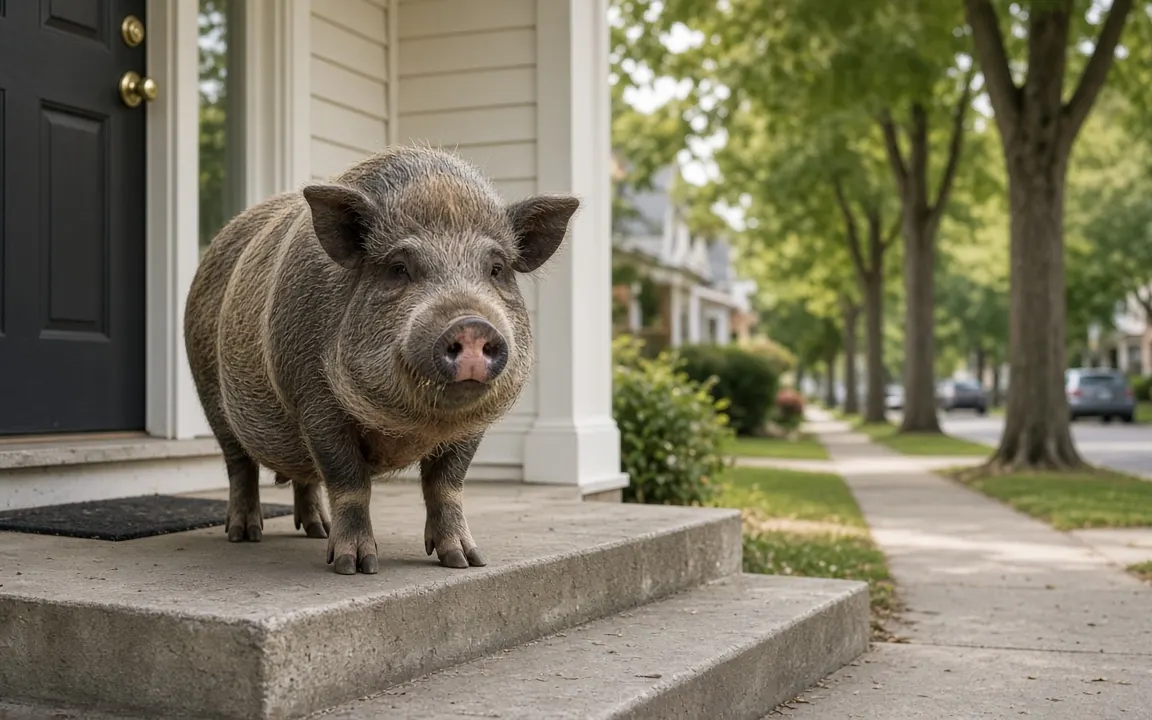
Nara, Japan
Hobby-farm aftercare in Nara: the local picture
Nara is not a major livestock area, and large animals are uncommon in the city itself. Horses are mostly kept at riding clubs, and farms with cattle and other animals are scattered across the Nara basin and the mountainous south of the prefecture. If you are dealing with the loss of a large animal, the first questions are where it is and how it can be reached.
In Japan, farm animals usually go through an authorised disposal route, while a horse or pony may be cremated individually where a suitable facility exists. Very few places in the Kansai region are equipped for a body that size, so ask early. Summer heat and humidity mean a large body should be moved quickly, and the narrow mountain roads of southern Nara Prefecture can make access harder.
Mixed-practice vets around Nara see both sides of this: they treat pet goats and pigs, and they know the farm routes for disposal. Ask yours three things. Which crematory do you use for farm species? Is there a renderer or fallen-stock collector nearby if I want a lower-cost option? And, if the death was unexplained, should we test before the body leaves? Those answers will shape everything that follows.
About 367,000 people live in Nara. The nearest larger centre is Osaka, about 17 miles (28 km) away, which is where some providers serving Nara are based.
Families in Nara often end up using a provider from Osaka (17 miles, a larger centre), Kyoto (23 miles, a larger centre) and Kobe (35 miles, a larger centre). That is normal: crematories serve a radius, not a single town, and the drive is priced into collection.
99.97%[1]
In 2023, 99.97% of deaths in Japan were cremated (1364 crematoria).
$600-$1,000[2]
Cremating a 1,000-pound horse was reported to cost about $600-$1,000, depending on location and the price of propane.
3-5% of body weight[3]
Embrace notes cremated remains typically weigh about 3-5% of the pet's original body weight.
Where these figures come from: Embrace Pet Insurance and Extension Horses (eXtension national Cooperative Extension).
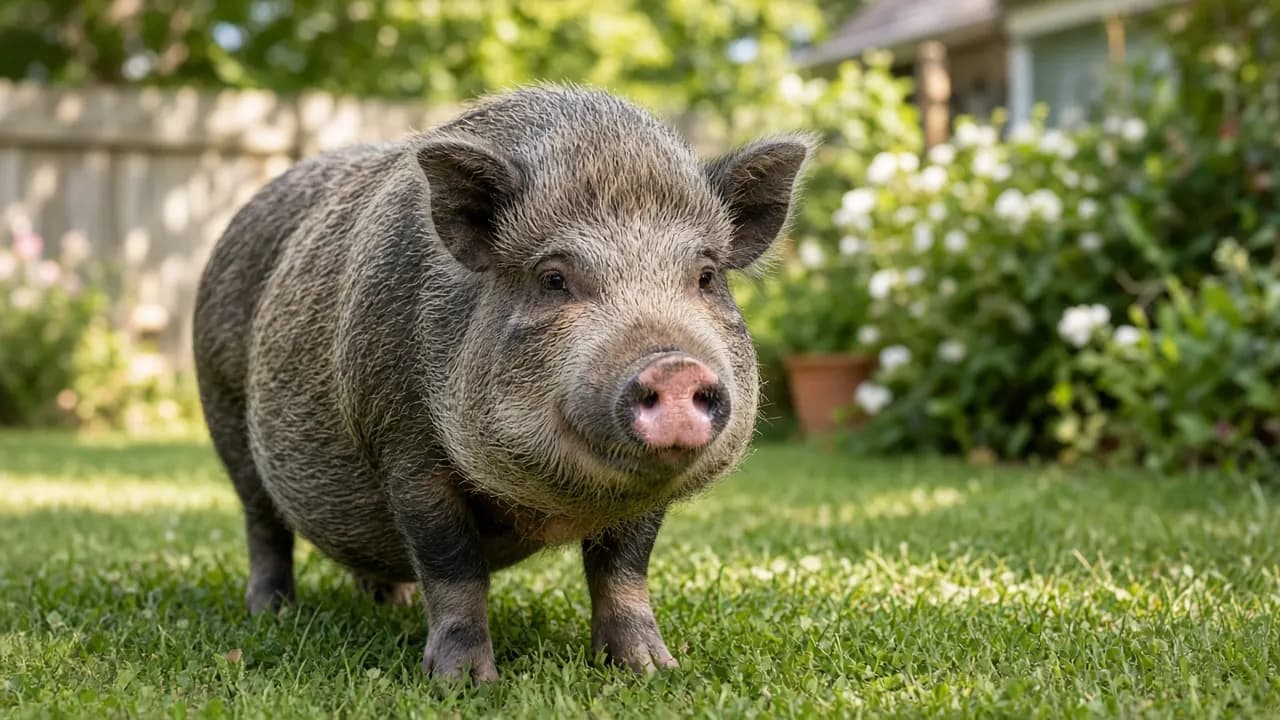
The local attitude to cremation
With 99.97%[1] of people in Japan now cremated, local crematories hear "we'd like the ashes back" every day. For a farm animal the harder part is logistics: a chamber that fits, a crew with lifting gear and someone willing to drive out to a paddock. Lead with those questions and the cultural side takes care of itself.
Source for the Japan number: Cremation Society of Great Britain, International Cremation Statistics 2023 (2023). Nobody publishes a pet cremation rate for Nara, so the human figure is the best local signal available.
Planning around the seasons in Nara
Weather matters for the living animals too. Heat stress hits pigs and heavily fleeced animals hard, and cold snaps are tough on old goats and young stock. If a death comes during extreme weather, check the rest of the herd or flock, and call your vet if more than one animal seems unwell.

What farm animal cremation costs in Nara
Farm species are uncommon as pets in most of Asia's big cities, and few providers publish prices for them. The nearest guide is the top weight band of pet crematoria: a Hong Kong provider lists basic individual cremation for pets over 50 kg at HKD 6,000[4]. Ask any provider in Nara whether they accept your species and weight before arranging anything else.
The full price table by size is on our Japan page, and the services page explains what each option includes.

Free tool
Cremation cost calculator
Estimate a realistic price range for your pet's size, location and the type of cremation.
Rules worth knowing in Japan
If your animal was euthanized, the drugs remain in the body and can poison scavenging wildlife, and US drug labels have warned since 2003[6] that such animals need deep burial, incineration or another approved route. That alone rules out a shallow grave. The notes below cover the general rules in Japan; cremation meets all of them.
In Japan, keepers of pigs, goats and sheep generally have reporting duties to their prefecture even for small numbers, and farm animals in cities are rare. Many pet funeral companies set a weight limit, so a goat or pig may need a specialist. Ask whether the ashes are returned (返骨) and whether a larger animal needs a different facility.
A practical checklist for smallholders in Nara
- Tell your child soon, in plain words. "Your goat died this morning" is kinder than a softer phrase that leaves a young child waiting for the animal to come back.
- Let them choose whether to see the body. Covered with a blanket, with only the head showing, is usually gentle enough for school-age children.
- Give them a job: a final brush of the coat, deciding which halter to keep, or gathering flowers to put by the gate.
- Time the collection around them. Some children want to wave the crew off; others are better at school or a friend's house while the animal leaves. Ask the crew for an unhurried pickup.
- If the animal was a club or show project, let the leader know. This won't be the first young member they've seen through it, and they may offer a tribute at the following meeting.
- Plan something for when the ashes come home: a scattering along the fence, a tree to plant, or a small urn for a shelf in their room.
Memorials that fit a smallholding
For a large animal, a memorial service can still be part of the goodbye, even if cremation takes place far away. Many Japanese families hold a small ceremony at the farm or stable, with incense and flowers, before the animal is collected. Ask any provider about access, lifting equipment and whether ashes can be returned, and get the price in writing.
Every option Nara families choose between is on the services page, or compare your instinct with the poll results, read our guides and latest articles, try the free planning tools. the full list for Japan and for Japan is a click away.

Reader polls
What would you choose?
Vote anonymously and see how other readers answered. The results are live counts from people who visit this site, so they show real opinions, not a scientific sample.
How do you think of the animal you've lost, or are about to lose?
Tap an answer to vote and see how others answered. Anonymous.
Would you want your animal's own ashes returned?
Tap an answer to vote and see how others answered. Anonymous.
If you had to decide today, which aftercare would you choose for your pet?
Tap an answer to vote and see how others answered. Anonymous.

Free tools to help you plan
Cremation cost calculator
Estimate a realistic price range for your pet's size, location and the type of cremation.

Livestock mortality planner
Plan disposal capacity and costs for farm losses, from one animal to a herd.

Urn size calculator
Find the urn volume you need from your pet's weight, plus keepsake and sharing options.
Questions people ask
Can a provider from a neighbouring town collect from Nara?
Usually yes. Osaka is about 17 miles away, Kyoto is about 23 miles away and Kobe is about 35 miles away, all inside a normal collection radius. Get the mileage written into the quote so there is no surprise on the day.
Why does the Nara page quote a human cremation rate?
Because it is the best local signal we have. Cremation Society of Great Britain, International Cremation Statistics 2023 (2023) reports about 99.97%[1] of Japan residents are cremated. There is no official pet equivalent, and inventing one would be worse than quoting a real, clearly labelled number.
Will I have to travel to Osaka to arrange things?
Not usually. Providers based in Osaka (roughly 17 miles from Nara) collect from here as a matter of routine, and the paperwork is done by email or phone. If you want to be present for a witnessed cremation, that is when the drive matters.
Do I have to report the death of a backyard hen or pet pig?
A single death with an obvious cause usually doesn't need reporting. Unexplained deaths in poultry, pigs, sheep or goats are different: several diseases in these species are notifiable, and the authorities would rather hear about a false alarm than miss an outbreak. Call your vet first; they'll know whether to involve the animal health authority.
Can I bring my goat or pig to the crematory myself?
Usually yes, and it often saves the whole collection fee. Call ahead to agree a time, confirm they accept the weight and ask how they unload. A pickup or small trailer with a ramp works well; lay the animal on a tarp so it can be slid rather than lifted. Bring a helper, and don't try to lift a heavy animal alone.
Will a pet crematory near Nara take a goat or sheep?
Many will, but not all. Pet crematories are built around dogs and cats, and some cap weight at around 100 to 150 lb or don't take farm species at all. Give the species and an honest weight estimate on the first call. If the answer is no, ask who they'd recommend; they usually know which local providers take larger animals.


Sources and our estimates
- [1] In 2023, 99.97% of deaths in Japan were cremated (1364 crematoria). Cremation Society of Great Britain, International Cremation Statistics 2023, 2023.
- [2] Cremating a 1,000-pound horse was reported to cost about $600-$1,000, depending on location and the price of propane. Extension Horses (eXtension national Cooperative Extension) - Horse Disposal Options, 2019, 2019.
- [3] Embrace notes cremated remains typically weigh about 3-5% of the pet's original body weight. Embrace Pet Insurance - Bury or Cremate Your Dog? Costs, Pros & Cons, 2025.
- [4] The same Hong Kong provider charges HKD 6,000 for basic individual cremation of pets over 50 kg, and up to HKD 10,900 for its premium package. PETMENTO (Hong Kong pet funeral provider) - Pet funeral price list, 2026.
- [5] Composting a 1,400 lb dairy cow would need roughly 14-16.8 cubic yards of cover material. Our estimate: 1.4 x (10 to 12 cu yd per 1,000 lb). How we calculate.
- [6] Since 2003 the FDA has required euthanasia drug labels to warn that euthanized animals must be disposed of by deep burial, incineration or another approved method to keep scavenging wildlife from eating the carcass. Cornell Waste Management Institute & Penn State - Horse Mortality: Carcass Disposal Alternatives (2012), 2003.
Find who takes farm species near you
Tell us what you need and where you are. We'll reply by email with clear options and prices so you can decide in your own time.