Farm Animal Cremation in Hokkaido
Your goat, sheep or pig is family, but the law usually files it under livestock. Here's what that means locally, who will take an animal this size and what it costs to bring the ashes home.
- What to do in the first few hours
- Disease reporting, explained plainly
- Keepsakes: fleece, feathers, halter
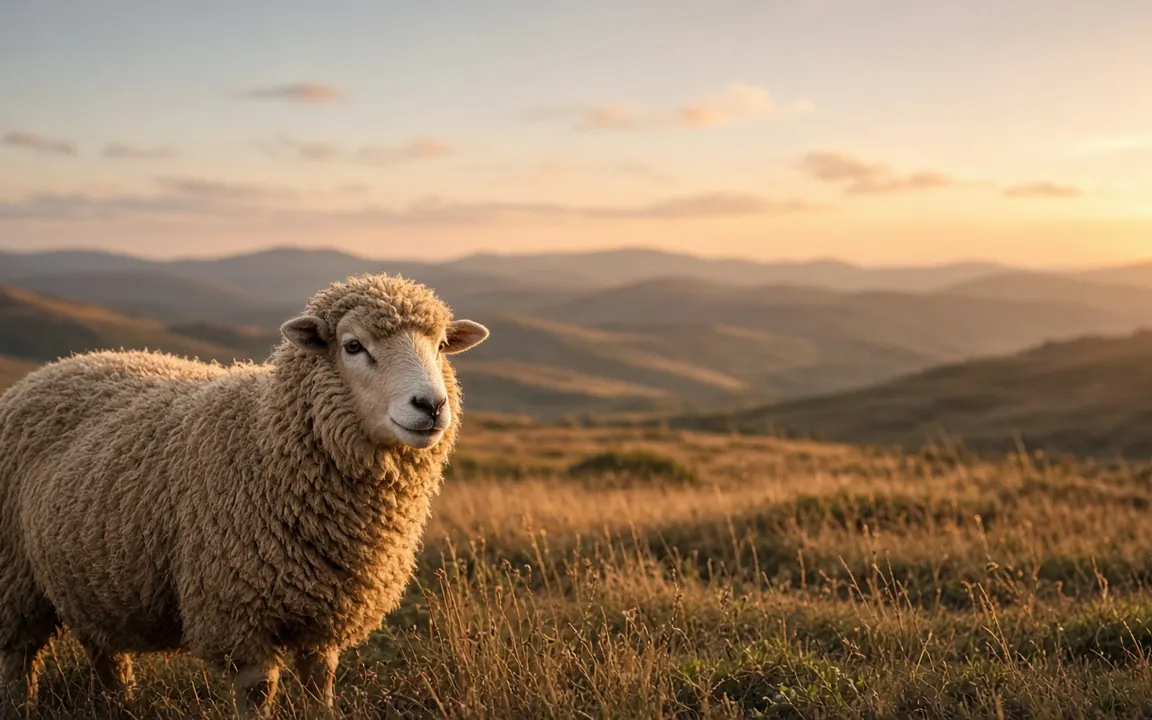
Hokkaido, Japan
Farm Animal Cremation in Hokkaido: what to know
If you keep goats, sheep, pigs, alpacas or poultry in Hokkaido, the practical questions after a death are nearly always the same. Is burial allowed for this species on my land, and how deep? How fast does it have to happen? Who will collect an animal this heavy? And can I have my own animal's ashes back? This page gives the regional picture; each city page goes into local detail.
We cover 1 communities in Hokkaido, and for farm animals the city pages differ more than they would for dogs or cats. The deciding factors are local: which crematories accept a goat or pig, how far their crews will drive, and how hot or cold it gets. Pick your nearest community below for the detail, or start with the regional overview here.
We cover 1 community in Hokkaido, from Sapporo.

Every Hokkaido community we cover
Choose your city or town for local prices, weather and timing, and rules. 1 communities in Hokkaido, largest first below.
Burial, cremation and farm tradition in Hokkaido
With cremation chosen for about 99.97%[1] of people in Hokkaido, local families tend to expect it for their animals too. On a smallholding, that expectation meets livestock law: the options for a goat, sheep or pig are set by rules written for farms, not for pets. Cremation fits comfortably inside those rules almost everywhere, which is one more reason it's the common choice here.
That Hokkaido rate is a human statistic published by Cremation Society of Great Britain, International Cremation Statistics 2023 (2023); there is no pet equivalent, so we use it as a signal of how families here already think.
Prices by weight for goats, sheep, pigs and birds
In Hokkaido, a farm species may need special transport, because standard pet-taxi vehicles aren't built for a 50 kg animal. Ask whether transport is included, whether a vet's certificate is needed before cremation and how much notice the provider needs. Get the full figure in writing, in local currency, before the animal is moved.
Keeping goats, pigs or poultry within city limits is tightly controlled in much of Asia, so a death may involve the agriculture or veterinary authority as well as a crematorium. Once that's clear, ask a pet funeral provider for the price for your animal's weight; the table shows published examples from the region as a rough guide.
| Place and weight | Published example | Notes |
|---|---|---|
| Hong Kong, pet over 50 kg | HKD 6,000 individual[2] | Basic package |
| Japan, 25 to 30 kg pet | about JPY 80,000[3] | Funeral package with ceremony |
| Tokyo, 20 to 30 kg pet | JPY 38,500 individual[4] | JPY 30,800 communal |
| Singapore, 10 to 20 kg pet | SGD 480 private[5] | Heavier animals quoted individually |
The numbers above come from PETMENTO (Hong Kong pet funeral provider) and Singapore Pet Columbarium, if you'd like to read the original sources.

Free tool
Cremation cost calculator
Estimate a realistic price range for your pet's size, location and the type of cremation.
What Hokkaido allows for goats, sheep, pigs and poultry
If you rent your land or keep animals on someone else's property, the landowner's say matters as much as the law. Many tenancies and grazing agreements forbid burial, and a landlord may not want a compost pile either. Cremation needs nobody's permission. Here's the general picture for pets in Hokkaido; your lease may add conditions of its own.
In Japan, keepers of pigs, goats and sheep generally have reporting duties to their prefecture even for small numbers, and farm animals in cities are rare. Many pet funeral companies set a weight limit, so a goat or pig may need a specialist. Ask whether the ashes are returned (返骨) and whether a larger animal needs a different facility.
Step by step, from the field to the ashes
- Pick the spot before the vet arrives. Level ground a vehicle can reach, such as the barn aisle or a paddock by the gate, means your animal won't have to be dragged far afterwards.
- Book the crematory or collector first, then the vet. Once you know the pickup time, set the euthanasia an hour or two before it rather than the evening before a long wait.
- Ask the vet about sedation first. When the animal is relaxed and picking at browse or grain as the sedative takes hold, the final moment is easier on everyone around it.
- Decide who will be there. For some households, everyone stays; in others, the children go off to feed the rest of the stock and return afterwards for their own goodbye.
- Keep a companion in the next pen, close enough to hear you but not underfoot. Let it in afterwards to see and smell the body if you think it will help.
- Hand your instructions to the crew yourself: private or communal, the urn you chose, and anything you want returned, such as a clipped lock of hair.
Ways to remember a farm companion
Planting something is a natural memorial on a smallholding. A fruit tree, a hedge of browse your goats loved, or a patch of wildflowers over scattered ashes gives you somewhere to stand and remember that changes with the seasons. If you ever move, the ashes kept back in an urn can come with you.
Next: see what each choice includes on services, run your own numbers in the tools, check the poll results, or pick another area from all locations.

Reader polls
What would you choose?
Vote anonymously and see how other readers answered. The results are live counts from people who visit this site, so they show real opinions, not a scientific sample.
What was (or would be) hardest about the practical side?
Tap an answer to vote and see how others answered. Anonymous.
Before today, did you know the burial rules for farm species where you live?
Tap an answer to vote and see how others answered. Anonymous.
If you had to decide today, which aftercare would you choose for your pet?
Tap an answer to vote and see how others answered. Anonymous.

Free tools to help you plan
Cremation cost calculator
Estimate a realistic price range for your pet's size, location and the type of cremation.

Livestock mortality planner
Plan disposal capacity and costs for farm losses, from one animal to a herd.

Urn size calculator
Find the urn volume you need from your pet's weight, plus keepsake and sharing options.
Questions people ask
Where in Hokkaido is farm animal cremation hardest to arrange?
Usually in the most rural areas, where crematories that accept large animals are furthest away and collection charges climb with every mile. Keepers there often deliver the animal themselves by trailer, or split a pickup with a neighbor. Ask any provider where their collection radius ends before you need them.
How much does it cost to cremate a goat, sheep or pig in Hokkaido?
Prices depend mostly on weight and whether you choose private or communal cremation, plus farm collection and mileage. A small goat often costs about the same as a large dog; a heavy pig, llama or donkey may be quoted individually or sent to a large-animal crematory. Ask for an itemized written total before you agree.
What should I keep ready in Hokkaido if I have older goats or sheep?
A tarp big enough to drag the animal, gloves, a sheet or feed sacks to cover it, contact details for a large-animal crematory that will accept your animals, and a note of your wishes: private or communal, and any keepsake. In a hot spell or a hard freeze, that preparation saves hours.
Is farm animal cremation common in Hokkaido?
For people, about 99.97%[1] of deaths in Hokkaido end in cremation. For farm animals, burial and fallen-stock collection are still the traditional routes, but more families choose private cremation for the goats, pigs, sheep and alpacas they've named, especially in towns and on hobby farms near the cities.
Does winter affect farm animal aftercare in Hokkaido?
In colder places, yes. Frozen ground can make burial impossible for months, composting slows down, and snow can block farm tracks. In Hokkaido, one of the coldest places we cover in Hokkaido, average winter lows reach about °F. Many keepers cremate in winter and scatter or bury the ashes in spring.
Is fallen-stock collection an option for a single pet goat or sheep in Hokkaido?
Often, yes, where a knacker, renderer or deadstock collector still serves your area. It's lawful, quick and usually inexpensive, but nothing is returned. Rendering capacity has shrunk in many places, so the truck may not run for one small animal. Ask your vet who collects locally.

Sources and our estimates
- [1] In 2023, 99.97% of deaths in Japan were cremated (1364 crematoria). Cremation Society of Great Britain, International Cremation Statistics 2023, 2023.
- [2] The same Hong Kong provider charges HKD 6,000 for basic individual cremation of pets over 50 kg, and up to HKD 10,900 for its premium package. PETMENTO (Hong Kong pet funeral provider) - Pet funeral price list, 2026.
- [3] A Japanese pet funeral hall example charges about JPY 60,000 for a 1-5 kg pet and JPY 80,000 for a 25-30 kg pet (funeral package). The Japan News via Asia News Network - As pets become more like family, more owners in Japan are opting for elaborate funerals (Apr 2025), 2025.
- [4] Tokyo Animal Memorial Park charges JPY 30,800 communal, JPY 38,500 individual and JPY 60,500 witnessed (attended, with monk chanting) cremation for a 20-30 kg dog. Tokyo Animal Memorial Park (東京動物霊園) - Price list, 2026.
- [5] The same Singapore provider lists private cremation at SGD 280 for a cat under 5 kg and SGD 480 for a 10-20 kg dog; columbarium niches start at SGD 300 for the first year with SGD 180 yearly renewal. Singapore Pet Columbarium - Prices, 2026.
- [6] The average value lost per dead cow or calf in 2015 was about $997. Our estimate: $3.87 billion / 3.88 million head. How we calculate.
Find who takes farm species near you
Tell us what you need and where you are. We'll reply by email with clear options and prices so you can decide in your own time.