Farm Animal Cremation in Bretagne
Your goat, sheep or pig is family, but the law usually files it under livestock. Here's what that means locally, who will take an animal this size and what it costs to bring the ashes home.
- Providers that accept goats, pigs and alpacas
- Livestock burial rules explained simply
- Private cremation with ashes returned
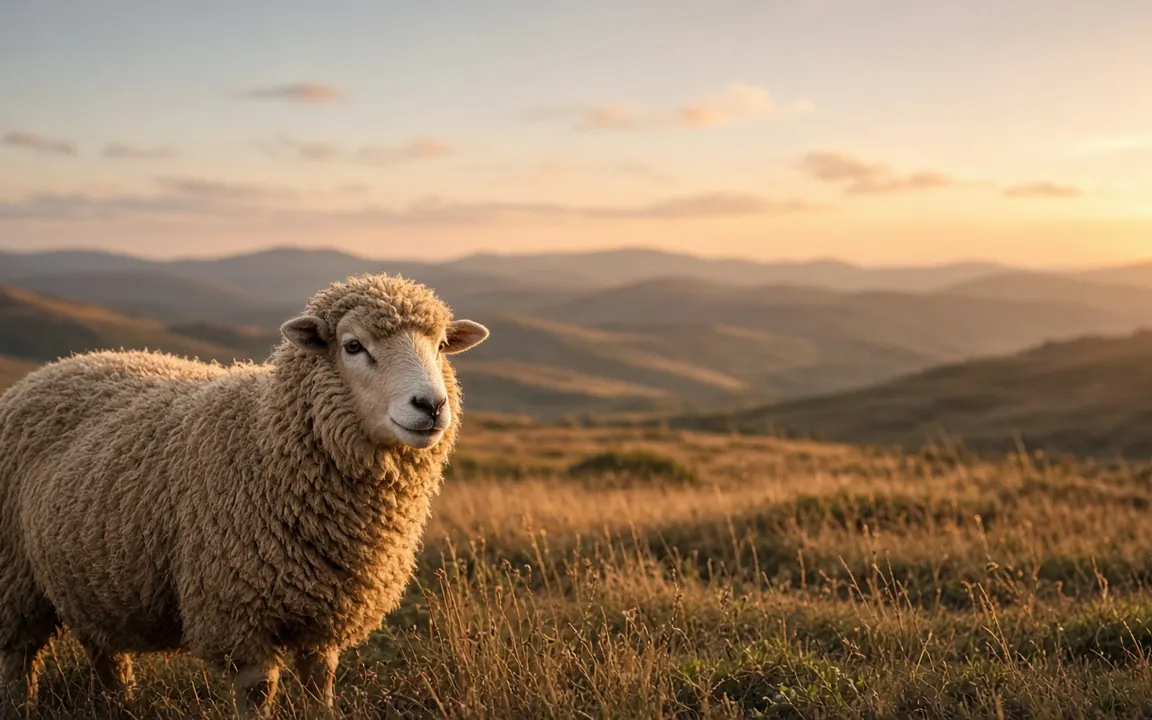
Bretagne, France
Farm Animal Cremation in Bretagne: what to know
Hobby farms and backyard flocks are spread right throughout Bretagne, from the metro fringe to deep countryside. The difference in aftercare between the two is mostly distance. Near the cities there are more crematories, but many cap weight well below a grown goat or pig. In rural areas, burial and fallen-stock collection are the traditional routes, and cremation may mean a trailer ride to a larger centre.
In Bretagne, a summer afternoon in Bretagne and a winter night in Bretagne call for very different first steps after a death on the farm. Heat means shade, ice and same-day collection; cold means more time but frozen ground and harder access. The rules and the way prices are built stay the same across both, and that's what this page covers.
We cover 1 community in Bretagne, from Rennes.

Every Bretagne community we cover
Choose your city or town for local prices, weather and timing, and rules. 1 communities in Bretagne, largest first below.
Cremation habits in Bretagne, and what they mean for your animal
Cremation is the minority choice in Bretagne, at about 44.91%[1] of people, and some neighbors may think it an odd expense for a goat or sheep. You don't owe anyone an explanation. An animal you named and handled every day isn't worth its sale price to you, and a private cremation is a reasonable way to mark that.
The cremation figure for Bretagne comes from ICI (France Bleu), citing the Fédération française de crémation (2023). It counts people, not pets, so treat it as a guide to local attitudes rather than a pet statistic.
How much to budget in Bretagne
By our estimate, individual cremation across the markets we track costs about double the shared option[2], and for a heavy animal the gap in euros grows. Around Bretagne, check whether VAT is included and whether collection from a rural address is priced per kilometre. A written quote naming the species avoids surprises at the door.
In several European countries the default route for a dead sheep, goat or pig is collection by the national rendering service. Near Bretagne that's usually the cheapest option, and nothing comes back. A pet crematorium is the alternative if you want the ashes; the prices in the table give a sense of the step up.
| Country and weight | Collective (communal) | Individual (private) |
|---|---|---|
| France, 50 kg animal | €130 to €180[3] | €300 to €400[3] |
| Germany, all sizes | €85 to €205[4] | €165 to €375[4] |
| Norway, 51 to 90 kg | NOK 1,895[5] | NOK 4,990[5] |
| Netherlands, dog average | about €200[6] | about €300[6] |
To check the figures yourself, see deine and Overstappen.nl.

Free tool
Cremation cost calculator
Estimate a realistic price range for your pet's size, location and the type of cremation.
What Bretagne allows for goats, sheep, pigs and poultry
In most places a pet goat or pig is still a goat or pig in the eyes of the law, so the rules written for farms apply to it. Those rules exist for water safety and disease control, and they tend to favor collection, rendering or cremation over burial. The notes below cover Bretagne in general; ask your vet or animal health office about your species.
In France, dead farm animals are normally collected by the équarrissage (rendering) service rather than buried, and pet sheep, goats and pigs are usually treated the same way. If you want the ashes back, ask a pet crematorium for incinération individuelle and confirm it accepts your species and weight. Your vet or the mairie can advise on what's allowed locally.
If your animal dies today: a plan for Bretagne
- Stop and count. When two or more animals or birds have died inside a day or so and nothing obvious like a predator explains it, don't move anything yet.
- Put on gloves and keep the bodies away from the living stock. Birds go in two bags; bigger animals get covered where they've fallen.
- Ring the vet, or your national animal health agency, then give a precise account of what you found. In many countries, bird flu, swine fevers and a number of sheep and goat diseases have to be reported.
- Wait for the all-clear before you cremate, bury or compost anything. You may be offered testing, and one of the bodies might have to go off to a lab first.
- Keep visitors and borrowed equipment off the property until you know more, and scrub boots and feeders between pens.
- Once you're cleared, decide animal by animal. It's common to choose communal cremation for the bulk of a flock while giving one special bird a private cremation of its own.
Ashes, fleece and memories on the farm
Children often take the loss of a named farm animal hard, especially if they helped raise it from a kid or lamb. Letting them choose the scattering spot, paint a stone marker or write the animal's name on the barn wall gives them something to do with the feeling. The rest of the herd may call for a few days too; that's normal.
If Bretagne is not quite where you are, all locations has the rest. Otherwise the services page, the tools and the poll results are the useful next stops.

Reader polls
What would you choose?
Vote anonymously and see how other readers answered. The results are live counts from people who visit this site, so they show real opinions, not a scientific sample.
Before today, did you know the burial rules for farm species where you live?
Tap an answer to vote and see how others answered. Anonymous.
What was (or would be) hardest about the practical side?
Tap an answer to vote and see how others answered. Anonymous.
If you had to decide today, which aftercare would you choose for your pet?
Tap an answer to vote and see how others answered. Anonymous.

Free tools to help you plan
Cremation cost calculator
Estimate a realistic price range for your pet's size, location and the type of cremation.

Livestock mortality planner
Plan disposal capacity and costs for farm losses, from one animal to a herd.

Urn size calculator
Find the urn volume you need from your pet's weight, plus keepsake and sharing options.
Questions people ask
Do I need to report the death of a backyard chicken or pig in Bretagne?
Not usually for a single death with an obvious cause. Unexplained deaths, especially several birds or pigs in a short time, should be reported to your vet or animal health authority, because some diseases in poultry, pigs, sheep and goats are notifiable. Don't move or bury the animals until you've asked.
Does winter affect farm animal aftercare in Bretagne?
In colder places, yes. Frozen ground can make burial impossible for months, composting slows down, and snow can block farm tracks. In Bretagne, one of the coldest places we cover in Bretagne, average winter lows reach about °F. Many keepers cremate in winter and scatter or bury the ashes in spring.
Can I bury a pet goat, sheep or pig on my land in Bretagne?
It depends on the species and the local rules. Many places allow burial of livestock on your own land with conditions on depth, distance from wells and water, and timing; some ban it for farmed species altogether, and cities often restrict it within their limits. If your animal was euthanized, deep burial or cremation protects wildlife.
What should I do if a farm animal dies in the heat?
Move the body into deep shade or a cool barn, lay it on straw or a tarp and cover it loosely. Put ice along the belly if collection is delayed. In hot parts of Bretagne, such as Bretagne where summer highs average about °F, same-day collection or delivery is the safest plan.
Is fallen-stock collection an option for a single pet goat or sheep in Bretagne?
Often, yes, where a knacker, renderer or deadstock collector still serves your area. It's lawful, quick and usually inexpensive, but nothing is returned. Rendering capacity has shrunk in many places, so the truck may not run for one small animal. Ask your vet who collects locally.
Why won't the pet crematory take my animal?
Usually because of weight or species. Many pet crematories are built for dogs and cats and cap weight at around 100 to 150 lb, or don't take pigs or ruminants at all. Equine and large-animal crematories take heavier animals. Ask the first provider who they'd recommend; they usually know.

Sources and our estimates
- [1] In 2023, 44.91% of deaths in France led to cremation. ICI (France Bleu), citing the Fédération française de crémation, 2023.
- [2] The median price multiple of private (ashes returned) over communal cremation across 8 markets is about 2.0x, ranging from 1.25x (Tokyo) to 5.2x (Auckland). Our estimate: median(private_price / communal_price) same weight band: US CareCredit 51-70 lb midpoints (250/75) = 3.33x; Auckland 15-25 kg (445/85) = 5.24x; Norway 1-20 kg (3790/1190) = 3.18x; Singapore 10-20 kg (480/260) = 1.85x; Ontario 25-250 lb (549/279) = 1.97x; Tokyo 20-30 kg (38500/30800) = 1.25x; France 20 kg midpoints (200/95) = 2.11x; Germany range midpoints (270/145) = 1.86x. How we calculate.
- [3] SantéVet lists French dog cremation at EUR 70-120 collective vs EUR 150-250 individual for a 20 kg dog, and EUR 130-180 vs EUR 300-400 for a 50 kg dog. SantéVet - Quel est le prix pour incinérer un chien? (updated Mar 2026), 2026.
- [4] A German consumer guide lists collective pet cremation at EUR 85-205 and individual cremation at EUR 165-375. deine-tierwelt.de - Tierbestattung: Diese Moeglichkeiten gibt es und das kosten sie (Nov 2023), 2023.
- [5] A Norwegian pet crematorium lists separate cremation at NOK 3,790 (1-20 kg) to NOK 4,990 (51-90 kg) and communal at NOK 1,190 to NOK 1,895, VAT included. Hjertedyr (Norway) - Prisliste, 2026.
- [6] A Dutch comparison site lists collective dog cremation at EUR 49-330 (average EUR 200) and individual at EUR 70-700 (average EUR 300), across 31 Dutch pet crematoria. Overstappen.nl - Kosten crematie hond (updated Jan 2026), 2026.
- [7] Composting a 1,400 lb dairy cow would need roughly 14-16.8 cubic yards of cover material. Our estimate: 1.4 x (10 to 12 cu yd per 1,000 lb). How we calculate.
Get farm animal cremation options near Bretagne
Tell us what you need and where you are. We'll reply by email with clear options and prices so you can decide in your own time.