Bringing your farm pet's ashes home in Shanghai
Your goat, sheep or pig is family, but the law usually files it under livestock. Here's what that means locally, who will take an animal this size and what it costs to bring the ashes home.
- Providers that accept goats, pigs and alpacas
- Livestock burial rules explained simply
- Private cremation with ashes returned
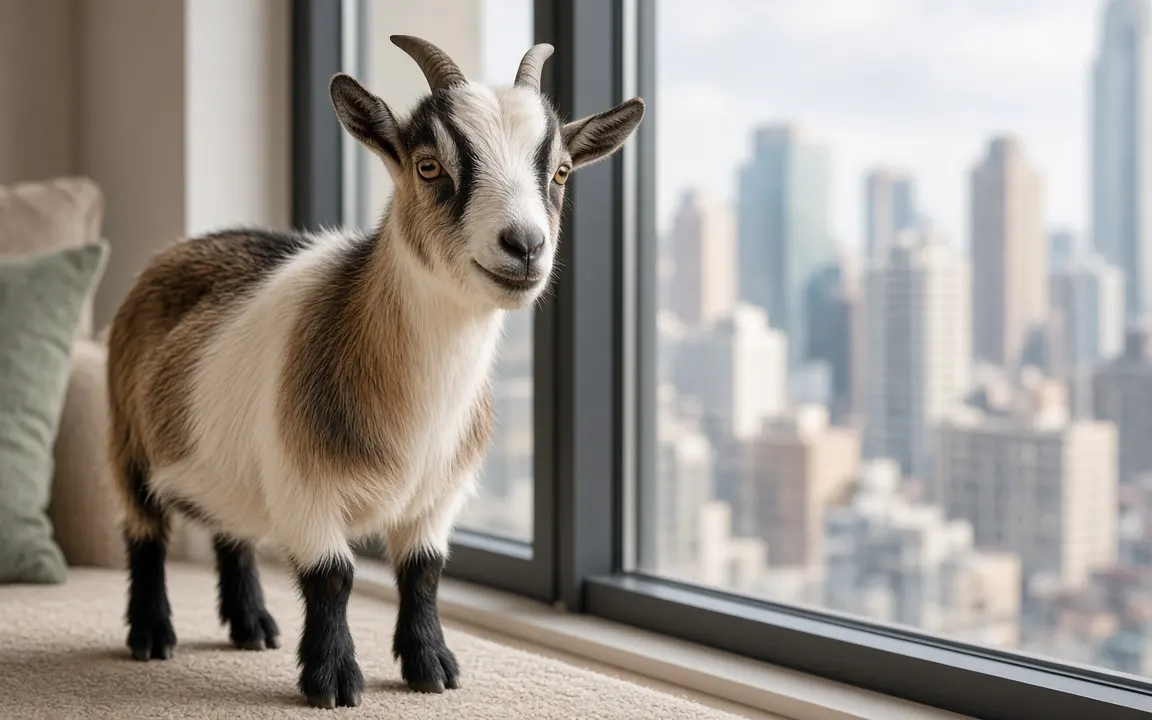
Shanghai, China
Goats, pigs and backyard flocks in Shanghai
Downtown Shanghai has almost no large animals, but the outer districts and Chongming Island still have farmland, and there are equestrian clubs on the city's edge along with zoological collections. If a horse, pig, goat or cow dies on one of these sites, access is the main issue, so share the address, the gate width and whether a vehicle with lifting equipment can reach the animal.
The Yangtze delta is flat and wet, and summer heat, heavy rain and typhoons can all affect how quickly a large body can be moved. If you keep older horses or farm animals on Chongming or elsewhere on the city's fringe, it's worth asking in advance which providers serve your area and whether individual cremation is possible. Commercial livestock usually follows agricultural disposal channels.
Prices in Shanghai vary more between providers than they do in small towns, and farm species widen the gap. One crematory may quote a private cremation for your goat at a large-dog price; another may send you to an equine facility that charges by the pound. Ask for a written total that shows the cremation, collection, mileage and urn as separate lines, so you're comparing like with like.
With roughly 24,870,000 residents, Shanghai is one of the China communities we cover.
50%[1]
China's cremation rate passed 50% for the first time in 2019.
$600-$1,000[2]
Cremating a 1,000-pound horse was reported to cost about $600-$1,000, depending on location and the price of propane.
3-5% of body weight[3]
Embrace notes cremated remains typically weigh about 3-5% of the pet's original body weight.
We built the this numbers from Extension Horses (eXtension national Cooperative Extension) and Embrace Pet Insurance, and both are worth a look if you want the detail.
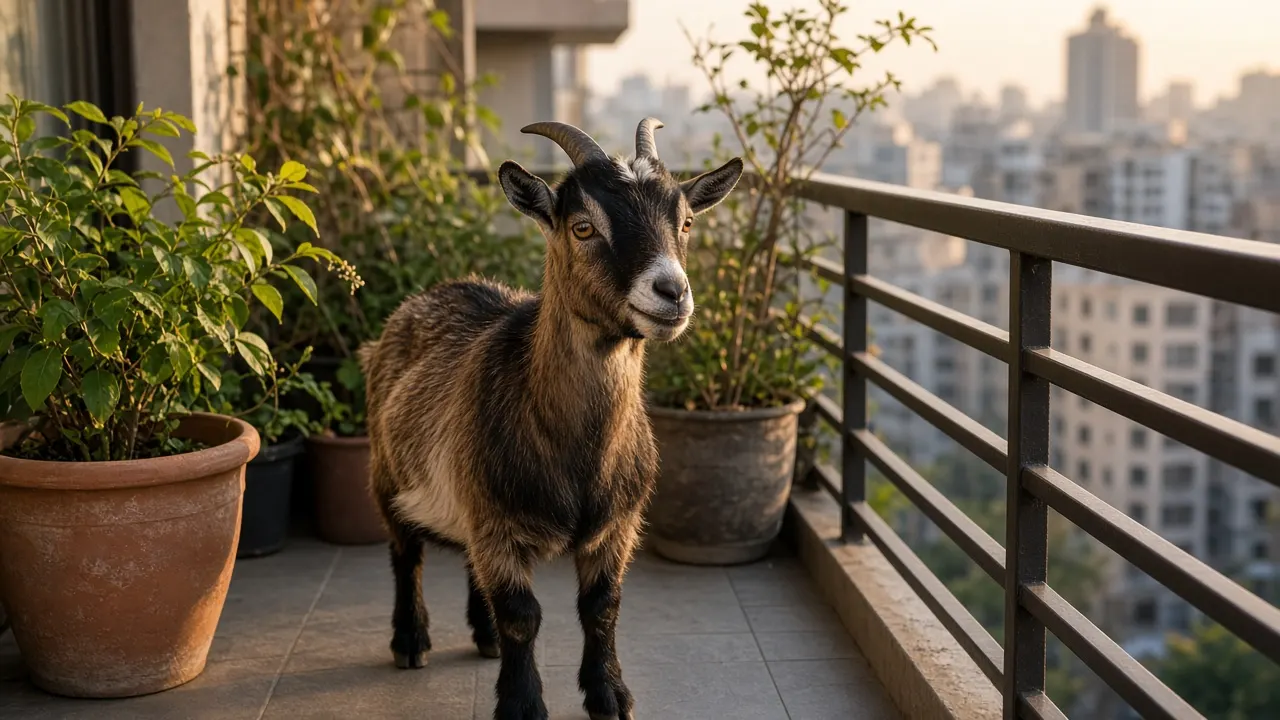
The local attitude to cremation
Cremation is now the majority choice for people in China, at about 50%[1], but burial still has deep roots, especially in farming country. You'll find both traditions among smallholders. Neither is more proper than the other for a goat or sheep; what matters is what the rules allow for that species on your land and what feels right to you.
For the China figure we rely on Wikipedia: Cremation by country (2019). Read it as a picture of local custom around death and remembrance in Shanghai rather than as pet data.
Planning around the seasons in Shanghai
Weather matters for the living animals too. Heat stress hits pigs and heavily fleeced animals hard, and cold snaps are tough on old goats and young stock. If a death comes during extreme weather, check the rest of the herd or flock, and call your vet if more than one animal seems unwell.

Prices by weight for goats, sheep, pigs and birds
Keeping goats, pigs or poultry within city limits is tightly controlled in much of Asia, so a death may involve the agriculture or veterinary authority as well as a crematorium. Once that's clear, ask a pet funeral provider for the price for your animal's weight; the table shows published examples from the region as a rough guide.
The full price table by size is on our China page, and the services page explains what each option includes.

Free tool
Cremation cost calculator
Estimate a realistic price range for your pet's size, location and the type of cremation.
Before you bury or compost in China
You don't need a permit to have a farm animal cremated. What you do instead of cremation is where rules come in: many places set a time limit after death, a minimum burial depth, distances from wells and water, and restrictions on composting certain species. Here's the general picture for China; livestock rules can be stricter.
If your animal dies today: a plan for Shanghai
- Stop and count. Two or more birds or animals dying within a day or two, with no obvious cause such as a predator, is a reason to pause before you move anything.
- Put on gloves and keep the bodies away from the living stock. Double-bag birds; cover larger animals where they lie.
- Ring the vet, or your national animal health agency, and describe exactly what you've seen. Bird flu, swine fevers and several sheep and goat diseases are notifiable in many countries.
- Wait for the all-clear before cremation, burial or composting. Testing may be offered, and a body may need to go to a laboratory first.
- Keep visitors and borrowed equipment off the property while you wait for answers, and clean boots and feeders whenever you move between pens.
- Once you're cleared, decide animal by animal. It's common to choose communal cremation for the bulk of a flock while giving one special bird a private cremation of its own.
Ways to remember a farm companion
Many large animals near Shanghai are kept by riding clubs, hobby farms, sanctuaries and educational farms rather than commercial operations. The owner and the person arranging aftercare may be different, so agree who decides before the day comes. For a family animal, ask whether ashes can be returned and whether a hoof print, lock of mane or other keepsake can be saved.
Our services overview lays out every option side by side, or see what other families chose in the poll results, use the free tools before you ring anyone, look through our guides and the blog. Every other community in China, and all of China, is listed too.

Reader polls
What would you choose?
Vote anonymously and see how other readers answered. The results are live counts from people who visit this site, so they show real opinions, not a scientific sample.
Would you want your animal's own ashes returned?
Tap an answer to vote and see how others answered. Anonymous.
What was (or would be) hardest about the practical side?
Tap an answer to vote and see how others answered. Anonymous.
If you had to decide today, which aftercare would you choose for your pet?
Tap an answer to vote and see how others answered. Anonymous.

Free tools to help you plan
Cremation cost calculator
Estimate a realistic price range for your pet's size, location and the type of cremation.

Livestock mortality planner
Plan disposal capacity and costs for farm losses, from one animal to a herd.

Urn size calculator
Find the urn volume you need from your pet's weight, plus keepsake and sharing options.
Questions people ask
Why does the Shanghai page quote a human cremation rate?
Because it is the best local signal we have. Wikipedia: Cremation by country (2019) reports about 50%[1] of China residents are cremated. There is no official pet equivalent, and inventing one would be worse than quoting a real, clearly labelled number.
Is a donkey treated like a horse or like livestock for burial?
It varies. Many rules group donkeys with horses, and in England equines are the notable exception to the ban on burying farm animals. Elsewhere, donkeys may fall under general livestock rules with depth and distance requirements. A standard donkey is also heavy enough to need an equine crematory. Check the rules for your area before deciding.
Can I keep backyard chickens and goats in Shanghai, and does that change aftercare?
Many local rules allow a few hens, and some allow miniature goats or a pet pig, usually with limits on numbers. The same rules often restrict burying livestock in built-up areas, and leases or homeowner and residents' associations can be stricter. In practice, most city keepers choose cremation, which avoids the question. Check before planning a burial.
What if my animal dies while we're away from home?
Ask whoever is minding the farm to call your vet first and you second. Before you travel, leave written instructions: private or communal, which provider, how much you're willing to spend and any keepsake to save. A signed note lets a sitter act quickly in hot weather instead of waiting for you to pick up the phone, and it spares them guessing what you'd want.
How big an urn do I need for a goat or sheep?
Plan on roughly a cubic inch of capacity for every pound your animal weighed[5]. A 70 lb pygmy goat then needs around 70 cubic inches and a 140 lb ewe around 140, more than most standard pet urns hold. Scattering most of it? A scatter tube plus a small keepsake urn works well. Our urn size calculator will work out the numbers.
Do I have to report the death of a backyard hen or pet pig?
A single death with an obvious cause usually doesn't need reporting. Unexplained deaths in poultry, pigs, sheep or goats are different: several diseases in these species are notifiable, and the authorities would rather hear about a false alarm than miss an outbreak. Call your vet first; they'll know whether to involve the animal health authority.


Sources and our estimates
- [1] China's cremation rate passed 50% for the first time in 2019. Wikipedia: Cremation by country, 2019.
- [2] Cremating a 1,000-pound horse was reported to cost about $600-$1,000, depending on location and the price of propane. Extension Horses (eXtension national Cooperative Extension) - Horse Disposal Options, 2019, 2019.
- [3] Embrace notes cremated remains typically weigh about 3-5% of the pet's original body weight. Embrace Pet Insurance - Bury or Cremate Your Dog? Costs, Pros & Cons, 2025.
- [4] About 10,630 U.S. cattle and calves died every day in 2015. Our estimate: 3,880,000 / 365. How we calculate.
- [5] Using the industry rule of thumb of 1 cubic inch of urn space per pound of body weight, a 12 lb cat needs an urn of about 12 cubic inches; a 70 lb dog needs about 70 cubic inches. Our estimate: urn cu in = body weight lb x 1 (industry rule of thumb, not a measured value). How we calculate.
Get farm animal cremation options near Shanghai
Tell us what you need and where you are. We'll reply by email with clear options and prices so you can decide in your own time.