When a hobby-farm animal dies in Toronto
Whether it's a single backyard hen or a 180 lb alpaca, the questions are the same: is it legal to bury, who can collect, and can I have my own animal's ashes back? Here are the answers.
- What to do in the first few hours
- Disease reporting, explained plainly
- Keepsakes: fleece, feathers, halter

Toronto, Ontario
What arranging farm animal cremation in Toronto is like
Southern Ontario's farmland around the GTA holds cattle, sheep, goats, pigs and alpacas, from commercial operations to small hobby farms. Farm animals usually go through licensed deadstock collection or on-farm options within provincial rules, while a companion animal may be cremated individually with ashes returned. Let us know what the animal was, roughly how heavy, and whether it was kept as a pet.
Winter snow and ice can make barn lanes and rural roads north of Toronto hard for heavy vehicles, and frozen ground rules out burial for months. Spring thaw brings its own mud. If you have an ageing horse, cow or alpaca, plan a spot near a plowed or gravelled area, talk to your vet about timing, and ask providers now how far north and east they'll travel.
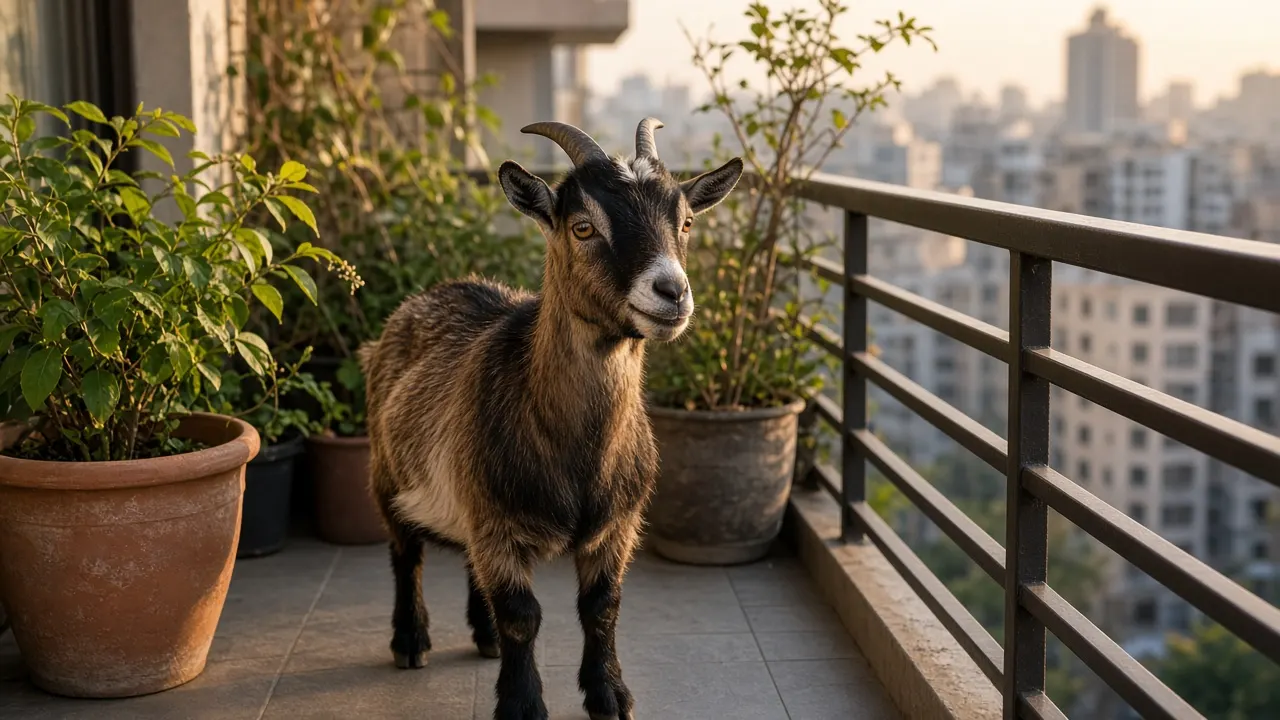
If your animal lives on a small acreage at the edge of Toronto, you're in the in-between zone: too rural for the pet crematory's usual van, too suburban for the renderer's truck to bother with one goat. Ask each provider exactly where their collection radius ends and what they charge past it. Delivering the animal yourself, in a pickup bed or on a small trailer, can take a big line off the bill.
About 2,731,000 people live in Toronto, which makes it the largest of the 15 Ontario communities we cover.
Nearby, we also have local pages for Mississauga (14 miles), Vaughan (14 miles) and Markham (14 miles), which can help if your vet or the provider you prefer is based there.
81.1%[1]
CANA projects the Canadian cremation rate will reach 81.1% by 2030.
$600-$1,000[2]
Cremating a 1,000-pound horse was reported to cost about $600-$1,000, depending on location and the price of propane.
3-5% of body weight[3]
Embrace notes cremated remains typically weigh about 3-5% of the pet's original body weight.
The published sources behind those figures are Embrace Pet Insurance and Extension Horses (eXtension national Cooperative Extension).
Local customs, and where a farm pet fits
In Canada, about 81.1%[1] of people are cremated, one of the higher rates around. That doesn't make livestock rules any softer, but it does mean cremation is a normal conversation. Many hobby farmers here choose it for a named goat, alpaca or pet pig partly because it keeps the animal with them if they ever sell the land, and partly because it avoids digging a deep grave by machine.
For the Canada figure we rely on CANA Industry Statistical Information (2030). Read it as a picture of local custom around death and remembrance in Toronto rather than as pet data.
Toronto weather and your animal's first hours
Local weather affects two things: how quickly your animal needs to be collected, and whether burying or scattering outdoors is practical. In cold months the ground may be frozen; in hot months speed matters more than anything. Your vet or provider in Toronto will know the seasons, so ask what they'd do at this time of year.

What farm animal cremation costs in Toronto
Canadian providers price farm pets by weight, much like dogs. One Ontario aftercare provider lists private cremation at CAD 549 for animals from 25 to 250 lb, and communal at CAD 279[4], which covers most goats, sheep and pet pigs. Heavier animals, farm collection and mileage from a rural property near Toronto will push the total up, so ask for a written quote in CAD.
We keep the detailed Ontario price table on one page so it stays current: see Ontario prices.

Free tool
Cremation cost calculator
Estimate a realistic price range for your pet's size, location and the type of cremation.
Livestock and pet rules in Ontario
If your animal was euthanized, the drugs remain in the body and can poison scavenging wildlife, and US drug labels have warned since 2003[6] that such animals need deep burial, incineration or another approved route. That alone rules out a shallow grave. The notes below cover the general rules in Ontario; cremation meets all of them.
Toronto's own guidance is published by City of Toronto Animal Services; it covers public collection, which is separate from arranging a private cremation.
In Canada, each province sets its own rules for dead livestock, and they generally apply to pet goats, sheep and pigs too. Ontario, for example, has a dedicated deadstock regulation covering burial, composting and licensed collectors. Winter matters: frozen ground rules out burial for months in much of the country, so many keepers cremate first and scatter the ashes in spring.
The Ontario page sets out who oversees pet cremation and what the state says about burial and scattering. Toronto's own bylaws can sit on top of that, so ask before you dig.
Step by step, from the field to the ashes
- If the death was expected, there's probably a plan already agreed with your vet. Ring to fix the pickup time, and if euthanasia is at home, arrange it for early morning while it's cool.
- If it was sudden, your first call is to the vet or farm vet. They can say whether tests are worth doing and whether the other animals might be in danger.
- Clear a path for collection. Get gates open and vehicles moved, then work out how a trailer or van will get to the animal.
- Line up help. Moving a 150 lb animal safely needs two people at minimum, along with a slide board, sled or tarp.
- Ask the provider three questions: is it truly private, how is my animal identified from the gate to the ashes, and when will the ashes come back?
- Check the rules before any burial or composting if you're considering them instead: species, depth, distance from water and time limits.
A lasting place for your animal near Toronto
Toronto's core has few large animals, but horse country starts just beyond the city, in Caledon, King Township and Uxbridge, with boarding barns, hunter-jumper stables and hobby farms keeping sheep, goats and alpacas. When a horse or other large animal dies, clearance for a heavy vehicle and your choice between individual cremation and deadstock collection come first. Tell us the farm's concession road or address and how a truck would get to the horse.
the planning tools turn your pet's details into figures, The services page is the place to compare what is included, or compare your instinct with the poll results, the guides answer the longer questions and the blog the newer ones. If you live between Toronto and Markham, Mississauga, Brampton and Ottawa, either page applies. Every other community in Ontario, and all of Canada, is listed too.

Reader polls
What would you choose?
Vote anonymously and see how other readers answered. The results are live counts from people who visit this site, so they show real opinions, not a scientific sample.
How do you think of the animal you've lost, or are about to lose?
Tap an answer to vote and see how others answered. Anonymous.
What was (or would be) hardest about the practical side?
Tap an answer to vote and see how others answered. Anonymous.
If you had to decide today, which aftercare would you choose for your pet?
Tap an answer to vote and see how others answered. Anonymous.

Free tools to help you plan
Cremation cost calculator
Estimate a realistic price range for your pet's size, location and the type of cremation.

Livestock mortality planner
Plan disposal capacity and costs for farm losses, from one animal to a herd.

Urn size calculator
Find the urn volume you need from your pet's weight, plus keepsake and sharing options.
Questions people ask
Which nearby towns can I compare with Toronto?
The closest communities we cover are Mississauga (about 14 miles), Vaughan (about 14 miles) and Markham (about 14 miles). Providers based in those places often serve Toronto too. Ask each one for a written total that includes collection, so the distance is priced in.
Is cremation common in Canada?
For people, yes: about 81.1%[1] of Canada deaths end in cremation, according to CANA Industry Statistical Information (2030). Nobody publishes the same figure for pets, but in our experience pet choices in Toronto follow the human pattern closely, so cremation is the default most families here start from.
How long until I get my farm animal's ashes back?
Many families get the ashes within one to two weeks. A large animal can take longer, because the cremation itself runs for hours and the provider may batch large-animal days. If the crematory is in a larger centre away from Toronto, add time for the return trip, or arrange to collect the ashes yourself.
Can I keep backyard chickens and goats in Toronto, and does that change aftercare?
Many local rules allow a few hens, and some allow miniature goats or a pet pig, usually with limits on numbers. The same rules often restrict burying livestock in built-up areas, and leases or homeowner and residents' associations can be stricter. In practice, most city keepers choose cremation, which avoids the question. Check before planning a burial.
Is it cheaper to cremate two goats or sheep together?
Sometimes. Some providers charge by combined weight for a joint cremation of bonded animals, which can cost less than two separate private cremations; the ashes come back mixed in one urn. Others price each animal on its own. If both died together, or you'd like a companion's ashes added later, ask for a price on each option before you decide.
Who do I call first if a farm animal dies at night in Toronto?
If the death was expected and the animal is safe from scavengers, you can usually wait until morning: shade, cover and call your vet or the crematory first thing. If it was sudden, or several animals are ill, call an emergency or farm vet that night. Collection itself can wait for daylight in most weather.


Sources and our estimates
- [1] CANA projects the Canadian cremation rate will reach 81.1% by 2030. CANA Industry Statistical Information, 2030.
- [2] Cremating a 1,000-pound horse was reported to cost about $600-$1,000, depending on location and the price of propane. Extension Horses (eXtension national Cooperative Extension) - Horse Disposal Options, 2019, 2019.
- [3] Embrace notes cremated remains typically weigh about 3-5% of the pet's original body weight. Embrace Pet Insurance - Bury or Cremate Your Dog? Costs, Pros & Cons, 2025.
- [4] An Ontario aftercare provider lists private cremation at CAD 449 (under 25 lb) and CAD 549 (25-250 lb), and communal at CAD 199 and CAD 279. Florence (Ontario) - How Much Does Pet Euthanasia and Cremation Cost in Ontario? 2026 Guide, 2026.
- [5] Composting a 1,400 lb dairy cow would need roughly 14-16.8 cubic yards of cover material. Our estimate: 1.4 x (10 to 12 cu yd per 1,000 lb). How we calculate.
- [6] Since 2003 the FDA has required euthanasia drug labels to warn that euthanized animals must be disposed of by deep burial, incineration or another approved method to keep scavenging wildlife from eating the carcass. Cornell Waste Management Institute & Penn State - Horse Mortality: Carcass Disposal Alternatives (2012), 2003.
Get local prices for your animal's weight
Tell us what you need and where you are. We'll reply by email with clear options and prices so you can decide in your own time.