When a hobby-farm animal dies in Hamilton
Farm species give you less time than a dog or cat, and fewer providers take them. Start here for the first few hours, the local rules and honest prices, then ask us for options by email.
- Weight limits checked before you load
- Written totals including mileage
- No pressure, just clear local options
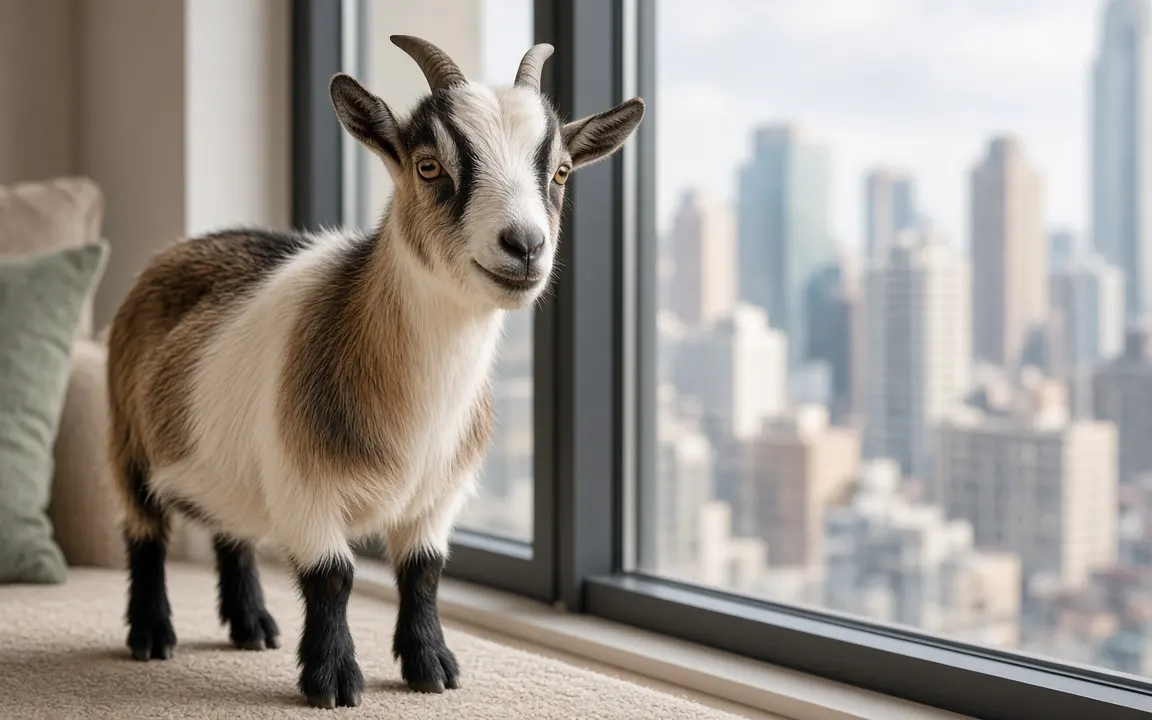
Hamilton, Ontario
Finding a crematory that takes farm species near Hamilton
Ontario winters shape large-animal aftercare around Hamilton. Frozen ground makes burial impossible for months, and snowy farm lanes can be hard for heavy vehicles. Spring thaw brings mud. Before anyone sets out, tell them whether the laneway has been plowed, how wide the barn door and gates are, and whether the animal is inside or out in a field. In a January cold snap, a body keeps longer, but access gets harder.
Hamilton's city limits stretch far beyond the urban core, taking in the farmland of Flamborough, Glanbrook, Binbrook and Ancaster, where cattle, sheep, goats, pigs and horses are kept on working farms and hobby acreages. When a large animal dies there, deadstock collection is the usual route for commercial stock, while individual cremation with ashes returned can be arranged privately for companion animals.
In a metro the size of Hamilton, the provider that answers the phone fastest isn't always the one that can help. A pet crematory in the city may take a 60 lb pygmy goat without a second thought, then turn down a 200 lb kunekune because the chamber door is too narrow. Large-animal crematories tend to sit on the rural fringe, near horse country, because they need space and permits. Budget for a drive, or for a collection fee that reflects one.
Hamilton's population is around 569,000, the 5th-largest of the 15 Ontario communities we cover.
The closest communities we cover are Burlington (6 miles), Oakville (17 miles) and Mississauga (26 miles). Providers serving those towns often travel to Hamilton too, so it can be worth asking them for a quote.
81.1%[1]
CANA projects the Canadian cremation rate will reach 81.1% by 2030.
$600-$1,000[2]
Cremating a 1,000-pound horse was reported to cost about $600-$1,000, depending on location and the price of propane.
3-5% of body weight[3]
Embrace notes cremated remains typically weigh about 3-5% of the pet's original body weight.
The published sources behind those figures are Extension Horses (eXtension national Cooperative Extension) and Embrace Pet Insurance.
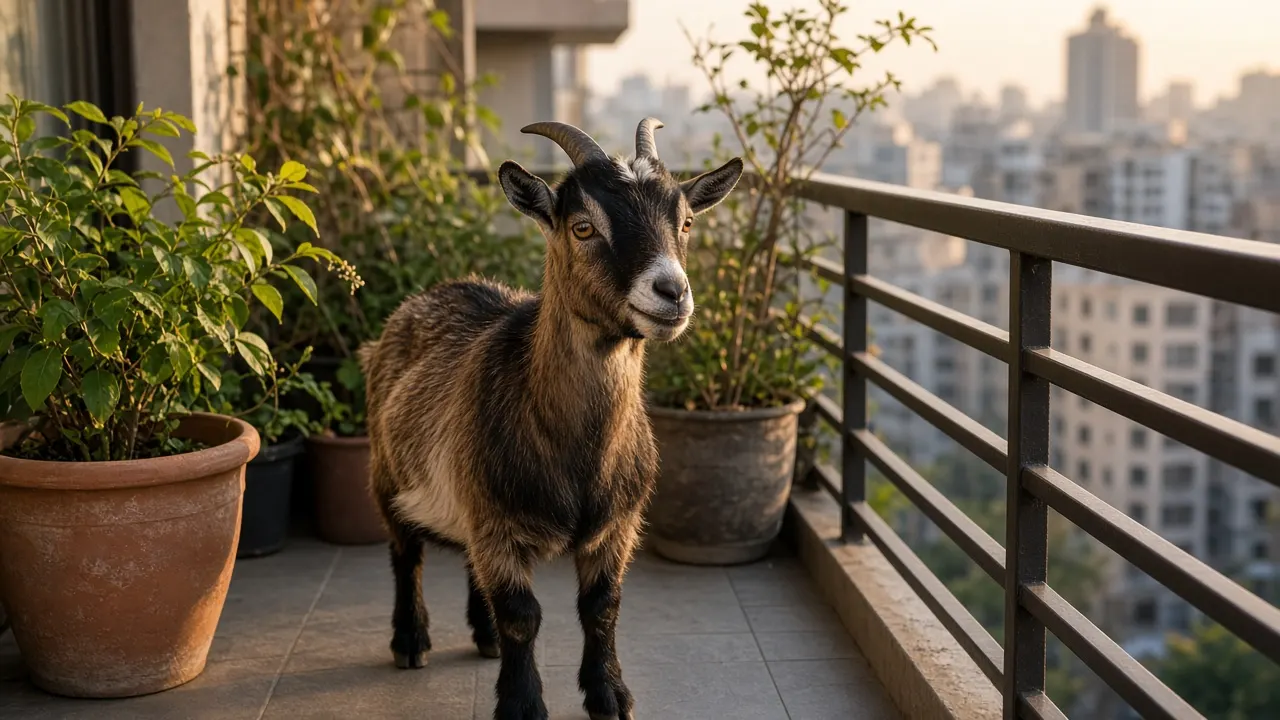
Local customs, and where a farm pet fits
Cremation is the norm for people in Canada: about 81.1%[1] of those who die there are cremated. That familiarity helps a little with farm animals. Families here rarely need to explain why they'd like the ashes rather than a grave, and pet crematories are well established. The limit is capacity rather than attitude: fewer of them take animals over about 150 lb, so the choice for a big goat or pig can be narrower than the local culture suggests.
The Canada percentage above is from CANA Industry Statistical Information (2030) and refers to human funerals. Treat it as context for Hamilton, not as a count of pets.
Hamilton weather and your animal's first hours
In warm weather, keep the body shaded, loosely covered against flies and off sun-heated ground, and ask for same-day collection. In cold weather you have more time, but lay the animal on a tarp so it can be moved easily and doesn't freeze to bedding. Either way, keep dogs and scavengers well away.

How much to budget in Hamilton
By our estimate, private cremation costs about twice the communal price across the markets we've compared[4], and the Ontario example in the table fits: CAD 549 private against CAD 279 communal[5]. For a sheep or pig from around Hamilton, that difference is what it costs to get your own animal's ashes back.
Rather than repeat the price table on every city page, we keep one for Ontario: Ontario costs. What each service includes is on the services page.

Free tool
Cremation cost calculator
Estimate a realistic price range for your pet's size, location and the type of cremation.
Burial, composting and reporting rules in Ontario
In most places a pet goat or pig is still a goat or pig in the eyes of the law, so the rules written for farms apply to it. Those rules exist for water safety and disease control, and they tend to favor collection, rendering or cremation over burial. The notes below cover Ontario in general; ask your vet or animal health office about your species.
In Canada, each province sets its own rules for dead livestock, and they generally apply to pet goats, sheep and pigs too. Ontario, for example, has a dedicated deadstock regulation covering burial, composting and licensed collectors. Winter matters: frozen ground rules out burial for months in much of the country, so many keepers cremate first and scatter the ashes in spring.
Start with the Ontario rules, which cover burial, scattering and oversight for the whole state, and treat Hamilton's local ordinances as a possible extra layer.
Step by step, from the field to the ashes
- Move the body into shade or a cool barn, lay it on its side on straw or a tarp and cover it loosely against flies. Don't seal it in plastic.
- Keep the rest of the herd or flock calm. Let a bonded companion see and sniff the body for a few minutes if it seems to help, then move it out of sight.
- Call your vet when the animal died without warning or you don't know why. Certain illnesses of pigs, poultry, sheep and goats carry a reporting duty that comes ahead of everything else.
- Decide whether you want your animal's own ashes. Everything else follows from that answer, because it narrows the field to fallen-stock collection, communal cremation or a private cremation.
- Weigh or estimate the weight honestly, then state it alongside the species as soon as you ring. Plenty of pet crematories set a limit far under what an adult pig or goat weighs.
- Ask for a written total that bundles the cremation, pickup, mileage and urn, and have it before any vehicle leaves.
- Take keepsakes before collection: a lock of fleece, a few feathers, the halter or collar, an ear tag.
Ashes, fleece and memories on the farm
Many large animals around Hamilton are companions: a retired horse in Flamborough, pet goats on a rural lot, rescued animals at a farm sanctuary. Where deadstock pickup feels too impersonal for a much-loved animal, raise individual cremation with your vet early, and agree where a truck could stand in a snowy yard and whether the family can gather in the barn first. Winter planning matters most here.
See what each option includes on our services page, or look at how readers voted in our polls, use the free tools before you ring anyone, go deeper with the guides or catch up on recent articles. If you live between Hamilton and Brampton, Mississauga, Ottawa and Markham, either page applies. Every other community in Ontario, and all of Canada, is listed too.

Reader polls
What would you choose?
Vote anonymously and see how other readers answered. The results are live counts from people who visit this site, so they show real opinions, not a scientific sample.
How do you think of the animal you've lost, or are about to lose?
Tap an answer to vote and see how others answered. Anonymous.
Before today, did you know the burial rules for farm species where you live?
Tap an answer to vote and see how others answered. Anonymous.
If you had to decide today, which aftercare would you choose for your pet?
Tap an answer to vote and see how others answered. Anonymous.

Free tools to help you plan
Cremation cost calculator
Estimate a realistic price range for your pet's size, location and the type of cremation.

Livestock mortality planner
Plan disposal capacity and costs for farm losses, from one animal to a herd.

Urn size calculator
Find the urn volume you need from your pet's weight, plus keepsake and sharing options.
Questions people ask
How do Canada attitudes to cremation compare?
CANA Industry Statistical Information (2030) puts the Canada human cremation rate at about 81.1%[1]. We show it on the Hamilton page because pet aftercare choices tend to track it: where cremation is normal for people, communal and private pet cremation are both easy to find.
Which nearby towns can I compare with Hamilton?
The closest communities we cover are Burlington (about 6 miles), Oakville (about 17 miles) and Mississauga (about 26 miles). Providers based in those places often serve Hamilton too. Ask each one for a written total that includes collection, so the distance is priced in.
Do I have to report the death of a backyard hen or pet pig?
A single death with an obvious cause usually doesn't need reporting. Unexplained deaths in poultry, pigs, sheep or goats are different: several diseases in these species are notifiable, and the authorities would rather hear about a false alarm than miss an outbreak. Call your vet first; they'll know whether to involve the animal health authority.
What if my animal dies while we're away from home?
Ask whoever is minding the farm to call your vet first and you second. Before you travel, leave written instructions: private or communal, which provider, how much you're willing to spend and any keepsake to save. A signed note lets a sitter act quickly in hot weather instead of waiting for you to pick up the phone, and it spares them guessing what you'd want.
How big an urn do I need for a goat or sheep?
Plan on roughly a cubic inch of capacity for every pound your animal weighed[7]. A 70 lb pygmy goat then needs around 70 cubic inches and a 140 lb ewe around 140, more than most standard pet urns hold. Scattering most of it? A scatter tube plus a small keepsake urn works well. Our urn size calculator will work out the numbers.
Is a donkey treated like a horse or like livestock for burial?
It varies. Many rules group donkeys with horses, and in England equines are the notable exception to the ban on burying farm animals. Elsewhere, donkeys may fall under general livestock rules with depth and distance requirements. A standard donkey is also heavy enough to need an equine crematory. Check the rules for your area before deciding.


Sources and our estimates
- [1] CANA projects the Canadian cremation rate will reach 81.1% by 2030. CANA Industry Statistical Information, 2030.
- [2] Cremating a 1,000-pound horse was reported to cost about $600-$1,000, depending on location and the price of propane. Extension Horses (eXtension national Cooperative Extension) - Horse Disposal Options, 2019, 2019.
- [3] Embrace notes cremated remains typically weigh about 3-5% of the pet's original body weight. Embrace Pet Insurance - Bury or Cremate Your Dog? Costs, Pros & Cons, 2025.
- [4] The median price multiple of private (ashes returned) over communal cremation across 8 markets is about 2.0x, ranging from 1.25x (Tokyo) to 5.2x (Auckland). Our estimate: median(private_price / communal_price) same weight band: US CareCredit 51-70 lb midpoints (250/75) = 3.33x; Auckland 15-25 kg (445/85) = 5.24x; Norway 1-20 kg (3790/1190) = 3.18x; Singapore 10-20 kg (480/260) = 1.85x; Ontario 25-250 lb (549/279) = 1.97x; Tokyo 20-30 kg (38500/30800) = 1.25x; France 20 kg midpoints (200/95) = 2.11x; Germany range midpoints (270/145) = 1.86x. How we calculate.
- [5] An Ontario aftercare provider lists private cremation at CAD 449 (under 25 lb) and CAD 549 (25-250 lb), and communal at CAD 199 and CAD 279. Florence (Ontario) - How Much Does Pet Euthanasia and Cremation Cost in Ontario? 2026 Guide, 2026.
- [6] About 10,630 U.S. cattle and calves died every day in 2015. Our estimate: 3,880,000 / 365. How we calculate.
- [7] Using the industry rule of thumb of 1 cubic inch of urn space per pound of body weight, a 12 lb cat needs an urn of about 12 cubic inches; a 70 lb dog needs about 70 cubic inches. Our estimate: urn cu in = body weight lb x 1 (industry rule of thumb, not a measured value). How we calculate.
Get farm animal cremation options near Hamilton
Tell us what you need and where you are. We'll reply by email with clear options and prices so you can decide in your own time.